11 Signs You Should Take Your Pup To The Vet
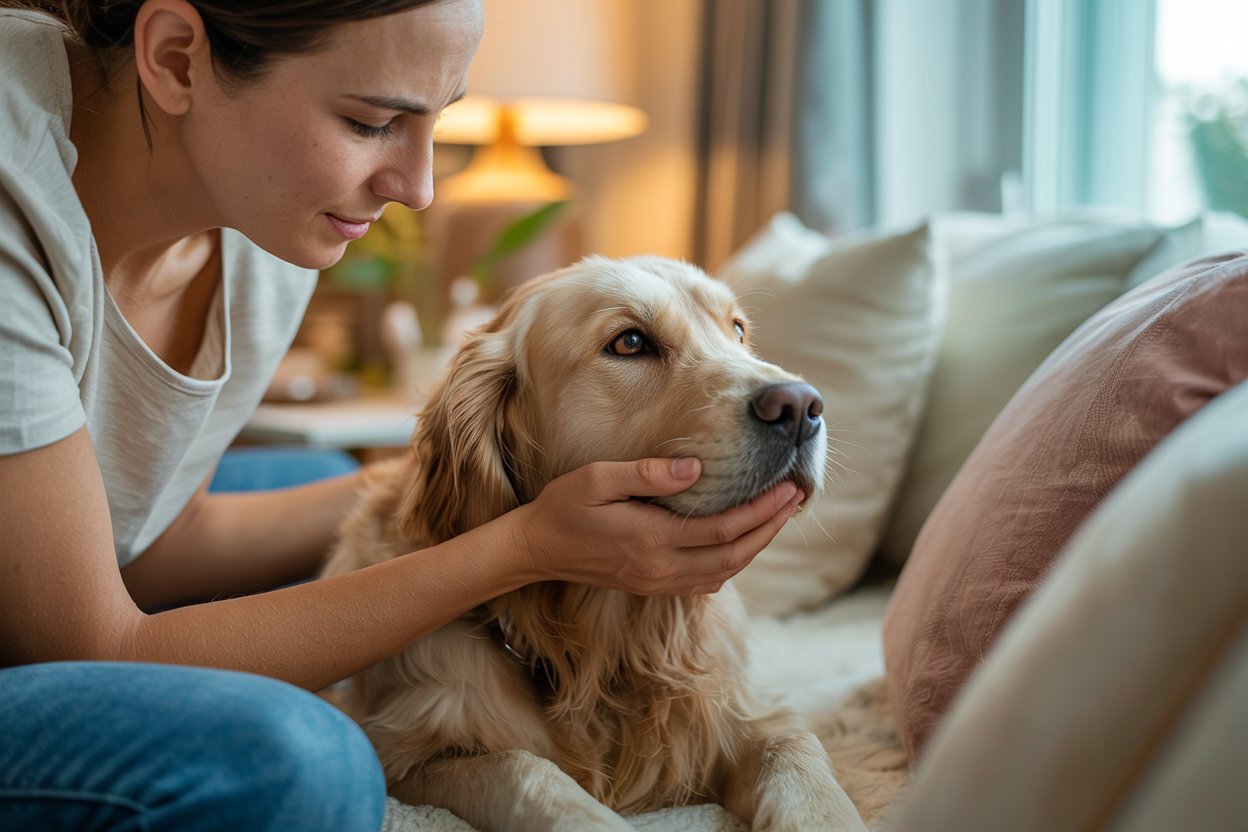
Caring for a dog means learning to read the subtle (and sometimes not-so-subtle) ways they communicate discomfort.
Unlike humans, dogs can’t tell you exactly what’s wrong but their behavior, appetite, energy, and physical condition often speak volumes.
As a devoted pet parent, knowing when something is “off” can make all the difference in protecting your pup’s health and even saving their life.
This guide walks you through 11 important signs that should never be ignored. Some may seem minor at first glance, but they can signal deeper health issues that require professional care.
The goal isn’t to make you anxious it’s to help you feel confident, informed, and prepared.
11 Signs You Should Take Your Pup To The Vet
1. Sudden Loss of Appetite

Dogs are usually enthusiastic eaters, so when your pup suddenly refuses food, it’s worth paying attention.
A missed meal here and there might not be alarming, especially if your dog is otherwise acting normal. However, if your dog skips meals for more than 24 hours or shows a noticeable decrease in appetite it could indicate:
- Gastrointestinal issues
- Dental pain
- Infections
- Liver or kidney problems
What to watch for:
- Refusing favorite treats
- Dropping food from the mouth
- Weight loss
When to act:
If appetite doesn’t return within a day or is paired with vomiting, lethargy, or diarrhea, it’s time to call your vet.
2. Vomiting or Diarrhea That Doesn’t Stop

An occasional upset stomach isn’t unusual dogs explore the world with their mouths, and sometimes that leads to digestive issues.
But when vomiting or diarrhea becomes frequent, persistent, or severe, it’s your dog’s way of signaling that something more serious may be going on.
What could be causing it:
- Sudden diet changes or food intolerance
- Ingesting spoiled food, toxins, or foreign objects
- Intestinal parasites (like worms)
- Viral or bacterial infections
- Pancreatitis (inflammation of the pancreas)
What to watch for:
- Repeated vomiting within a few hours
- Watery or explosive diarrhea
- Blood in vomit (bright red or coffee-ground appearance)
- Blood or mucus in stool
- Signs of dehydration (dry gums, lethargy, sunken eyes)
Why it matters:
Prolonged vomiting or diarrhea can quickly lead to dehydration, especially in puppies and smaller breeds. In some cases, it may also indicate poisoning or internal blockages, both of which can escalate rapidly.
When to act:
If symptoms last more than 24 hours, occur frequently, or are paired with weakness, fever, or refusal to eat or drink, contact your vet immediately. Don’t wait early treatment can prevent complications.
3. Lethargy or Unusual Fatigue

Every dog has off days, but a noticeable drop in energy especially when it’s sudden shouldn’t be brushed aside. A dog that normally greets you at the door but now barely lifts its head is telling you something isn’t right.
What this may signal:
- Infections (viral or bacterial)
- Pain from injury or internal issues
- Heart disease
- Anemia or metabolic disorders
- Chronic conditions like kidney or liver disease
Look for:
- Sleeping much more than usual
- Lack of interest in walks, toys, or interaction
- Slow or reluctant movement
- Avoiding normal routines
Why it matters:
Lethargy is a broad symptom, but it’s often one of the earliest indicators of illness. Because it’s subtle, it’s also easy to overlook yet it can precede more serious symptoms.
When to act:
If your dog’s energy doesn’t return within 24 hours, or if the lethargy is severe or sudden, it’s best to get a professional evaluation.
4. Difficulty Breathing

Breathing issues are one of the most urgent signs you’ll encounter as a pet owner. Even mild changes in your dog’s breathing pattern should be taken seriously.
Possible causes include:
- Respiratory infections
- Allergic reactions
- Heart disease
- Fluid buildup in the lungs
- Airway obstruction (foreign object, swelling)
Signs to watch for:
- Rapid breathing while at rest
- Labored breathing (visible effort in chest or abdomen)
- Wheezing, coughing, or gagging
- Open-mouth breathing (especially unusual for most dogs)
- Pale, blue, or gray gums
Why it matters:
Oxygen is critical. When a dog struggles to breathe, it can quickly become life-threatening. Conditions affecting the lungs or heart often progress rapidly without intervention.
When to act:
This is an emergency. If you notice any of these signs, seek veterinary care immediately do not wait to see if it improves.
5. Persistent Itching or Skin Issues

A little scratching is normal, but when it becomes constant or intense, it often points to an underlying issue that needs attention.
Common causes:
- Fleas, ticks, or mites
- Food allergies
- Environmental allergies (pollen, dust, grass)
- Fungal or bacterial skin infections
What to watch for:
- Constant scratching, licking, or chewing
- Red, inflamed, or irritated skin
- Bald patches or thinning fur
- Scabs, hot spots, or open sores
- Ear scratching or head shaking
Why it matters:
Skin conditions can worsen quickly and become painful. Continuous scratching can break the skin, leading to infections that require medication.
When to act:
If itching persists for several days, worsens, or leads to visible skin damage, your dog needs veterinary care to identify and treat the root cause.
6. Changes in Drinking or Urination
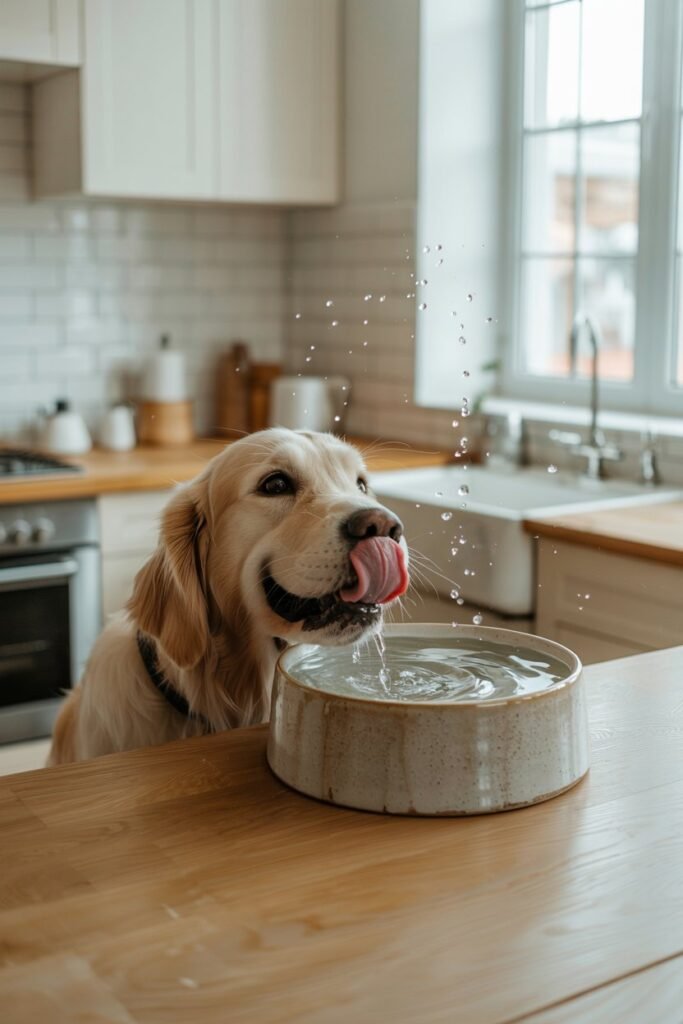
Your dog’s water intake and bathroom habits offer important clues about their internal health. Subtle changes can sometimes be the first sign of a serious condition.
Possible issues:
- Kidney disease
- Diabetes
- Urinary tract infections
- Hormonal imbalances
Look for:
- Drinking significantly more or less water than usual
- Frequent urination or accidents indoors
- Straining or discomfort while urinating
- Blood in the urine
- Strong or unusual odor
Why it matters:
Conditions like diabetes and kidney disease can develop gradually, and early detection is key to managing them effectively.
When to act:
If changes persist for more than a day or two or appear suddenly schedule a vet visit as soon as possible.
7. Limping or Difficulty Moving

Dogs are naturally resilient and often try to push through pain. If your dog is limping or hesitant to move, it’s usually because the discomfort is significant.
Common causes:
- Sprains or strains
- Cuts or injuries to paws
- Arthritis or joint issues
- Ligament injuries
- Fractures
Signs include:
- Favoring one leg
- Reluctance to run, jump, or climb stairs
- Stiffness, especially after resting
- Whining or reacting when touched
Why it matters:
Ignoring mobility issues can worsen injuries and prolong recovery. Early intervention can prevent long-term damage.
When to act:
If limping lasts more than 24–48 hours, worsens, or is accompanied by swelling or severe pain, your dog should be examined.
8. Bad Breath or Dental Issues
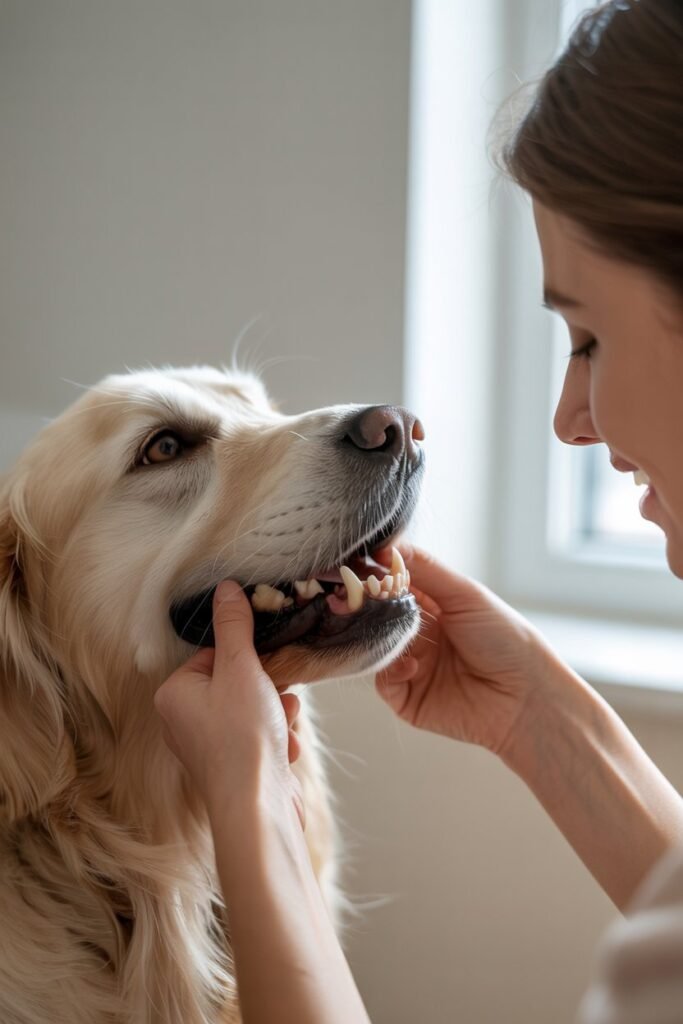
While “dog breath” is common, a strong, foul odor is often a sign of dental disease and it’s more serious than many people realize.
Potential problems:
- Gum disease (periodontal disease)
- Tooth decay or infection
- Oral tumors or injuries
Watch for:
- Difficulty chewing or dropping food
- Excessive drooling
- Swollen, red, or bleeding gums
- Visible tartar buildup
- Pawing at the mouth
Why it matters:
Dental infections don’t stay in the mouth they can spread to vital organs like the heart and kidneys if untreated.
When to act:
If you notice persistent bad breath or any of the signs above, a vet visit is necessary. Dental care is a key part of overall health.
9. Sudden Behavioral Changes

Dogs are creatures of habit, so any abrupt shift in behavior can indicate discomfort, stress, or illness.
Examples include:
- Aggression in a typically gentle dog
- Hiding or withdrawing from family
- Increased clinginess or anxiety
- Excessive barking or whining
Possible causes:
- Pain or injury
- Neurological issues
- Hormonal changes
- Emotional stress
Why it matters:
Behavioral changes are often overlooked, but they can be one of the earliest warning signs of underlying health issues.
When to act:
If the change is sudden, unexplained, and persistent, consult your vet to rule out medical causes before assuming it’s purely behavioral.
10. Unusual Lumps or Swelling

Finding a lump on your dog can be alarming but not all lumps are dangerous. Still, every new growth should be taken seriously.
Possible causes:
- Fatty tumors (lipomas)
- Cysts
- Abscesses or infections
- Cancerous tumors
Things to monitor:
- Size and shape
- Texture (soft, firm, movable)
- Growth over time
- Pain or sensitivity
Why it matters:
Early detection is critical, especially if a lump turns out to be malignant. The sooner it’s evaluated, the more options you have.
When to act:
If a lump grows, changes, becomes painful, or doesn’t go away within a couple of weeks, have it checked by your vet.
11. Eye or Ear Problems

Your dog’s eyes and ears are sensitive and prone to infections, especially if issues aren’t addressed early.
Signs of trouble:
- Redness or swelling
- Discharge (yellow, green, or excessive tearing)
- Cloudy or dull-looking eyes
- Frequent head shaking
- Scratching at ears
- Strong odor from ears
Possible causes:
- Bacterial or yeast infections
- Allergies
- Foreign objects
- Injury
Why it matters:
Untreated infections can lead to chronic pain, hearing loss, or vision problems. These conditions rarely resolve on their own.
When to act:
If symptoms persist beyond a day or worsen quickly, your dog needs veterinary care to prevent complications.
When in Doubt, Trust Your Instincts
No one knows your dog like you do. If something feels off even if it’s not on this list it’s always better to err on the side of caution. Early intervention often leads to better outcomes, less invasive treatments, and lower costs.
Preventative Care Matters Too
While recognizing warning signs is essential, prevention is just as important. Regular vet visits help catch issues before they become serious.
Routine care should include:
- Annual check-ups
- Vaccinations
- Parasite prevention
- Dental cleanings
Think of these visits as an investment in your dog’s long-term health and happiness.
Final Thoughts
Being a responsible dog owner isn’t about knowing everything it’s about paying attention, asking questions, and taking action when something doesn’t feel right. These 11 signs are your guide, but your awareness and intuition are just as powerful.
Your pup depends on you not just for love and playtime, but for protection and care when it matters most. And sometimes, that means making a vet appointment sooner rather than later.