I absolutely love this topic because, honestly, mental stimulation changed everything for me and my dog.
I used to think long walks were enough. I thought if he ran around the yard, chased a ball, and came home panting, I had done my job.
But I started noticing something even after physical exercise, he would still pace, nudge me constantly, or look for trouble. That’s when I realized he wasn’t tired… he was bored.
And boredom in dogs doesn’t look cute for long.
It turns into chewing, digging, barking, restlessness, and sometimes even anxiety. Once I began focusing on stimulating his mind not just his body I saw a calmer, happier, more balanced dog.
So if you’ve been feeling like your dog has “too much energy” or seems unsettled even after exercise, this post is for you.
Let’s start from the beginning.
What Is Mental Stimulation?
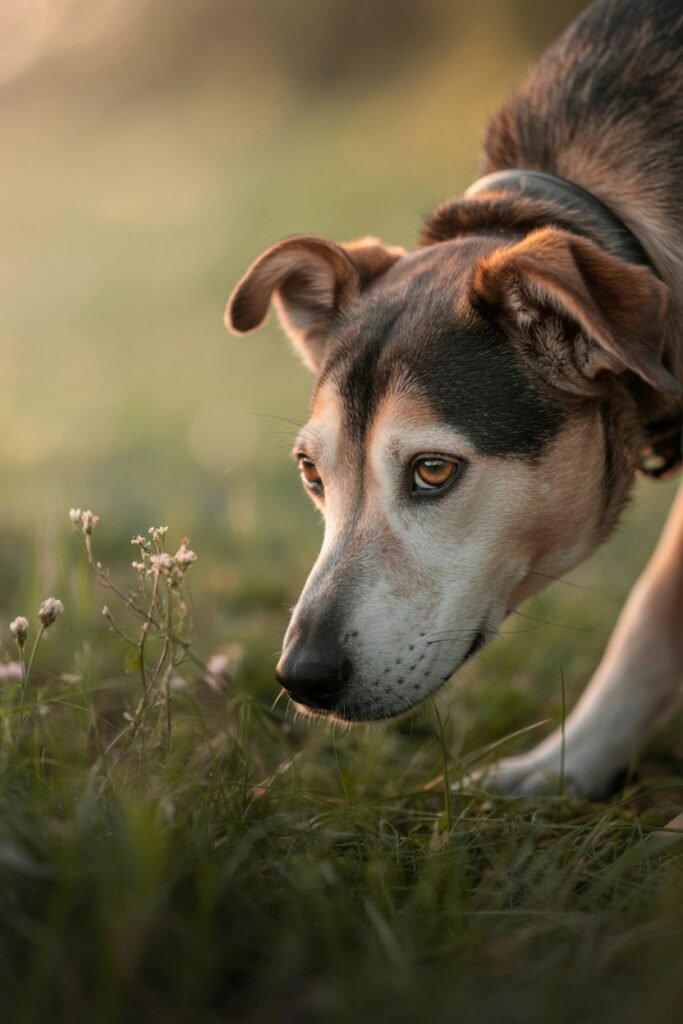
Mental stimulation for dogs simply means giving your dog activities that challenge his brain.
Just like humans, dogs need to think. They need to solve problems, make decisions, use their senses, and figure things out. When we only focus on physical exercise, we’re only meeting half of their needs.
Mental stimulation can involve:
- Problem-solving
- Scent work
- Learning new commands
- Exploring new environments
- Interactive play
- Food puzzles
- Training sessions
Dogs were originally bred for jobs herding, hunting, guarding, retrieving. Even companion breeds were bred to observe and respond to humans. That means their brains are wired for engagement.
When we don’t give them appropriate mental outlets, they create their own entertainment and that’s usually when trouble begins.
Think of mental stimulation like this:
- A 20-minute training session can tire a dog out more than a 45-minute walk.
- Sniffing for 10 minutes can be more enriching than running for 30.
- Solving a puzzle taps into natural instincts in a deeply satisfying way.
Mental stimulation is about giving your dog purposeful work that makes him think.
And when he thinks, he thrives.
Why Is Mental Stimulation For Dogs So Important?
I truly believe mental stimulation is one of the most overlooked parts of dog care.
Here’s why it matters so much:
1. It Reduces Destructive Behavior
Most “bad” behavior is simply misplaced energy. Chewing furniture, digging holes, excessive barking these often stem from boredom.
A mentally fulfilled dog is far less likely to destroy your home.
2. It Builds Confidence
When dogs solve problems successfully, it boosts their confidence. Nervous or shy dogs especially benefit from small challenges they can master.
You’ll start noticing a more curious, engaged personality.
3. It Strengthens Your Bond
Interactive games and training sessions build communication. Your dog begins looking to you for direction, guidance, and fun.
It becomes teamwork instead of chaos.
4. It Helps Prevent Cognitive Decline
Mental exercise is just as important for senior dogs as it is for puppies. Keeping the brain active can help maintain cognitive function as dogs age.
5. It Tires Them Out (In the Best Way)
Mental work drains energy in a calm, satisfying way. Instead of being physically overstimulated, your dog becomes peacefully tired.
You’ll see more relaxed naps instead of restless pacing.
21 Mental Stimulation Ideas To Try With Your Dog
Now we’re getting into the fun part.
These are ideas I’ve personally used or recommended, and they work beautifully when done consistently. You don’t need fancy equipment just intention and creativity.
Let’s start with the first five.
1. The Classic Food Puzzle Challenge
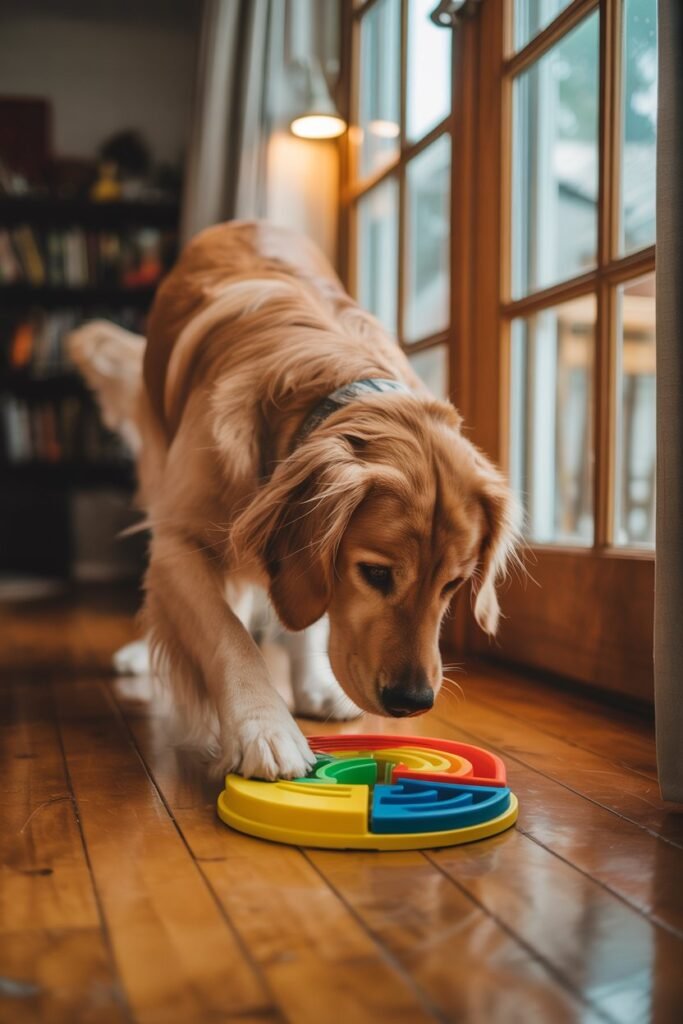
Dogs love working for food. It taps into their natural foraging instinct.
Instead of serving meals in a regular bowl, try:
- Puzzle feeders
- Slow feeders
- Treat-dispensing toys
- DIY muffin tin puzzles (place treats in cups and cover with tennis balls)
When your dog has to figure out how to access his food, he’s thinking. He’s strategizing. He’s using his nose and paws.
Start simple so he doesn’t get frustrated. Once he understands the concept, gradually increase the difficulty.
I remember the first time I gave my dog a puzzle toy he stared at it like it had personally offended him. But once he realized food was inside? Total concentration mode.
Ten minutes later, he was happily exhausted.
2. The “Find It” Scent Game
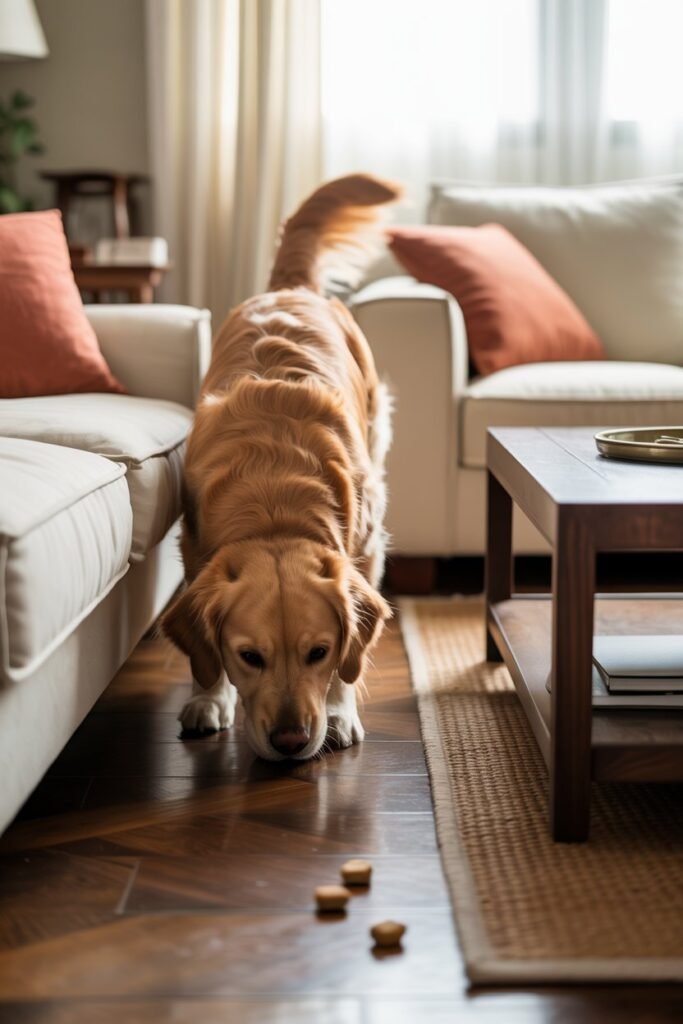
This is one of my favorite low-effort, high-reward games.
Dogs experience the world through scent. When you activate their nose, you activate their brain.
Here’s how to do it:
- Ask your dog to stay (or have someone gently hold him).
- Hide small treats around the room.
- Release him and say, “Find it!”
At first, hide treats in obvious spots. As he improves, make it harder under cushions, behind furniture legs, inside boxes.
Sniffing engages their natural hunting instincts. It’s calming and incredibly enriching.
And the best part? It works indoors on rainy days.
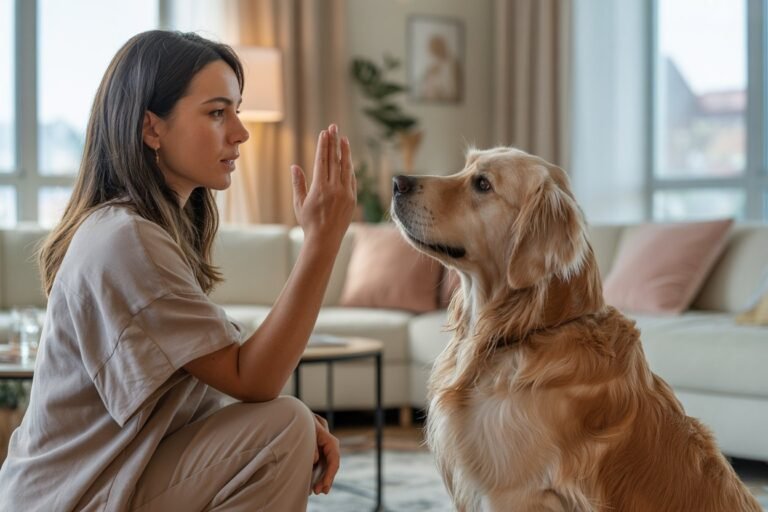
3. Short, Focused Training Sessions
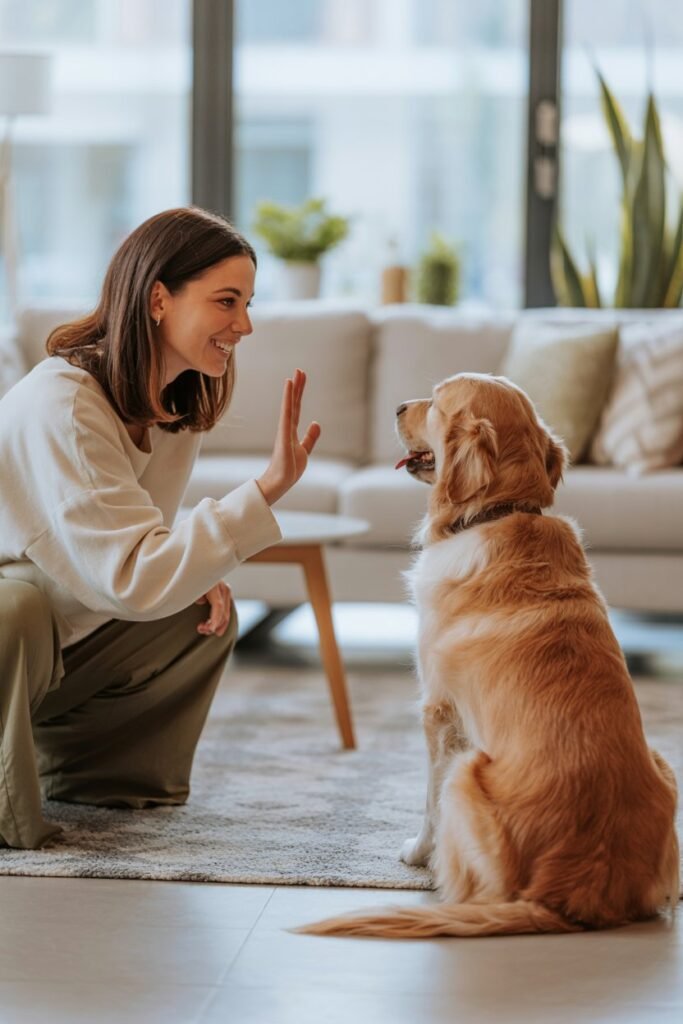
Training isn’t just about obedience. It’s mental gymnastics.
Five to ten minutes of focused training can be more powerful than a long walk.
Teach:
- A new trick (spin, roll over, bow)
- Name recognition for toys
- Hand targeting
- Advanced stays with distractions
Keep sessions short and upbeat. End on a success.
When I started doing mini training sessions daily, I noticed my dog became more attentive in general. He started looking at me for cues instead of making impulsive decisions.
That mental connection is everything.
4. DIY Box Destruction Game
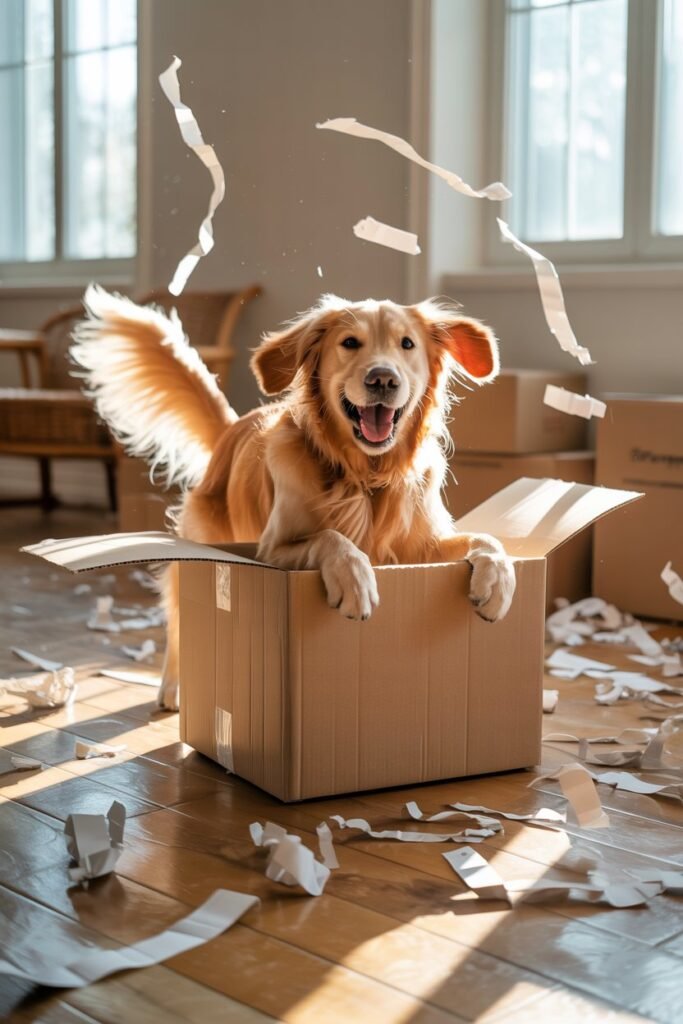
This one feels messy… but it’s brilliant.
Save old cardboard boxes. Place treats inside, maybe wrap them in paper, and let your dog “destroy” the box to get the reward.
It satisfies:
- Shredding instincts
- Problem-solving
- Foraging behavior
If your dog loves tearing things up, this gives him a legal outlet.
Just supervise and remove any swallowed pieces.
It’s amazing how something so simple can keep a dog busy for 15–20 focused minutes.
5. The Towel Roll-Up Puzzle
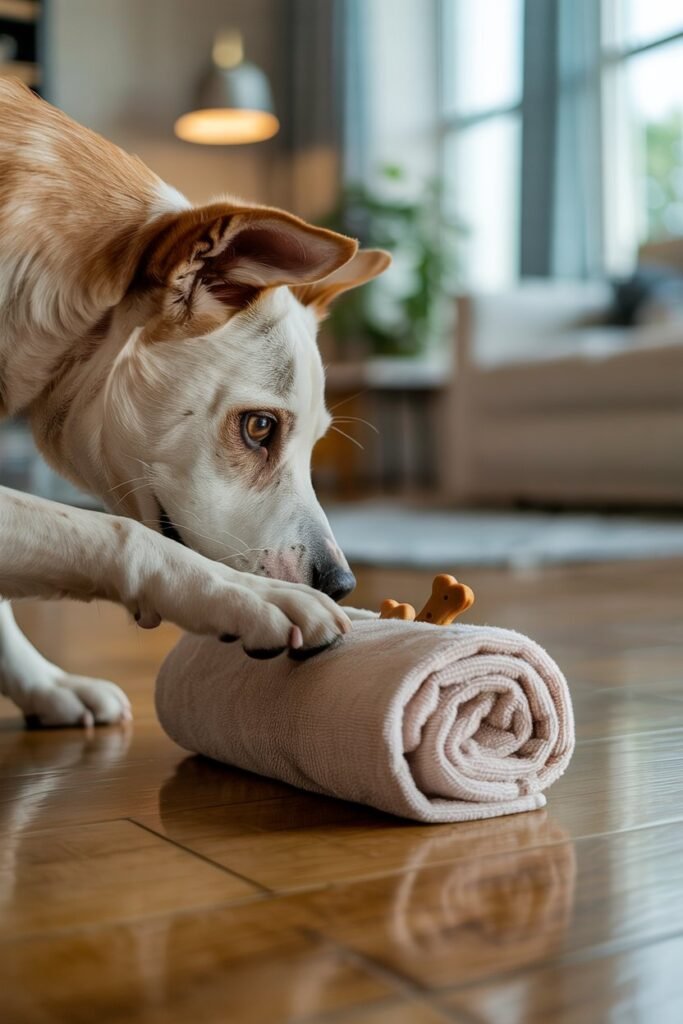
This is perfect if you don’t have special toys.
Take a towel.
Sprinkle treats across it.
Roll it up tightly.
Let your dog figure out how to unroll it.
You can twist it, fold it, or even knot it lightly to increase difficulty.
This game works their brain, nose, and paws all at once.
I love this one because it’s so easy to set up. On busy days when I can’t do much, a towel puzzle still gives my dog meaningful enrichment.
6. Teach the Names of His Toys
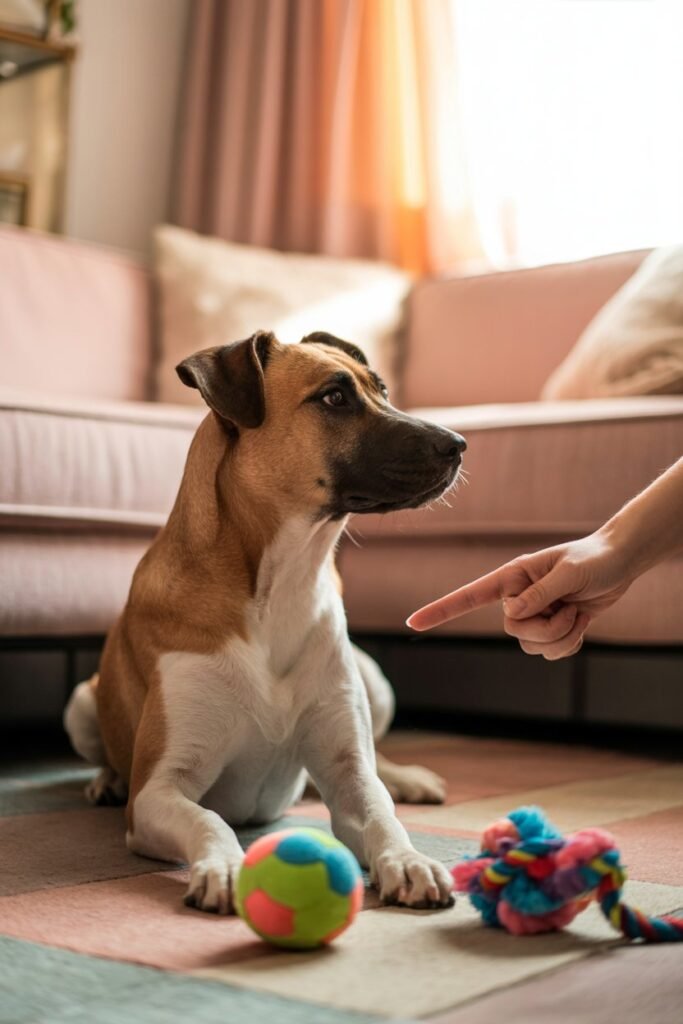
This one is so underrated and it’s honestly so much fun.
Dogs are capable of learning object names. Some breeds especially (like herding and working breeds) thrive on this type of challenge.
Think about the incredible vocabulary recognition of dogs like Chaser she learned over 1,000 words!
Now, your dog doesn’t need to learn 1,000 toy names. Even learning 3–5 is powerful mental work.
Here’s how to start:
- Choose one toy.
- Say its name clearly: “This is Bunny.”
- Repeat the name consistently during play.
- After a few days, place it on the floor and say, “Get Bunny.”
- Reward heavily when he chooses correctly.
Once he masters one toy, add another. Then practice discrimination put both toys down and ask for one specifically.
You’ll literally see him pause and think before choosing.
That moment? That’s mental stimulation in action.
7. Snuffle Mat Feeding
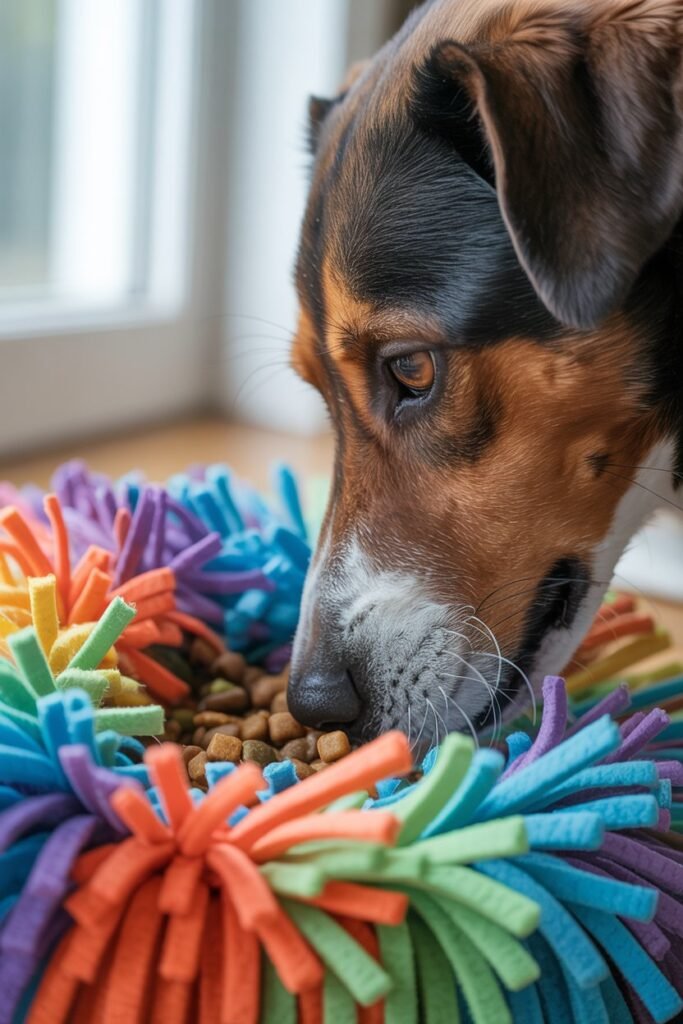
If your dog gulps food down in seconds, this is going to change everything.
A snuffle mat mimics grass and allows you to scatter kibble or treats throughout layers of fabric. Your dog has to use his nose to forage for each piece.
This taps into:
- Natural hunting instincts
- Problem-solving
- Patience
- Focus
Instead of eating in two minutes, he may take 15–20 minutes sniffing, searching, and working.
Sniffing lowers a dog’s heart rate. It’s incredibly calming.
If you don’t have a snuffle mat, you can DIY one by scattering kibble in a pile of old towels or in a cardboard box filled with safe paper strips.
It’s simple, but it activates their brain in such a natural way.
8. The “Which Hand?” Game
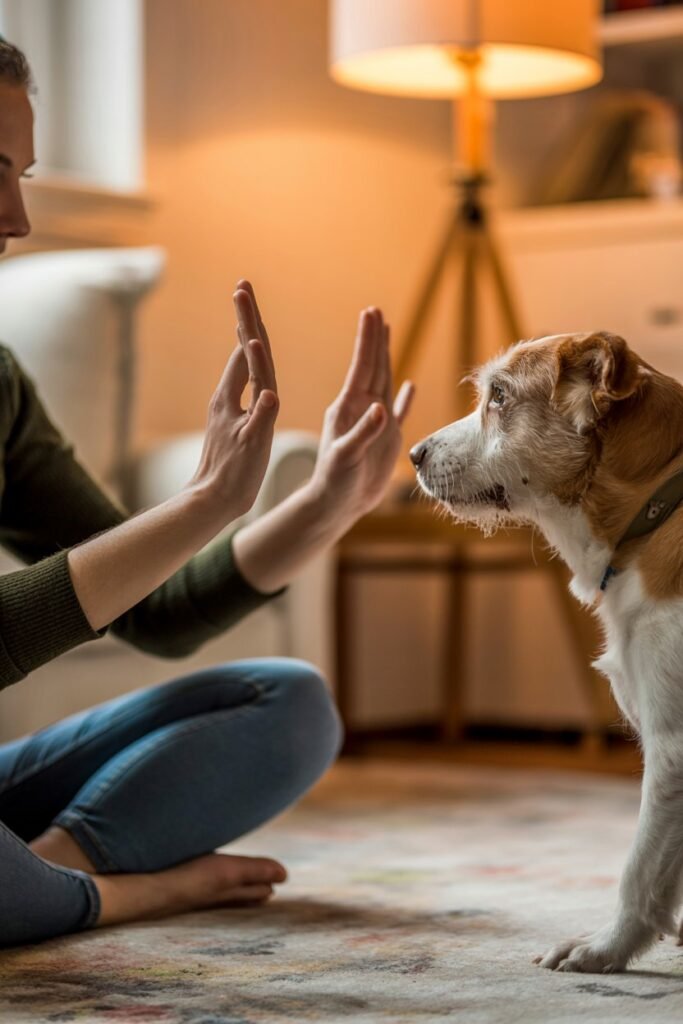
This is such a sweet bonding game and perfect for beginners.
Here’s how:
- Put a treat in one hand.
- Close both fists.
- Present both hands to your dog.
- Let him sniff.
- Reward when he paws, noses, or indicates the correct hand.
At first, he may guess randomly. But very quickly, you’ll notice him sniffing carefully and making intentional choices.
You can level it up by:
- Switching hands behind your back.
- Adding a verbal cue like “Choose.”
- Requiring a sit before guessing.
This game strengthens his nose work skills while teaching impulse control.
And honestly? It feels like a little communication exercise between you two.
9. Obstacle Courses at Home
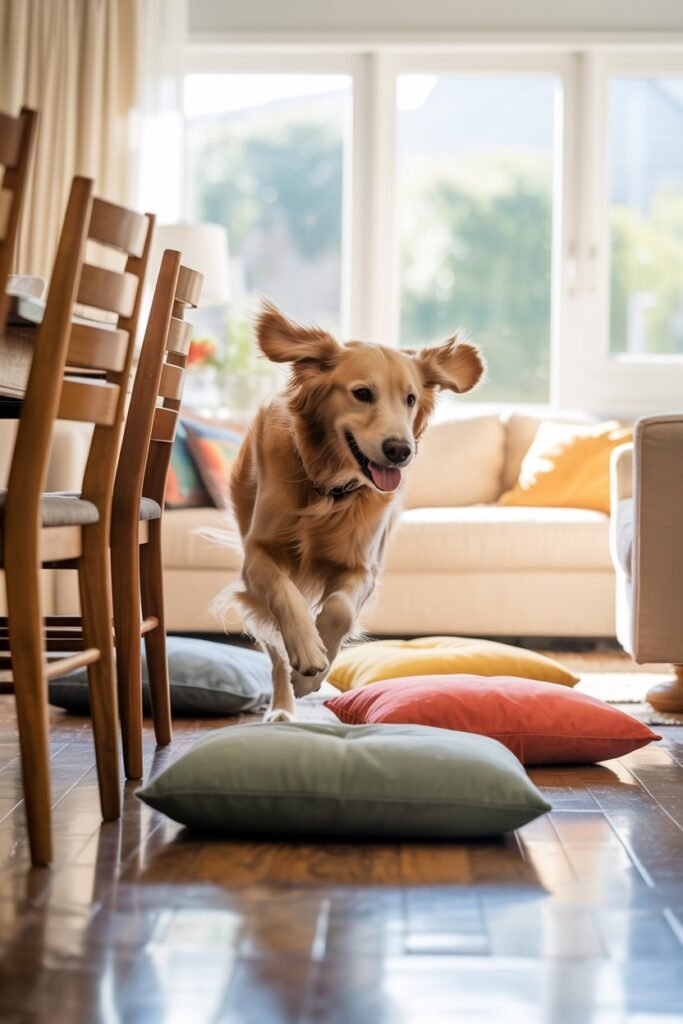
You don’t need a fancy agility setup.
Your living room is enough.
Use:
- Chairs to weave through
- Pillows to jump over
- Blankets draped over tables to crawl under
- Laundry baskets to go around
Guide him slowly with treats at first. Once he understands, turn it into a sequence:
“Over.”
“Under.”
“Through.”
Sequencing builds serious mental engagement. He has to remember patterns and anticipate your cues.
I love this one on rainy days when outdoor time is limited. After 10–15 minutes of obstacle work, most dogs are satisfyingly tired not hyper, just content.
10. Rotate Toys Instead of Leaving Them Out
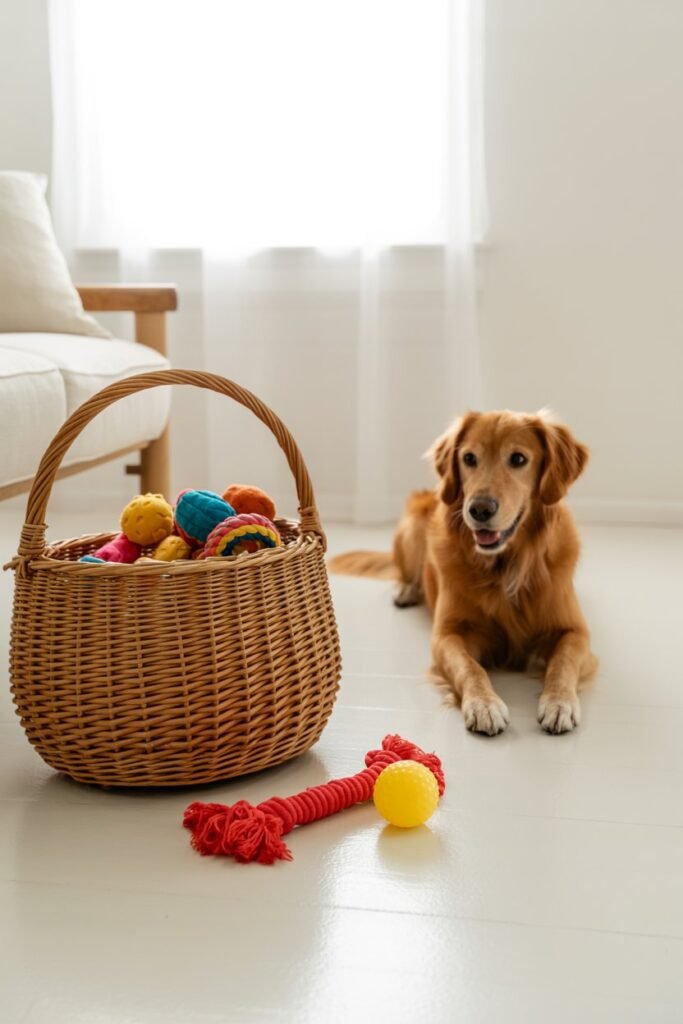
This is a game-changer that so many dog parents overlook.
When all toys are available all the time, they lose novelty.
Instead:
- Put most toys away.
- Leave 2–3 out.
- Rotate every few days.
Suddenly, an “old” toy feels brand new again.
Novelty stimulates curiosity.
Curiosity stimulates thinking.
You’ll notice your dog engaging more deeply when something feels fresh.
I started doing toy rotation and it completely changed how my dog interacted with his playthings. He stopped ignoring them and started investigating them again.
It’s such a simple shift but mentally, it makes a difference.
11. Scatter Feeding in the Yard (or Indoors)
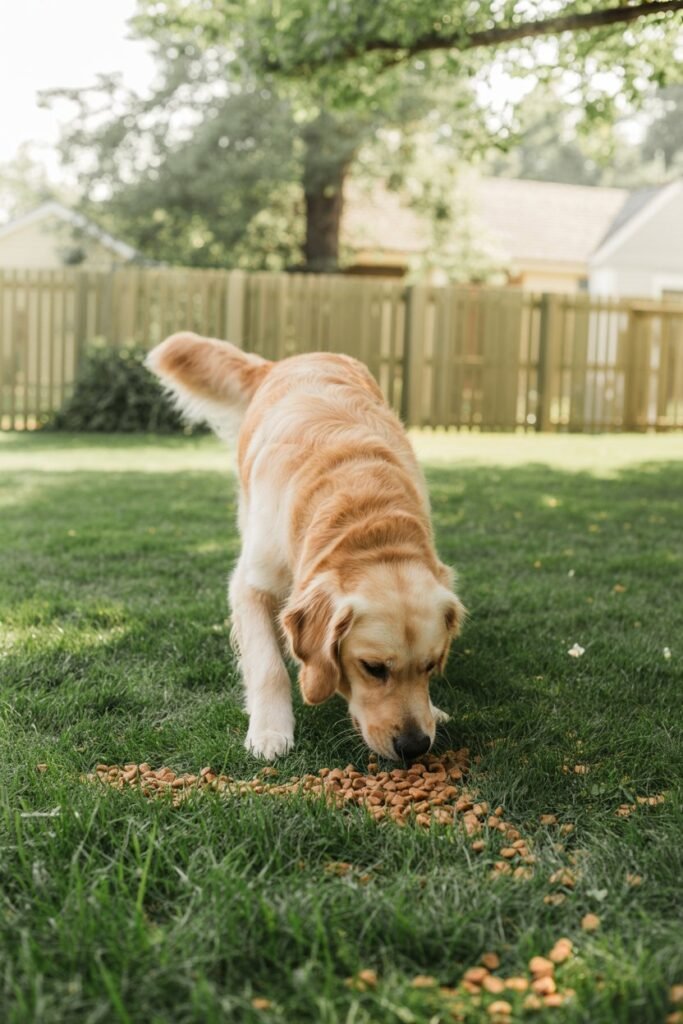
This one feels almost too simple but it’s incredibly powerful.
Instead of feeding your dog from a bowl, take a portion of his kibble and scatter it across:
- Your backyard grass
- A safe patch of soil
- A large indoor mat or carpet
Then release him to “hunt” for his meal.
When dogs sniff and forage, they tap into ancient instincts. It slows them down. It makes them think. It turns dinner into a job.
You’ll notice something beautiful: instead of gulping and walking away, he’ll stay focused and methodical.
This is mental enrichment disguised as mealtime.
12. Teach “Place” With Duration and Distractions
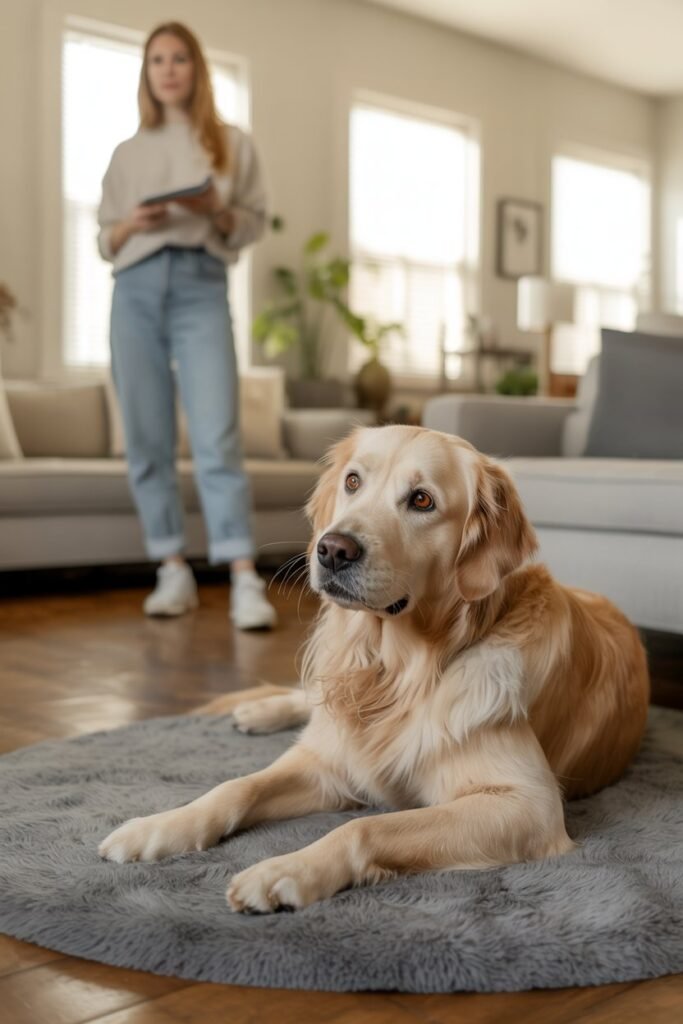
The “place” command where your dog goes to a specific bed or mat and stays there is an incredible brain workout when practiced correctly.
Start simple:
- Lure him onto a mat.
- Reward.
- Release.
Once he understands, begin adding:
- Longer duration.
- Mild distractions (you walking around, opening doors).
- Distance between you and him.
He has to think:
“Stay.”
“Don’t move.”
“Focus.”
Impulse control is one of the most mentally exhausting (in a healthy way) skills for a dog.
And here’s the bonus? A strong “place” command is life-changing for guests, mealtime, and calm household routines.
13. Frozen Food Enrichment
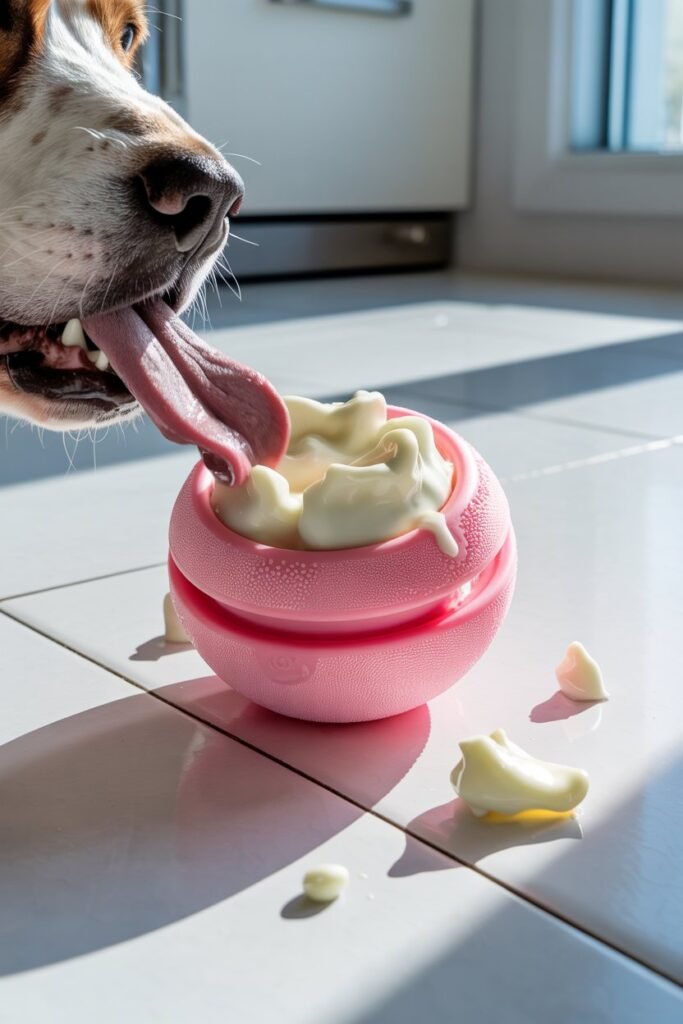
Freezing your dog’s food transforms it into a long-lasting mental challenge.
You can freeze:
- Wet food inside a food-safe toy
- Greek yogurt mixed with kibble
- Mashed banana with a few treats
- Broth-soaked kibble
When frozen, it requires licking, patience, and persistence.
Licking is incredibly soothing for dogs. It releases calming hormones and encourages focus.
On busy days, I love preparing a frozen enrichment toy in advance. It gives my dog 20–30 minutes of concentrated effort and afterward, he’s beautifully relaxed.
It’s one of my favorite quiet-time tools.
14. Hide and Seek (With You)
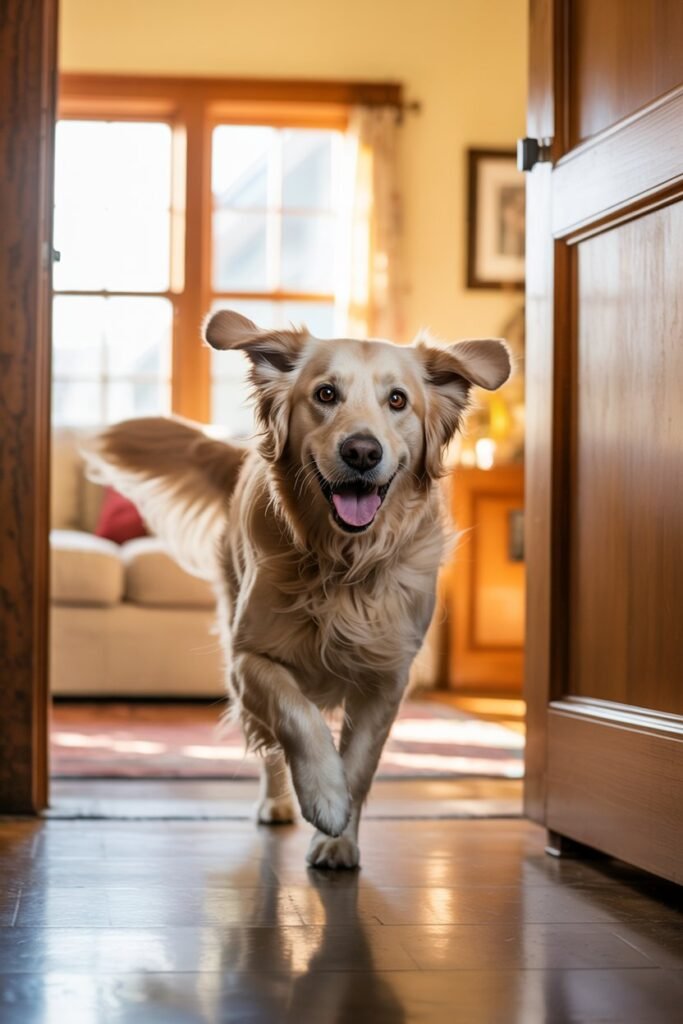
This one feels playful, but it’s serious brain work.
Have your dog stay (or have someone hold him). Go hide somewhere in the house. Then call him.
At first, hide somewhere easy. Behind a door. In another room.
As he gets better, make it more challenging.
He’ll use:
- His ears
- His nose
- His memory of your voice
This game strengthens recall while stimulating problem-solving.
And honestly? Watching his excitement when he finds you is pure joy.
It reminds you that mental stimulation doesn’t have to feel like “training.” It can feel like connection.
15. The Muffin Tin Puzzle
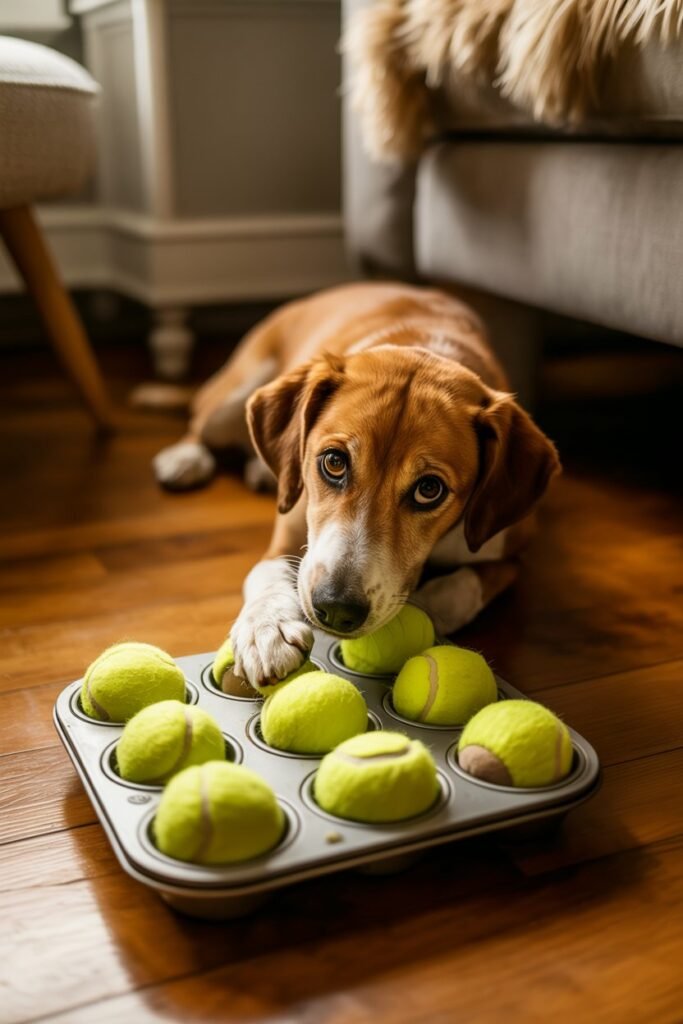
This is one of the easiest DIY puzzles you can make at home.
You’ll need:
- A muffin tin
- Tennis balls (or similar-sized balls)
- Treats
Place treats in some (or all) of the muffin cups. Cover each cup with a ball.
Your dog must remove the balls to access the treats.
At first, he might paw randomly. Then suddenly, you’ll see the gears turning.
Lift ball.
Check for treat.
Move to next.
It builds logical thinking and persistence.
If he finds it too easy, vary which cups contain treats so he can’t predict the pattern.
16. Change Your Walking Route
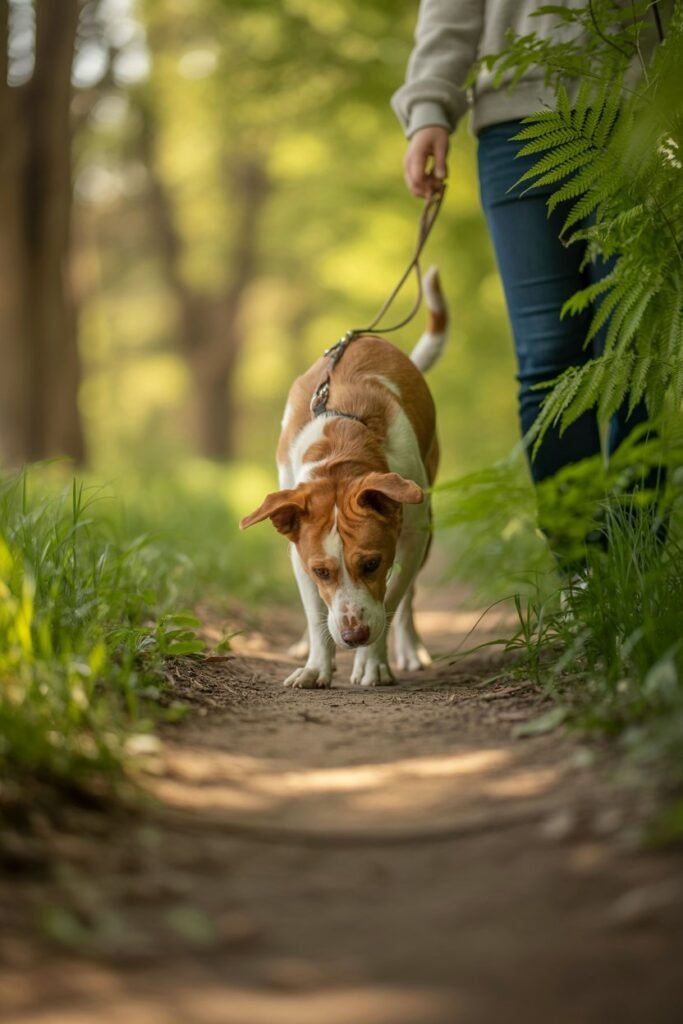
Sometimes we think stimulation has to be complicated. But one of the easiest ways to engage your dog’s brain is simply changing the scenery.
Walk a new street.
Visit a different park.
Let him sniff longer instead of rushing him.
Novel environments create new smells, sounds, textures, and visual input. That sensory processing is mental work.
Sniffing alone activates a huge portion of a dog’s brain. In fact, scent processing is one of their most dominant neurological functions.
Instead of thinking, “We need to walk farther,” try thinking, “We need to walk differently.”
A slow, sniff-heavy walk can be more enriching than a long power walk.
17. Teach a Complex Trick Sequence
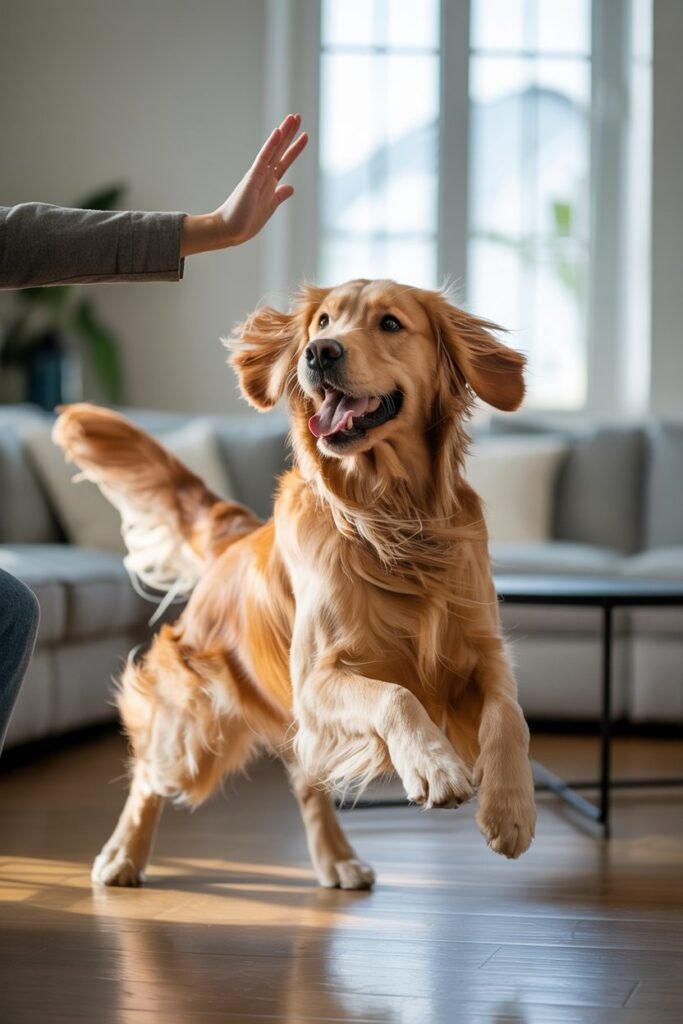
Single tricks are great.
But chaining tricks together? That’s advanced brain engagement.
For example:
- Sit → Spin → Down → Paw
- Jump → Turn → Bow
- Weave → Sit → Stay
When you combine behaviors into a sequence, your dog has to remember patterns and anticipate cues.
This strengthens:
- Focus
- Memory
- Listening skills
- Impulse control
Start with two behaviors he already knows. Gradually add more.
You’ll notice him watching you more carefully, waiting for the next instruction.
That attentive focus is a sign his brain is working beautifully.
18. Scent Trail Tracking Game
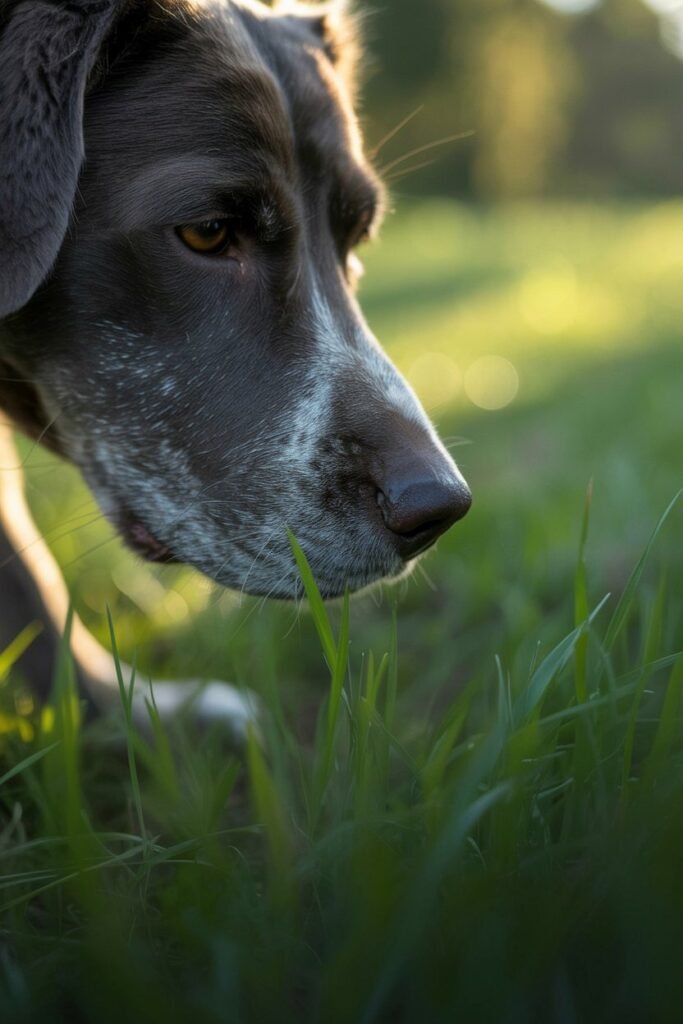
This one taps deeply into natural instinct.
Take a treat and drag it lightly across the ground (yard or safe indoor area), creating a short scent trail. Place the treat at the end.
Then bring your dog to the starting point and encourage him to follow the scent.
At first, make the trail short and simple.
As he improves, you can:
- Add turns
- Increase distance
- Create light distractions
Tracking uses intense concentration. It’s mentally draining in the best possible way.
For breeds originally developed for tracking or hunting, this type of game feels incredibly fulfilling.
19. Interactive Problem-Solving Toys
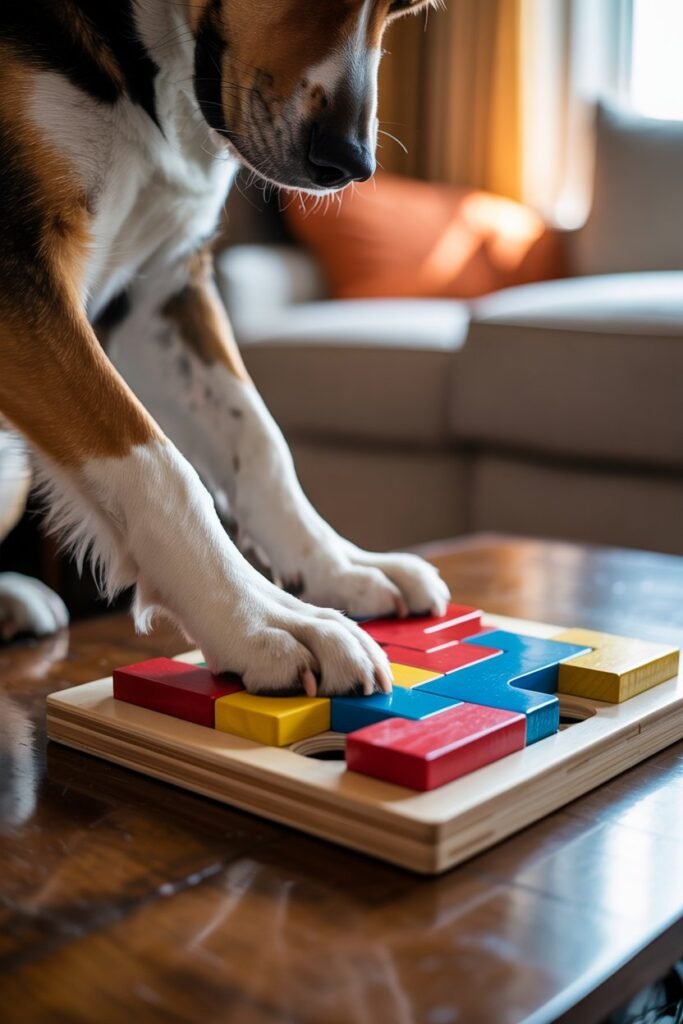
Some days you just need structured enrichment.
Interactive toys designed for problem-solving are wonderful because they:
- Require sliding pieces
- Involve lifting compartments
- Demand paw and nose coordination
You can gradually increase difficulty as your dog learns how they work.
Just remember: introduce new puzzles slowly. If it’s too hard too fast, frustration replaces enrichment.
I always sit nearby during the first few attempts to gently guide and encourage. That support builds confidence.
20. “Wait” Games for Impulse Control
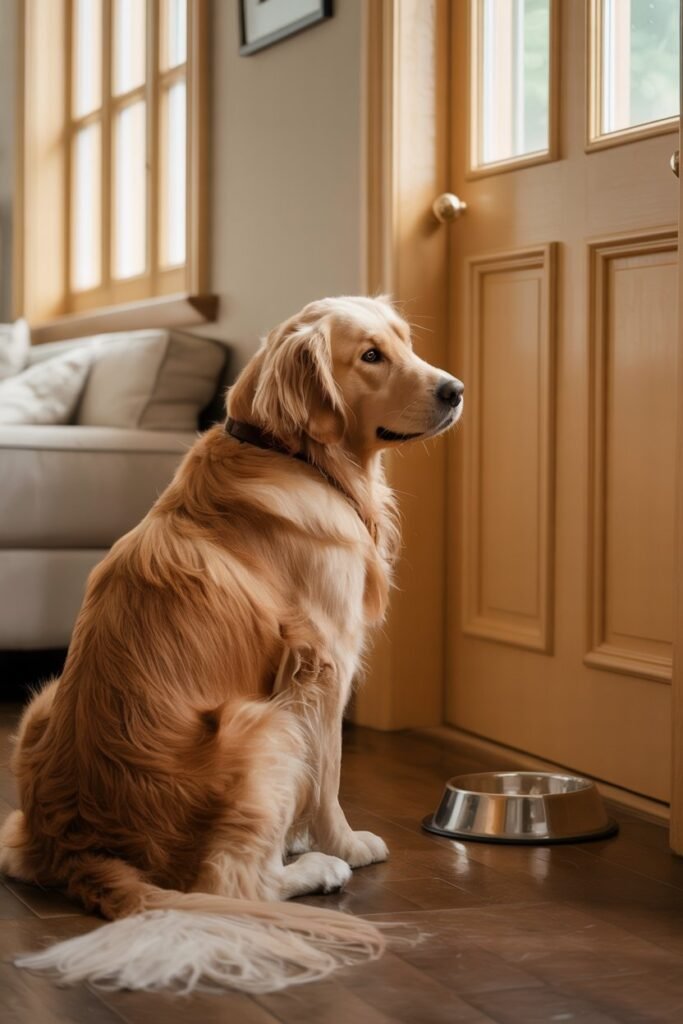
Impulse control is mental gold.
Teach your dog to wait before:
- Going out the door
- Eating dinner
- Getting a toy thrown
- Jumping out of the car
Ask for eye contact before releasing him.
That small pause forces him to think instead of react.
It teaches emotional regulation which is deeply mentally stimulating.
And over time, you’ll notice fewer impulsive behaviors around the house.
21. Give Him a Job
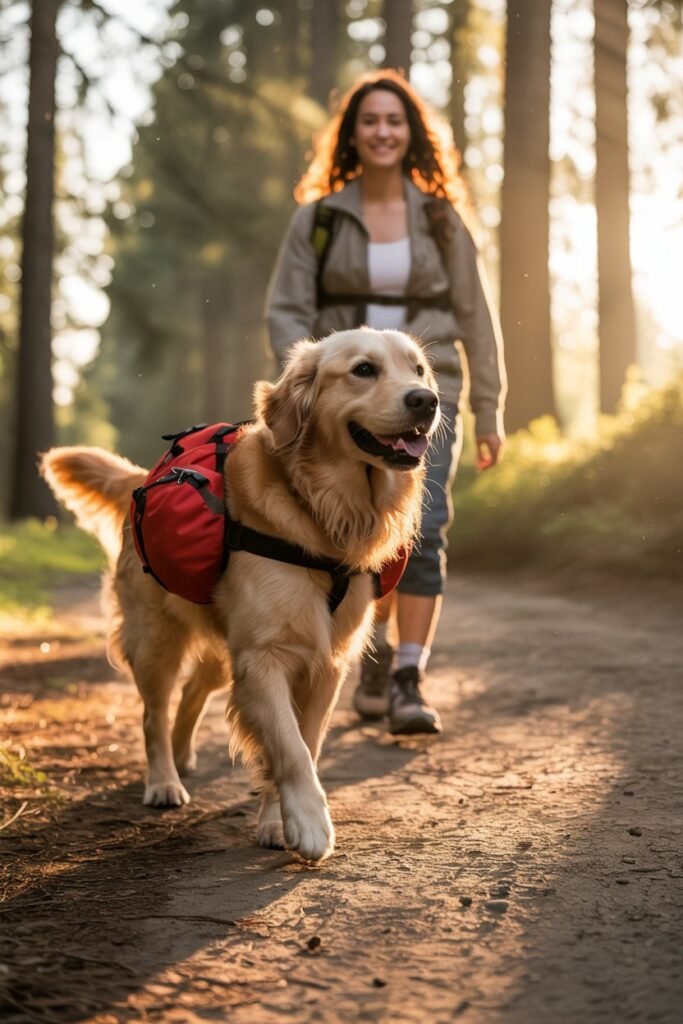
This is one of my absolute favorites.
Dogs were bred to work. Even companion breeds thrive when they feel useful.
Simple “jobs” might include:
- Carrying a small dog-safe backpack on walks
- Bringing in a toy
- Picking up laundry (with training)
- Delivering safe items from one room to another
You can even teach him to:
- Close a cabinet door
- Ring a bell to go outside
- Put toys back in a basket
When dogs have responsibility, something shifts in them.
They stand a little taller.
They focus a little harder.
They seem… proud.
And honestly, watching your dog feel capable is one of the most rewarding things in the world.
A Gentle Reminder Before You Go
You do not need to do all 21 of these every day.
Even adding:
- One scent game
- One short training session
- One enrichment meal
can completely transform your dog’s mood and behavior.
Mental stimulation doesn’t require perfection.
It requires presence.
It requires you choosing, even for 10 minutes, to engage your dog’s mind intentionally.
And when you do?
You’ll notice the difference.
A calmer home.
A more confident dog.
A deeper bond between the two of you.
That’s the real magic of mental stimulation