Training your dog doesn’t have to feel overwhelming or complicated. With a structured plan and a bit of consistency, you can transform even the most distracted pup into a well-behaved companion.
This seven-day guide breaks things down into clear, easy-to-follow steps that focus on patience, communication, and trust not punishment or pressure.
Whether you’ve just brought home a new puppy or want to help your older dog brush up on manners, this plan will give you a solid foundation for success.
Each day builds on the last, helping your dog gain confidence while strengthening your bond.
Day 1: Building Trust and Setting the Foundation
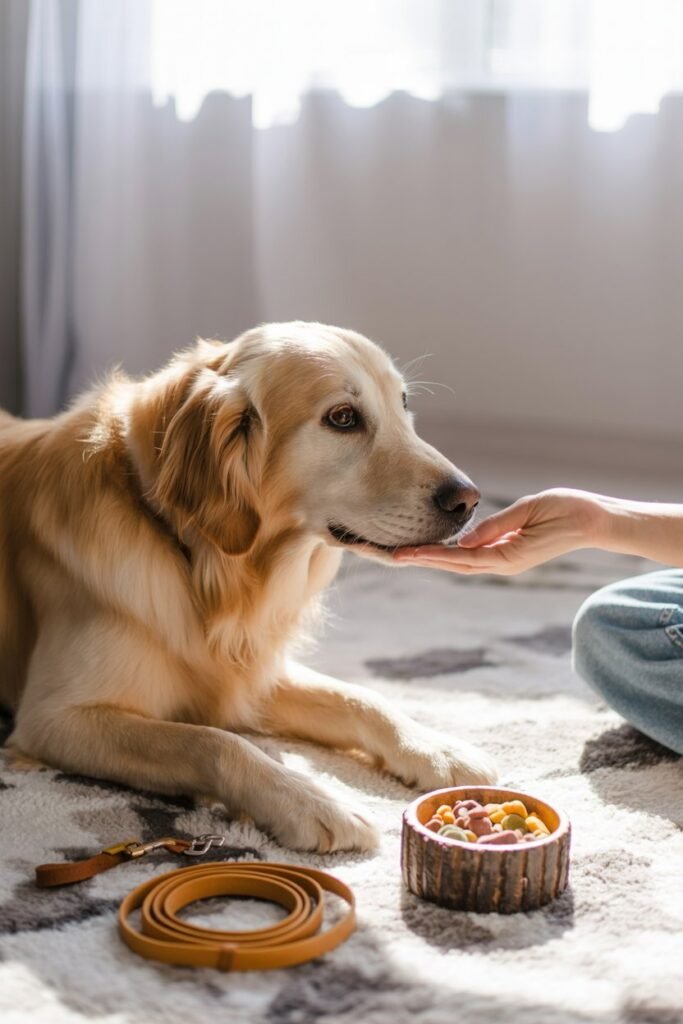
Before diving into commands or tricks, it’s important to start with connection. A dog that trusts you will learn faster, listen better, and feel more secure.
Materials Needed:
- A quiet space free from distractions
- Soft treats or small pieces of cooked chicken
- Leash or harness
- Patience and positive energy
Instructions:
Spend the first day simply getting to know your dog’s cues and comfort levels. Let them approach you, sniff, and explore the training area.
When your dog looks at you or comes toward you, reward them immediately with praise and a treat.
Practice saying their name in a warm tone, followed by a treat each time they respond. This builds the association that their name means something good is about to happen.
Pro Tip:
“End the first session while your dog is still having fun short, positive experiences will build enthusiasm for the next session.”
Day 2: Teaching Focus and Attention

Now that trust is established, it’s time to get your dog to focus on you even when there are distractions.
Materials Needed:
- Treat pouch
- Leash
- A quiet but slightly busier environment (like the backyard)
Instructions:
Hold a treat near your face and say “look” or “watch me.” The moment your dog makes eye contact, reward and praise them. Repeat in short bursts throughout the day, slowly increasing how long they must maintain eye contact before earning the reward.
If your dog gets distracted, gently call their name to bring their focus back.
Pro Tip:
“Keep training sessions under five minutes at first focus training is mentally tiring and should feel rewarding, not frustrating.”
Day 3: The Sit Command

Sit is one of the simplest and most useful commands your dog will ever learn. It’s a great way to reinforce calm behavior and control excitement.
Materials Needed:
- Treats
- Leash (optional for guidance)
Instructions:
Hold a treat just above your dog’s nose and slowly move it upward. As their head tilts back to follow the treat, their body will naturally lower into a sitting position. The moment they sit, say “sit,” and reward immediately.
Repeat several times, adding the verbal cue “sit” a split second before they start to lower. Once your dog responds consistently, phase out the treat lure and use praise instead.
Pro Tip:
“Never force your dog into position guide with treats, patience, and clear repetition.”
Day 4: The Stay Command

Teaching your dog to stay helps build impulse control and can prevent dangerous situations.
Materials Needed:
- Treats
- Leash
- Calm environment
Instructions:
Ask your dog to sit. Open your hand like a stop sign and say “stay.” Take one small step back. If your dog stays in position for even one second, step forward, praise, and reward. Gradually increase the distance and duration before rewarding.
If your dog breaks the stay, simply reset them gently and try again. Avoid scolding, the goal is calm, confident learning.
Pro Tip:
“Always release your dog with a cue like ‘okay’ so they learn when the command ends.”
Day 5: The Come Command (Recall)

A solid recall can literally save your dog’s life. This command teaches them that coming when called always leads to something positive.
Materials Needed:
- Long leash or secure fenced area
- High-value treats (chicken, cheese, or freeze-dried liver)
Instructions:
Start with your dog a few feet away. Say their name followed by “come!” in an upbeat tone, then crouch down slightly to look inviting.
As soon as they move toward you, shower them with praise and reward generously when they reach you.
Never call your dog to come for something unpleasant (like ending playtime). Keep it positive so they always associate “come” with good things.
Pro Tip:
“Practice recall frequently even indoors to keep the command strong and reliable.”
Day 6: The Down Command

Down helps your dog relax and teaches impulse control. It’s also useful for managing excitement around guests or during stressful situations.
Materials Needed:
- Treats
- Comfortable training surface (rug or mat)
Instructions:
Ask your dog to sit, then hold a treat near their nose and slowly lower it to the floor. Move it forward along the ground so they naturally slide into a lying position. Once they’re fully down, say “down,” and reward.
If your dog resists, stay patient and avoid pushing them down use a slow motion with the treat to guide them naturally.
Pro Tip:
“Use this command to help your dog settle during family time or when visitors arrive.”
Day 7: Combining Commands and Practicing Consistency

The final day ties everything together. By now, your dog understands several core commands, and it’s time to combine them for real-world practice.
Materials Needed:
- Treats or clicker
- Familiar training space
Instructions:
Run through all the commands you’ve taught: sit, stay, come, and down. Begin mixing them up — for example, “sit,” then “stay,” then “come.” This keeps your dog mentally engaged and sharpens their ability to listen even when commands change quickly.
End your session with praise and playtime. Celebrate progress rather than expecting perfection.
Pro Tip:
“Consistency is everything. A few minutes every day builds far more success than one long weekly session.”
Troubleshooting Common Training Challenges
Every dog learns differently. If things aren’t going as planned, don’t worry small adjustments can make a big difference.
- If your dog loses interest: Shorten sessions or use higher-value treats.
- If they get anxious or distracted: Train in a quieter space until they gain confidence.
- If commands fade over time: Reinforce occasionally with rewards to keep them sharp.
Pro Tip:
“Training is never about control it’s about communication. When your dog understands what you’re asking, they’ll want to listen.”
Maintaining Good Habits
After your seven-day plan, keep practicing daily in small doses. Add new challenges like longer stays, outdoor recalls, or leash manners.
The more variety you introduce, the more your dog will stay focused and eager to learn.
Remember, your energy sets the tone. Stay calm, reward progress, and treat every training session as a moment to connect not correct.
Final Thoughts
Training your dog isn’t just about commands; it’s about building trust, understanding, and a shared rhythm between you.
Over the course of seven days, you’ll not only teach valuable skills but also create a language of respect that strengthens your bond for life.
Keep sessions short, end on a positive note, and celebrate small wins along the way. Progress doesn’t always happen overnight, but with patience and consistency, you’ll see your dog transform right before your eyes confident, attentive, and truly in tune with you.