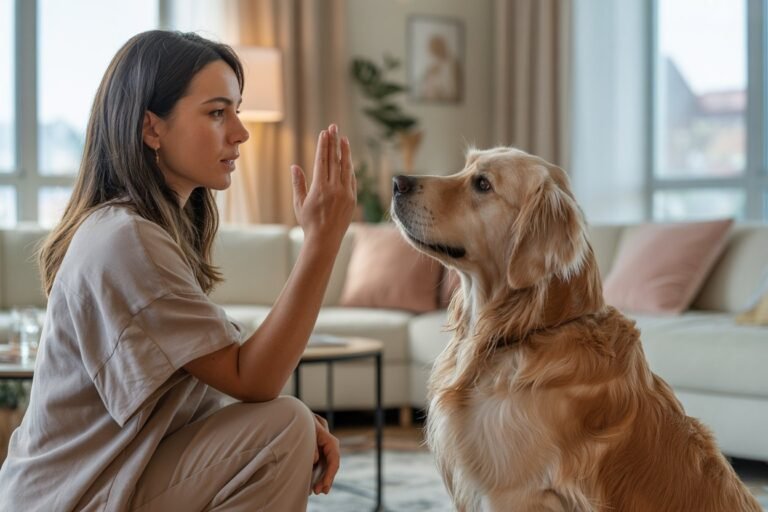
3 Things You Can Do Now to Teach Your Dog to Come Every Time You Call.
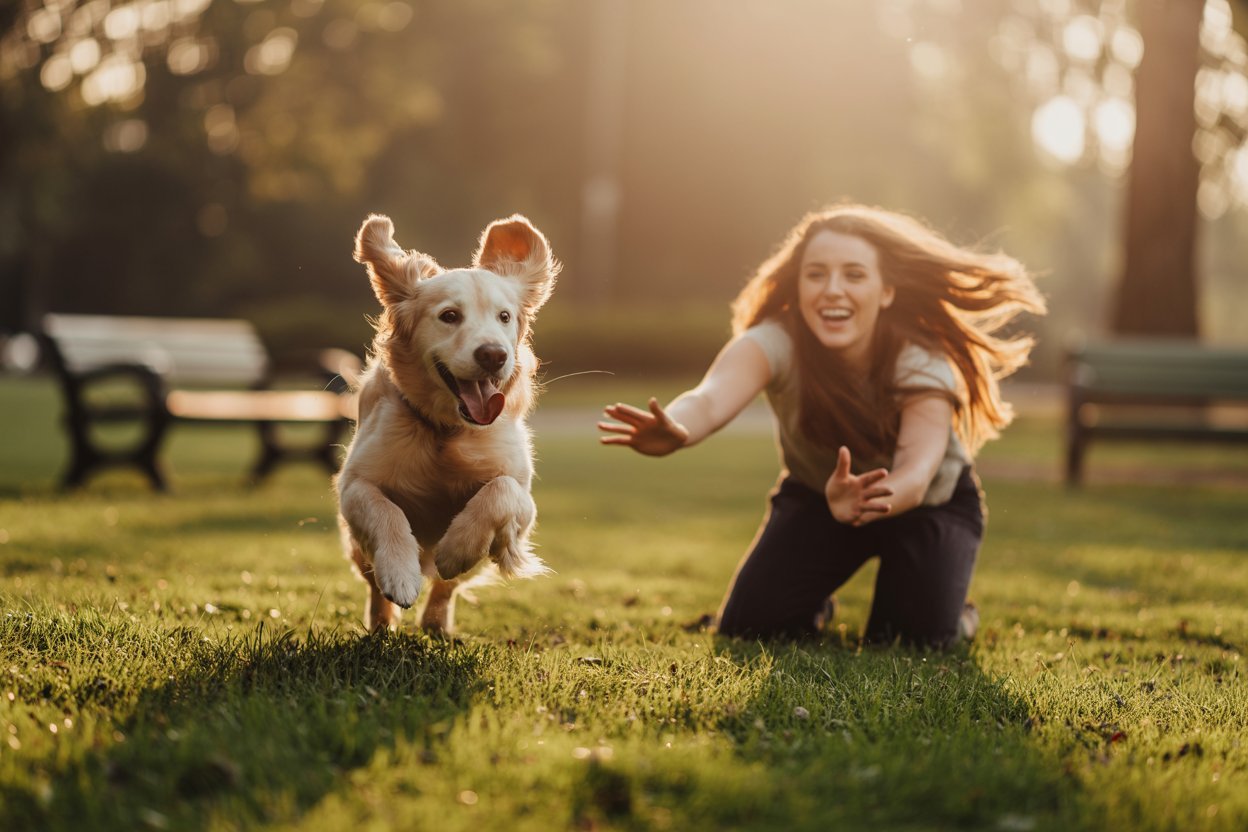
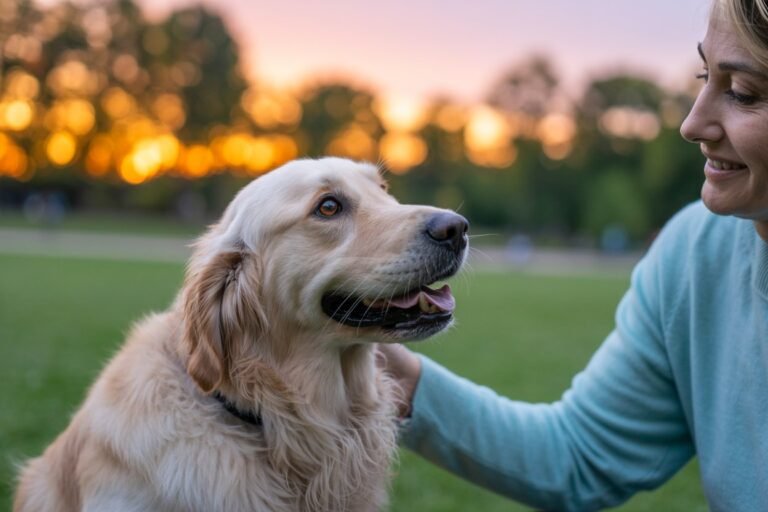
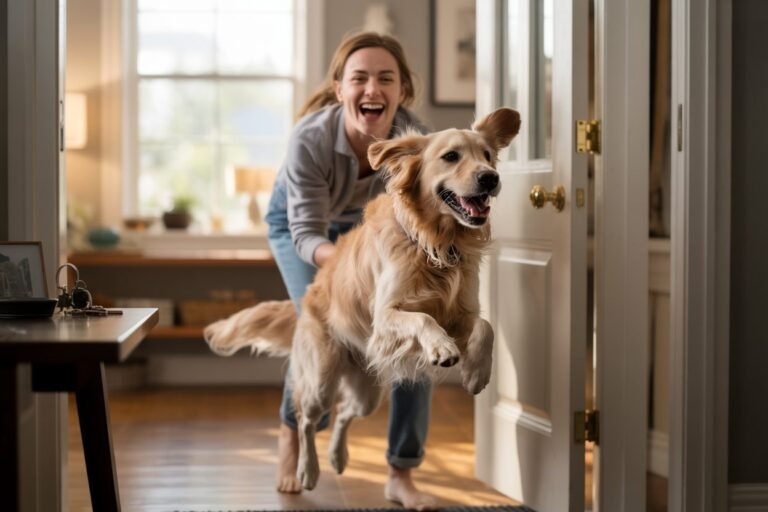
Calling your dog and watching them happily run straight into your arms is one of the sweetest moments of having a dog.
Yet many of us have experienced the opposite: you call your pup’s name, and suddenly they become very interested in a leaf, a smell, or literally anything except you.
I remember standing in my yard calling my dog over and over, wondering why such a simple command felt impossible. The truth is, recall training is not about yelling louder or repeating commands.
It is about building trust, excitement, and consistency. With a few simple changes, you can teach your dog to come every single time.
Join me on this 3 Things You Can Do Now to Teach Your Dog to Come Every Time You Call.
Why Recall Training Is One of the Most Important Skills Your Dog Can Learn
Before we dive into the three things you can start doing today, let’s talk about why recall training matters so much.
Teaching your dog to come when called is not just about obedience. It is about safety, trust, and communication between you and your dog.
A strong recall can:
• Prevent your dog from running into traffic
• Stop them from chasing wildlife
• Protect them from dangerous situations
• Give them more freedom during walks and playtime
• Strengthen your bond as a team
Imagine taking your dog to a park and confidently letting them explore because you know they will come back the moment you call. That feeling of peace and trust is what recall training gives you.
Unfortunately, many dogs struggle with recall because they have accidentally been trained to ignore it.
Common mistakes include:
• Calling your dog only when playtime ends
• Using an angry tone when they come
• Repeating the command too many times
• Not rewarding them for coming
Dogs learn through association. If coming to you ends the fun or leads to scolding, they will naturally hesitate.
The good news is that recall is one of the easiest behaviors to fix once you understand how dogs learn.
Let’s walk through three powerful things you can start doing today to help your dog come every time you call.
1: Make Coming to You the Best Part of Your Dog’s Day
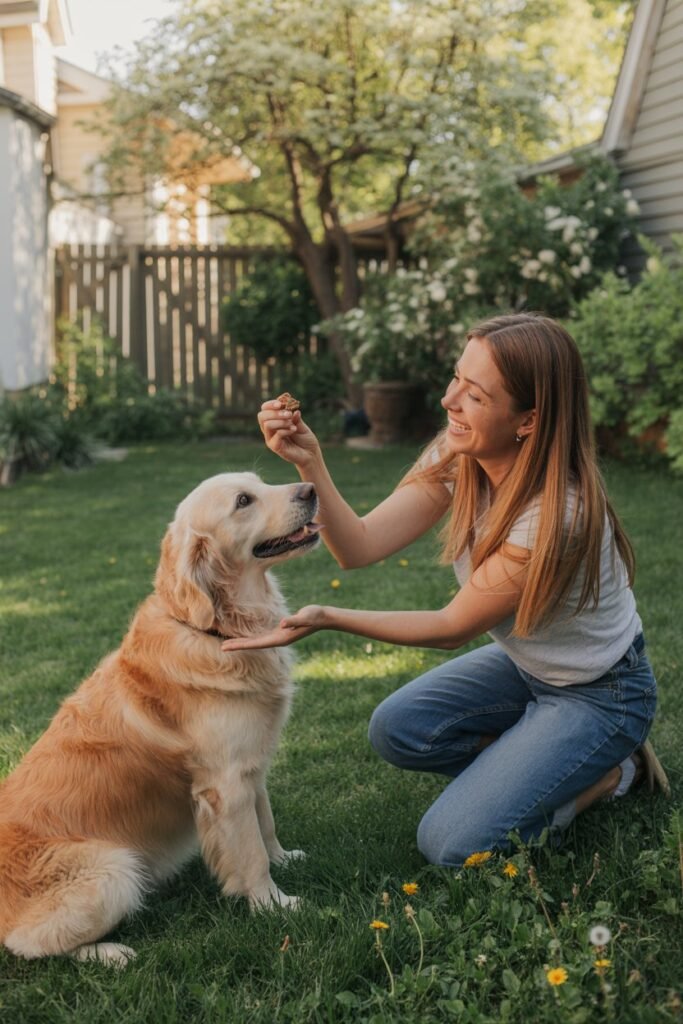
If you want your dog to come every time you call, you need to become the most exciting thing in their world.
Dogs naturally move toward what feels rewarding.
If sniffing grass, chasing squirrels, or playing with other dogs feels more fun than coming to you, your dog will choose those things instead.
Your job is to make coming to you incredibly rewarding.
Why Motivation Matters
Think of recall like a paycheck.
If you worked at a job that never paid you, how motivated would you be to show up?
Dogs feel the same way.
If coming when called never brings rewards, they stop seeing the point.
But when good things happen every time they come to you, their brain starts to associate your call with excitement.
Use High-Value Rewards
Not all treats are equal in your dog’s eyes.
Some treats are just okay, while others are irresistible.
For recall training, you want the irresistible ones.
Examples of high-value rewards:
• Small pieces of chicken
• Cheese cubes
• Freeze-dried liver
• Hot dog slices
• Special training treats your dog loves
Use these only for recall so they stay special.
When your dog hears your recall cue, they should think:
“Something amazing is about to happen!”
Add Praise and Affection
Food rewards are powerful, but emotional rewards matter too.
Many dogs love:
• Excited praise
• Belly rubs
• Playtime
• Tug toys
• A quick game of fetch
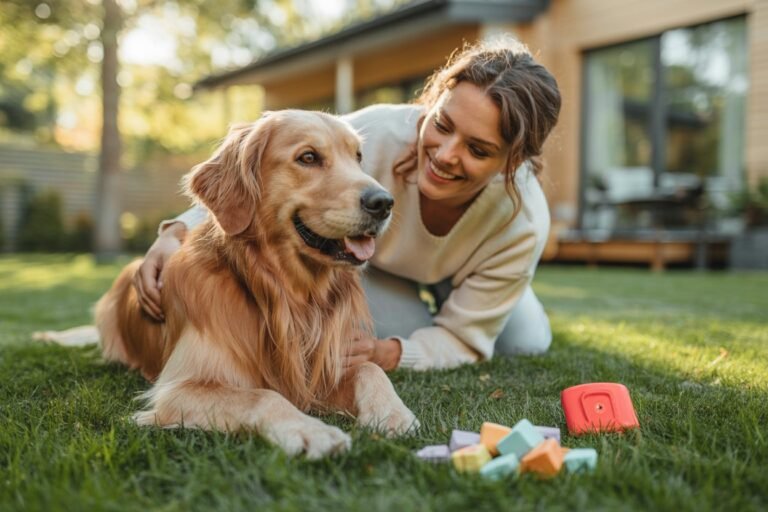
Combine these with treats to make the moment extra rewarding.
Turn Recall Into a Party
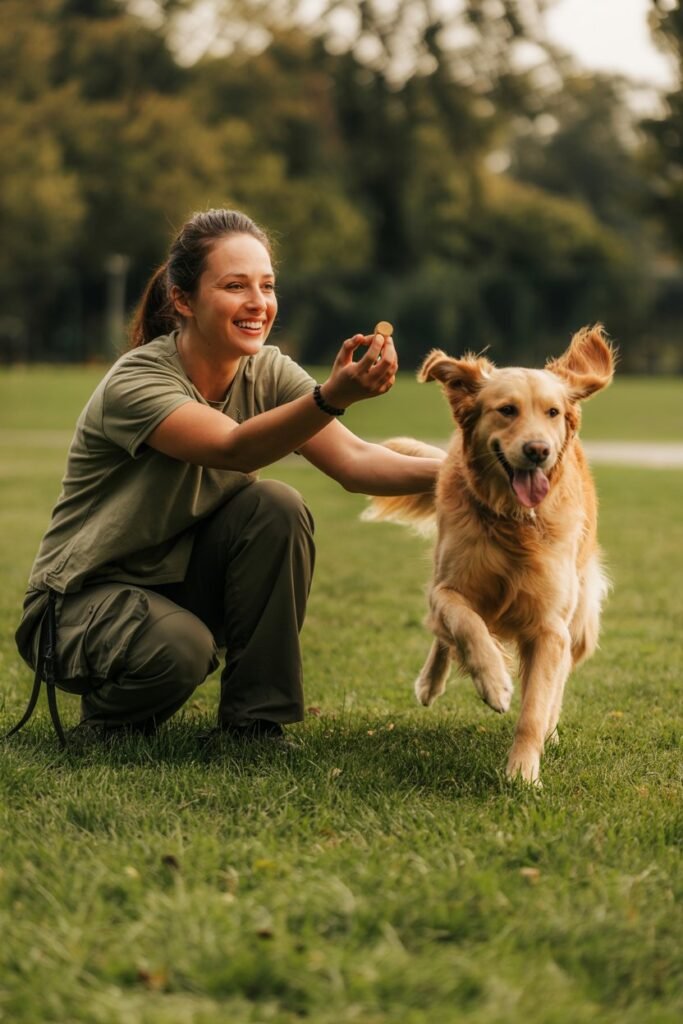
When your dog runs to you, celebrate.
Yes, really.
Use a happy voice, kneel down, clap your hands, and make the moment joyful.
Your dog will start to think:
“Every time I go to my human, something fun happens!”
Avoid Punishing Your Dog After They Come
This mistake happens more often than people realize.
Imagine calling your dog after they escape the yard.
They finally come back… and you scold them.
Your dog does not think:
“I got in trouble for running away.”
Instead they think:
“I got in trouble for coming to you.”
Always reward your dog for coming, even if it took a while.
2: Stop Repeating the Command and Use One Clear Recall Cue
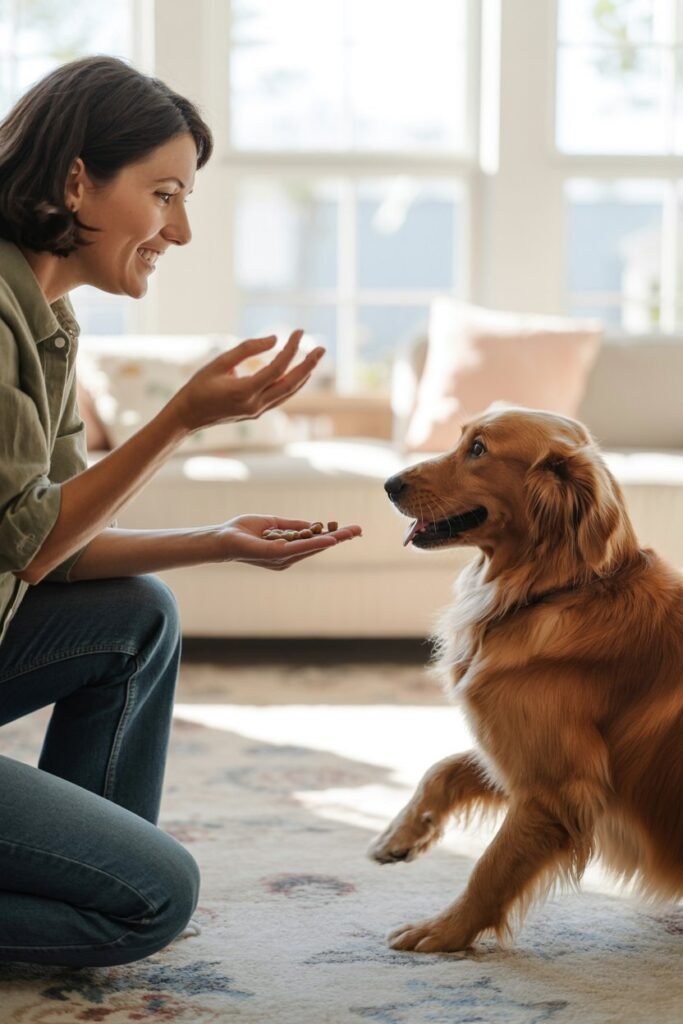
Many dogs ignore recall because the command has lost its meaning.
If your dog hears:
“Buddy come… Buddy come… BUDDY COME… COME HERE!”
They learn something important.
They learn the first call does not matter.
The command only becomes real after the fifth or sixth time.
This is why using one clear recall cue is so important.
Choose a Recall Word
Your recall cue should be simple and consistent.
Examples include:
• “Come”
• “Here”
• “Front”
• Your dog’s name followed by “come”
Once you choose a cue, stick with it.
Everyone in your household should use the same word.
Consistency helps your dog learn faster.
Say It Once
A good rule is simple:
Say the recall cue once.
Then wait.
If your dog does not respond, guide them rather than repeating the word.
For example:
• Move backward
• Clap your hands
• Make happy noises
• Use a treat to lure them
The goal is to help them succeed without teaching them that commands can be ignored.
Practice Recall Indoors First
Training should always start in a low-distraction environment.
Your living room is the perfect place to begin.
Start with short distances.
Call your dog from across the room.
Reward immediately when they reach you.
Repeat several times a day in quick, fun sessions.
Gradually Increase Distance
Once your dog responds consistently indoors, increase the challenge.
Practice in:
• The backyard
• A quiet park
• A long training field
Each step adds new distractions, so take your time.
Keep Training Sessions Short
Dogs learn best with short, positive sessions.
Aim for:
• 5–10 minutes
• 2–3 times per day
Ending on a successful note keeps your dog eager to train again.
3: Practice Recall in Real-Life Situations (Not Just Training Sessions)
Many dogs perform beautifully during training sessions but suddenly forget everything at the park.
This happens because the dog has not learned that recall applies everywhere.
Training must move beyond practice drills and into real-life situations.
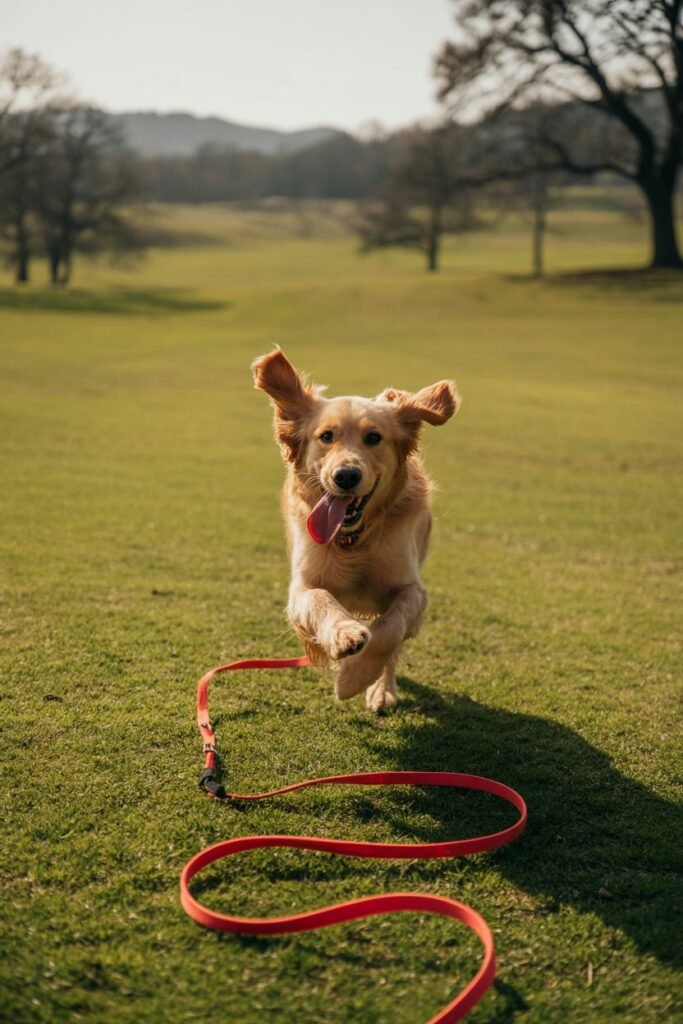
Use a Long Training Leash
A long leash (15–30 feet) is one of the best recall training tools.
It allows your dog to explore while still giving you control.
If your dog ignores the recall cue, you can gently guide them toward you using the leash.
This prevents them from learning that ignoring you works.
Practice During Walks
Walks offer many natural training opportunities.
Call your dog randomly during the walk.
Reward them when they return to you.
Then release them again.
This teaches your dog something powerful:
Coming when called does not always end the fun.
Sometimes it means the adventure continues.
Play Recall Games
Games make training exciting and memorable.
Try these simple recall games.
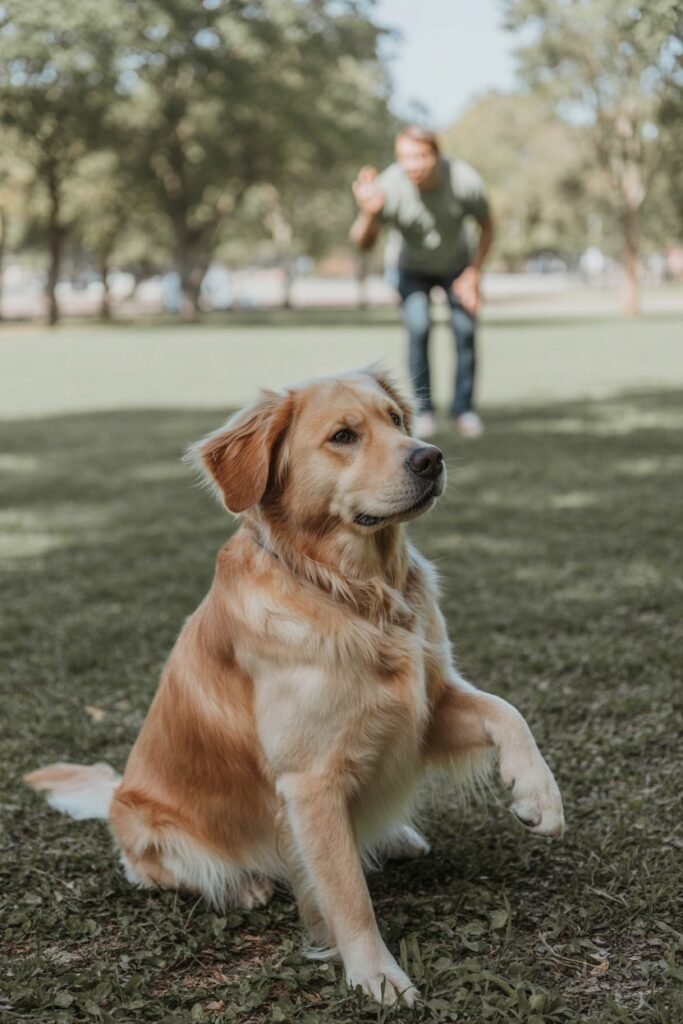
The Ping-Pong Game
Two people stand across from each other.
Take turns calling the dog.
Reward every successful recall.
Dogs love the movement and attention.
Hide and Seek
Hide somewhere in your house or yard.
Call your dog.
When they find you, celebrate and reward them.
This game strengthens recall and encourages your dog to seek you out.
Chase Me
Instead of chasing your dog, run away from them.
Dogs love chasing moving targets.
Call their name and run in the opposite direction.
They will naturally follow.
Practice Around Distractions
Once your dog understands recall, begin practicing around mild distractions.
Examples include:
• Another family member walking nearby
• Toys on the ground
• Mild outdoor noises
Gradually increase difficulty over time.
The goal is to build a recall that works even when life gets exciting.
Common Recall Training Mistakes to Avoid
Even loving dog owners sometimes make small training mistakes that confuse their dogs.
Here are a few things to watch out for.
Calling Your Dog Only When Something Fun Ends
If recall always leads to:
• Bath time
• Leaving the park
• Going inside
Your dog may begin avoiding you.
Balance this by sometimes calling your dog, rewarding them, and letting them return to play.
Using an Angry Tone
Dogs respond much better to happy energy.
Even if you feel frustrated, keep your tone upbeat.
Your dog should feel excited when they hear their recall cue.
Skipping Rewards Too Soon
Many owners stop rewarding too early.
Even once your dog is reliable, continue rewarding randomly.
This keeps recall strong for life.
How Long Does Recall Training Take?
Every dog learns at their own pace.
Factors that influence training include:
• Age
• Breed
• Personality
• Previous training history
• Consistency from the owner
Some dogs improve within a few weeks.
Others may take several months to build a rock-solid recall.
The key is patience and consistency.
Small daily practice sessions create big results over time.
Signs Your Dog’s Recall Is Improving
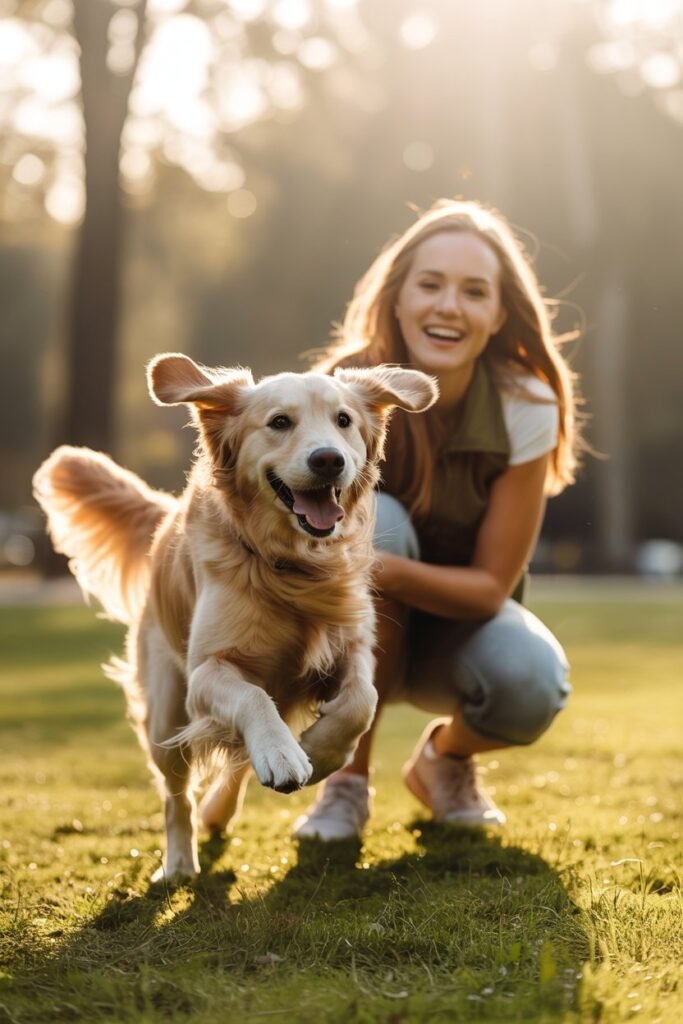
You will start noticing small but exciting changes as your dog learns.
Watch for signs like:
• Turning toward you immediately when called
• Running faster each time
• Checking in with you during walks
• Responding even when distracted
These little victories show that your training is working.
Celebrate them.
When to Seek Professional Help
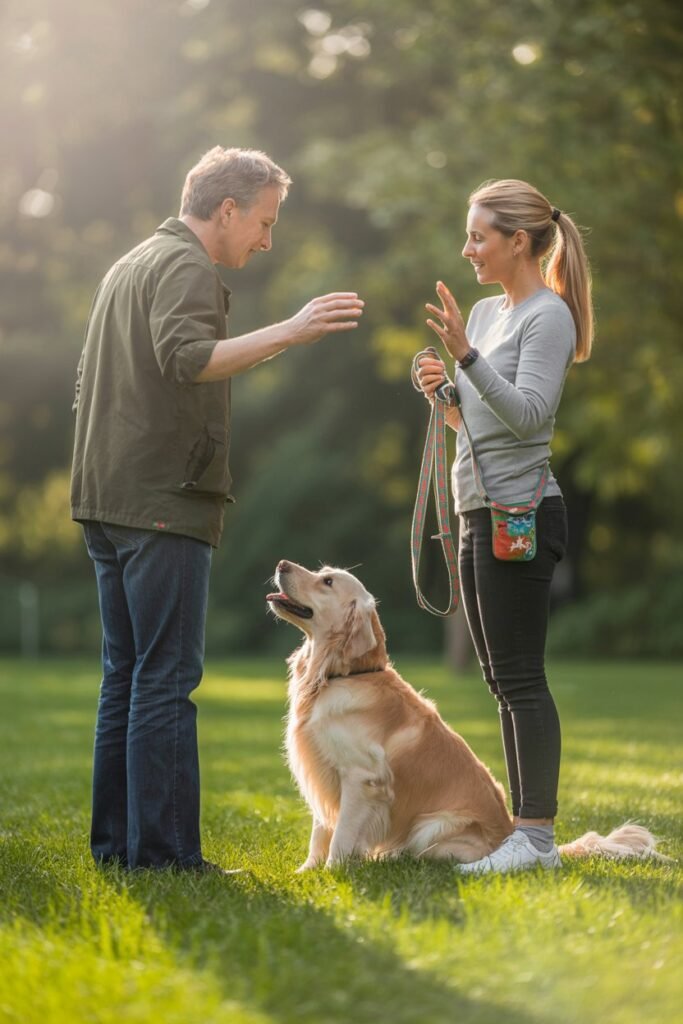
Most dogs can learn recall with consistent practice.
However, some situations may benefit from a professional trainer.
Consider extra help if:
• Your dog has a strong prey drive
• They run away frequently
• They ignore recall in dangerous situations
• You feel stuck or frustrated
A trainer can personalize techniques for your dog’s personality and environment.
Final Thoughts: Building a Recall Your Dog Loves
Teaching your dog to come when called is not about control.
It is about creating a relationship where your dog wants to come back to you.
When coming to you always leads to rewards, praise, and positive experiences, recall becomes something your dog happily chooses.
Remember the three most important things you can start doing today:
- Make coming to you incredibly rewarding
- Use one clear recall cue and avoid repeating it
- Practice recall in real-life situations
With patience, consistency, and a little bit of excitement, you will start seeing those joyful moments where your dog runs toward you the moment you call.
And honestly, few things feel better than that happy tail wag racing in your direction.