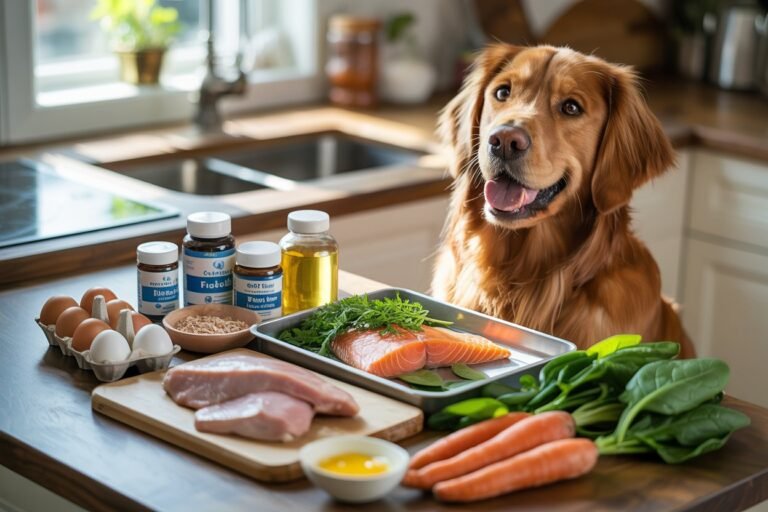
Foods Dogs Can (and Absolutely Can’t) Eat: A Complete Guide for Worried Pet Parents
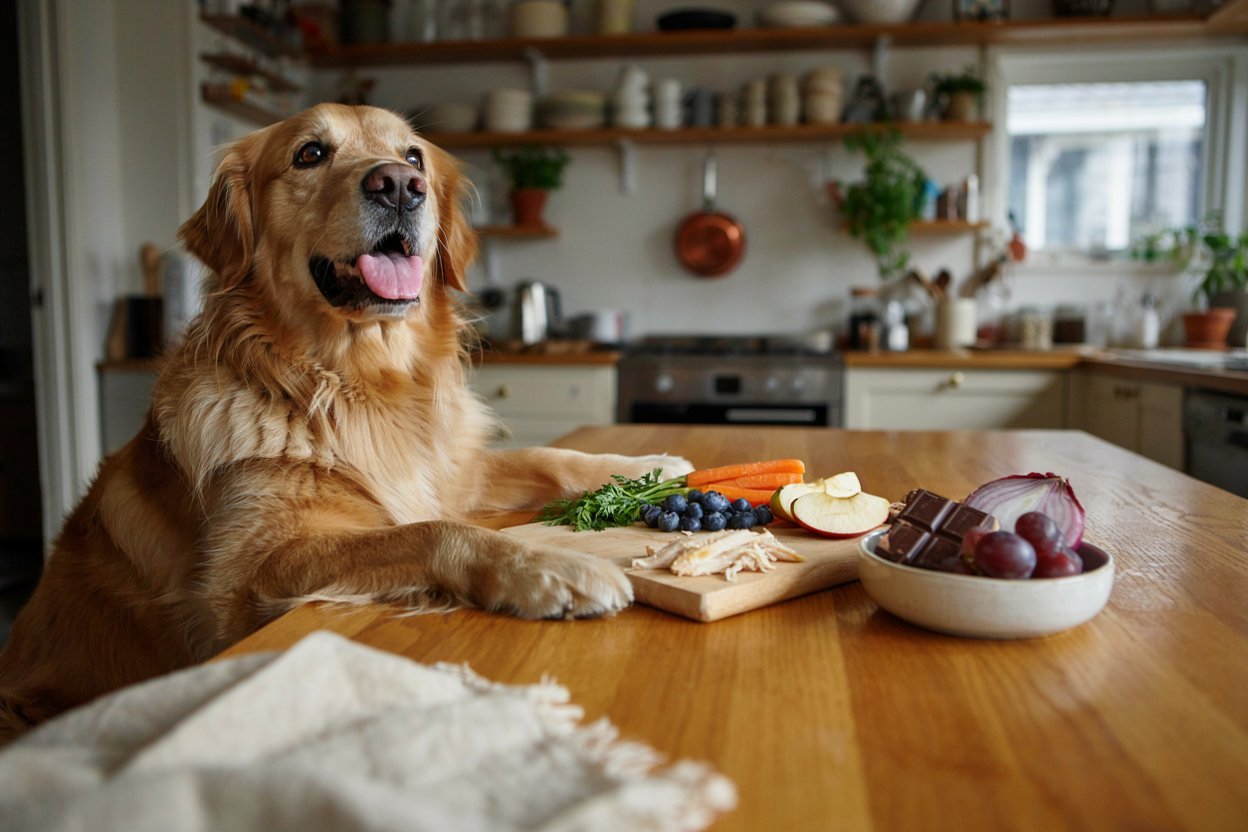
If you’ve ever felt those big puppy eyes staring you down at the dinner table, you already know how hard it is to say no.
Maybe you’ve wondered whether that little piece of cheese or slice of apple is actually okay, or whether you’re one bite away from a midnight emergency vet visit.
I’ve been there too, standing in the kitchen with a carrot in one hand and my phone in the other, googling “can dogs eat this” faster than I’d like to admit. The truth is, feeding our dogs isn’t always as simple as tossing them whatever we’re having.
Some human foods are genuinely great for them, while others can be dangerous or even deadly. So let’s break it all down together, one food at a time, so you can feel confident about what goes into your dog’s bowl.
Why This Actually Matters
Dogs are curious, food-driven creatures. They’ll sniff, lick, and taste just about anything that hits the floor, and their digestive systems are simply not built the same way ours are.
What’s harmless to us can trigger anything from mild stomach upset to organ failure in a dog. Knowing which foods are safe and which are dangerous isn’t just a fun bit of trivia, it’s a core part of responsible pet ownership.
This guide is meant to be the one you bookmark, so you always have somewhere to turn before you share your snack.
Foods Dogs CAN Eat (and Why They’re Actually Good for Them)

1. Carrots
Carrots are one of the best low-calorie snacks you can give your dog. They’re packed with beta-carotene, which converts to vitamin A and supports eye health, immune function, and skin condition.
The natural crunch is also great for your dog’s teeth, helping to scrape away plaque as they chew. Best of all, carrots are low in calories, making them a smart treat for dogs who need to watch their weight.
2. Blueberries
These tiny berries are a superfood for dogs, just like they are for us. Blueberries are loaded with antioxidants that help fight cell damage and support brain health, especially in senior dogs.
They’re also a good source of fiber and vitamin C. Because they’re small and low in sugar compared to other fruits, they make an excellent training treat.
3. Plain Cooked Chicken
Skinless, boneless, plain cooked chicken is a fantastic source of lean protein. It’s gentle on the stomach, which is why many vets recommend a bland chicken-and-rice diet for dogs recovering from an upset tummy.
Protein supports muscle maintenance, coat health, and overall energy levels. Just be sure it’s unseasoned, since garlic, onion powder, and heavy spices are harmful to dogs.
4. Pumpkin (Plain, Not Pie Filling)
Plain canned or cooked pumpkin is a go-to remedy for digestive troubles because it’s rich in soluble fiber, which helps firm up loose stools and can also relieve constipation.
It’s low in calories and full of nutrients like vitamin A and potassium. Just make sure it’s pure pumpkin, not the pie filling version loaded with sugar and spices.
5. Apples (No Seeds or Core)
Apples are a crunchy, refreshing treat that’s high in vitamins A and C and a good source of fiber. They’re also low in fat and protein, making them a nice option for senior dogs.
The catch is the seeds, which contain small amounts of cyanide-producing compounds, and the core, which is a choking hazard. Slice it up and remove those parts before sharing.
6. Peanut Butter (Xylitol-Free)
Plain peanut butter, in moderation, is a beloved treat for dogs because it’s rich in healthy fats and protein, and most dogs simply go wild for the taste. It’s often used to hide pills or fill puzzle toys.
The important caveat here is checking the label carefully. Some peanut butters, especially “natural” or sugar-free varieties, contain xylitol, an artificial sweetener that is extremely toxic to dogs, so always double-check before sharing a spoonful.
7. Plain Yogurt
Plain, unsweetened yogurt with live active cultures can be a great source of probiotics, supporting healthy digestion and gut flora. It also provides calcium and protein.
Avoid flavored or sweetened yogurts, since added sugar and artificial sweeteners can cause problems, and steer clear if your dog has known dairy sensitivities.
8. Sweet Potatoes
Cooked, plain sweet potatoes are a wonderful source of dietary fiber, vitamin A, vitamin C, and manganese. They support digestive health and are often used as an ingredient in dog foods for dogs with grain sensitivities.
Always serve them cooked and unseasoned, never raw, since raw sweet potato can be tough to digest and pose a choking risk.
9. Green Beans
Plain green beans, whether steamed, boiled, or raw, are low in calories and high in fiber, vitamins, and minerals. Many vets recommend them as a weight-management treat because dogs can eat a good amount without taking in too many calories.
They’re crunchy and satisfying, which makes them a favorite substitute for less healthy store-bought treats.
10. Salmon (Cooked, Boneless)
Cooked salmon is an excellent source of omega-3 fatty acids, which support skin and coat health, reduce inflammation, and can benefit joint health in older dogs. Always make sure it’s fully cooked with no bones, since raw fish can carry parasites and bones present a choking and internal injury risk.
11. Eggs (Fully Cooked)
Cooked eggs are a fantastic protein source, packed with essential amino acids, riboflavin, and selenium.
They’re easy to digest and can even help settle an upset stomach. Just make sure eggs are fully cooked, since raw eggs carry a small risk of salmonella and can interfere with biotin absorption over time.
12. Watermelon (Seedless, No Rind)
Watermelon is over ninety percent water, making it a hydrating, low-calorie summer treat. It’s rich in vitamins A, C, and B6, along with potassium.
Just remove the seeds, which can cause blockages, and the rind, which is difficult to digest and can lead to gastrointestinal upset.
13. Oatmeal (Plain, Cooked)
Plain cooked oatmeal is a good source of soluble fiber and can be a nice option for dogs with wheat allergies or sensitive stomachs. It also contains vitamin B and iron. Just serve it plain, with no added sugar, flavoring, or butter.
14. Cheese (In Moderation)
Small amounts of plain cheese can be a great high-value training treat because most dogs find it irresistible. It’s a good source of protein and calcium. However, many dogs are lactose intolerant, so it’s best offered in small quantities, and low-fat options are gentler on the digestive system.
Foods Dogs CANNOT Eat (and the Real Reasons Why)

1. Chocolate
This is probably the most well-known danger, and for good reason. Chocolate contains theobromine and caffeine, both of which dogs metabolize far more slowly than humans do.
This means these compounds build up to toxic levels in their system, potentially causing vomiting, diarrhea, rapid breathing, an irregular heart rhythm, seizures, and in severe cases, death. Dark chocolate and baking chocolate are the most dangerous because they contain the highest concentration of theobromine.
2. Grapes and Raisins
Even a small amount of grapes or raisins can cause sudden kidney failure in some dogs, and researchers still aren’t entirely sure why.
What makes this especially scary is that toxicity doesn’t seem tied to the size of the dog or the amount eaten, some dogs have had severe reactions from just a few grapes. Because there’s no known “safe” amount, it’s best to avoid them entirely.
3. Onions, Garlic, Leeks, and Chives
All members of the allium family contain compounds that damage a dog’s red blood cells, leading to a condition called hemolytic anemia. This can cause weakness, pale gums, elevated heart rate, and collapse.
What’s tricky is that garlic and onion powder are common in many processed foods, sauces, and seasonings, so it’s important to check ingredient labels carefully, not just avoid the raw vegetables themselves.
4. Xylitol
Xylitol is an artificial sweetener found in sugar-free gum, candy, some peanut butters, baked goods, and even certain toothpastes. In dogs, xylitol triggers a rapid and dangerous release of insulin, causing blood sugar to plummet.
This can lead to weakness, seizures, and liver failure, sometimes within thirty minutes of ingestion. It’s one of the most urgent toxic ingestion emergencies in veterinary medicine, so always check labels on anything sweet before sharing.
5. Alcohol
Even small amounts of alcohol can be extremely dangerous for dogs. Their bodies process alcohol far less efficiently than ours, meaning it takes very little to cause vomiting, difficulty breathing, tremors, coordination problems, and in severe cases, coma. This includes alcohol in foods like unbaked dough, which brings us to our next entry.
6. Raw Bread Dough
If a dog eats raw yeast dough, the yeast can continue to rise inside their warm stomach, causing painful bloating and potentially a life-threatening condition called gastric dilatation-volvulus.
As the yeast ferments, it also produces alcohol, which is absorbed into the bloodstream and can lead to alcohol poisoning on top of the physical danger of the expanding dough.
7. Macadamia Nuts
Macadamia nuts are toxic to dogs for reasons that still aren’t fully understood by veterinary science. Ingestion can cause weakness, particularly in the hind legs, vomiting, tremors, elevated body temperature, and depression.
Symptoms typically appear within twelve hours and, while rarely fatal on their own, are extremely uncomfortable and require prompt veterinary attention.
8. Avocado
Avocados contain a compound called persin, which is toxic to many animals, dogs included, though they’re generally more resistant than birds or livestock. The bigger concern with avocado is usually the large pit, which poses a serious choking and intestinal blockage hazard, along with the high fat content, which can trigger pancreatitis.
9. Cooked Bones
While it might seem natural to give a dog a bone, cooked bones are actually quite dangerous. Cooking changes the structure of bones, making them brittle and prone to splintering.
These sharp fragments can cause choking, damage to the mouth and throat, or perforate the stomach and intestines, leading to internal bleeding or infection.
10. Caffeine
Coffee, tea, energy drinks, and even some diet pills contain caffeine, which affects a dog’s heart and nervous system much like theobromine in chocolate. Ingestion can cause restlessness, rapid breathing, heart palpitations, tremors, and in serious cases, seizures.
There is no antidote for caffeine toxicity, so treatment focuses on managing symptoms, which makes prevention especially important.
11. Salty Snacks
Foods like chips, pretzels, and salted popcorn can lead to a condition called sodium ion poisoning if eaten in large amounts. Symptoms include excessive thirst and urination, vomiting, diarrhea, tremors, and in severe cases, seizures. Even in smaller amounts, regularly feeding salty snacks can contribute to dehydration and put a strain on the kidneys.
12. Cooked or Raw Fatty Meat Trimmings
Fatty cuts of meat, bacon grease, or ham can trigger pancreatitis in dogs, an inflammation of the pancreas that causes severe abdominal pain, vomiting, and lethargy. Some breeds are more prone to this than others, but any dog can be affected by a sudden high-fat meal, even from something that seems harmless like table scraps at a holiday dinner.
13. Milk and Dairy in Large Amounts
Many adult dogs are lactose intolerant because they lack sufficient lactase, the enzyme needed to break down lactose. Feeding milk or large amounts of dairy can lead to digestive upset, including diarrhea, gas, and vomiting. While small amounts of certain dairy like plain yogurt or cheese are usually fine, milk itself is best avoided or given only in very small quantities.
14. Corn on the Cob
While corn itself in small amounts isn’t toxic, the cob is a serious hazard. Dogs often can’t digest it, and it can easily become lodged in the intestines, leading to a blockage that requires emergency surgery. If you’re sharing corn, always remove it from the cob first.
Read Here’s How Much Raw Dog Food To Feed Your Dog: A Complete Guide for Every Pet Parent
General Rules That Will Serve You Well
Beyond memorizing individual foods, it helps to keep a few broad principles in mind. Moderation matters even with safe foods, since too much of a good thing, like too many carrots or too much peanut butter, can still cause stomach upset or contribute to weight gain.
Preparation matters just as much as the ingredient itself, plain and unseasoned is almost always the safest way to share people food, since salt, sugar, butter, and spices can turn an otherwise safe food into a problematic one.
When in doubt, leave it out, if you’re not sure whether something is safe, it’s always better to skip it than to risk it.
Signs of Food Poisoning or Toxicity to Watch For
If your dog does get into something they shouldn’t have, knowing the warning signs can make all the difference.
Watch for vomiting or diarrhea, unusual lethargy or weakness, loss of appetite, excessive drooling, tremors or seizures, difficulty breathing, pale or discolored gums, and increased thirst or urination. If you notice any of these symptoms after your dog has eaten something questionable, don’t wait to see if it passes.
Contact your veterinarian or an animal poison control hotline immediately, and if possible, have information ready about what your dog ate and roughly how much.
Wrapping It Up
At the end of the day, sharing food with our dogs comes from a place of love, we want to include them, spoil them a little, and see that tail wag with excitement.
The good news is that there are plenty of safe, healthy foods you can share without worry, from crunchy carrots to protein-packed chicken.
The key is simply knowing where the line is, understanding why certain foods are dangerous rather than just memorizing a list, and always erring on the side of caution when you’re uncertain.
Keep this guide handy, share it with fellow dog parents, and next time those puppy eyes are begging for a bite, you’ll know exactly what to do.