Home Remedies for Dog Car Sickness
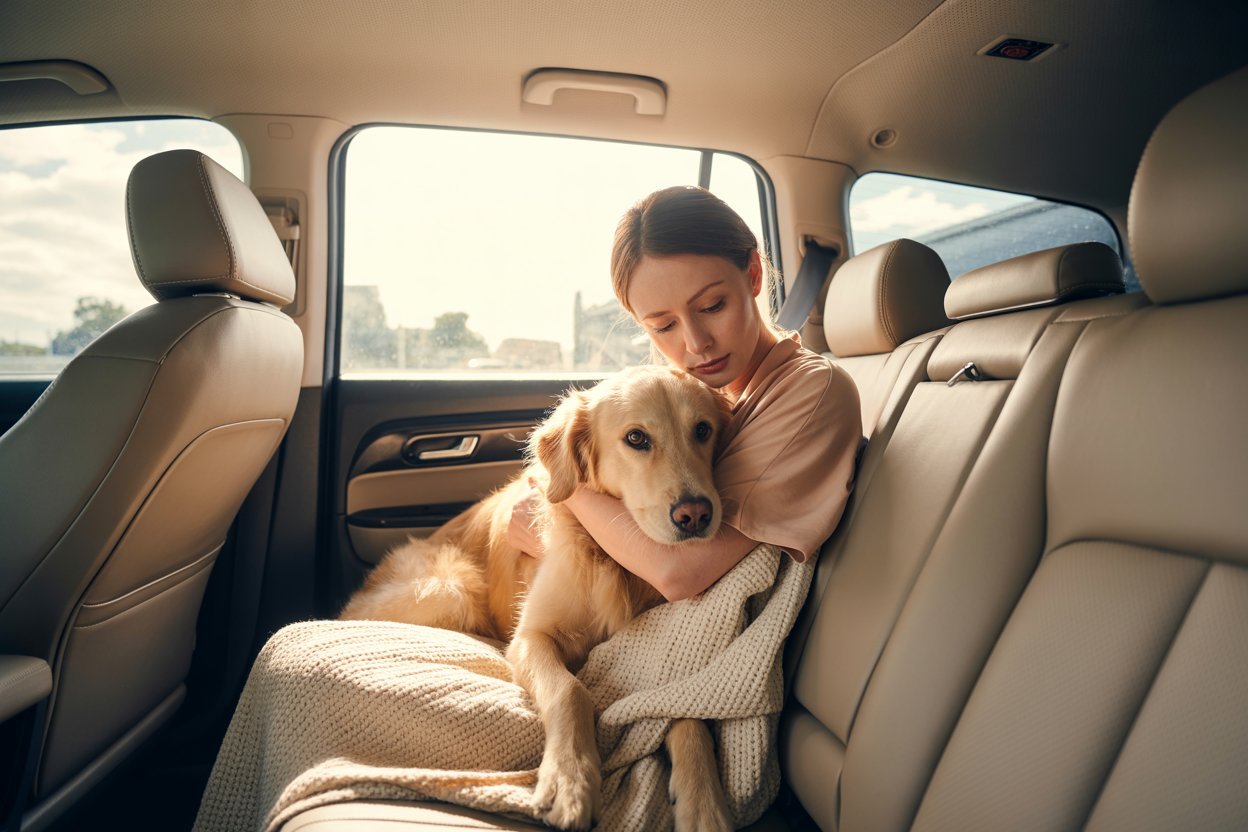
Few things feel more heartbreaking than watching your excited pup hop into the car only to start drooling, whining, trembling, or vomiting a few minutes later. Many dog owners know that helpless feeling all too well.
One moment your furry companion is wagging their tail in anticipation of an adventure, and the next they’re curled up miserably in the backseat.
Dog car sickness is surprisingly common, especially in puppies and anxious dogs. The good news? Many veterinarians agree that mild car sickness can often be managed naturally with gentle home remedies, calming techniques, and travel adjustments that help your dog feel safer and more comfortable.
If your pup struggles during car rides, this guide walks you through proven, vet-supported home remedies for dog car sickness, plus practical tips to make traveling easier for both of you.
From ginger and fresh air to calming routines and feeding schedules, these remedies are simple, safe, and genuinely helpful when used correctly.
Why Dogs Get Car Sick
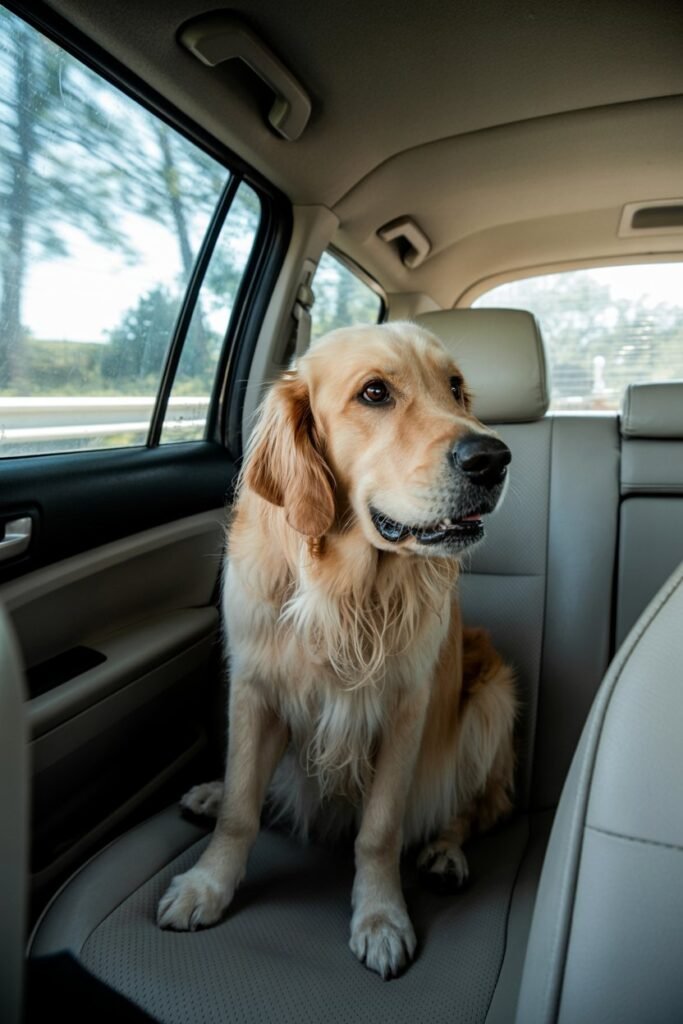
Understanding why your dog gets motion sickness makes it much easier to help them.
Most dogs experience car sickness for one of these reasons:
- Motion sickness caused by inner ear imbalance
- Anxiety or fear related to car rides
- Negative past experiences
- Stress from unfamiliar movement and sounds
- Riding on a full stomach
- Poor ventilation inside the car
Puppies are especially prone to motion sickness because the structures in their inner ears are still developing. Many dogs improve naturally as they grow older.
For adult dogs, anxiety is often a major factor. If your dog only rides in the car for stressful events like vet appointments, they may begin associating the car with fear and nausea.
Signs Your Dog Has Car Sickness
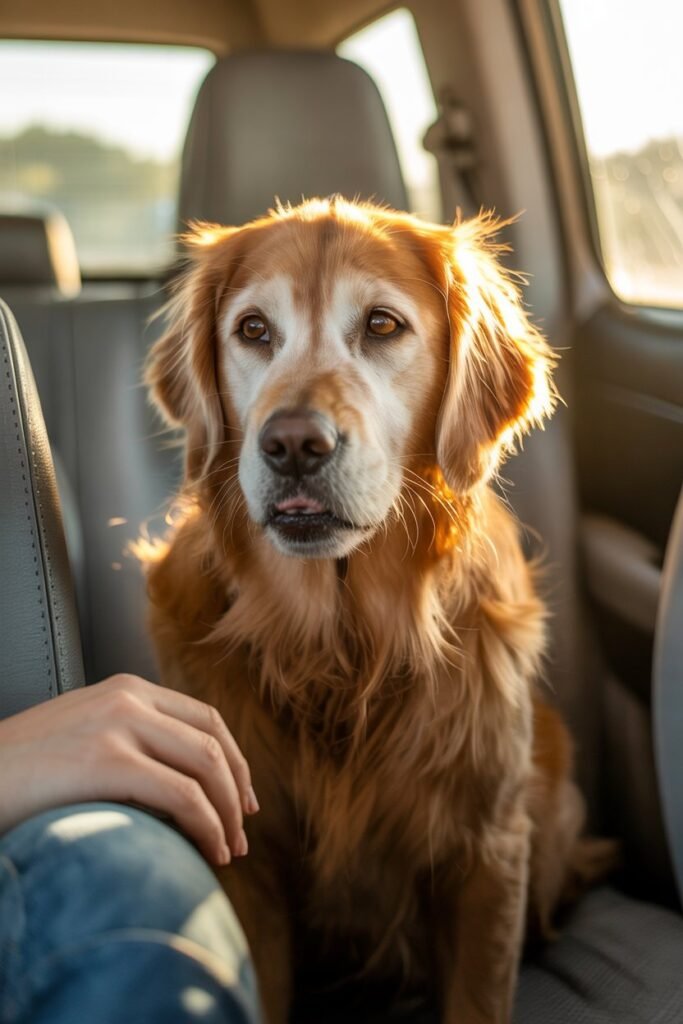
Some dogs vomit immediately, while others show subtle symptoms long before getting sick.
Common signs include:
- Excessive drooling
- Lip licking
- Yawning repeatedly
- Whining or crying
- Restlessness
- Trembling
- Panting heavily
- Vomiting
- Diarrhea
- Refusing to get into the car
- Trying to hide or climb into your lap
Recognizing early symptoms helps you intervene before nausea becomes severe.
1. Ginger: One of the Most Vet-Recommended Natural Remedies
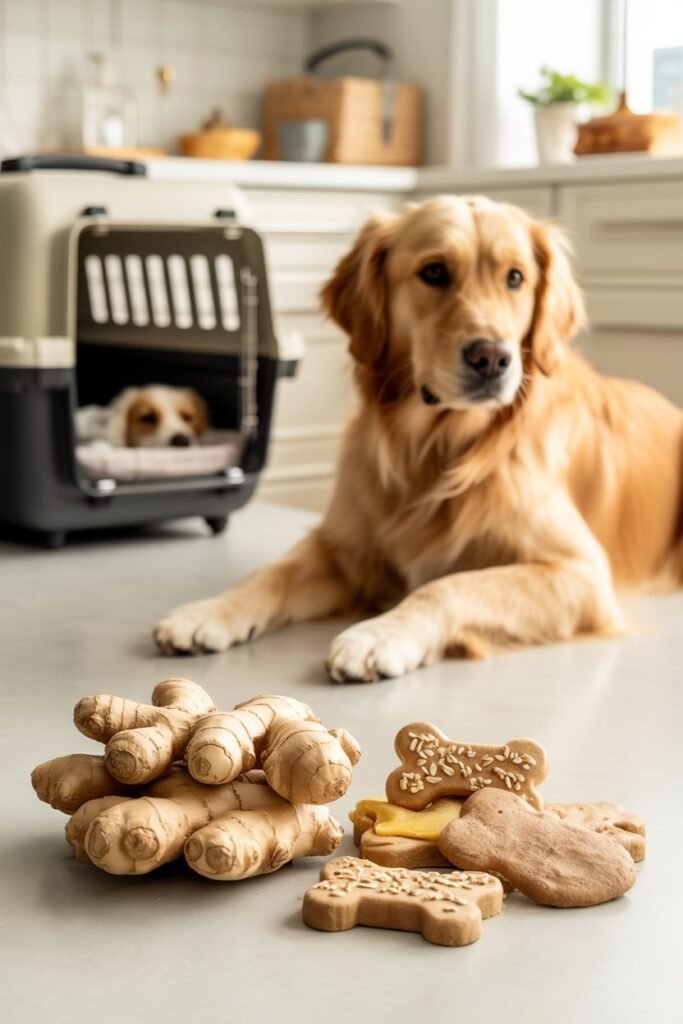
Ginger is one of the most widely recommended natural remedies for mild nausea in dogs. Veterinarians often suggest it because ginger contains compounds that help settle the stomach and reduce motion-related nausea.
Why Ginger Works
Ginger helps:
- Calm stomach irritation
- Reduce nausea signals
- Support digestion
- Ease queasiness during movement
Many pet owners notice improvement within a single car ride when ginger is given properly.
Safe Ways to Give Ginger
You can offer ginger in small amounts through:
- Plain fresh ginger
- Ginger capsules made for pets
- Dog-safe ginger treats
- Ginger tea cooled to room temperature
Avoid:
- Ginger candies containing xylitol
- Sugary ginger products
- Human supplements with unsafe additives
General Dosage Guidelines
Always ask your veterinarian before giving supplements, especially if your dog has health conditions.
Common vet guidance suggests:
- Small dogs: very tiny pinch
- Medium dogs: about 1/4 teaspoon
- Large dogs: about 1/2 teaspoon
Usually given about 30 minutes before travel.
Helpful Tip
Mixing a little fresh grated ginger into a small spoonful of plain pumpkin puree can make it easier for dogs to eat.
2. Skip Large Meals Before Traveling
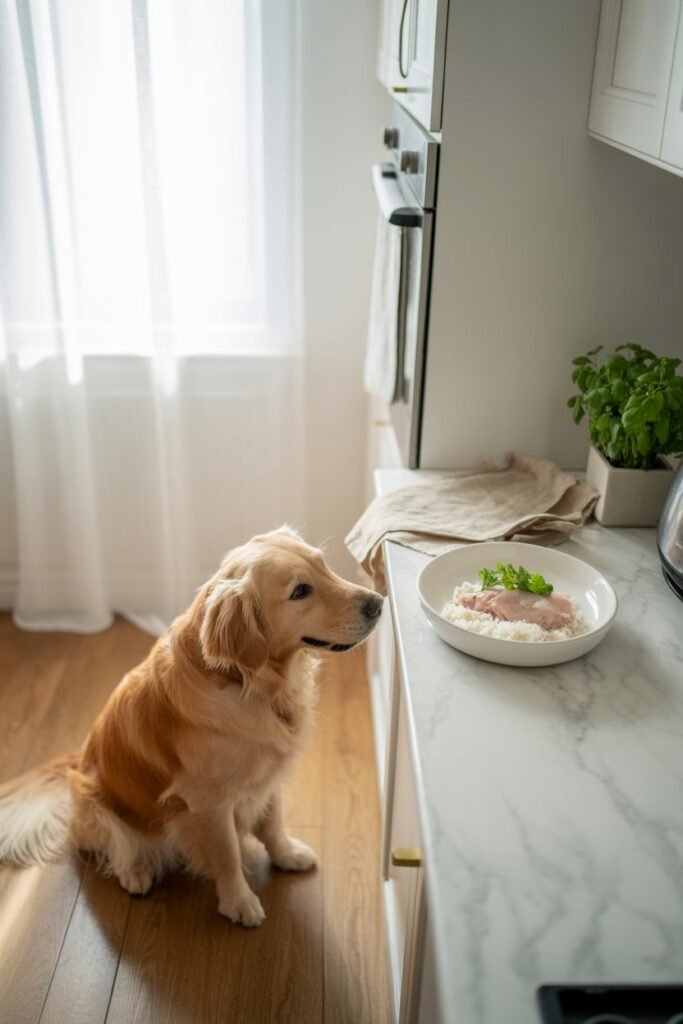
One of the simplest remedies is also one of the most effective.
A full stomach can make nausea dramatically worse during car rides.
What Veterinarians Recommend
Many vets suggest:
- Avoiding large meals 3–4 hours before travel
- Offering only a light snack if necessary
- Keeping your dog hydrated
Traveling on a nearly empty stomach often reduces vomiting significantly.
What Your Dog Can Eat Before a Trip
If your dog seems hungry, try:
- A small amount of boiled chicken
- Plain rice
- A few dog biscuits
- Small spoonful of pumpkin puree
Avoid:
- Greasy foods
- Rich treats
- Dairy
- Heavy meals
3. Fresh Air Can Make a Huge Difference
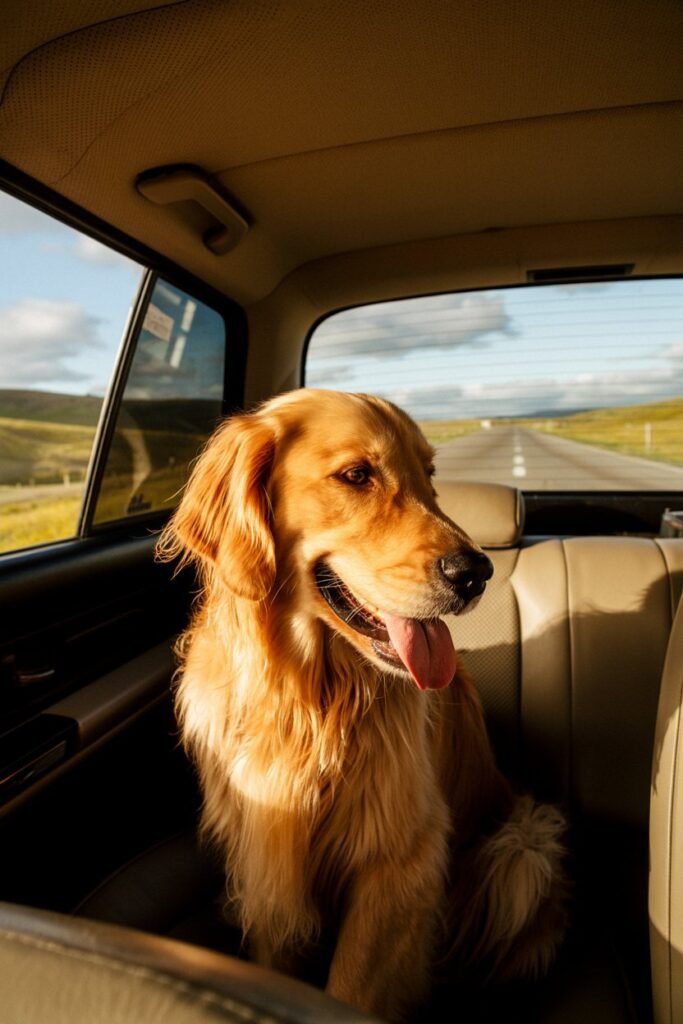
Fresh airflow helps many dogs feel less nauseated.
A stuffy, warm vehicle can intensify motion sickness quickly.
How to Improve Airflow
Try:
- Cracking windows slightly
- Running cool air conditioning
- Avoiding overheating
- Letting air circulate in the backseat
Even a small amount of fresh air can help stabilize nausea symptoms.
Important Safety Reminder
Never allow your dog to stick their entire head out the window. Flying debris and sudden movements can cause serious injuries.
4. Create a Calm, Cozy Travel Space
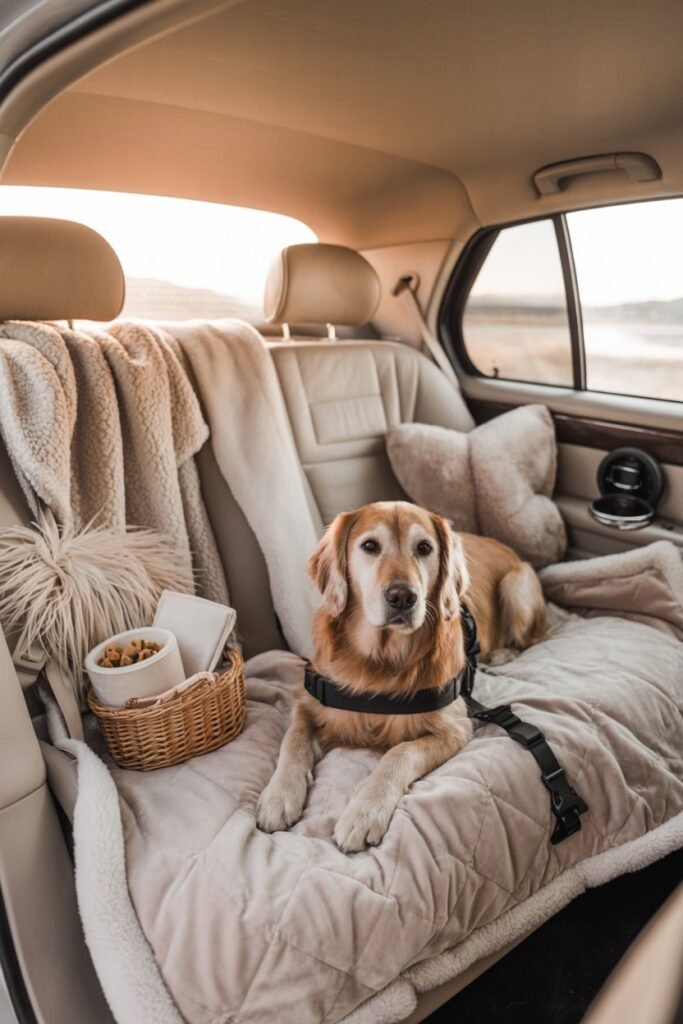
Dogs feel safer when they have a secure resting area during travel.
Sliding around during turns and stops increases anxiety and nausea.
Best Ways to Keep Your Dog Comfortable
Veterinarians often recommend:
- Crates secured properly
- Dog seat belts
- Elevated dog car seats for small breeds
- Non-slip blankets
- Familiar bedding from home
A stable environment reduces sensory overload and helps dogs relax.
Why Familiar Scents Matter
Your dog’s favorite blanket carries comforting scents that can reduce stress hormones during travel.
This simple trick often helps anxious dogs settle faster.
5. Gradual Car Ride Training
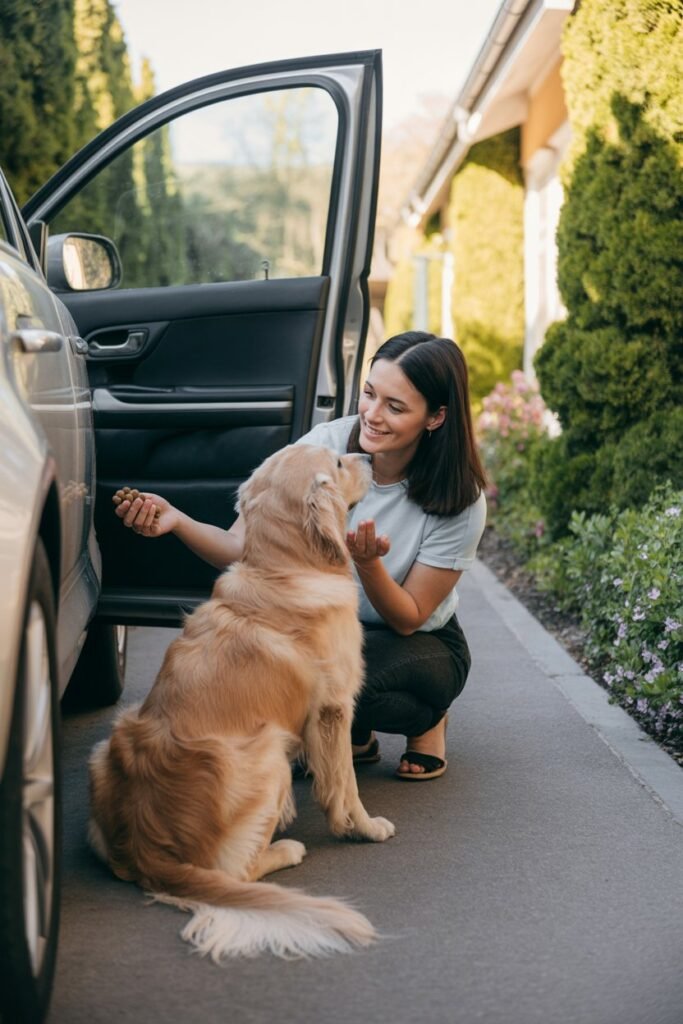
Many dogs become carsick because they associate vehicles with stress.
Slow desensitization training is one of the most successful long-term solutions.
Step-by-Step Training Method
Step 1: Sit in the Parked Car
Let your dog explore the car without driving anywhere.
Reward calm behavior with praise and treats.
Step 2: Start the Engine Briefly
Turn the car on for a few minutes while remaining parked.
Keep the experience positive.
Step 3: Take Very Short Drives
Start with:
- Around the block
- 2–5 minute drives
- Calm neighborhoods
Gradually increase ride length over time.
Step 4: End Somewhere Fun
Visit:
- A park
- A walking trail
- A pet-friendly store
This helps your dog stop associating car rides with stressful destinations.
6. Try Calming Herbs Recommended by Veterinarians
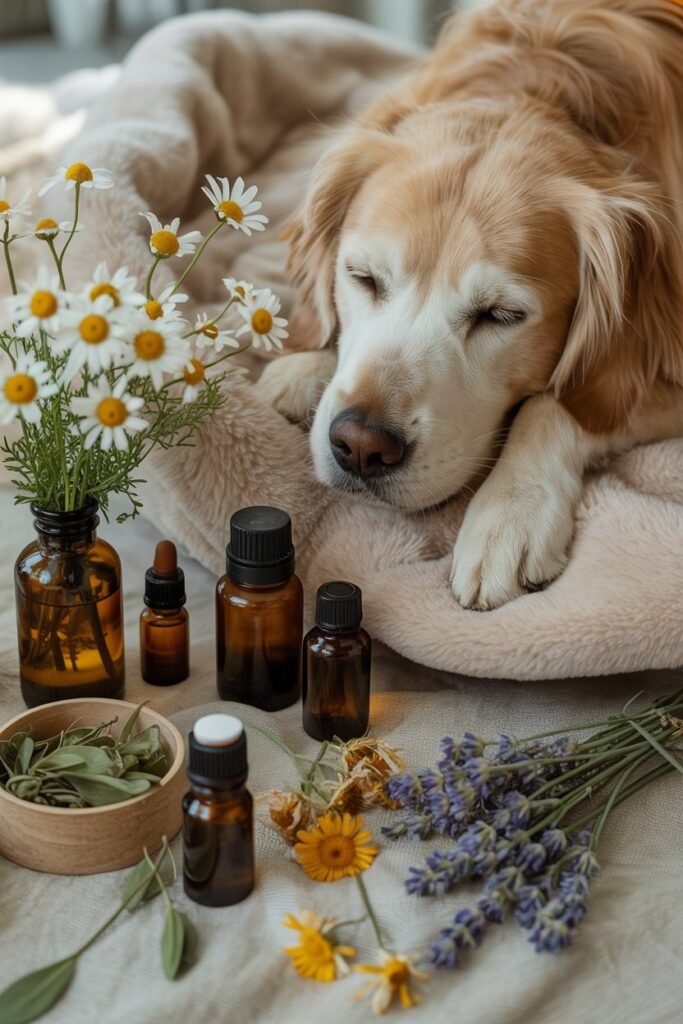
Some natural calming herbs may help reduce travel anxiety that contributes to nausea.
Common Vet-Approved Options
Chamomile
Chamomile may help:
- Relax nervous dogs
- Soothe upset stomachs
- Reduce mild anxiety
Valerian Root
Often used for:
- Stress reduction
- Nervous pacing
- Anxiety during travel
Lavender
Lavender aromatherapy may help some dogs feel calmer.
Important:
Never apply essential oils directly to your dog without veterinary guidance.
Always Use Pet-Safe Products
Not all herbal products are safe for dogs. Always:
- Use veterinarian-approved brands
- Follow dosage instructions carefully
- Avoid human products with unsafe ingredients
7. Use a Thundershirt or Anxiety Wrap
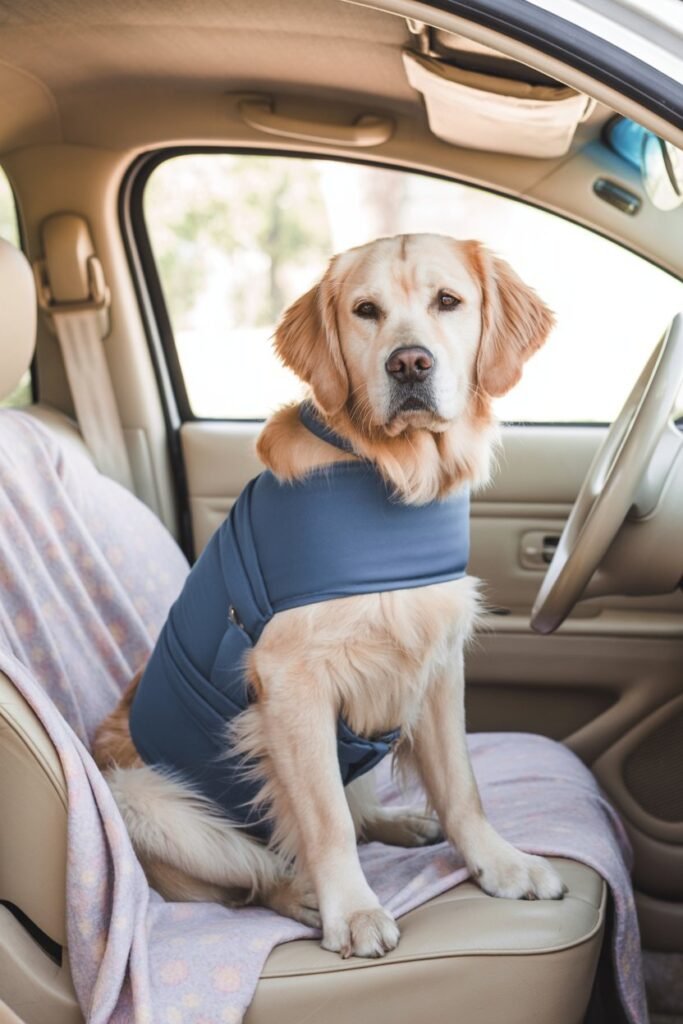
Pressure wraps can be incredibly comforting for nervous dogs.
A Thundershirt works by applying gentle, constant pressure that helps calm the nervous system.
Many veterinarians recommend them for:
- Car anxiety
- Storm anxiety
- Separation stress
- General nervousness
Why They Help
The gentle compression may:
- Lower stress responses
- Reduce shaking
- Help dogs feel secure
Some dogs show improvement almost immediately.
8. Keep Car Rides Smooth and Quiet
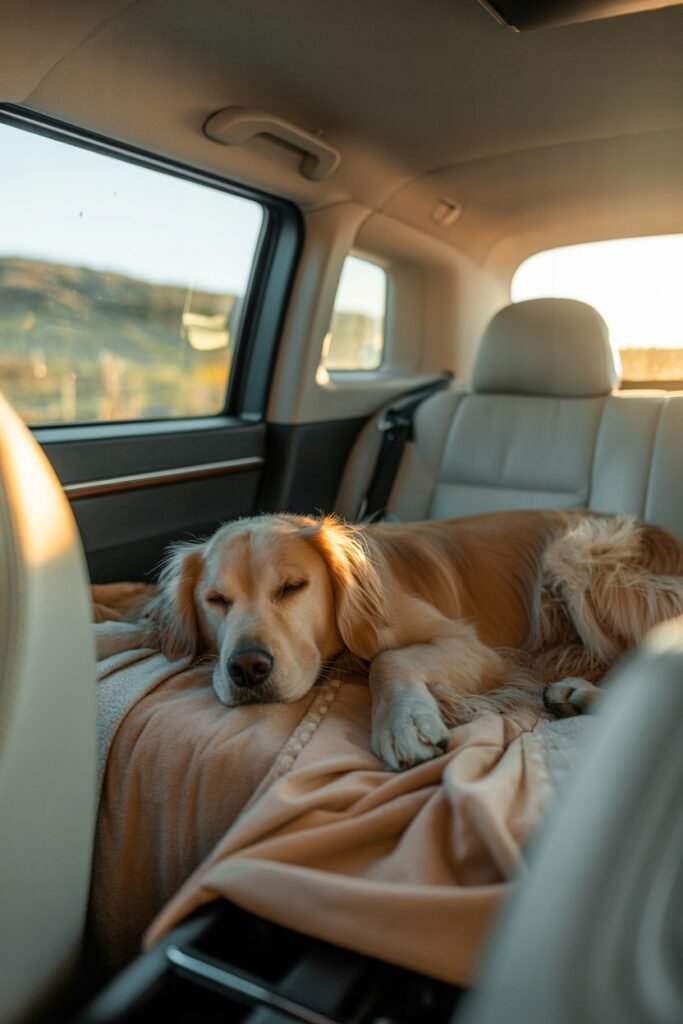
Driving style matters more than many people realize.
Sudden movements worsen nausea quickly.
Driving Habits That Help
Try to:
- Accelerate slowly
- Brake gently
- Take turns carefully
- Avoid loud music
- Limit chaotic noise
A calm environment helps sensitive dogs feel more stable.
9. Let Your Dog Face Forward
Looking sideways during motion can increase nausea.
Many dogs feel better when they can see ahead.
Helpful Positioning Tips
- Small dogs may benefit from raised booster seats
- Larger dogs often do better in the middle backseat
- Make sure they can comfortably see outside
Visual balance helps reduce motion confusion in the brain.
10. Natural Pheromone Sprays and Calming Aids
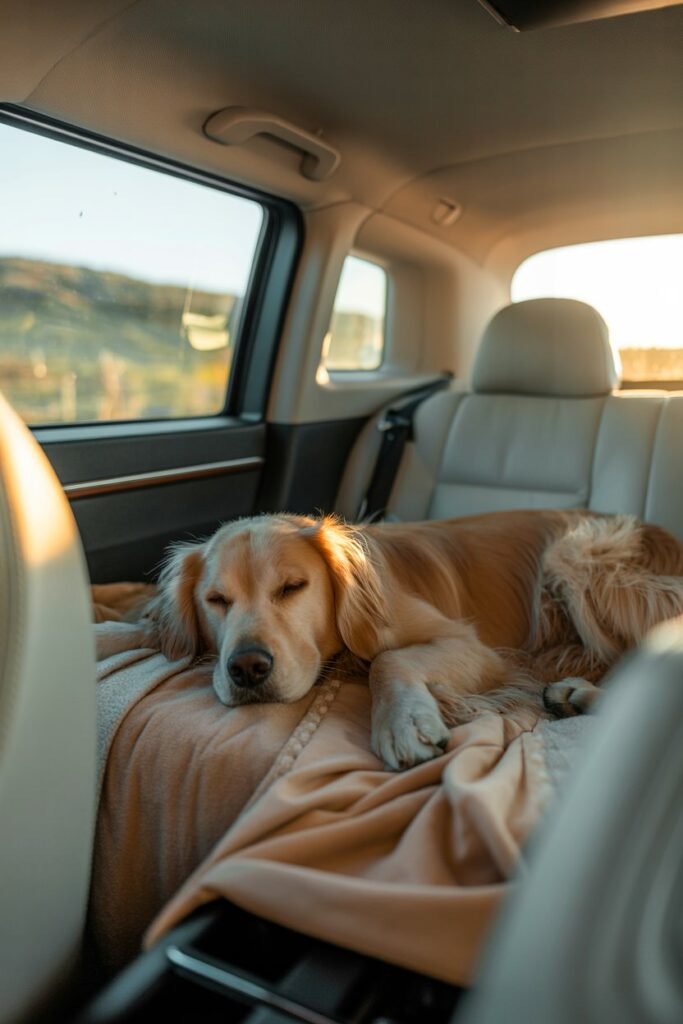
Synthetic calming pheromones mimic natural comforting signals dogs recognize instinctively.
Many veterinarians recommend them for travel anxiety.
Popular Forms
- Sprays
- Collars
- Wipes
- Diffusers
These products do not sedate dogs but may help reduce stress levels.
Best Way to Use Them
Spray bedding or blankets about 15 minutes before the car ride.
Never spray directly onto your dog.
11. CBD for Dog Car Sickness: What Veterinarians Say
CBD products have become increasingly popular for canine anxiety.
Some pet owners report improvement in:
- Stress
- Trembling
- Restlessness during travel
Important Considerations
Research on CBD for dogs is still developing.
Always:
- Talk to your veterinarian first
- Choose pet-specific products
- Avoid THC products completely
Not every dog responds the same way.
12. Keep Your Dog Hydrated
Nausea and stress can lead to dehydration quickly.
Offer water before and after travel.
Smart Hydration Tips
- Bring a portable water bowl
- Offer small amounts during breaks
- Avoid letting your dog gulp excessive water at once
For long trips, stop every couple of hours for hydration and bathroom breaks.
13. Acupressure and Motion Sickness Bands
Some holistic veterinarians recommend acupressure for mild nausea relief.
Motion Sickness Wrist Bands
These bands apply pressure to specific points believed to help reduce nausea.
Dog-specific versions are available online and in some pet stores.
Does It Work?
Results vary, but some owners notice:
- Less drooling
- Reduced vomiting
- Calmer behavior
Because the method is non-invasive and drug-free, many owners find it worth trying.
14. Make the Car Smell Comfortable
Strong odors can worsen nausea dramatically.
Dogs have extremely sensitive noses, so overpowering scents may trigger vomiting faster.
Avoid Strong Smells Like
- Air fresheners
- Heavy perfumes
- Smoke
- Strong cleaning products
- Fast food odors
Better Options
A clean car with familiar-smelling blankets is usually best.
15. Travel During Cooler Parts of the Day
Heat increases discomfort and nausea in many dogs.
If possible:
- Travel early in the morning
- Drive during cooler evening hours
- Avoid intense midday heat
Cooler temperatures help dogs stay calmer and more comfortable.
When Home Remedies Are Not Enough
Sometimes natural remedies alone are not sufficient.
You should contact your veterinarian if your dog:
- Vomits during nearly every ride
- Has severe panic attacks
- Refuses to enter the car entirely
- Experiences diarrhea repeatedly
- Shows extreme distress
- Cannot travel safely
Prescription medications may be necessary for severe cases.
Vet-Prescribed Medications for Severe Car Sickness
Veterinarians sometimes prescribe medications like:
- Anti-nausea medication
- Motion sickness medication
- Anxiety medication
These treatments can dramatically improve quality of life for dogs with severe symptoms.
Never give human motion sickness medications unless specifically instructed by your veterinarian.
Mistakes That Can Make Car Sickness Worse
Many loving dog owners accidentally make symptoms worse without realizing it.
Common Mistakes
Feeding a Large Meal Before Travel
This often increases vomiting.
Allowing Too Much Excitement
Overstimulation can worsen anxiety.
Punishing Nervous Behavior
Fear and nausea are not disobedience.
Taking Only Stressful Trips
Dogs need positive travel experiences too.
Using Unsafe Supplements
Some “natural” remedies are dangerous for dogs.
Best Foods for Dogs With Sensitive Stomachs During Travel
Gentle foods may help dogs prone to nausea.
Vet-Friendly Options
- Plain boiled chicken
- White rice
- Plain pumpkin puree
- Bland prescription diets
- Simple low-fat treats
Avoid rich snacks before traveling.
How Long Does Dog Car Sickness Last?
Many puppies outgrow motion sickness by about one year of age as their inner ears mature.
Adult dogs with anxiety-related nausea may improve gradually through:
- Training
- Positive associations
- Calm travel routines
- Consistent exposure
Patience matters tremendously.
Creating a Positive Travel Routine
Dogs thrive on predictability.
A consistent travel routine can reduce stress dramatically.
Simple Routine Example
- Calm potty break first
- Short walk before loading
- Small ginger remedy if approved
- Favorite blanket in the car
- Quiet music and cool air
- Reward calm behavior afterward
Over time, your dog may begin viewing car rides as normal rather than frightening.
Final Thoughts
Helping a dog through car sickness can feel exhausting at first, especially when every trip ends with drool-covered seats and a miserable puppy staring at you with worried eyes. Thankfully, many dogs improve with gentle routines, patience, and a few veterinarian-supported home remedies.
Small changes often make the biggest difference. A little fresh air, a calmer environment, shorter practice rides, and natural nausea support like ginger can completely transform how your dog experiences travel.
Most importantly, remember that your dog is not being difficult. Motion sickness is very real, and for many pups it can feel frightening and overwhelming. With consistency and compassion, many dogs eventually learn that car rides can be safe, comfortable, and even enjoyable.
The goal is not perfection overnight. It is helping your furry companion feel a little more secure with every mile.