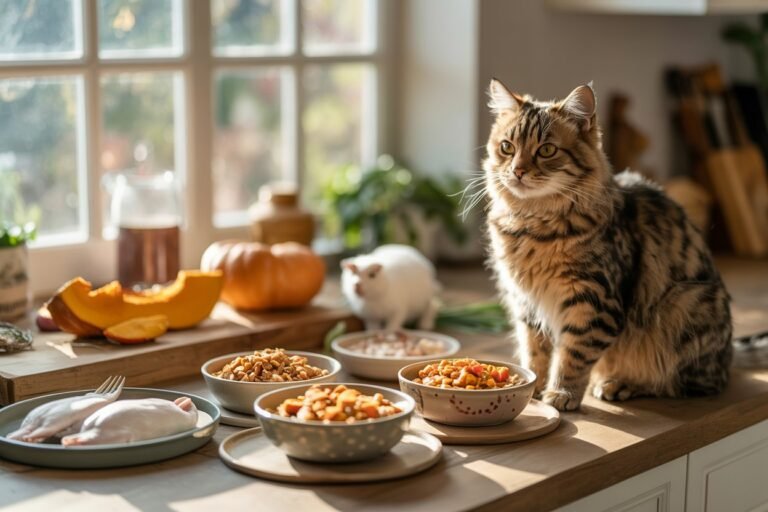
8 Homemade Cat Food Ideas That Won’t Break the Bank
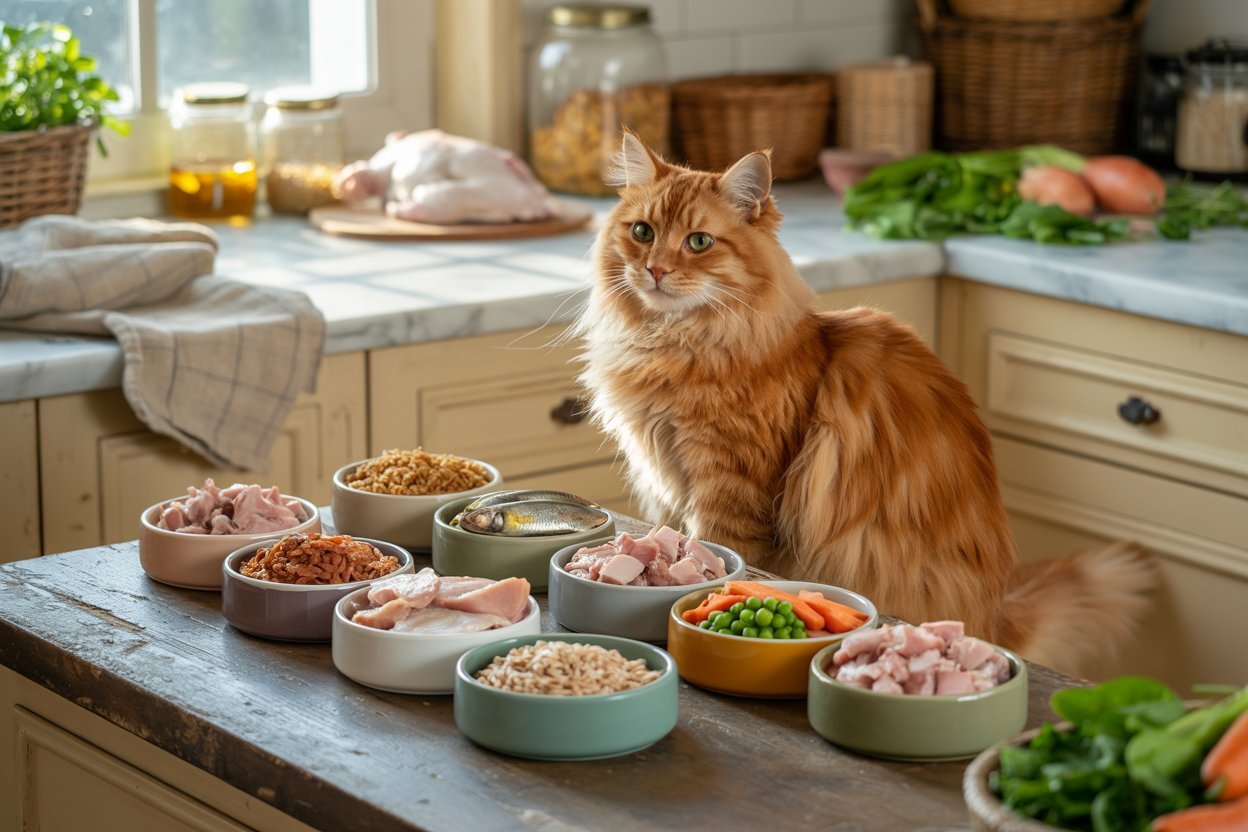
Cats may be tiny little creatures, but feeding them well can quickly become expensive especially if your furry friend has a big appetite or picky tastes. Many cat owners are now turning to homemade meals as a way to save money, control ingredients, and give their cats fresher food without relying entirely on costly commercial brands.
The good news? Homemade cat food does not have to be complicated, fancy, or expensive. With a few affordable ingredients, careful preparation, and an understanding of your cat’s nutritional needs, you can create simple meals your cat will genuinely enjoy.
That said, cats are obligate carnivores, meaning they require animal protein to stay healthy. Homemade meals should never be random leftovers tossed into a bowl. Every recipe needs to include safe ingredients that support your cat’s health, energy, digestion, skin, and coat.
In this guide, you’ll discover:
- Budget-friendly homemade cat food ideas
- Ingredients cats can and cannot eat
- Tips for preparing balanced meals
- Storage and meal-prep advice
- Easy recipes even beginners can make
- Ways to save money without sacrificing nutrition
Whether you want to supplement your cat’s regular diet or start making more meals from scratch, these ideas will help you feed your cat lovingly while staying within budget.
Before You Start: Important Homemade Cat Food Guidelines
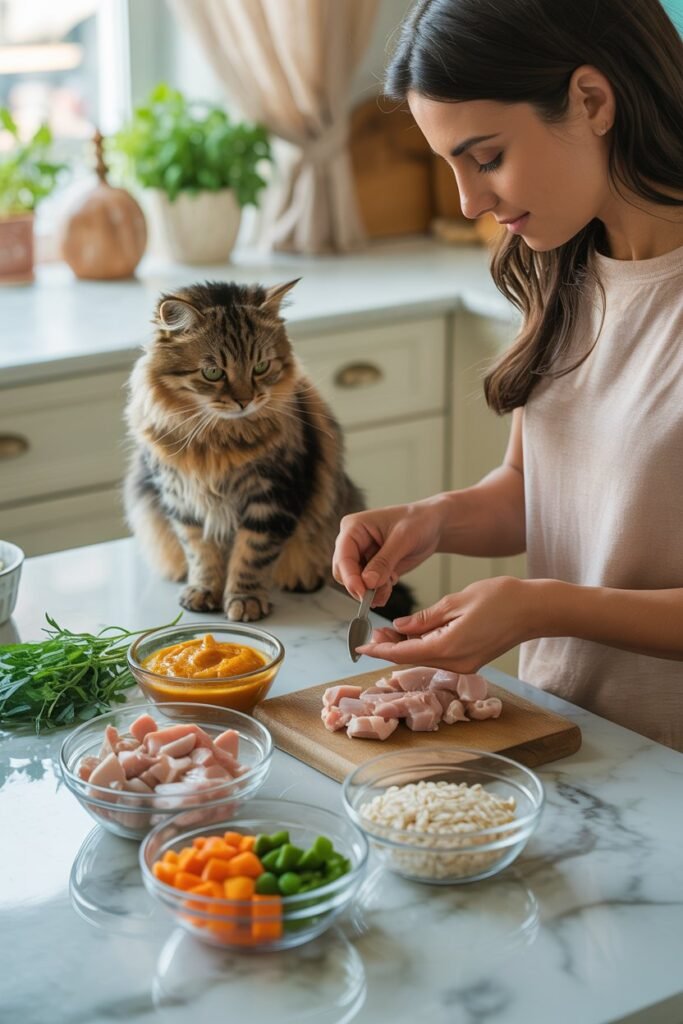
Before jumping into recipes, it’s important to understand a few basics about feline nutrition.
Cats are not small dogs. Their bodies process nutrients differently, and they require:
- High-quality animal protein
- Taurine
- Healthy fats
- Certain vitamins and minerals
- Moisture-rich meals
A homemade diet that lacks proper nutrients can eventually lead to health problems. These recipes work best as:
- Supplemental meals
- Occasional meal replacements
- Budget-friendly additions to high-quality cat food
If you plan to feed homemade food full-time, speak with your veterinarian first.
Ingredients Cats Should NEVER Eat
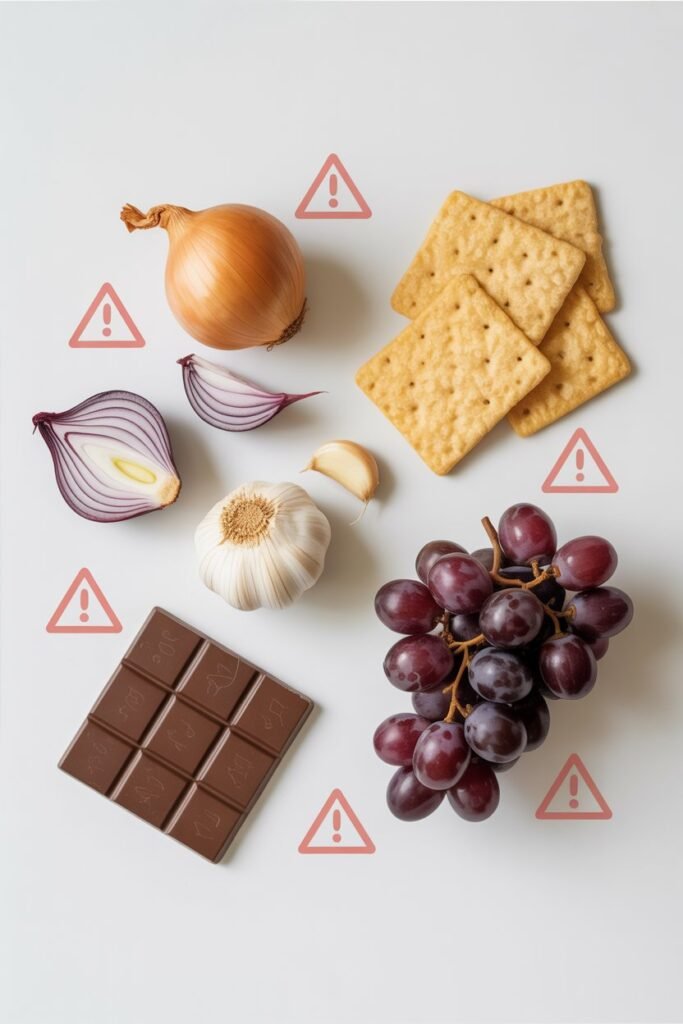
Some foods that are harmless to humans can be dangerous for cats.
Avoid:
- Onions
- Garlic
- Chocolate
- Grapes
- Raisins
- Alcohol
- Excess salt
- Artificial sweeteners
- Raw dough
- Bones that splinter
- Highly seasoned foods
Also avoid heavy oils, spicy ingredients, and processed meats with excessive sodium.
Budget-Friendly Ingredients to Keep on Hand
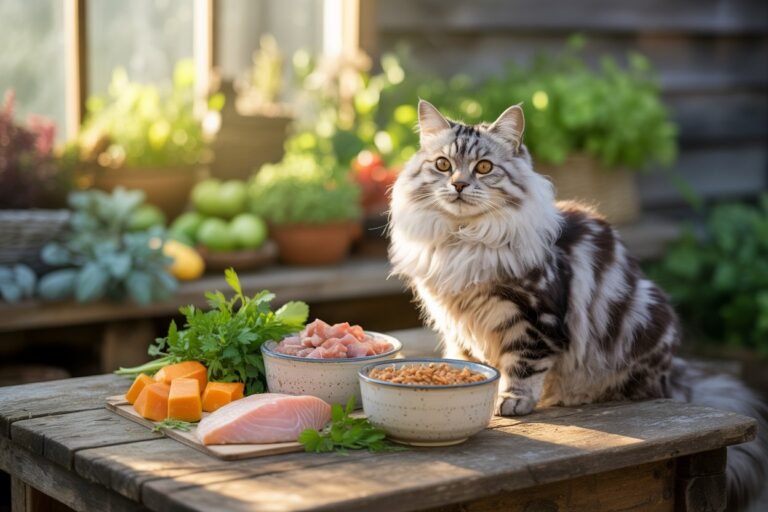
One of the best ways to save money is to buy versatile ingredients you can use in multiple recipes.
Affordable staples include:
- Chicken thighs
- Chicken liver
- Eggs
- Sardines in water
- Ground turkey
- Canned tuna in water
- Pumpkin puree
- Rice
- Oatmeal
- Carrots
- Green beans
Buying family-size packs and freezing portions can save a surprising amount over time.
1. Simple Chicken & Rice Comfort Bowl
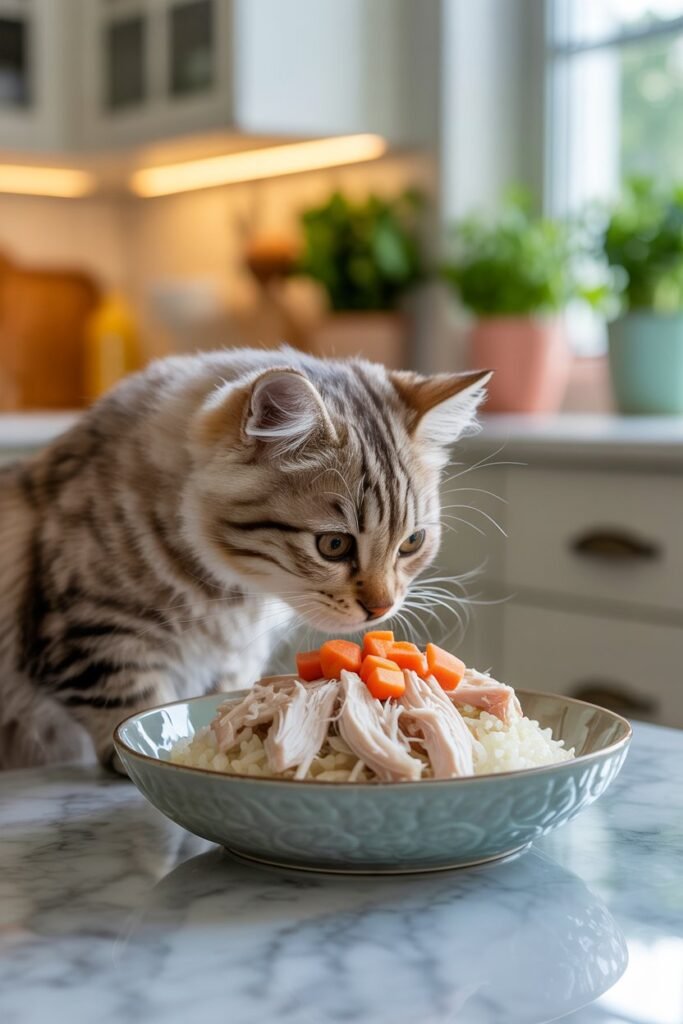
This is one of the easiest beginner-friendly homemade cat meals. It’s gentle on the stomach, affordable, and great for picky eaters.
Ingredients
- 1 boneless chicken thigh
- ¼ cup cooked white rice
- 1 tablespoon finely chopped carrots
- 1 teaspoon fish oil (optional)
How to Make It
- Boil or bake the chicken until fully cooked.
- Shred into tiny pieces.
- Cook the rice separately.
- Steam carrots until soft.
- Mix everything together thoroughly.
Why Cats Like It
The soft texture and warm smell make this meal especially comforting for cats recovering from stress or mild stomach upset.
Budget Tip
Chicken thighs are usually cheaper than chicken breast and contain more fat, which cats often enjoy.
2. Tuna & Pumpkin Protein Mix
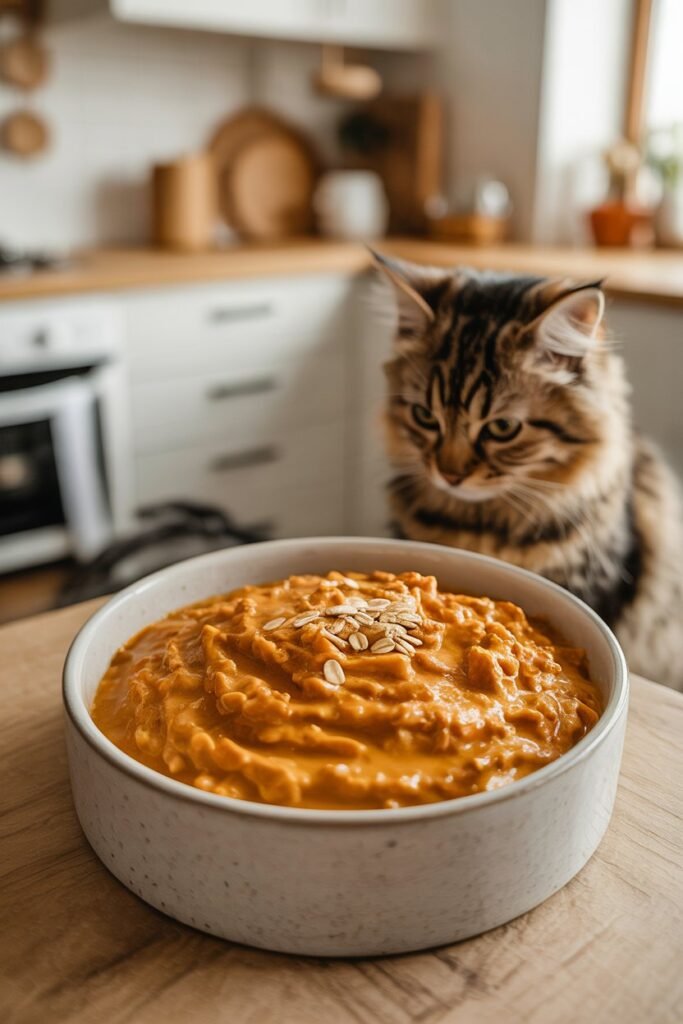
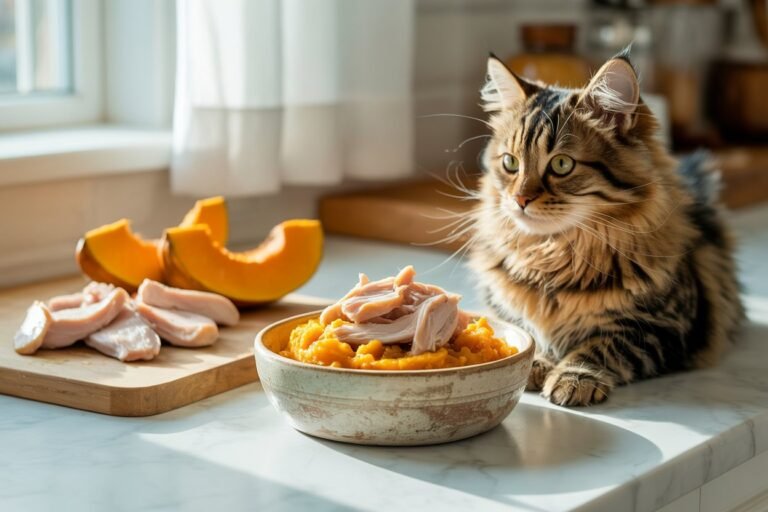
Pumpkin is inexpensive, fiber-rich, and wonderful for digestion. Combined with tuna, it creates a filling meal without costing much.
Ingredients
- 1 can tuna in water
- 2 tablespoons plain pumpkin puree
- 1 tablespoon cooked oats
Instructions
- Drain the tuna lightly.
- Mix with pumpkin puree.
- Add cooked oats for texture.
- Serve slightly warm.
Benefits
- Supports digestion
- Helps with hairballs
- Budget-friendly and filling
Important Note
Tuna should not become your cat’s only protein source. Too much tuna over time can create nutritional imbalances.
3. Egg & Turkey Breakfast Scramble
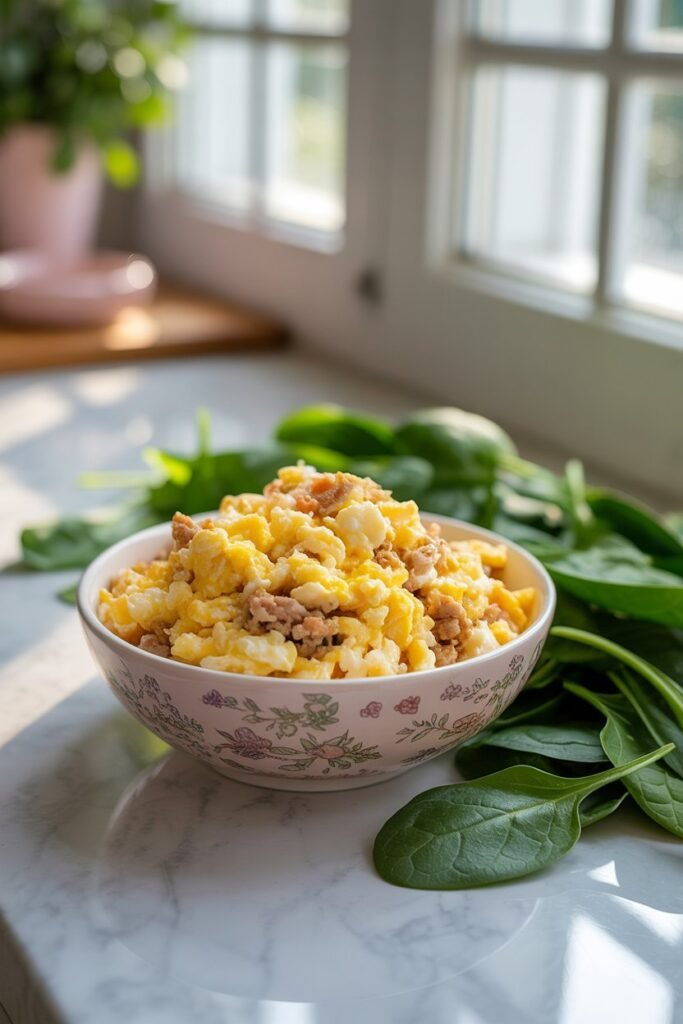
Eggs are inexpensive nutritional powerhouses packed with protein and healthy fats.
Ingredients
- 1 egg
- ¼ cup ground turkey
- 1 teaspoon chopped spinach
How to Prepare
- Cook the turkey fully in a pan without seasoning.
- Scramble the egg separately.
- Steam spinach lightly.
- Combine everything together.
Why This Recipe Works
This meal contains:
- Protein
- Moisture
- Healthy fats
- Iron
It’s also incredibly affordable for multi-cat households.
4. Chicken Liver Energy Bites
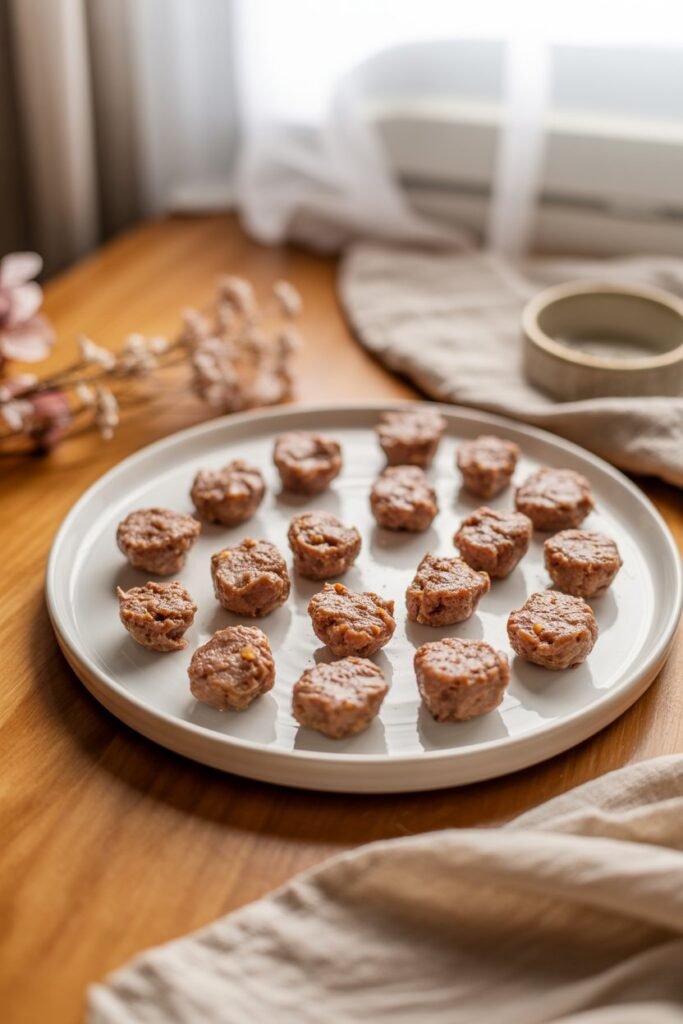
Organ meats are rich in nutrients and often very cheap.
Cats naturally love liver because of its strong smell and flavor.
Ingredients
- ½ cup chicken liver
- ¼ cup cooked rice
- 1 tablespoon mashed pumpkin
Directions
- Boil liver thoroughly.
- Chop finely or blend.
- Mix with rice and pumpkin.
- Form into small bite-sized portions.
Storage Tip
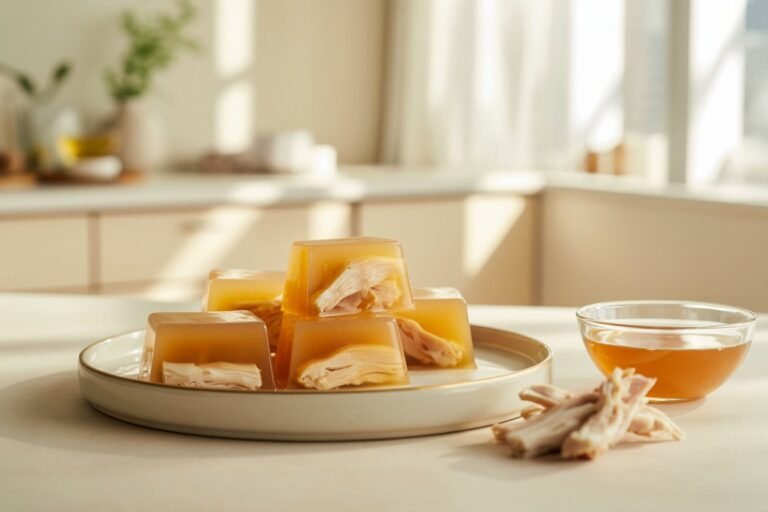
Freeze small portions in silicone molds for easy meal prep.
Important Reminder
Liver is nutritious, but too much vitamin A can be harmful. Feed liver meals in moderation.
5. Sardine & Egg Omega Bowl
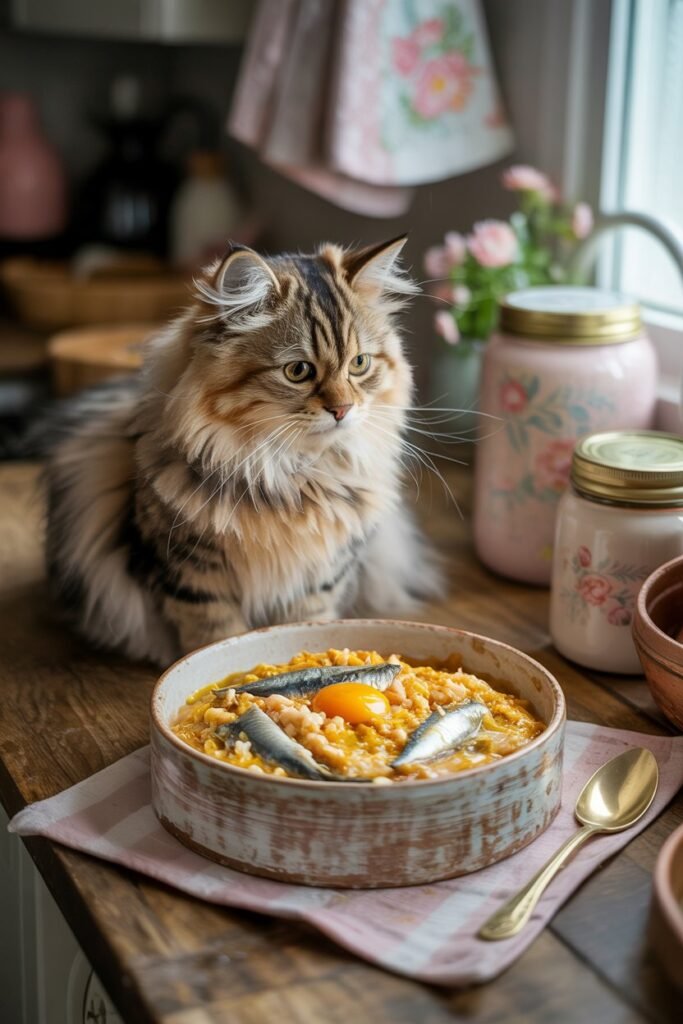
Sardines are one of the most affordable fish options available and contain healthy omega-3 fats.
Ingredients
- 1 sardine packed in water
- 1 boiled egg yolk
- 1 tablespoon cooked rice
Instructions
- Mash sardine thoroughly.
- Mix with egg yolk.
- Add rice for texture.
Benefits
This recipe may help:
- Dry skin
- Dull fur
- Mild inflammation
Many cats absolutely love the smell of sardines.
6. Ground Turkey & Green Bean Dinner
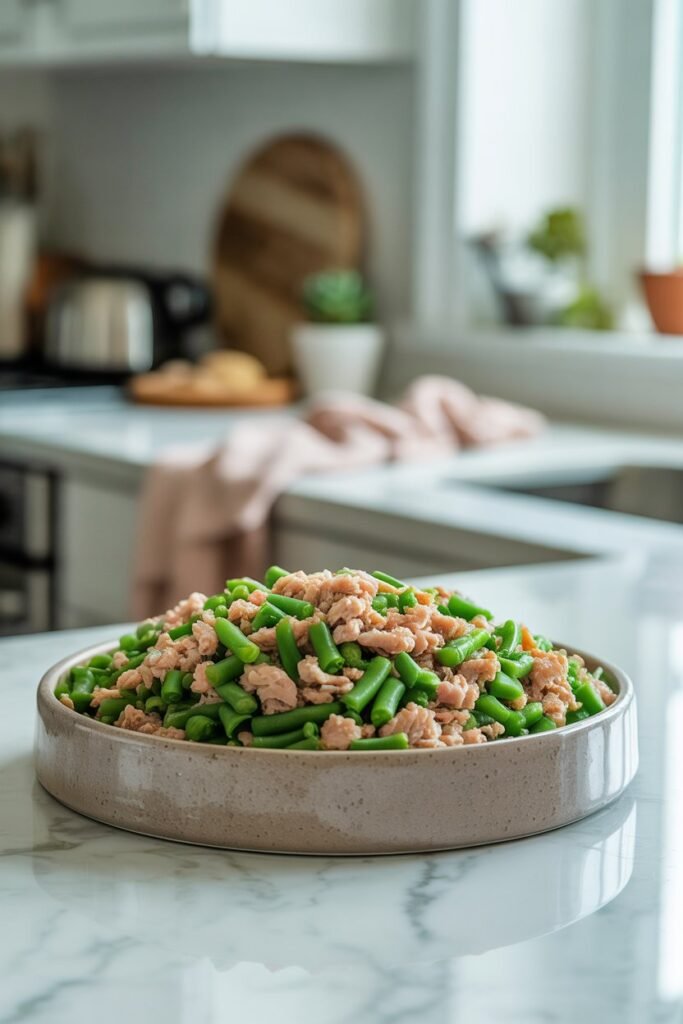
This meal is protein-packed while still staying gentle on your wallet.
Ingredients
- ½ cup ground turkey
- 1 tablespoon finely chopped green beans
- 1 tablespoon cooked oats
How to Make It
- Brown turkey completely.
- Steam green beans until soft.
- Combine with cooked oats.
Why It’s Helpful
Green beans add fiber and volume without adding many calories, which can help overweight cats feel fuller.
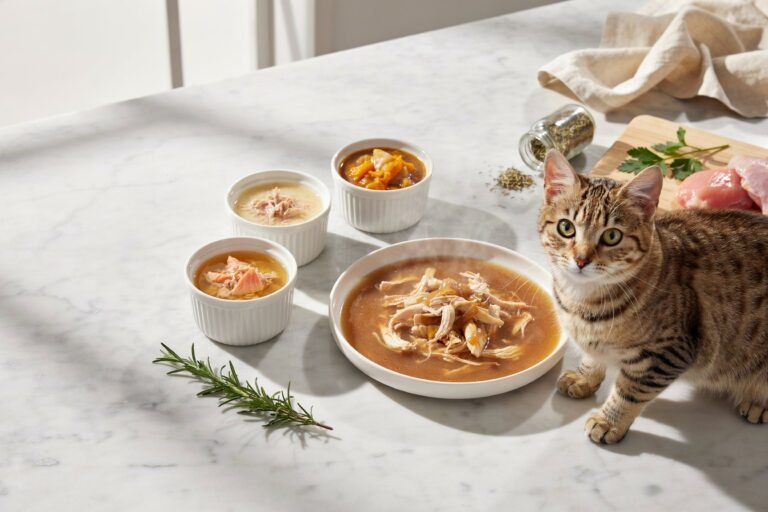
7. Chicken & Veggie Stew
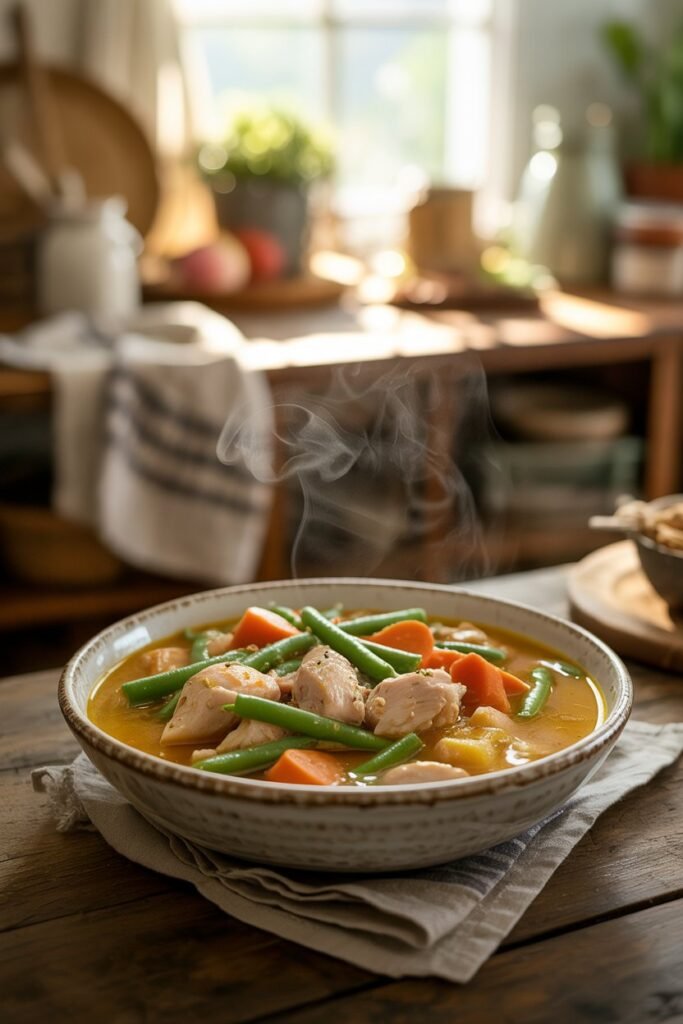
A warm stew-style meal can encourage cats who usually ignore dry food to eat more moisture-rich meals.
Ingredients
- 1 chicken thigh
- 1 tablespoon carrots
- 1 tablespoon green beans
- Low-sodium chicken broth
Directions
- Cook chicken thoroughly.
- Dice vegetables into tiny pieces.
- Simmer together in broth.
Money-Saving Tip
Homemade broth from leftover chicken bones can reduce food waste and stretch your grocery budget further.
Just make sure:
- No onions
- No garlic
- No excessive salt
8. Budget-Friendly Cat Food Batch Mix
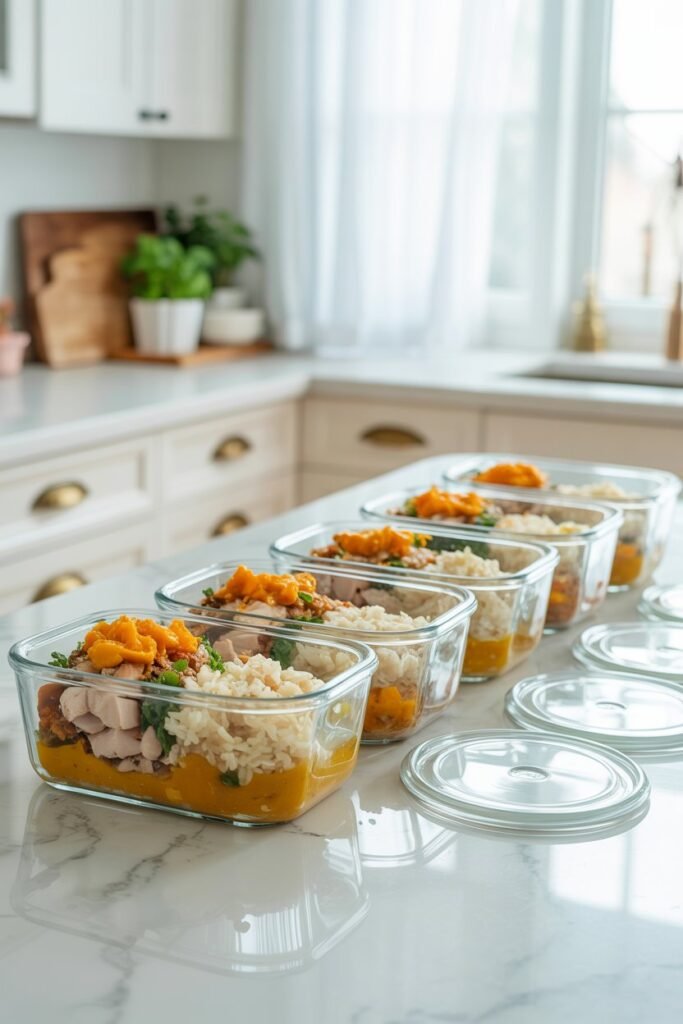
This is perfect for weekly meal prepping.
Ingredients
- 2 pounds chicken thighs
- 1 cup cooked rice
- ½ cup pumpkin puree
- 2 boiled eggs
Meal Prep Instructions
- Cook chicken completely.
- Chop or shred finely.
- Mix with rice, pumpkin, and eggs.
- Divide into freezer-safe containers.
Why Cat Owners Love Batch Cooking
- Saves time
- Reduces waste
- Makes feeding easier
- Helps control portions
- Cuts down on expensive last-minute purchases
How to Store Homemade Cat Food Safely
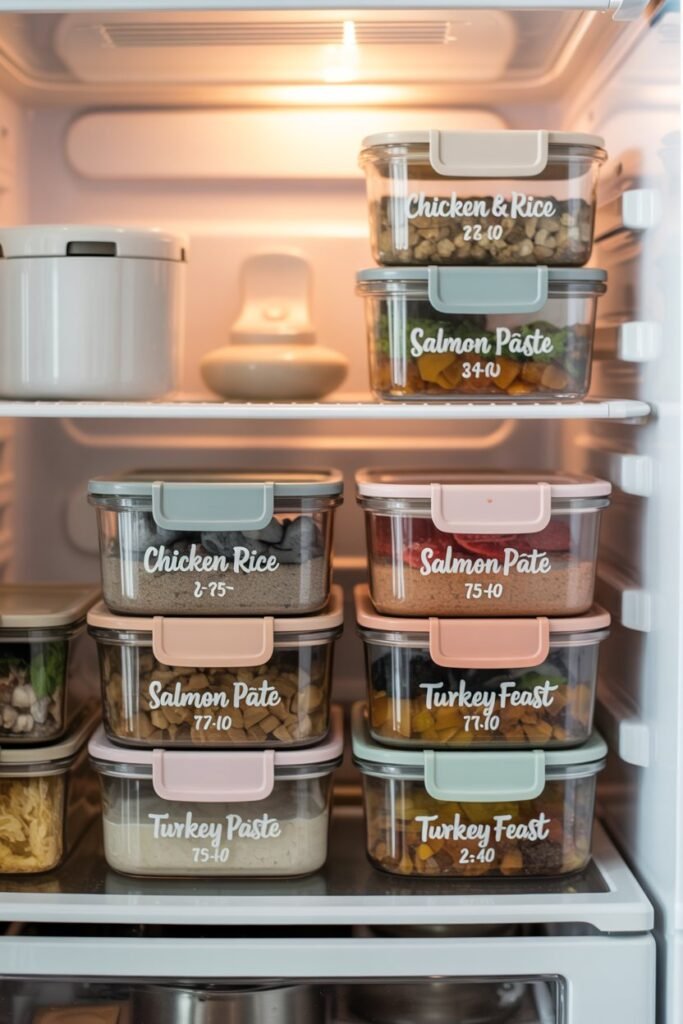
Homemade pet food must be stored carefully to avoid spoilage.
Refrigerator Storage
Fresh meals usually last:
- 3–4 days refrigerated
Store in airtight containers.
Freezer Storage
Frozen homemade cat food can last:
- Up to 2 months
Freeze in:
- Ice cube trays
- Silicone molds
- Small meal-prep containers
Always thaw meals safely in the refrigerator.
How Much Homemade Food Should You Feed?
Portion sizes depend on:
- Weight
- Age
- Activity level
- Existing diet
As a general guideline:
- Smaller cats need less
- Active cats need more calories
- Homemade meals are often more filling because of moisture content
Start slowly if your cat is used to dry kibble.
Tips for Transitioning Cats to Homemade Food
Some cats accept homemade meals immediately.
Others stare at you like you’ve committed a personal offense.
Cats can be extremely particular about:
- Texture
- Temperature
- Smell
- Moisture
Try These Tips:
Warm the Food Slightly
Warm food smells stronger and feels more appealing.
Mix With Existing Food
Gradually combine homemade food with your cat’s regular meals.
Start Small
Even one spoonful counts during the transition phase.
Experiment With Texture
Some cats prefer:
- Pâté consistency
- Chunky bites
- Shredded meat
- Soupy mixtures
How Homemade Cat Food Saves Money
Many cat owners assume homemade pet food automatically costs more, but that isn’t always true.
You can save money by:
- Buying meat in bulk
- Using freezer storage
- Reducing food waste
- Cooking larger batches
- Using affordable protein options
Homemade meals can also reduce the temptation to buy expensive “premium” cat foods with fancy marketing but similar ingredients.
Common Homemade Cat Food Mistakes
Avoid these beginner mistakes:
Feeding Only Muscle Meat
Cats also need nutrients found in organs and balanced ingredients.
Overusing Fish
Too much fish can create nutritional imbalances.
Adding Seasonings
Cats do not need spices, salt, garlic, or onions.
Ignoring Portion Sizes
Overfeeding homemade food can still lead to weight gain.
Making Sudden Changes
Rapid food changes can upset your cat’s stomach.
Signs Your Cat Is Enjoying the New Diet
A healthy homemade-food transition may lead to:
- Shinier coat
- Better hydration
- Increased energy
- Improved appetite
- Smaller stool odor
- Healthy weight maintenance
If you notice vomiting, diarrhea, lethargy, or appetite loss, stop the new food and contact your veterinarian.
Final Thoughts
Preparing homemade cat food can feel surprisingly rewarding. Not only can it help stretch your grocery budget, but it also gives you more control over what goes into your cat’s bowl.
The key is balance, safety, and consistency.
You do not need gourmet ingredients or complicated recipes to nourish your cat well. Simple proteins, gentle vegetables, proper preparation, and thoughtful meal planning can go a long way.
Start with one recipe, observe what your cat enjoys most, and slowly build a routine that works for both of you. Over time, homemade meals can become a comforting part of your cat’s daily life — and a sweet little act of care they’ll happily purr for every day.