Fall Dog Treat Recipes
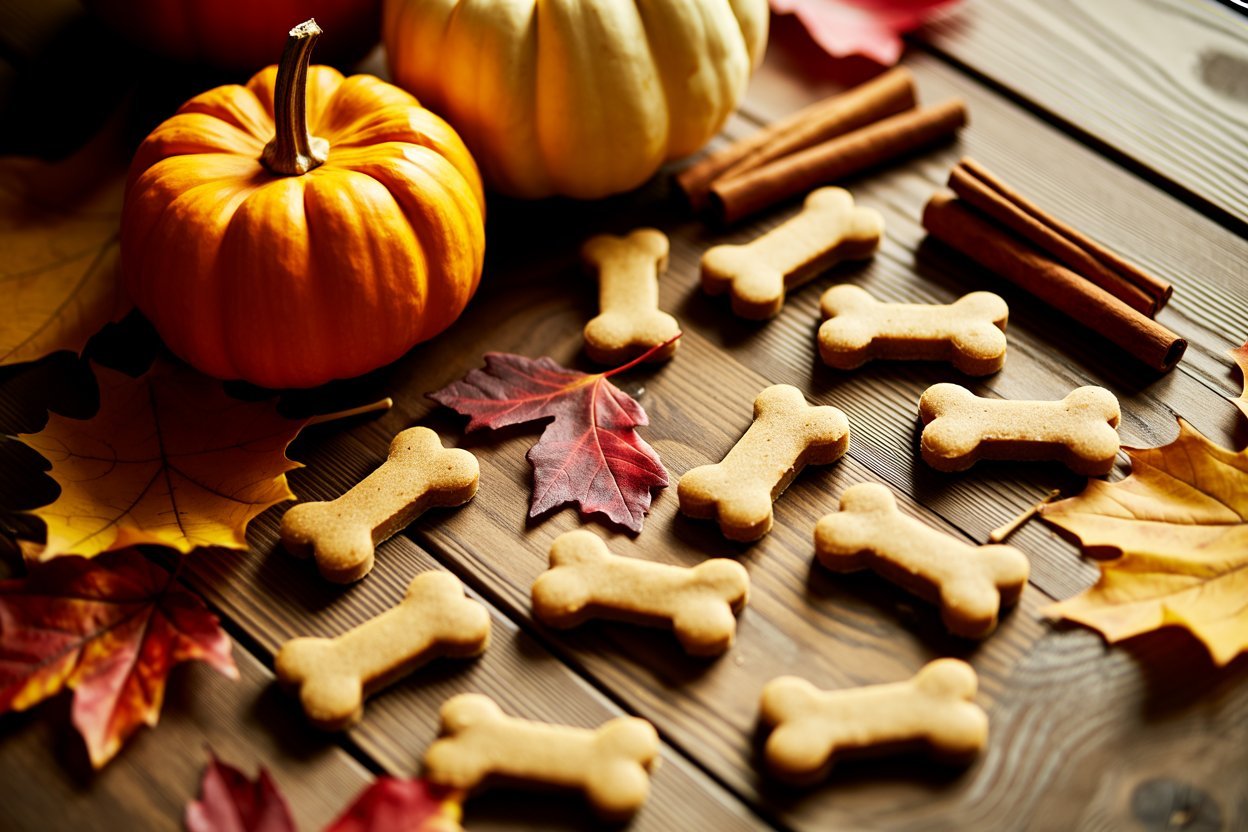
Every year when the first cool morning hits, I find myself standing in my kitchen with a bag of pumpkin and a mixing bowl, and my dog already knows what that means.
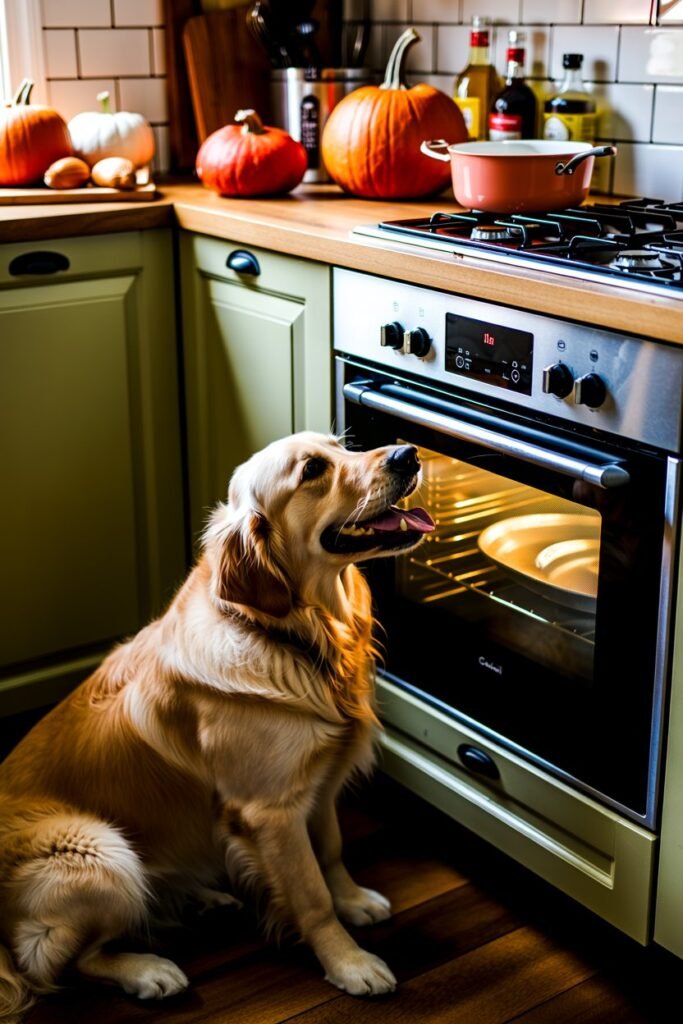
She parks herself by the oven and doesn’t move until the timer goes off.
Over the years, testing batch after batch, I’ve learned which ingredients actually work, which ones to avoid completely, and which recipes disappear the fastest.
This guide is everything I wish someone had handed me when I started baking for my dog, and I hope it saves you some trial and error.
Why Homemade Fall Treats Are Worth the Effort
Store-bought treats are convenient, but many are loaded with preservatives, fillers, and sugar your dog doesn’t need.
When you bake at home, you control exactly what goes into your dog’s body, and you can tailor recipes around allergies, weight management, or simple picky-eater preferences.
Fall also happens to bring some of the most dog-friendly ingredients of the whole year: pumpkin, sweet potato, apples, and oats are all nutritious, easy to digest, and naturally sweet without added sugar.
That means you get to enjoy the cozy flavors of the season while giving your dog something genuinely good for them.
There’s also something satisfying about the ritual itself. Baking treats together, even if “together” just means your dog supervising from three feet away, becomes part of the season the same way pumpkin carving or apple picking does. It’s a small thing, but it adds warmth to the colder months.
Read 2-Ingredient Homemade Cheese Dog Treats Your Dog Will Love
Safety First: What to Know Before You Start Baking
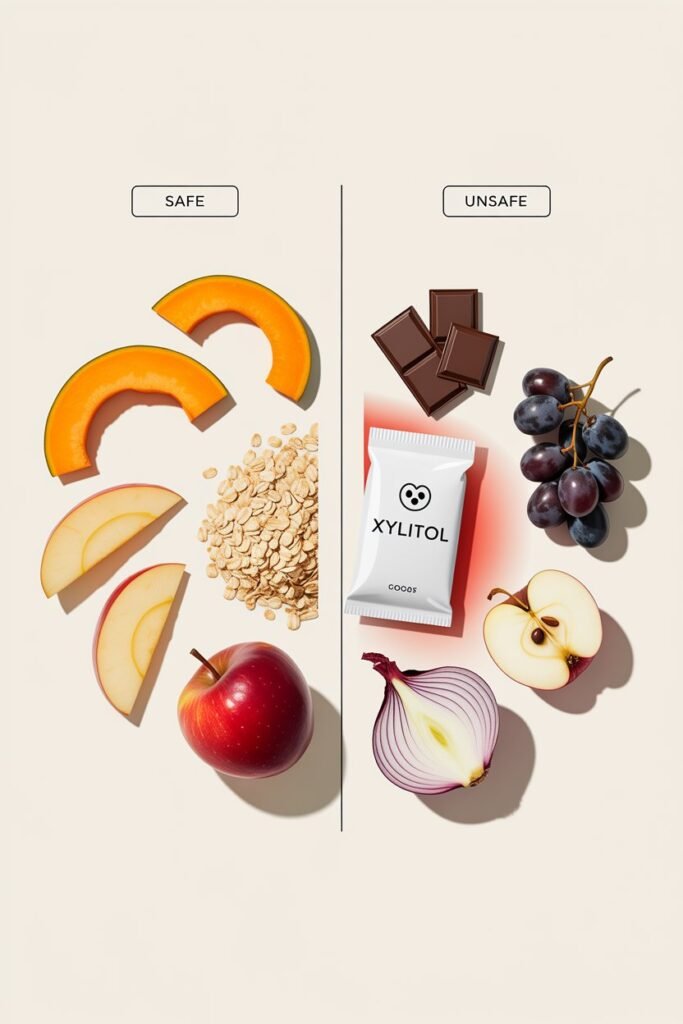
Before diving into recipes, it’s important to cover the ground rules. Dogs don’t process food the same way humans do, and some common baking ingredients that are perfectly fine for us can be dangerous for them. Keep this list nearby every time you bake:
Ingredients to never use:
- Xylitol (a sugar substitute found in some peanut butters, baked goods, and gum) — extremely toxic to dogs, even in small amounts, and can cause a rapid, life-threatening drop in blood sugar.
- Chocolate — contains theobromine, which dogs cannot metabolize efficiently.
- Raisins and grapes — can cause kidney failure in some dogs, even in small quantities.
- Onion and garlic (including powders) — damage red blood cells and can cause anemia.
- Macadamia nuts — toxic and can cause weakness, vomiting, and tremors.
- Excess nutmeg — contains myristicin, which can be toxic in larger amounts, so it’s best avoided or used only in trace amounts if a recipe calls for it.
- Artificial sweeteners in general — always check labels on any packaged ingredient like peanut butter before using it.
A few more good habits:
- Always check that peanut butter is labeled “xylitol-free” before buying it for dog treats.
- Introduce any new treat in small amounts first, especially if your dog has a sensitive stomach or known allergies.
- Treats should make up no more than about 10% of your dog’s daily calorie intake, so keep portions modest, especially for smaller breeds.
- If your dog has a medical condition like diabetes, pancreatitis, or kidney disease, check with your veterinarian before introducing new treats, even homemade ones.
- Let treats cool completely before serving, and store them properly (details on that at the end of this post).
With that out of the way, let’s get into the recipes.
Recipe 1: Pumpkin Peanut Butter Biscuits
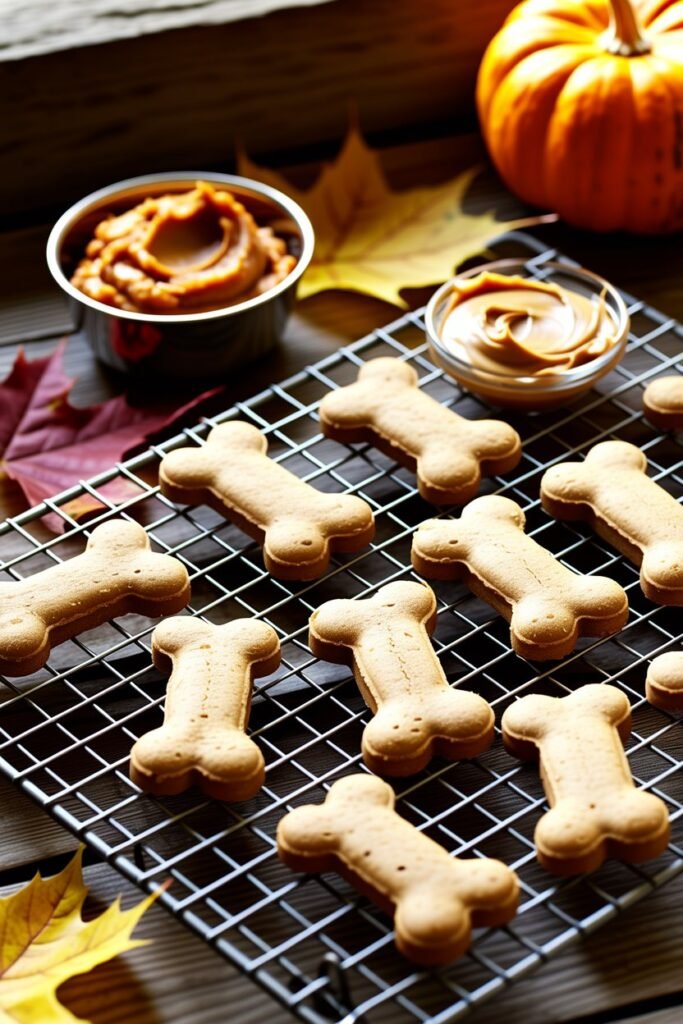
This is the recipe that started it all for me, and it’s still the one my dog begs for the most. Pumpkin is rich in fiber and supports healthy digestion, and peanut butter (the right kind) is a crowd-pleaser in every household.
Ingredients:
- 1 cup canned pure pumpkin (not pumpkin pie filling, which contains added sugar and spices)
- 1/2 cup natural, xylitol-free peanut butter
- 2 cups whole wheat flour (or oat flour for a grain-sensitive option)
- 1 egg
- 1 teaspoon ground cinnamon
Instructions:
- Preheat your oven to 350°F (175°C) and line a baking sheet with parchment paper.
- In a large bowl, mix the pumpkin, peanut butter, and egg until smooth.
- Gradually add the flour and cinnamon, stirring until a firm dough forms. If it’s too sticky, add a little more flour a tablespoon at a time.
- Roll the dough out to about 1/4-inch thickness on a floured surface.
- Use a cookie cutter (bone or leaf shapes are fun for fall) to cut out treats.
- Place on the baking sheet and bake for 20 to 25 minutes, until firm and lightly golden.
- Let cool completely before serving.
These biscuits are hard and crunchy, which is great for dental health, and they store well for weeks.
Recipe 2: Apple Cinnamon Oat Treats

Apples are a wonderful low-calorie snack for dogs, packed with vitamins A and C. Just be sure to remove the core and seeds first, since apple seeds contain trace amounts of cyanide-producing compounds and can be a choking hazard.
Ingredients:
- 1 small apple, cored, seeded, and finely grated
- 1 1/2 cups rolled oats
- 1/2 cup unsweetened applesauce (no added sugar or spice blends)
- 1/2 teaspoon ground cinnamon
- 1 egg
Instructions:
- Preheat the oven to 350°F (175°C) and line a baking sheet with parchment paper.
- Combine the grated apple, applesauce, egg, and cinnamon in a bowl.
- Stir in the oats until a thick, moldable dough forms.
- Drop spoonfuls onto the baking sheet and flatten slightly with the back of a spoon or your palm.
- Bake for 18 to 20 minutes, until firm to the touch.
- Cool completely before serving.
These have a soft, chewy texture, making them a good option for senior dogs or those with dental sensitivities.
Recipe 3: Sweet Potato Chews
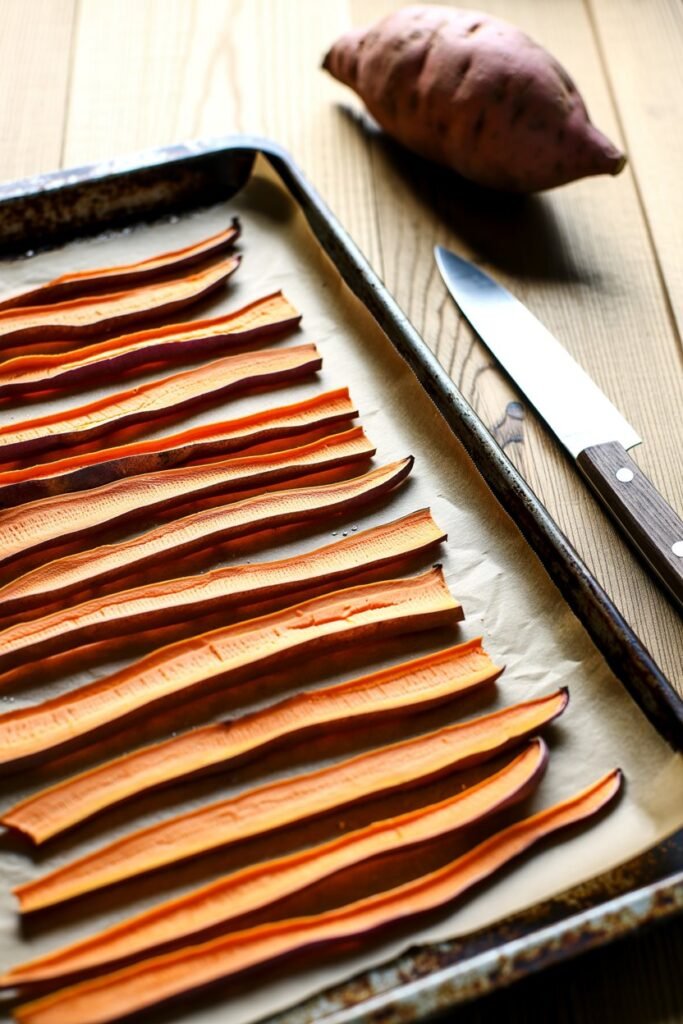
If your dog loves a good chewy snack, this one is about as simple as it gets, just one ingredient, and it doubles as a great alternative to rawhide.
Ingredients:
- 1 large sweet potato
Instructions:
- Preheat your oven to 250°F (120°C) and line a baking sheet with parchment paper.
- Wash the sweet potato thoroughly and slice it lengthwise into strips about 1/4-inch thick.
- Lay the strips flat on the baking sheet, making sure they don’t overlap.
- Bake for 2.5 to 3 hours, flipping halfway through, until the strips are dried out and chewy rather than mushy.
- Let cool completely, they’ll firm up more as they cool.
Because these are naturally sweet and gently dehydrated, they keep well and make an excellent training treat since they can be broken into small pieces.
Recipe 4: Pumpkin Banana Frozen Bites
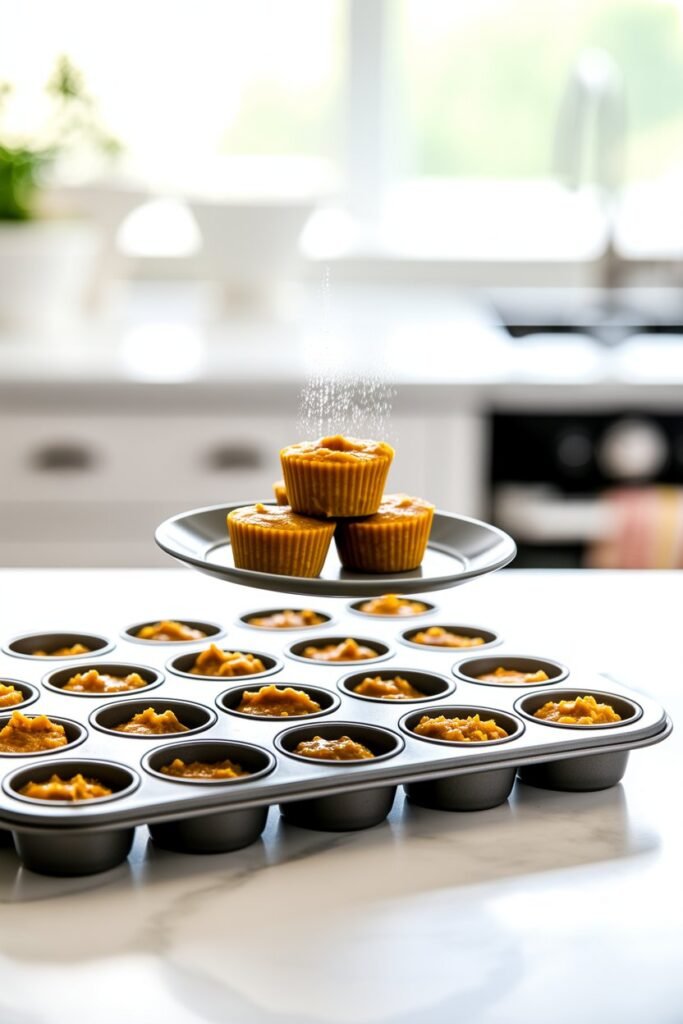
Not every fall treat needs to come out of the oven. These frozen bites are great for warmer fall days or as a refreshing snack after a long walk.
Ingredients:
- 1/2 cup canned pure pumpkin
- 1 ripe banana, mashed
- 1/4 cup plain, unsweetened yogurt (make sure it doesn’t contain xylitol or artificial sweeteners)
Instructions:
- Mash the banana in a bowl and mix in the pumpkin and yogurt until smooth.
- Spoon the mixture into a silicone ice cube tray or mini muffin tin.
- Freeze for at least 4 hours, or until solid.
- Pop out and store in a freezer-safe bag.
These are especially popular with dogs who need a little extra hydration or who enjoy a cool, soft treat.
Recipe 5: Turkey and Cranberry Meatballs
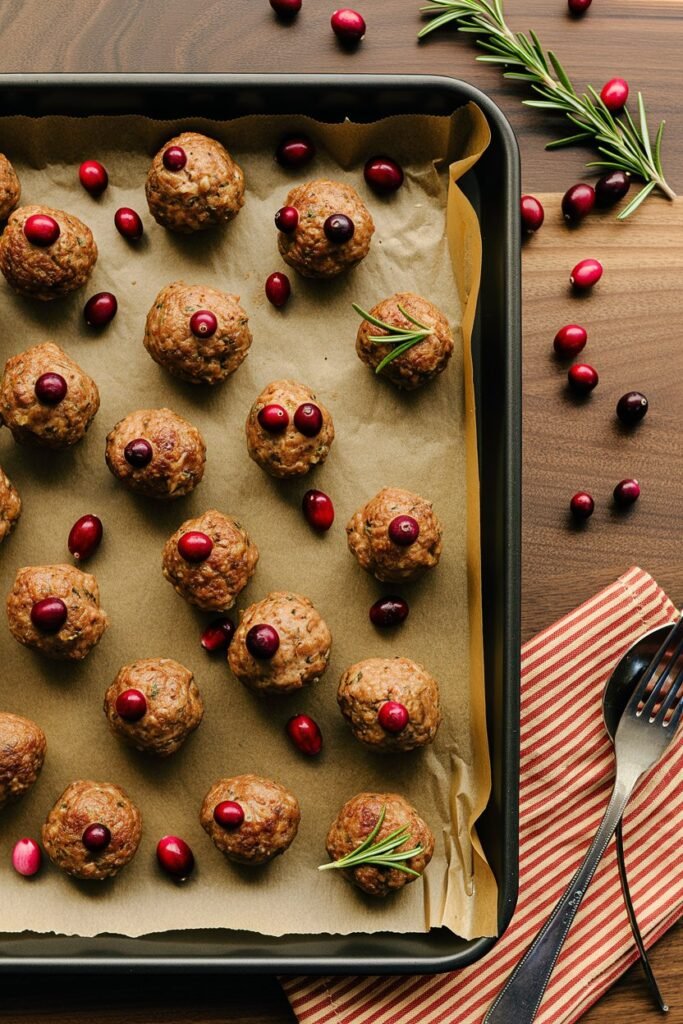
With Thanksgiving around the corner, this recipe lets your dog join in the seasonal flavors safely. Cranberries in moderation are fine for dogs and even offer some antioxidant benefits, but always use plain, unsweetened cranberries, not the sugary sauce from your holiday table.
Ingredients:
- 1 pound ground turkey (plain, unseasoned)
- 1/4 cup plain rolled oats
- 2 tablespoons finely chopped fresh or dried unsweetened cranberries
- 1 egg
Instructions:
- Preheat the oven to 375°F (190°C) and line a baking sheet with parchment paper.
- Combine the turkey, oats, cranberries, and egg in a bowl, mixing until evenly combined.
- Roll into small, bite-sized balls appropriate for your dog’s size.
- Place on the baking sheet and bake for 20 minutes, or until fully cooked through (internal temperature of 165°F).
- Let cool completely before serving, and slice larger meatballs to check they’re cooked through the center.
These freeze well, so you can make a big batch and pull out a few at a time.
Recipe 6: Oatmeal Cinnamon Cookies
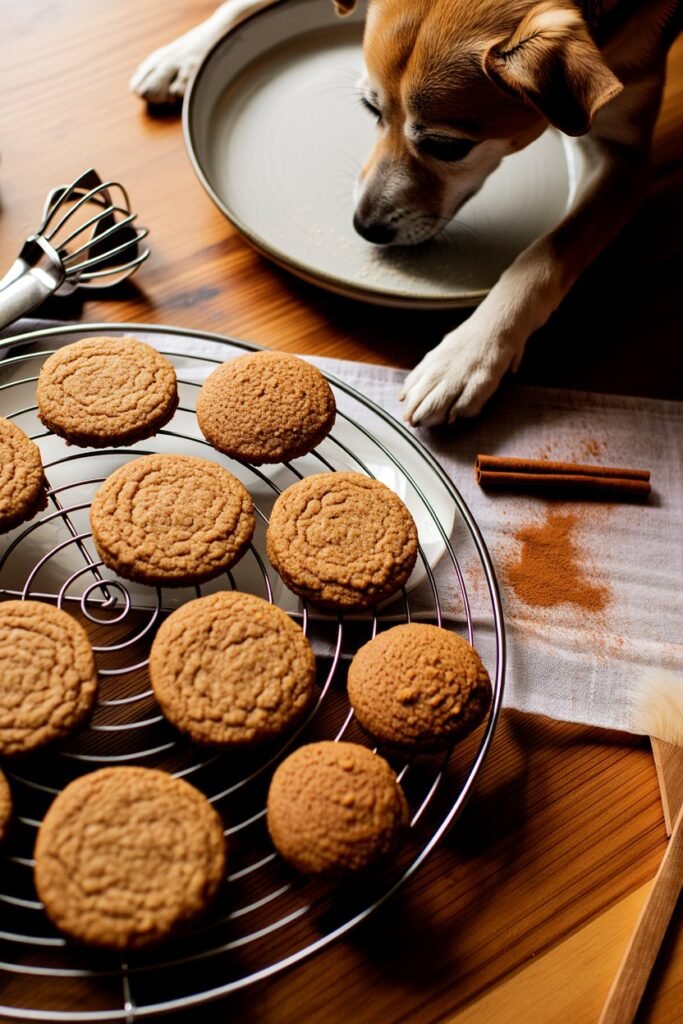
For a treat that feels like it belongs on a dessert table, but is entirely dog-safe, these simple cookies bring warm cinnamon flavor without any of the sugar or spice blends that could upset your dog’s stomach.
Ingredients:
- 2 cups rolled oats, ground into a coarse flour using a blender or food processor
- 1 ripe banana, mashed
- 1/2 cup unsweetened applesauce
- 1/2 teaspoon ground cinnamon
Instructions:
- Preheat the oven to 350°F (175°C) and line a baking sheet with parchment paper.
- Mix the banana, applesauce, and cinnamon together until smooth.
- Stir in the oat flour until a soft dough forms.
- Scoop small rounds onto the baking sheet and flatten gently.
- Bake for 15 to 18 minutes, until firm and lightly golden on the edges.
- Cool completely before serving.
Storing Your Homemade Treats
Homemade treats don’t contain the preservatives that store-bought options do, so proper storage matters. As a general guide:
- Hard biscuits (like the pumpkin peanut butter recipe) can be stored in an airtight container at room temperature for up to two weeks.
- Soft or moist treats (like the apple oat treats or turkey meatballs) should be refrigerated and used within about a week.
- Frozen bites will keep well in the freezer for up to two months.
- Dehydrated sweet potato chews can be stored in an airtight container for two to three weeks, or longer if kept in the fridge.
If you’re ever unsure whether a treat has gone bad, trust your senses the same way you would with your own food. If it smells off or looks discolored, it’s better to toss it.
A Final Note
Baking for your dog isn’t about being a perfect chef or following every recipe exactly. It’s about knowing your dog, watching how they respond to different ingredients, and adjusting from there.
Some dogs love pumpkin and turn their nose up at sweet potato. Others can’t get enough peanut butter. Pay attention, keep portions reasonable, and don’t be afraid to experiment within the boundaries of what’s safe.
If your dog has any known health conditions, allergies, or dietary restrictions, it’s always worth a quick check with your veterinarian before introducing new treats, even homemade ones made with simple, wholesome ingredients.
But for most healthy dogs, these fall recipes are a wonderful way to bring a little extra warmth and care into the season, one paw-approved treat at a time.