Cinnamon Roll Dog Treats: Easy Homemade Puppy Treat Recipe
Whenever I bake something special for my dog, I love finding a way to make her feel included without sharing foods that are loaded with sugar, butter, or ingredients that aren’t suitable for dogs.
These homemade cinnamon roll dog treats are one of those recipes that make treat time feel extra special.
They have that cozy cinnamon-roll aroma I love, but they are made with simple, dog-friendly ingredients and no sugary frosting. The best part is that they are surprisingly easy to prepare, even if you are not an experienced baker. If your pup loves homemade treats, this is such a sweet little recipe to keep on hand.
What Are Cinnamon Roll Dog Treats?

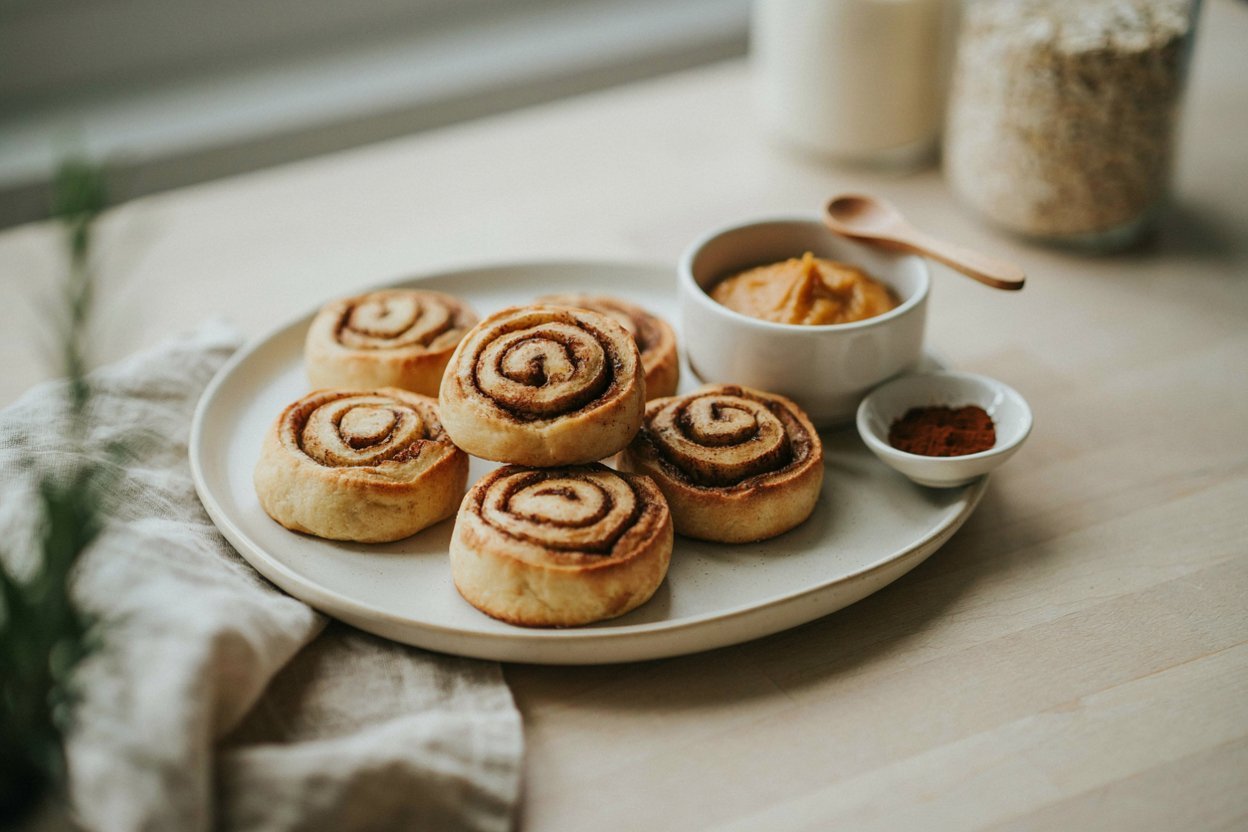
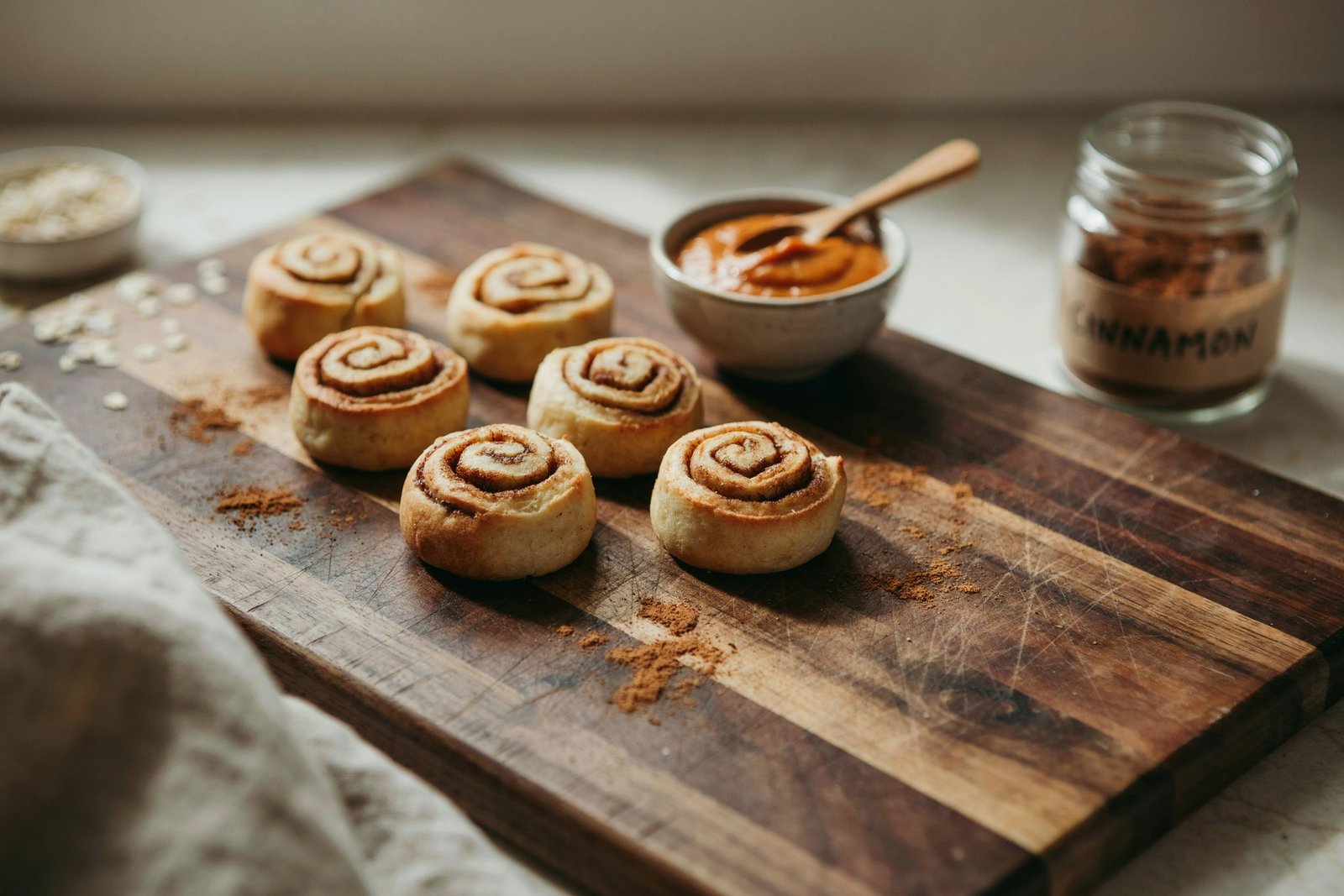
Cinnamon roll dog treats are homemade baked treats designed to look and smell a little like traditional cinnamon rolls while being prepared specifically for dogs.
Instead of making a traditional cinnamon roll with yeast, lots of sugar, butter, and sweet icing, this dog-friendly version uses simple ingredients that are more appropriate for an occasional canine treat.
The dough is rolled out, lightly filled with a simple cinnamon mixture, rolled into a log, sliced into small pieces, and baked until firm.
They are especially fun because you can make them small enough for training rewards or a little larger for an occasional snack.
And honestly, I love recipes like this because they make homemade dog treats feel much more exciting than simply baking plain biscuits.#
Read No-Bake Peanut Butter & Oatmeal Dog Treats – 3-Ingredient Healthy Bites
Can Dogs Eat Cinnamon?
Yes, plain cinnamon is generally considered non-toxic to dogs, but that does not mean dogs should eat large quantities of it.
The ASPCA lists cinnamon as non-toxic to dogs. However, larger exposures can irritate the mouth and stomach, while inhaling cinnamon powder can cause coughing or breathing problems.
That is why this recipe uses only a small amount of cinnamon.
It is also important to remember that human cinnamon rolls are different from homemade dog treats. Traditional cinnamon rolls can contain large amounts of sugar and fat, and some recipes or packaged products may contain raisins, xylitol, chocolate, or other ingredients that are dangerous for dogs.
For this recipe, I recommend using plain ground cinnamon and checking every ingredient label carefully, especially if you are using peanut butter or another prepared ingredient.
Why Make Homemade Cinnamon Roll Treats?
One of my favorite things about making dog treats at home is knowing exactly what goes into the recipe.
Homemade treats also allow you to adjust the size and texture depending on your dog’s needs.
Here are a few reasons you may want to try these:
- They are easy to make.
- You control the ingredients.
- You can make small treats for training.
- They are a fun alternative to ordinary dog biscuits.
- You can prepare a batch ahead of time.
- They make a thoughtful homemade gift for another dog owner.
- Your kitchen will smell wonderfully cozy while they bake.
Most importantly, homemade treats should complement your dog’s regular balanced diet rather than replace meals. The ASPCA recommends giving treats sparingly and keeping them nutritionally appropriate.
Ingredients You’ll Need
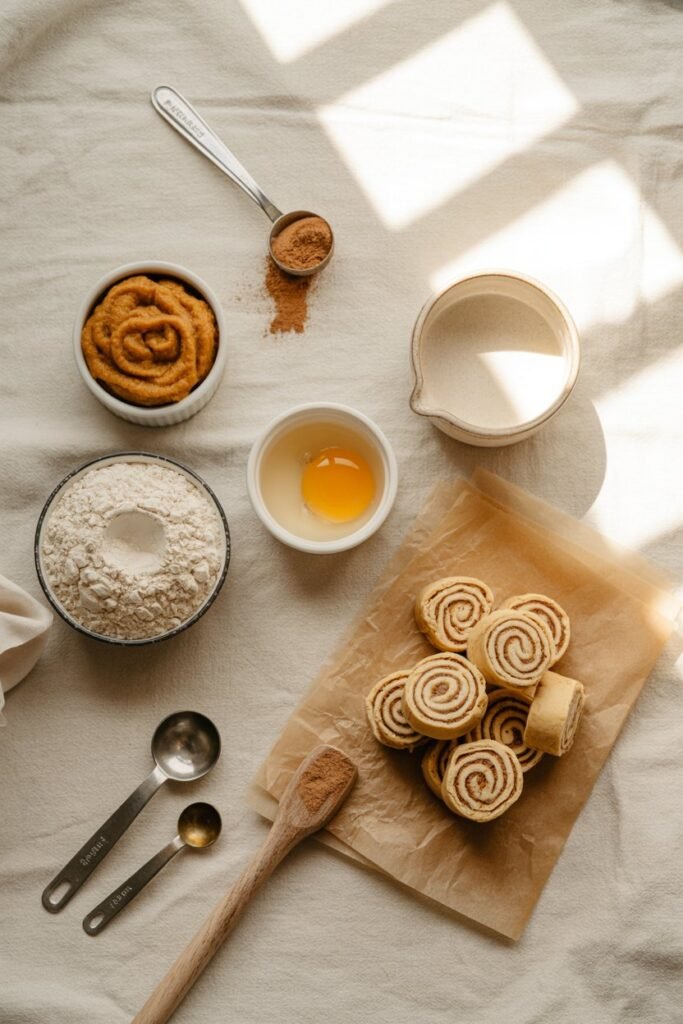
For this recipe, you will need a few basic ingredients.
For the Dough
1 cup whole wheat flour
Whole wheat flour gives the treats structure and makes a sturdy dough that is easy to roll and slice. If your dog has a known dietary sensitivity to wheat, ask your veterinarian about an appropriate alternative flour.
1/2 cup plain pumpkin purée
Use plain pumpkin purée rather than pumpkin pie filling. Pumpkin pie filling can contain added sugar and spices that are not appropriate for dogs.
Pumpkin also helps add moisture to the dough.
1 egg
Egg helps bind the ingredients together and contributes to the structure of the baked treats.
1 tablespoon water, if needed
You may not need any water at all. Add only a tiny amount if the dough seems too dry.
For the Filling
1 teaspoon plain ground cinnamon
A small amount is all you need. Do not add extra cinnamon simply to make the treats smell stronger.
1 tablespoon plain unsweetened pumpkin purée
This creates a simple filling without needing butter, sugar, or icing.
Optional
You can add a very small amount of dog-safe, unsweetened peanut butter if your dog already tolerates peanuts and the product contains no xylitol. Xylitol is dangerous to dogs, so always read the ingredient label carefully.
How to Make Cinnamon Roll Dog Treats
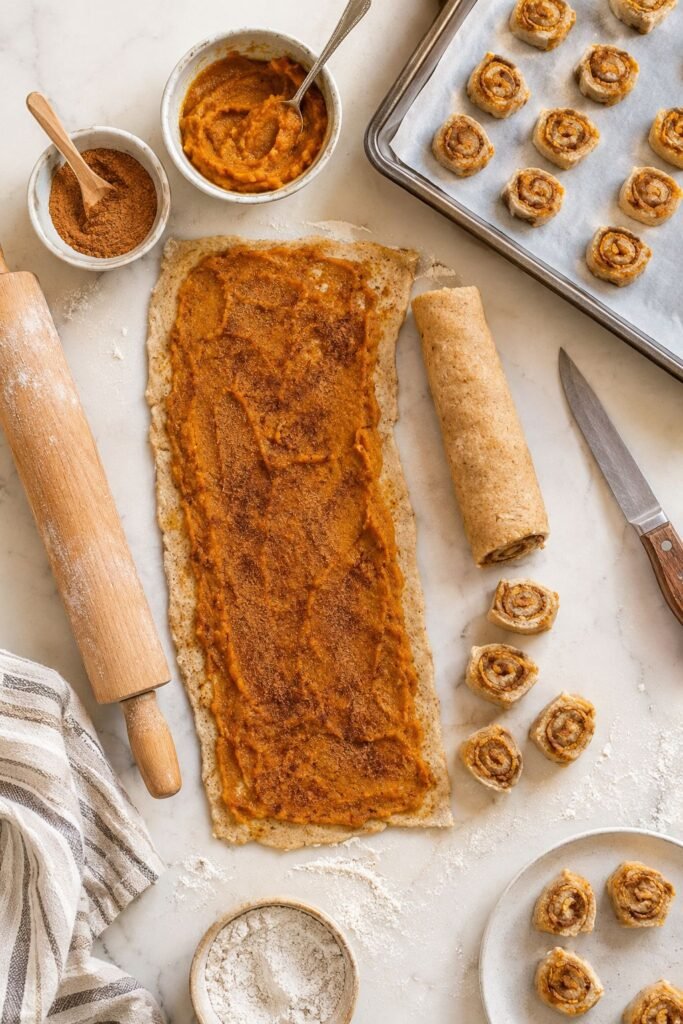
Step 1: Preheat the Oven
Preheat your oven to 350°F (175°C).
Line a baking sheet with parchment paper or use a silicone baking mat.
Preparing the tray first makes the process easier once your dough is ready.
Step 2: Make the Dough
Add the whole wheat flour, pumpkin purée, and egg to a mixing bowl.
Stir everything together until the ingredients begin forming a dough.
If the mixture feels extremely dry and crumbly, add a tiny amount of water at a time.
You want a dough that is soft enough to roll but not sticky.
If it feels too wet, sprinkle in a little more flour.
Step 3: Prepare Your Rolling Surface
Lightly flour a clean work surface.
Place the dough onto the surface and gently press it together.
Roll it into a rectangle approximately 1/4 inch thick.
It does not need to look perfect. In fact, slightly rustic-looking treats are part of the charm of homemade dog baking.
Step 4: Add the Cinnamon Filling
Mix the small amount of cinnamon with the pumpkin purée.
Spread a very thin layer over the surface of the dough.
Try not to spread the filling all the way to the edges. Leaving a small border makes rolling much easier.
Remember that you are aiming for a light cinnamon flavor, not a heavily spiced pastry.
Step 5: Roll the Dough
Starting from one long side, carefully roll the dough into a log.
Roll it gently but firmly enough that the layers stay together.
If the dough cracks slightly, simply press it back together with your fingers.
This is one of those recipes where perfection really isn’t necessary.
Step 6: Slice the Rolls
Using a sharp knife, carefully slice the dough log into small rounds.
Keep the pieces small, particularly if you have a small dog or plan to use the treats during training.
Arrange the slices on your prepared baking sheet with a little space between them.
Step 7: Bake
Place the tray in the preheated oven.
Bake for approximately 18 to 25 minutes, depending on the size and thickness of your treats.
You want them to be cooked through and lightly firm.
For a crunchier treat, you can allow them to bake slightly longer at a lower temperature after they are cooked, but watch them carefully so they do not burn.
Step 8: Cool Completely
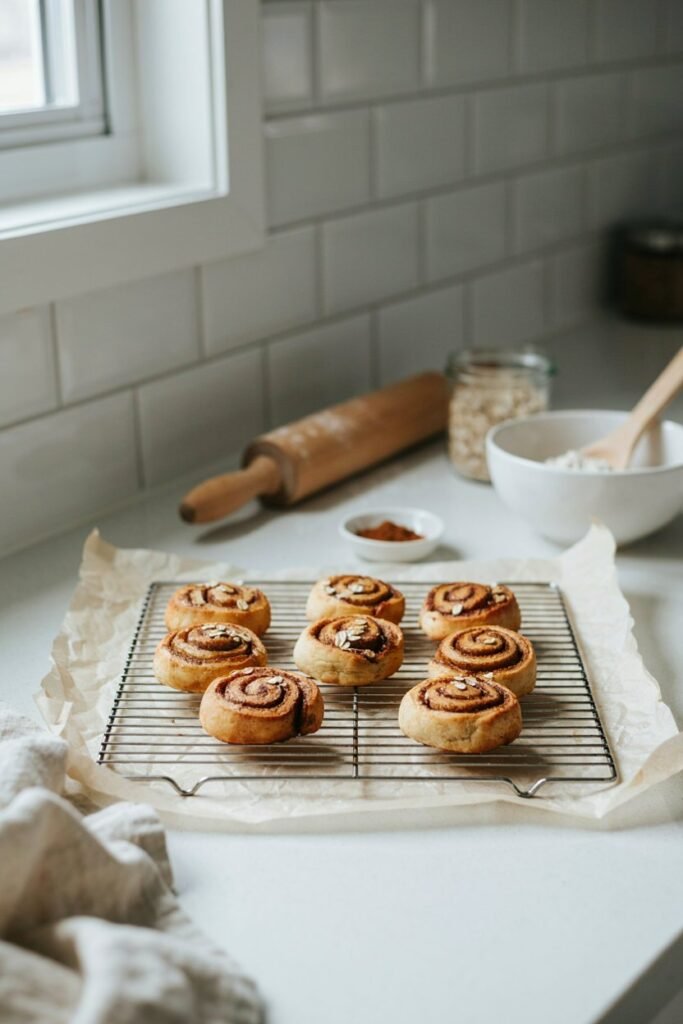
Remove the treats from the oven and let them cool completely on the baking sheet or a wire rack.
Do not give your dog a hot treat straight from the oven.
Once completely cooled, they are ready for your pup to enjoy.
How Big Should You Make Them?
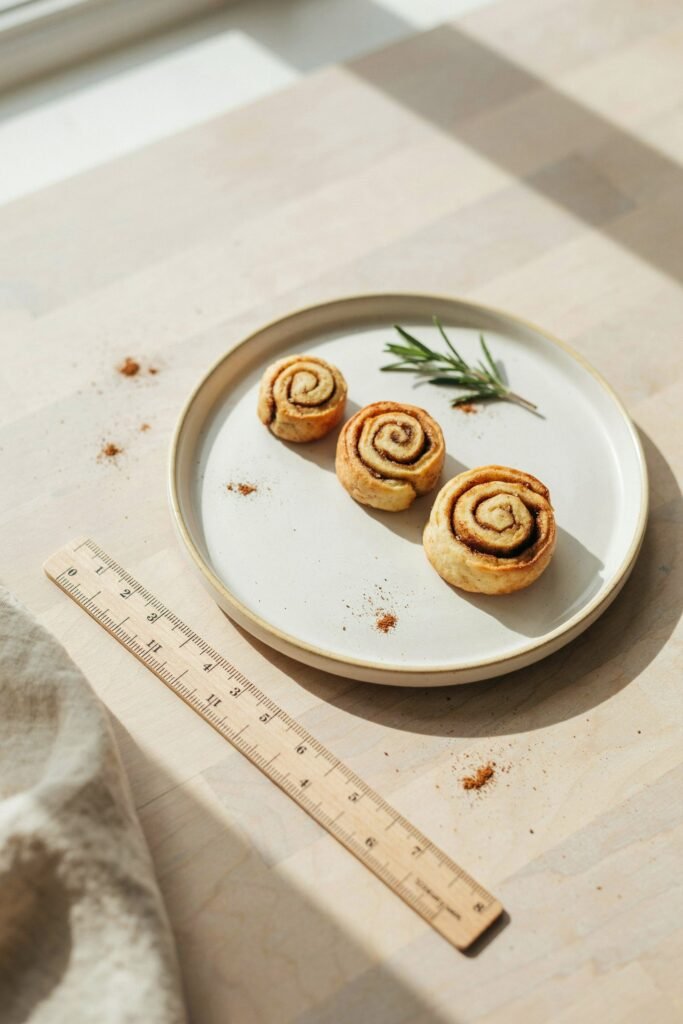
The perfect treat size depends on your dog’s size, age, activity level, and overall diet.
For a small dog, you can make very tiny slices.
For a medium or large dog, slightly larger treats may be appropriate.
I personally like making a batch with different sizes because smaller pieces are convenient for training while slightly larger ones work nicely as an occasional snack.
Remember that treats count toward your dog’s overall daily food intake. If your dog is on a special diet, has a health condition, or needs careful calorie management, check with your veterinarian before introducing homemade treats.
Important Ingredients to Avoid
When making homemade cinnamon treats for dogs, the ingredients you leave out are just as important as the ingredients you use.
Never Add Xylitol
Xylitol is highly dangerous to dogs.
It can appear in products such as some peanut butters, sugar-free foods, baked goods, and other products.
Always read the ingredient list before adding peanut butter or any packaged ingredient.
Skip Raisins
Raisins and grapes can be dangerous to dogs, so they should never be added to these treats.
This is another reason homemade dog treats are preferable to sharing a traditional human cinnamon roll.
Don’t Add Nutmeg
Nutmeg is commonly associated with human pumpkin and cinnamon recipes, but it should not be included in your dog’s treats.
The ASPCA notes that large exposures to nutmeg can cause serious effects in pets.
Avoid Sugary Icing
Traditional cinnamon rolls often have a sweet glaze or cream cheese frosting.
Your dog does not need it.
The homemade pumpkin-and-cinnamon filling gives these treats plenty of aroma without adding unnecessary sugar.
How to Store Homemade Cinnamon Roll Dog Treats
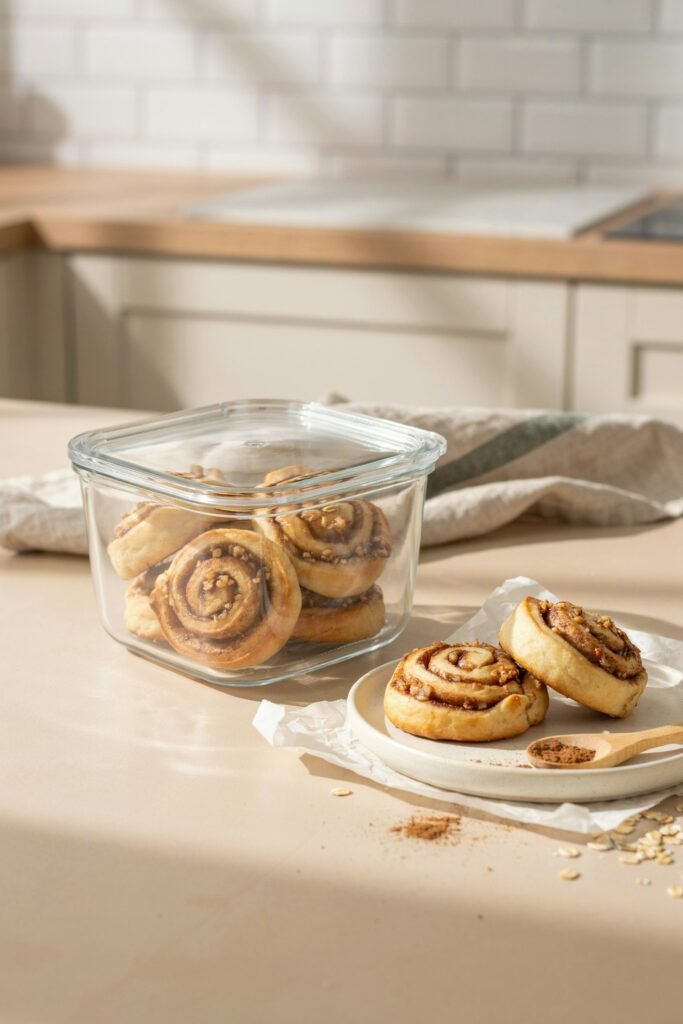
Once the treats have cooled completely, place them in an airtight container.
Because homemade treats do not contain the preservatives found in many commercial products, I prefer storing them conservatively.
For short-term storage, keep them in the refrigerator.
You can also freeze them if you have made a large batch.
To freeze them, place the completely cooled treats in a freezer-safe container or bag and separate layers with parchment paper.
When you want to give your dog one, allow it to thaw completely before serving.
Always check homemade treats for changes in smell, appearance, or texture before feeding them.
How Many Can Your Dog Have?
These should be treated as occasional treats, not a replacement for your dog’s normal food.
The appropriate amount depends on your dog’s size, diet, calorie needs, and health.
I like starting with a small piece when introducing any new homemade treat. That gives you an opportunity to see how your dog handles the new ingredients.
If your dog has allergies, digestive problems, diabetes, pancreatitis, is overweight, or eats a prescription diet, talk with your veterinarian before adding homemade treats to their routine.
Can Puppies Eat These Treats?
The recipe can be made into very small, soft pieces for puppies, but puppies have different nutritional needs from adult dogs.
If you have a young puppy, treats should remain a small part of the overall diet, and the puppy’s primary nutrition should come from an appropriate complete and balanced puppy food.
For puppies that are still very young or have sensitive stomachs, I would check with your veterinarian before introducing a new homemade recipe.
Tips for Making the Best Cinnamon Roll Dog Treats
Here are a few little tricks that can make this recipe easier.
Don’t make the dough too wet.
Sticky dough can be difficult to roll and slice. Add flour gradually if necessary.
Keep the cinnamon amount modest.
More cinnamon does not make these treats healthier. Cinnamon can be irritating in larger amounts.
Make uniform slices.
Keeping the pieces approximately the same thickness helps them bake more evenly.
Let them cool completely.
The treats will firm up as they cool.
Use plain ingredients.
Avoid flavored peanut butter, sweetened pumpkin products, spice blends, or anything containing questionable additives.
Make smaller treats.
Small homemade treats are easier to portion and are especially useful for training.
Why I Love This Recipe
What I love most about these cinnamon roll dog treats is that they feel like a little baking project rather than just another dog biscuit recipe.
The rolled shape makes them adorable, the pumpkin gives the dough a lovely texture, and the small amount of cinnamon creates that warm aroma that makes the kitchen smell amazing.
And because you are making them yourself, you can decide exactly how large each treat should be.
I also think they are perfect for those days when you want to spoil your pup with something homemade without giving them a piece of your own dessert.
Frequently Asked Questions
Can dogs eat cinnamon?
Plain cinnamon is generally considered non-toxic to dogs in small culinary amounts. However, larger amounts can cause irritation or stomach upset, and cinnamon powder should not be inhaled.
Can I use regular cinnamon?
Yes, plain ground cinnamon can be used in a small amount. You do not need a large quantity for this recipe.
Can I add sugar?
I recommend leaving it out. Dogs do not need added sugar in their treats, and the pumpkin provides enough flavor for this simple recipe.
Can I use peanut butter?
Yes, provided your dog tolerates it and the peanut butter contains no xylitol. Always check the ingredient label.
Can I make these treats crunchy?
Yes. You can bake them until they become firmer, then allow them to cool completely. If you want them particularly crisp, use smaller, thinner slices and monitor them closely during the final minutes of baking.
Can I freeze them?
Yes. Allow the treats to cool completely before freezing them in an airtight, freezer-safe container.
Final Thoughts
Making homemade cinnamon roll dog treats is such a simple way to turn an ordinary afternoon into something special for your pup. I love that this recipe gives you the cozy look and aroma of cinnamon rolls without all the sugar, icing, and unnecessary ingredients found in traditional human versions.
Just remember that cinnamon should be used sparingly, and always check every ingredient you add, especially packaged products such as peanut butter.
Once your little rolls are baked and completely cooled, you can keep a few ready for training, rewards, or those moments when your dog gives you that irresistible look.
Homemade treats do not have to be complicated. Sometimes, a few simple ingredients, a little time in the kitchen, and a very happy pup are all you need.
Cinnamon Roll Dog Treats
Ingredients
Equipment
Method
- Preheat the oven — Preheat to 350°F (175°C). Line a baking sheet with parchment paper or a silicone baking mat.
- Make the dough — In a mixing bowl, combine the whole wheat flour, pumpkin purée, and egg. Stir until a dough forms — soft enough to roll but not sticky. Add water a tiny amount at a time if too dry, or a little more flour if too wet.
- Prepare your rolling surface — Lightly flour a clean work surface. Roll the dough into a rectangle about ¼ inch thick.
- Add the cinnamon filling — Mix the cinnamon with the pumpkin purée. Spread a very thin layer over the dough, leaving a small border at the edges.
- Roll the dough — Starting from one long side, carefully roll the dough into a log, firm enough to hold the layers together. Press cracks back together gently if needed.
- Slice the rolls — Using a sharp knife, slice the log into small rounds. Arrange on the prepared baking sheet with space between each piece.
- Bake — Bake for 18–25 minutes, until cooked through and lightly firm.
- Cool completely — Let cool fully on the baking sheet or a wire rack before serving.