DIY Dry Shampoo for Dogs: An Easy Way to Freshen Your Dog’s Coat at Home
Keeping my dog clean and smelling fresh is one of those little parts of pet care that can make everyday life so much more enjoyable. But I also know that a full bath is not always convenient.
Sometimes your pup comes inside with a slightly greasy coat after playing outdoors, or you notice a little doggy smell just when you are settling down for the evening.
That is where a simple grooming routine can help. In this guide, I will share how to approach DIY dry shampoo for dogs, how to use it carefully, and when your furry friend needs more than a quick refresh.
What Is Dry Shampoo for Dogs?
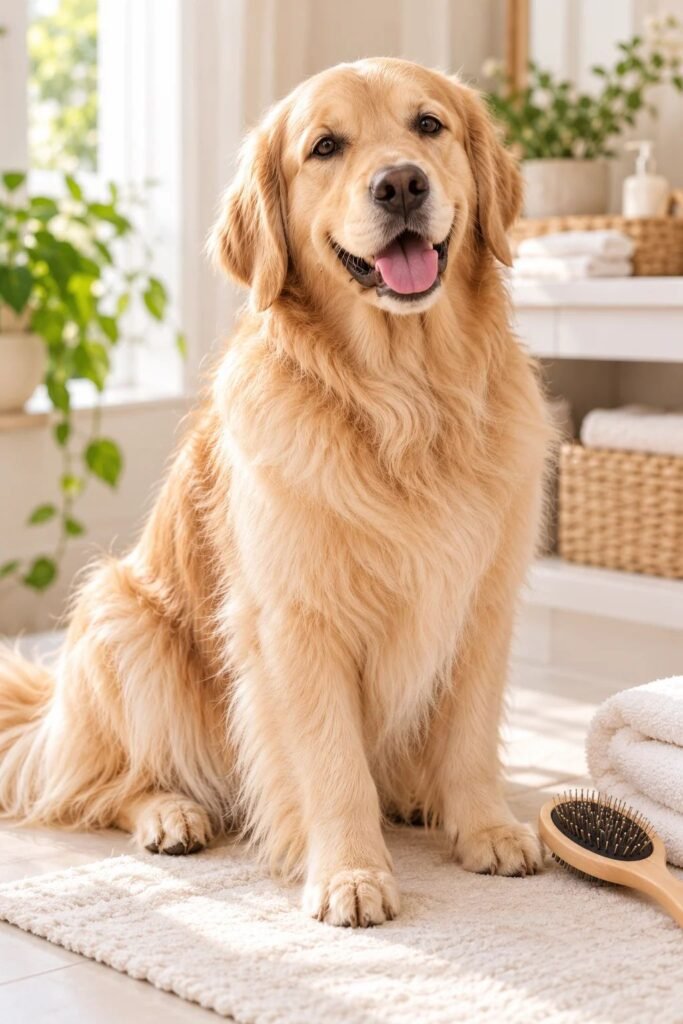
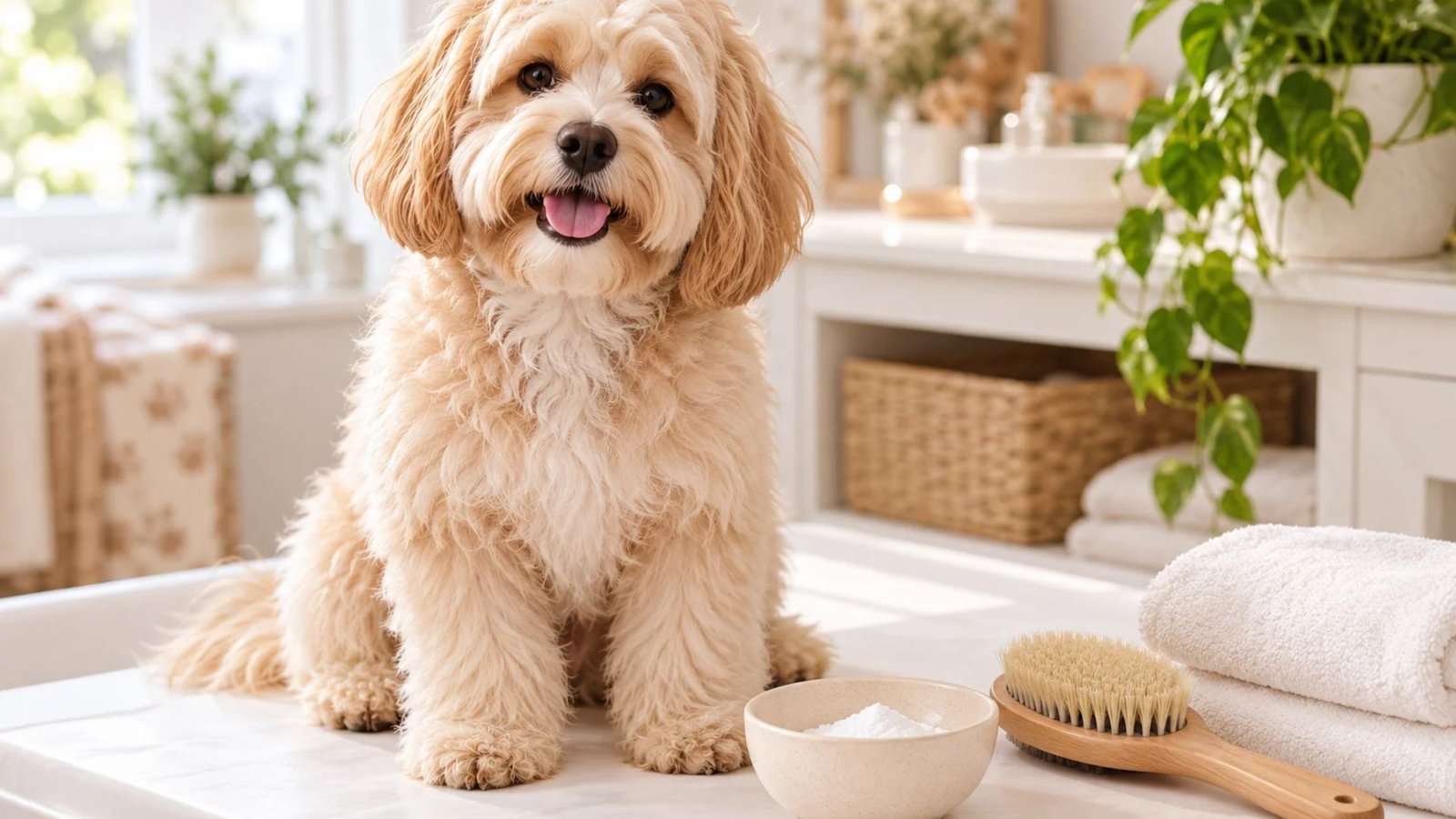
Dry shampoo for dogs is a grooming product designed to freshen a dog’s coat without requiring a traditional bath with water. Depending on the product, it may come as a powder, foam, mousse, or spray.
A powder-based dry shampoo works by absorbing some excess oil and helping loosen light dirt from the fur. Once you brush the coat thoroughly, some of that residue comes away with the brush.
For dog owners who want a convenient grooming option between baths, this can be useful. It may help when your dog has a slightly oily coat, has picked up a mild everyday smell, or needs a little freshening after spending time indoors and outdoors.
However, dry shampoo has limitations. It does not rinse away dirt, saliva, allergens, or other substances as thoroughly as a proper bath. It is also not a treatment for skin infections, parasites, or persistent itching.
The goal is to make grooming easier while keeping your dog’s skin and coat comfortable.
Read Shade Ideas for Dogs in Summer: Creative Ways to Keep Your Pup Cool and Comfortable
Why Consider DIY Dry Shampoo for Dogs?
There are several reasons dog owners consider homemade grooming products. You may want to keep your grooming routine simple, avoid unnecessary fragrances, or have an inexpensive option available between regular baths.
Here are some potential benefits of using a suitable dry grooming powder occasionally.
1. It Can Help Freshen a Slightly Oily Coat
Some dogs develop an oily feel between baths, particularly around areas that collect natural skin oils. A suitable grooming powder may absorb some of that surface oil, making the coat feel fresher.
Keep in mind that a noticeably greasy coat can sometimes indicate an underlying skin problem. If the oiliness keeps returning or comes with redness, itching, or an unpleasant smell, speak with your veterinarian instead of repeatedly applying powder.
2. It Can Make Between-Bath Grooming Easier
Bathing takes preparation, time, towels, and patience. If your dog dislikes getting wet, you may appreciate having a simpler grooming option for days when a full bath is unnecessary.
Brushing, wiping the paws, and checking the coat after walks can also help maintain cleanliness without bathing your dog every time they pick up a little dust.
3. It Can Be Convenient for Busy Pet Owners
A quick grooming session can fit into your regular routine. You can brush your dog’s coat, check for tangles, and remove loose surface dirt without setting aside time for a complete bath.
This is especially useful when your dog is otherwise clean and simply needs a little attention between scheduled baths.
4. It Encourages Regular Coat Care
Grooming is about more than appearance. Brushing gives you an opportunity to check your dog’s skin and coat for changes.
While grooming, look for unusual redness, flaky skin, new lumps, ticks, fleas, tangles, or areas your dog seems uncomfortable having touched. Finding changes early can help you decide when professional advice is needed.
DIY Dry Shampoo for Dogs: Ingredients and Safety
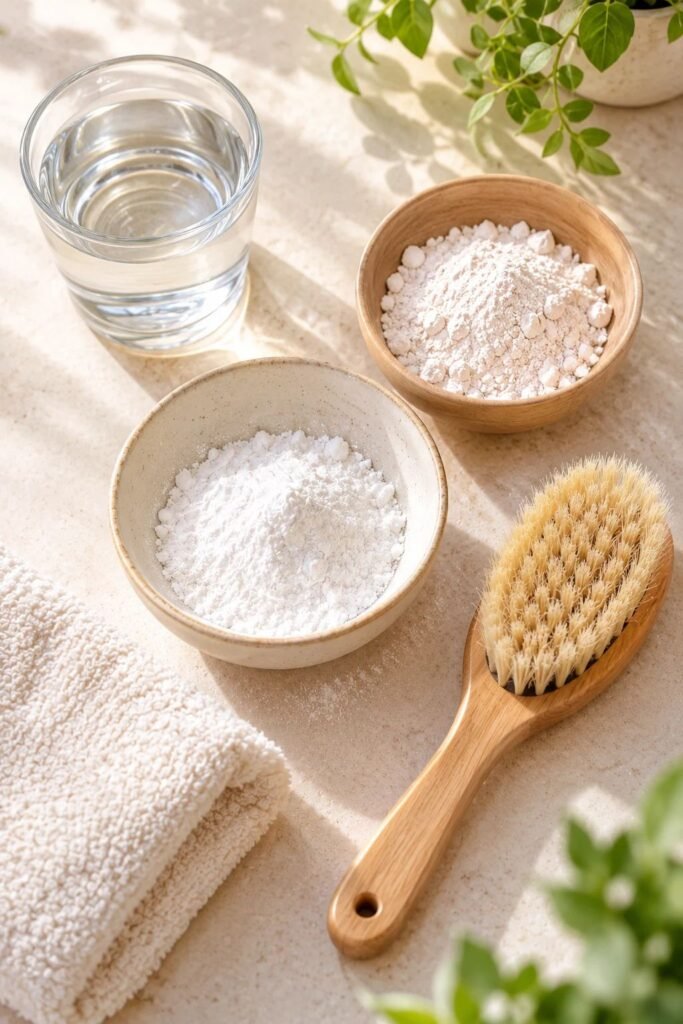
Before making any homemade grooming product, it is important to understand that natural ingredients are not automatically safe for every dog.
Some popular online recipes combine baking soda with cornstarch or arrowroot powder. However, I would not recommend treating this combination as universally safe for every dog. Fine powders can irritate the eyes and airways, and baking soda may irritate sensitive skin.
For a simple at-home grooming routine, I prefer starting with brushing and a slightly damp cloth rather than applying loose household powder to a dog’s entire body.
If you want to try a powder-based dry shampoo, a commercially formulated product specifically labelled for dogs is generally the more reliable choice. Choose an unscented option suitable for your dog’s age and skin condition, and follow the manufacturer’s directions.
Understanding Common DIY Ingredients
Cornstarch: This fine powder can absorb some surface moisture and oil. However, it can leave residue in the coat, and airborne particles may irritate your dog’s respiratory tract.
Arrowroot powder: This is another absorbent powder sometimes used in homemade grooming recipes. Its natural origin does not guarantee that it will be appropriate for every dog or safe to inhale.
Baking soda: Baking soda is commonly recommended online for odor control, but it can irritate skin and eyes. I would avoid making it a routine ingredient in a homemade dry shampoo, especially for dogs with sensitive skin.
Essential oils: I recommend leaving these out. Dogs can be sensitive to concentrated fragrances and essential oils, and some oils can be toxic depending on the substance and exposure. Adding a few drops does not automatically make a homemade product safe.
Perfumes and human dry shampoos: Avoid using products intended for people unless your veterinarian specifically recommends them. Human products may contain fragrances, solvents, or other ingredients unsuitable for your dog’s skin or likely to be licked from the coat.
When it comes to grooming, a simple, fragrance-free approach is often the best starting point.
A Gentle Alternative: How to Freshen Your Dog Without Powder
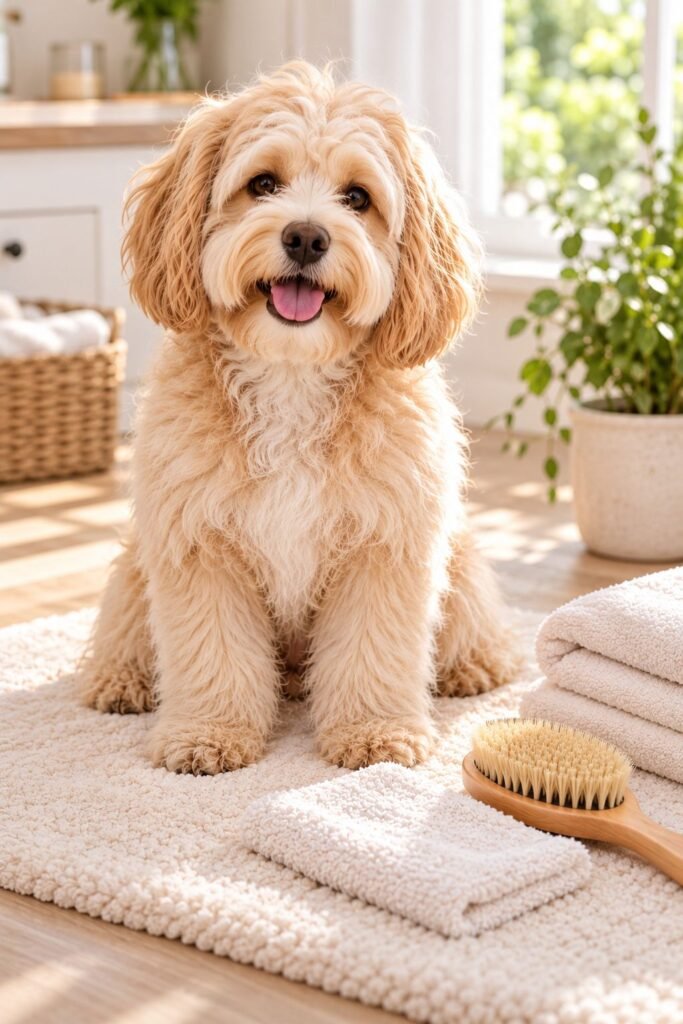
If your dog only needs a light refresh, you can often manage the situation with a brush and a clean, slightly damp cloth.
This method is particularly useful for removing a little surface dust from the coat or cleaning around the paws after a walk.
What You Will Need
- A soft dog brush suitable for your dog’s coat type
- A clean, soft washcloth
- Lukewarm water
- A dry towel
- A comfortable, well-ventilated grooming area
You do not need special equipment or a complicated recipe.
Step 1: Brush the Coat Gently
Begin by brushing your dog to remove loose fur, dust, and small pieces of debris.
Use a brush designed for your dog’s coat type. A short-haired dog may need a soft bristle brush or grooming mitt, while a long-haired dog may need a suitable pin brush or comb.
Work gently and avoid pulling at tangles. If you find a tight mat close to the skin, do not tug at it. Severe mats may require help from a professional groomer.
Step 2: Dampen the Washcloth
Wet a clean washcloth with lukewarm water and wring it out until it is only slightly damp.
The cloth should not drip water or leave your dog’s coat soaking wet.
Avoid adding perfume, household cleaners, or essential oils to the water.
Step 3: Wipe Small Areas
Gently wipe dusty areas of the coat, moving in the direction of hair growth.
You can also clean the paws after outdoor walks. Use a separate clean section of the cloth when necessary so that you do not spread dirt from one area to another.
Keep water and cloths away from the eyes and inside of the ears.
For facial cleaning, use a clean, barely damp cloth and take extra care around the eyes, nose, and mouth.
Step 4: Dry the Coat
Pat the damp areas with a soft, dry towel.
Do not rub vigorously, especially if your dog has a delicate coat or sensitive skin.
Make sure your dog stays comfortable and does not become chilled. If the coat becomes wet through to the skin, you may need a more complete drying routine.
Step 5: Finish With a Gentle Brush
Once the coat is dry or nearly dry, brush it again if appropriate for your dog’s coat type.
This helps remove remaining loose fur and leaves the coat neat.
Offer praise and small breaks throughout the process so that grooming feels comfortable rather than stressful.
How to Use a Commercial Dry Shampoo for Dogs
If you decide that a dry shampoo is suitable for your dog, choose a product specifically made for canine use and follow its label carefully.
Different products have different ingredients and application instructions, so there is no single method that is appropriate for every formula.
1. Read the Label First
Check that the product is intended for dogs and suitable for your dog’s age and condition.
Look for directions about how to apply it, whether it needs to be wiped away, and whether it is suitable for sensitive skin.
If your dog has allergies, an existing skin condition, or a history of reactions to grooming products, ask your veterinarian before trying something new.
2. Brush Before Application
Brushing helps remove loose dirt and fur before you introduce another product to the coat.
It also allows you to check for skin irritation, tangles, and areas that may need special attention.
Do not apply dry shampoo over an existing skin problem or an area that looks inflamed.
3. Use Only the Amount Directed
More product does not necessarily mean a cleaner coat.
Excess powder or foam can accumulate in the fur, become difficult to remove, or irritate your dog’s skin.
Apply the product exactly as instructed and keep it away from your dog’s eyes, nose, mouth, ears, and other sensitive areas.
Avoid creating airborne clouds of powder. Never deliberately encourage your dog to inhale grooming products.
4. Brush or Wipe Away Residue
Some dry shampoos require brushing, while others require wiping with a cloth. Follow the instructions on the label.
Check the coat afterward to make sure there is no obvious buildup.
If your dog starts sneezing, coughing, scratching, or showing discomfort during application, stop using the product and move them away from the residue.
5. Watch for Reactions
After grooming, keep an eye on your dog’s skin and behaviour.
Stop using the product if you notice redness, increased itching, excessive licking, or other signs of irritation. If symptoms persist or are severe, contact your veterinarian.
How Often Should You Use Dry Shampoo on Your Dog?
There is no universal schedule for dry shampoo because dogs have different coat types, skin conditions, activity levels, and grooming needs.
For some dogs, occasional freshening between baths may be enough. Others may need more frequent brushing or a veterinarian-recommended bathing routine.
I would avoid using a homemade powder on a fixed weekly schedule simply because a recipe recommends it. Repeated application can lead to residue buildup, and it may not be appropriate for dogs with sensitive skin.
Instead, consider these factors:
- Coat type: Long-haired dogs may need frequent brushing to prevent tangles, while short-haired dogs may need less intensive grooming.
- Activity level: Dogs who spend a lot of time outdoors may collect more dust and debris.
- Skin health: Dogs with allergies, dry skin, or recurring irritation may need a specific grooming routine.
- Product instructions: Follow the recommended frequency and avoid using more than directed.
If your dog regularly develops a strong smell soon after grooming, ask your veterinarian whether there may be an underlying cause.
When Dry Shampoo Is Not Enough
Dry shampoo is intended for light freshening, not for every grooming situation.
There are times when your dog needs a proper bath, a thorough rinse, or professional care.
When Your Dog Is Muddy or Visibly Dirty
If your dog has mud, sand, road grime, or sticky debris on their coat, brushing or applying powder will not adequately clean them.
A suitable dog shampoo and lukewarm water can help remove the dirt. Rinse thoroughly and dry your dog comfortably.
When Your Dog Has Been Swimming
After swimming in a pool or the sea, rinsing your dog’s coat with fresh water can help remove chlorine, salt, and other residues.
Dry shampoo cannot replace that rinse.
When Your Dog Rolls in Something Unpleasant
If your dog rolls in faeces, a dead animal, rubbish, or another contaminated substance, a proper bath is usually necessary.
Use a suitable dog shampoo, keep contaminated material away from your face and other pets, and seek veterinary advice if you suspect exposure to something hazardous.
When Your Dog Has a Skin Problem
Persistent odour, greasy skin, dandruff, redness, hair loss, sores, or repeated scratching may indicate an underlying condition.
Applying powder to cover the smell can delay appropriate care. Your veterinarian can help identify the cause and recommend a suitable treatment or medicated shampoo when needed.
When Your Dog Has Fleas or Ticks
Dry shampoo is not a reliable flea or tick treatment.
Use a veterinarian-recommended parasite prevention product appropriate for your dog. Do not add essential oils or other household ingredients to a homemade mixture in an attempt to repel or kill parasites.
Tips for Keeping Your Dog’s Coat Fresh Between Baths
Dry shampoo is only one possible grooming option. A few simple habits can make a bigger difference to your dog’s comfort and cleanliness.
Brush Regularly
Regular brushing helps remove loose fur and surface dirt while preventing tangles in many coat types.
The right frequency depends on your dog’s breed, coat length, and shedding pattern.
Clean Paws After Walks
A damp cloth can help remove ordinary dust and dirt from your dog’s paws after a walk.
Check between the toes for small stones, plant material, or other debris. Dry the paws gently, especially if moisture tends to remain between the toes.
Wash Bedding and Blankets
Dog beds, blankets, and washable covers can collect hair, dirt, and body oils.
Wash them according to their care labels and make sure they dry thoroughly before your dog uses them again.
Keeping bedding clean can help your dog’s resting area smell fresher.
Keep Grooming Tools Clean
Brushes and combs can collect loose fur, dust, and skin debris.
Remove accumulated hair and clean the tools regularly according to their materials and care instructions.
Clean tools make grooming more pleasant and help prevent dirt from being transferred back onto the coat.
Maintain a Suitable Bathing Routine
Most dogs benefit from occasional baths, but the right frequency depends on their individual needs.
Use a dog-specific shampoo and rinse thoroughly. Avoid assuming that more frequent bathing is always better or that all dogs should follow the same schedule.
If your dog has a medical skin condition, follow your veterinarian’s bathing instructions.
Common Mistakes to Avoid With DIY Dog Dry Shampoo
Homemade grooming recipes can look simple, but a few common mistakes can create unnecessary problems.
Adding essential oils for fragrance. A pleasant smell to humans does not necessarily mean an ingredient is safe for dogs. Leave essential oils out unless your veterinarian specifically recommends an appropriate product.
Applying too much powder. Excess powder can become airborne, enter the eyes or nose, and remain trapped in the coat.
Using dry shampoo on irritated skin. Redness, sores, itching, and unusual odours deserve attention rather than another layer of product.
Using human dry shampoo. Products designed for human hair are not automatically suitable for dogs.
Skipping brushing. Loose fur and tangles can trap residue, making the coat more difficult to maintain.
Treating dry shampoo as a replacement for baths. Powder cannot remove every type of dirt, contaminant, or residue.
Ignoring recurring odours. A persistent smell may be related to the ears, mouth, skin, or another health concern. If it keeps returning, arrange a veterinary check.
Avoiding these mistakes helps make your grooming routine more comfortable and practical.
Frequently Asked Questions About DIY Dry Shampoo for Dogs
Can I use cornstarch as dry shampoo for my dog?
Cornstarch is sometimes used in homemade dry-shampoo recipes because it absorbs some surface oil. However, loose powder can irritate the eyes and airways, and it may leave residue in the coat. I would not recommend applying it routinely over your dog’s body without veterinary guidance. Brushing and a slightly damp cloth are simpler alternatives for light dirt.
Is baking soda safe for dogs’ fur?
Baking soda is widely promoted online as a natural deodorizer, but that does not make it suitable for every dog. It may irritate the skin or eyes, and loose particles can be inhaled. I would avoid using it as a routine homemade dry shampoo, especially on dogs with sensitive skin.
Can I add lavender essential oil to homemade dog shampoo?
I recommend leaving lavender essential oil out of homemade dry shampoo. Essential oils can pose risks depending on the oil, concentration, route of exposure, and individual animal. Dogs may also lick substances from their fur. Choose an unscented product made for dogs instead.
Can I use dry shampoo on a puppy?
Puppies have different grooming needs from adult dogs, so do not assume that an adult product or homemade recipe is appropriate for them. Check the product’s age restrictions and ask your veterinarian if you are unsure. For ordinary surface dirt, gentle brushing and a soft, slightly damp cloth may be sufficient.
Does dry shampoo remove bad dog odour completely?
No. Dry shampoo may help with mild surface oiliness or everyday smells, but it will not reliably remove every source of odour.
If your dog has a strong, persistent, or unusual smell, particularly alongside itching, redness, ear discomfort, or greasy skin, contact your veterinarian to investigate the cause.
Can I use dry shampoo instead of bathing my dog?
Dry shampoo is best treated as an occasional grooming aid between baths. It does not provide the same cleaning action as water and suitable dog shampoo.
Your dog’s bathing needs depend on their coat, activity level, and skin health. If your dog is visibly dirty or has been exposed to contaminants, a proper bath or rinse may be necessary.
What is the easiest way to freshen my dog without giving them a bath?
For a dog with only light surface dust, start by brushing the coat and gently wiping dusty areas with a clean, slightly damp washcloth. Dry the coat as needed.
If your dog is genuinely dirty or smells unusually strong, do not rely on a quick freshening routine to solve the problem.
Final Thoughts
Keeping your dog clean does not have to involve a complicated grooming routine or a cupboard full of products. Sometimes, regular brushing, a clean washcloth, and a little extra attention between baths are all you need to keep your pup feeling comfortable.
Although homemade dry shampoo recipes are popular, I would be cautious about applying loose powders, baking soda, or essential oils directly to a dog’s coat. A fragrance-free product specifically made for dogs is a more dependable option when dry grooming is appropriate.
Most importantly, remember that a fresh-smelling coat is only one part of good pet care. Pay attention to your dog’s skin, comfort, and behaviour, and do not ignore persistent odours or irritation.
With a gentle approach and the right grooming routine, you can help your furry friend stay comfortable, cared for, and ready for your next cuddle on the sofa.