Supplements for a Homemade Diet for Dogs: What Every Dog Parent Needs to Know

Preparing homemade meals for your dog can feel incredibly rewarding. Knowing exactly what goes into your furry friend’s bowl gives many pet parents peace of mind and a stronger connection to their dog’s overall health.
While homemade diets can be packed with fresh, wholesome ingredients, they often need additional nutritional support to ensure they meet a dog’s complete dietary requirements.
Many loving dog owners assume that feeding fresh meat, vegetables, and grains is enough. Unfortunately, even carefully prepared homemade meals can fall short in essential nutrients if they are not properly balanced.
Over time, nutritional deficiencies may affect your dog’s bones, muscles, immune system, skin, coat, and overall well-being.
The good news is that the right supplements can help transform a homemade diet into a complete and balanced meal plan.
In this guide, we’ll explore the most important supplements for homemade dog food, why they matter, how to use them safely, and what every responsible dog owner should know before adding them to their dog’s diet.
Why Homemade Dog Diets Often Need Supplements
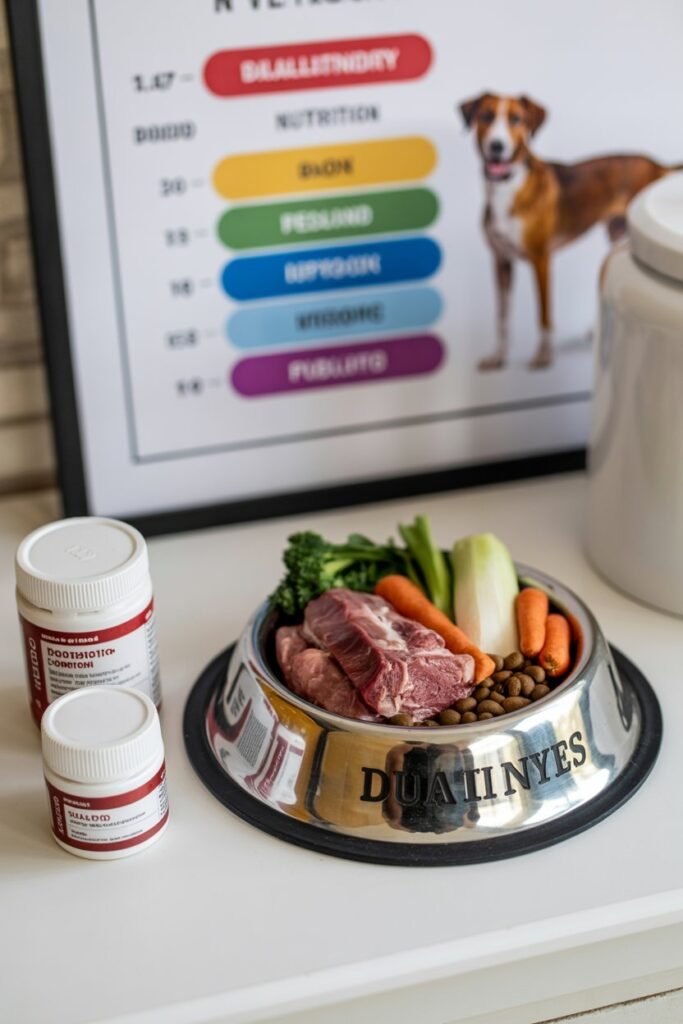
Homemade dog food offers many advantages, including ingredient control, improved freshness, and the ability to tailor meals to a dog’s specific needs. However, creating a nutritionally complete diet is much more challenging than it appears.
Dogs require dozens of nutrients every day in precise amounts. These include:
- Protein
- Essential amino acids
- Healthy fats
- Vitamins
- Minerals
- Trace elements
Commercial dog foods are formulated to meet established nutritional guidelines. Homemade meals, on the other hand, can vary significantly from recipe to recipe.
Even diets that contain:
- Chicken
- Beef
- Fish
- Rice
- Sweet potatoes
- Vegetables
may still lack critical nutrients such as calcium, iodine, zinc, vitamin D, vitamin E, and certain omega-3 fatty acids.
Without proper supplementation, nutritional imbalances can gradually develop. Some deficiencies may not show symptoms for months or even years, making prevention especially important.
Understanding Complete and Balanced Nutrition
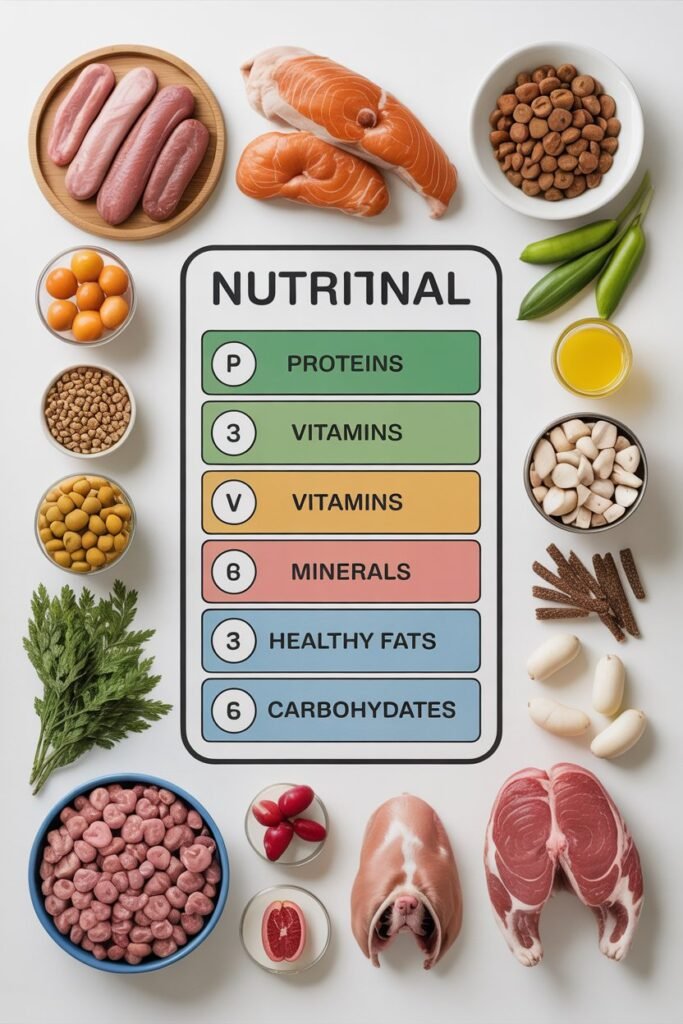
Before discussing supplements, it’s important to understand what “complete and balanced” actually means.
A complete diet provides all essential nutrients a dog requires.
A balanced diet provides those nutrients in the correct proportions.
For example, calcium and phosphorus must exist in a specific ratio to support healthy bone development. Too much phosphorus and too little calcium can lead to serious skeletal issues.
Similarly, excessive supplementation can be just as harmful as deficiencies.
This is why veterinary nutritionists emphasize careful planning when preparing homemade meals.
The goal is not simply adding more supplements.
The goal is adding the right supplements in the correct amounts.
Calcium: The Most Important Homemade Dog Food Supplement
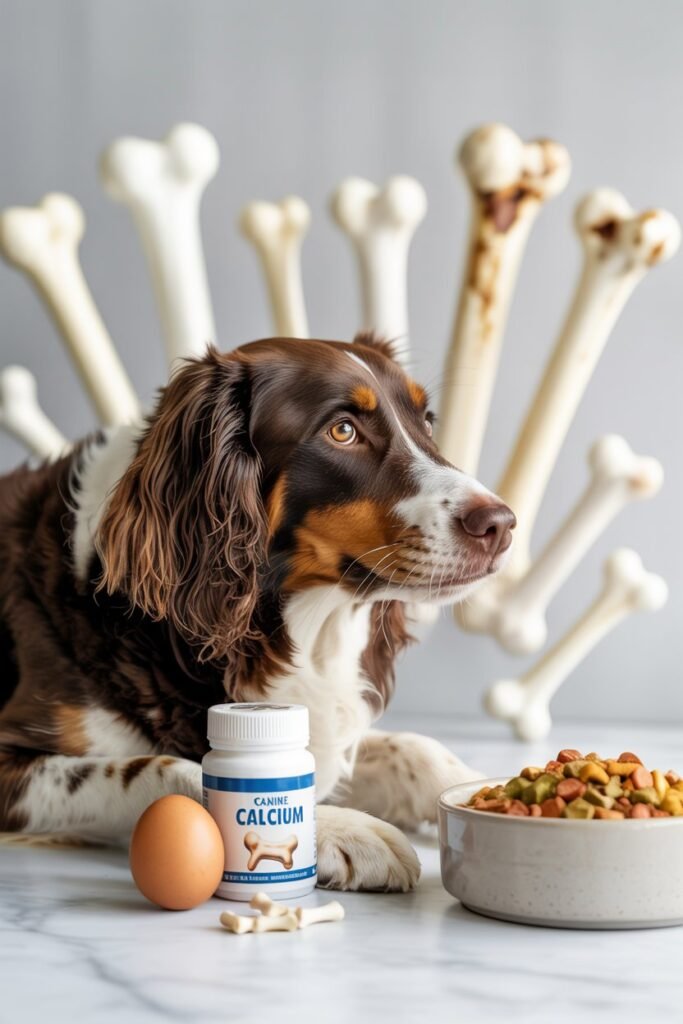
One of the most common deficiencies in homemade dog diets is calcium.
Many homemade recipes contain meat but no edible bones. While meat provides valuable protein and phosphorus, it contains very little calcium.
Dogs require calcium for:
- Strong bones
- Healthy teeth
- Muscle contractions
- Nerve function
- Heart health
Without adequate calcium, dogs can develop serious health problems over time.
Safe Sources of Calcium
Common dog-safe calcium sources include:
- Finely ground eggshell powder
- Veterinary-approved calcium supplements
- Bone meal supplements specifically formulated for dogs
Benefits of Calcium Supplementation
- Supports skeletal health
- Helps prevent bone weakness
- Supports growing puppies
- Promotes proper muscle function
Safety Tip
Never guess calcium amounts. Excessive calcium can create problems, particularly in large-breed puppies.
Omega-3 Fatty Acids for Brain, Skin, and Joint Health

Omega-3 fatty acids are among the most beneficial supplements for dogs.
Unfortunately, many homemade diets contain plenty of omega-6 fats but insufficient omega-3s.
The most important omega-3 fatty acids include:
- EPA
- DHA
These nutrients support numerous body functions.
Benefits of Omega-3 Supplements
- Healthy skin
- Shiny coat
- Joint support
- Heart health
- Brain function
- Cognitive health in senior dogs
- Reduced inflammation
Best Sources
Dog-safe omega-3 sources include:
- Fish oil
- Sardine oil
- Salmon oil
- Algae-based omega-3 supplements
Safety Considerations
Choose high-quality products tested for contaminants such as mercury and heavy metals.
Store fish oil properly to prevent rancidity.
Vitamin E: The Essential Partner to Fish Oil
Whenever omega-3 supplements are added to a homemade diet, vitamin E becomes especially important.
Vitamin E functions as a powerful antioxidant that helps protect cells from oxidative damage.
Benefits of Vitamin E
- Supports immune function
- Promotes skin health
- Protects body tissues
- Helps balance increased omega-3 intake
Signs of Deficiency
Inadequate vitamin E may contribute to:
- Muscle weakness
- Poor immune function
- Skin issues
Many veterinary nutritionists recommend vitamin E supplementation alongside fish oil because the two nutrients work together.
Zinc: A Small Mineral with a Big Impact
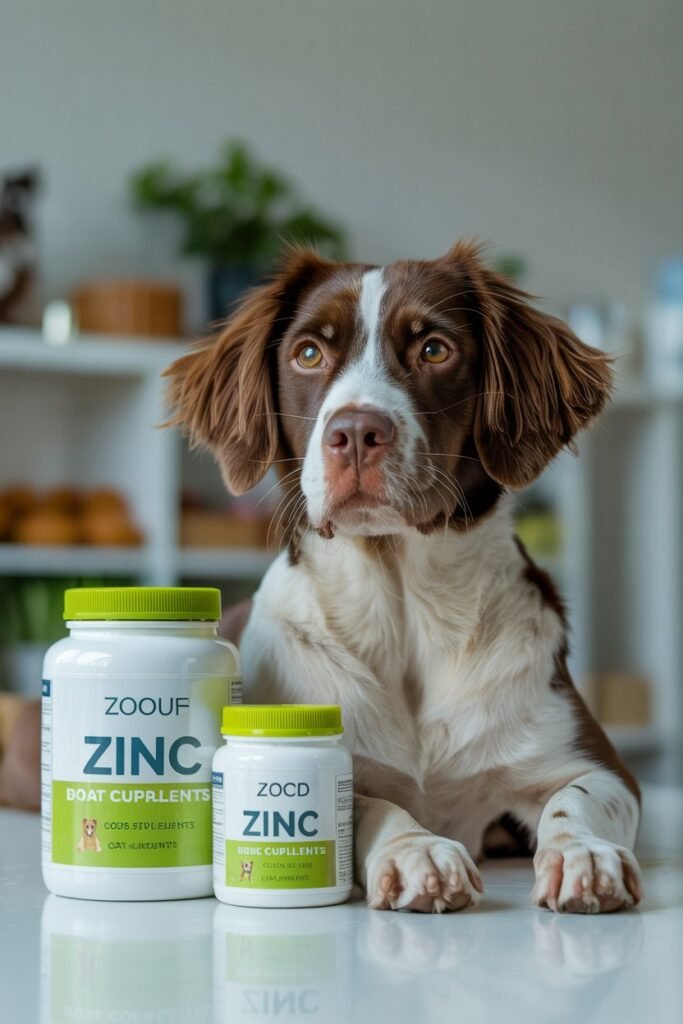
Zinc is often overlooked but plays a critical role in canine health.
It supports:
- Immune function
- Skin repair
- Coat quality
- Wound healing
- Cellular metabolism
Some homemade diets fail to provide sufficient zinc, especially when recipes rely heavily on ingredients with poor zinc bioavailability.
Benefits of Zinc
- Healthy skin
- Strong immune defenses
- Improved coat condition
- Better healing response
Safety Warning
Excess zinc can be toxic.
Always use canine-specific supplements and follow professional guidance.
Iodine for Proper Thyroid Function
Iodine is another nutrient commonly lacking in homemade dog diets.
Dogs require iodine to produce thyroid hormones, which regulate metabolism.
Benefits of Adequate Iodine
- Supports energy levels
- Maintains healthy metabolism
- Supports growth and development
- Helps regulate body functions
Common Sources
- Veterinary iodine supplements
- Carefully measured kelp products
Important Note
Kelp supplements vary widely in iodine concentration. Too much iodine can create thyroid problems, making careful dosing essential.
Vitamin D: Supporting Bones and Immunity

Unlike humans, dogs cannot efficiently produce enough vitamin D through sun exposure alone.
This means they rely heavily on dietary sources.
Benefits of Vitamin D
- Calcium absorption
- Bone development
- Muscle function
- Immune support
Risks of Deficiency
Insufficient vitamin D may contribute to:
- Bone weakness
- Poor growth
- Muscle issues
Risks of Excess
Vitamin D toxicity can be extremely dangerous.
Never supplement vitamin D without guidance from a veterinarian or veterinary nutritionist.
B-Complex Vitamins for Energy and Nervous System Health

B vitamins are essential for daily bodily functions.
They help support:
- Energy production
- Brain health
- Nervous system function
- Red blood cell formation
Important B vitamins include:
- Thiamine (B1)
- Riboflavin (B2)
- Niacin (B3)
- Pyridoxine (B6)
- Folate
- Cobalamin (B12)
Benefits
- Improved energy metabolism
- Healthy nerve function
- Better cellular health
Dogs eating certain homemade diets may benefit from a veterinary-approved B-complex supplement.
Probiotics for Digestive Wellness

A healthy digestive system supports overall health.
Probiotics are beneficial bacteria that help maintain a balanced gut microbiome.
Benefits of Probiotics
- Improved digestion
- Better stool quality
- Enhanced nutrient absorption
- Immune support
- Reduced digestive upset
When Probiotics May Help
- After antibiotic use
- During dietary transitions
- For dogs with sensitive stomachs
Choose products specifically formulated for canine digestive systems.
Joint Support Supplements for Active and Senior Dogs

Although not required for every dog, joint supplements can provide valuable support.
Popular options include:
- Glucosamine
- Chondroitin
- Green-lipped mussel
- MSM
Benefits
- Joint comfort
- Cartilage support
- Improved mobility
- Better quality of life for aging dogs
These supplements are particularly beneficial for:
- Senior dogs
- Large breeds
- Athletic dogs
Are Multivitamins Necessary?
Many dog owners wonder whether a canine multivitamin can solve nutritional gaps.
The answer depends on the diet.
A high-quality canine multivitamin may help support homemade feeding plans, but it should not replace proper meal formulation.
Advantages
- Convenient
- Covers multiple nutrients
- Helps reduce deficiency risk
Limitations
- May not provide adequate calcium
- May not fully balance homemade recipes
- Can contribute to excess nutrient intake if misused
Think of multivitamins as one tool rather than a complete solution.
Supplements That Should Never Be Given Without Veterinary Guidance
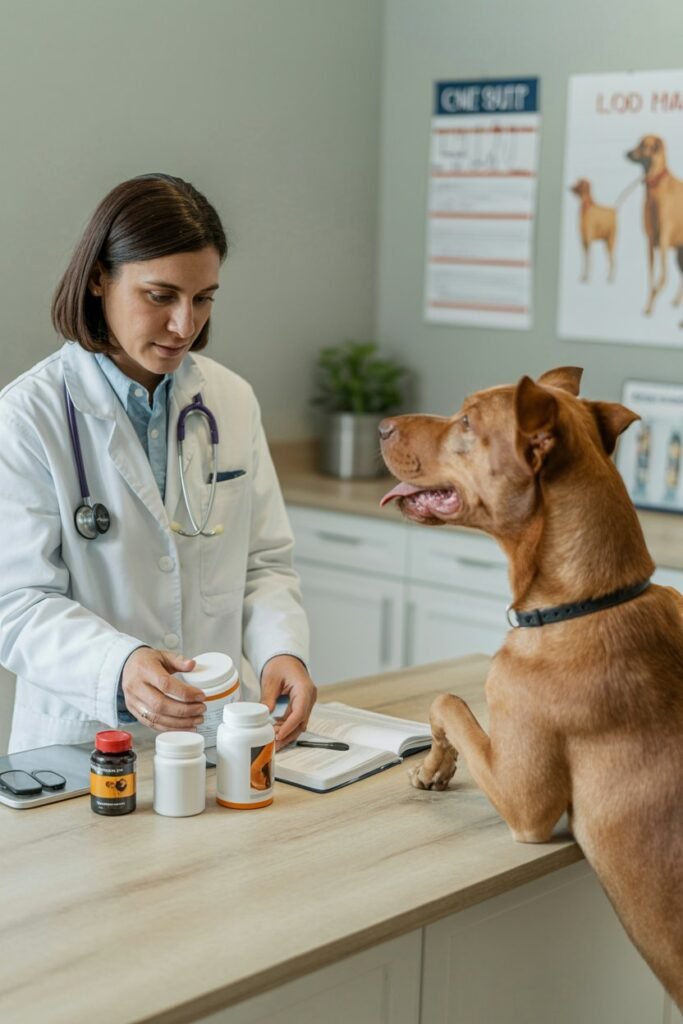
Certain supplements require extra caution.
These include:
- Vitamin D
- Iron
- Selenium
- Calcium for puppies
- High-dose zinc
- High-dose vitamin A
Over-supplementation can cause serious health issues.
Always consult a veterinarian before introducing powerful nutritional supplements.
Signs Your Dog May Have a Nutritional Deficiency
While some deficiencies are silent, possible warning signs include:
- Dull coat
- Excessive shedding
- Low energy
- Poor growth
- Weak muscles
- Digestive problems
- Frequent illness
- Skin irritation
These symptoms can also be associated with medical conditions, so professional evaluation is important.
How to Choose Safe Supplements for Homemade Dog Food
Not all supplements are created equal.
When shopping, look for products that:
- Are specifically formulated for dogs
- Provide clear ingredient lists
- Offer quality testing
- Avoid unnecessary fillers
- Have veterinary backing
Quality matters because contamination and inaccurate labeling can affect your dog’s safety.
Working with a Veterinary Nutritionist
One of the smartest investments a dog owner can make is consulting a veterinary nutrition expert.
A professional can:
- Evaluate recipes
- Identify deficiencies
- Recommend supplements
- Adjust nutrient levels
- Create balanced meal plans
This approach helps ensure your dog receives complete nutrition throughout every life stage.
Common Supplement Mistakes Dog Owners Make
Many loving pet parents unintentionally make mistakes such as:
Guessing Dosages
More is not always better.
Copying Internet Recipes
Many online recipes are nutritionally incomplete.
Ignoring Calcium Requirements
This remains one of the most common problems in homemade feeding.
Using Human Supplements
Human products may contain ingredients unsafe for dogs.
Over-Supplementing
Excess vitamins and minerals can be harmful.
Avoiding these mistakes helps protect your dog’s long-term health.
Final Thoughts
Feeding your dog a homemade diet can be a wonderful way to provide fresh, wholesome nutrition while strengthening the bond you share every day.
However, homemade meals require more than love and good ingredients to be truly complete. Essential nutrients such as calcium, omega-3 fatty acids, vitamin E, zinc, iodine, vitamin D, and other key vitamins and minerals often need careful supplementation to support optimal health.
The safest approach is to view supplements as part of a balanced nutritional plan rather than quick additions to a recipe.
By working with your veterinarian and choosing high-quality canine supplements, you can help ensure that every homemade meal supports strong bones, healthy joints, a shiny coat, proper digestion, and a long, happy life for your beloved companion.