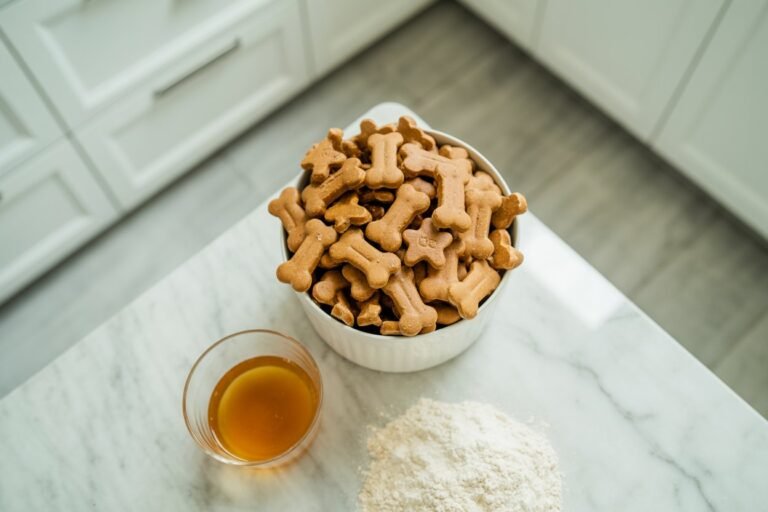
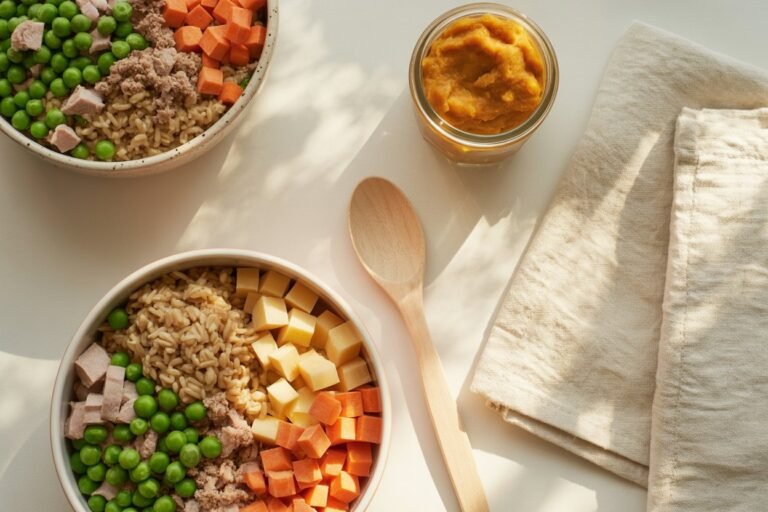
5 Easy To Make Raw Dog Food Recipes

Dogs have a special way of turning everyday moments into something meaningful.
Whether they’re greeting us at the door with wagging tails or curling up beside us after a long day, they deserve meals that nourish their bodies just as much as they enrich our lives.
Raw feeding has become increasingly popular among pet parents who want greater control over the quality of ingredients in their dog’s bowl.
When prepared correctly, raw meals can provide fresh, wholesome nutrition using simple ingredients.
In this guide, you’ll discover five easy-to-make raw dog food recipes, along with feeding tips, safety guidelines, and helpful advice to make raw feeding both enjoyable and beneficial for your furry companion.
Understanding the Basics of Raw Feeding

Before preparing your dog’s first raw meal, it’s important to understand what a balanced raw diet looks like. Raw feeding focuses on fresh, minimally processed ingredients that closely resemble what dogs would naturally consume.
A healthy raw meal typically includes:
- Muscle meat for protein
- Raw edible bones for calcium
- Organ meats for essential vitamins and minerals
- Dog-safe vegetables for fiber and antioxidants
- Healthy fats for skin and coat health
When these components are balanced properly, they can support overall wellness, healthy digestion, strong muscles, and sustained energy levels.
Benefits of Raw Feeding
Many dog owners report several benefits when transitioning to a properly balanced raw diet:
- Healthier skin and shinier coats
- Improved digestion
- Smaller and firmer stools
- Increased energy levels
- Better dental health
- Improved muscle tone
- Enhanced appetite in picky eaters
While every dog is different, providing fresh, nutrient-rich ingredients can contribute significantly to long-term health.
Read 10 Homemade Dog Food Recipes Every Dog Parent Should Know
Important Safety Tips Before Making Raw Dog Food
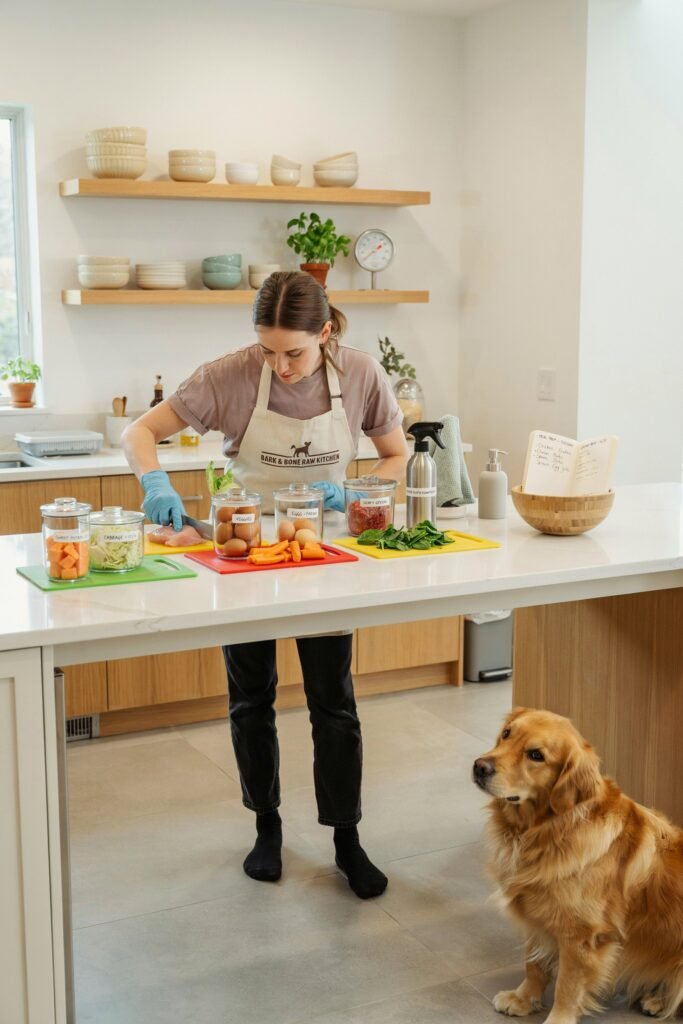
Raw feeding requires careful preparation and hygiene practices.
Follow These Safety Guidelines
- Wash hands thoroughly before and after handling raw meat.
- Use separate cutting boards for pet food.
- Store ingredients at safe temperatures.
- Freeze meat when necessary to reduce parasite risks.
- Purchase ingredients from reputable suppliers.
- Introduce new foods gradually.
- Consult your veterinarian before making major dietary changes.
Foods Dogs Should Never Eat
Avoid including:
- Onions
- Garlic in large amounts
- Grapes
- Raisins
- Chocolate
- Macadamia nuts
- Xylitol sweetener
- Cooked bones
- Excess salt
- Alcohol
Keeping these ingredients out of your recipes helps ensure your dog’s safety.
Read How to Make a Puppuccino: Easy 4 Ingredient Recipe – The Dog Darling
Recipe 1: Simple Chicken and Vegetable Raw Bowl
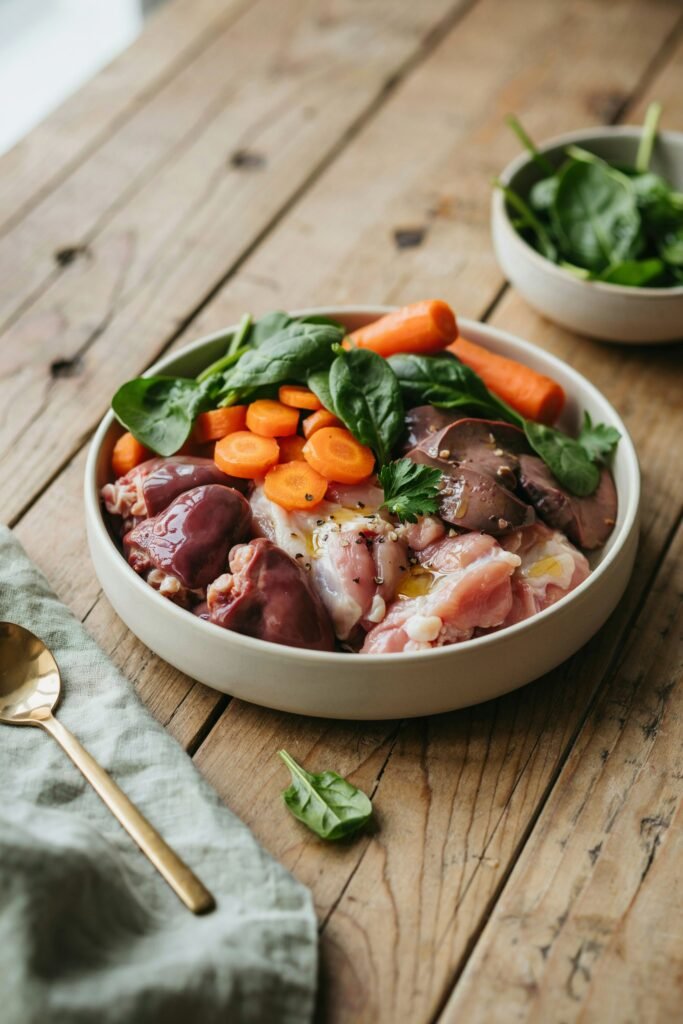
This beginner-friendly recipe is perfect for pet parents who are new to raw feeding.
Ingredients
- 2 pounds raw chicken thighs
- ½ pound chicken hearts
- ¼ pound chicken liver
- 1 cup spinach
- 1 cup carrots
- 1 tablespoon fish oil
Instructions
- Wash vegetables thoroughly.
- Finely chop or blend the spinach and carrots.
- Cut chicken thighs into bite-sized pieces.
- Dice the liver and hearts.
- Combine all ingredients in a large bowl.
- Add fish oil and mix well.
Nutritional Benefits
Chicken provides high-quality protein that supports muscle maintenance and repair. Chicken liver contributes vitamin A, iron, and B vitamins, while spinach and carrots add antioxidants that help support immune function.
Serving Tips
Divide into meal-sized portions and refrigerate for up to two days or freeze for future use.
Read Homemade Dog Waffles
Recipe 2: Beef and Pumpkin Power Mix
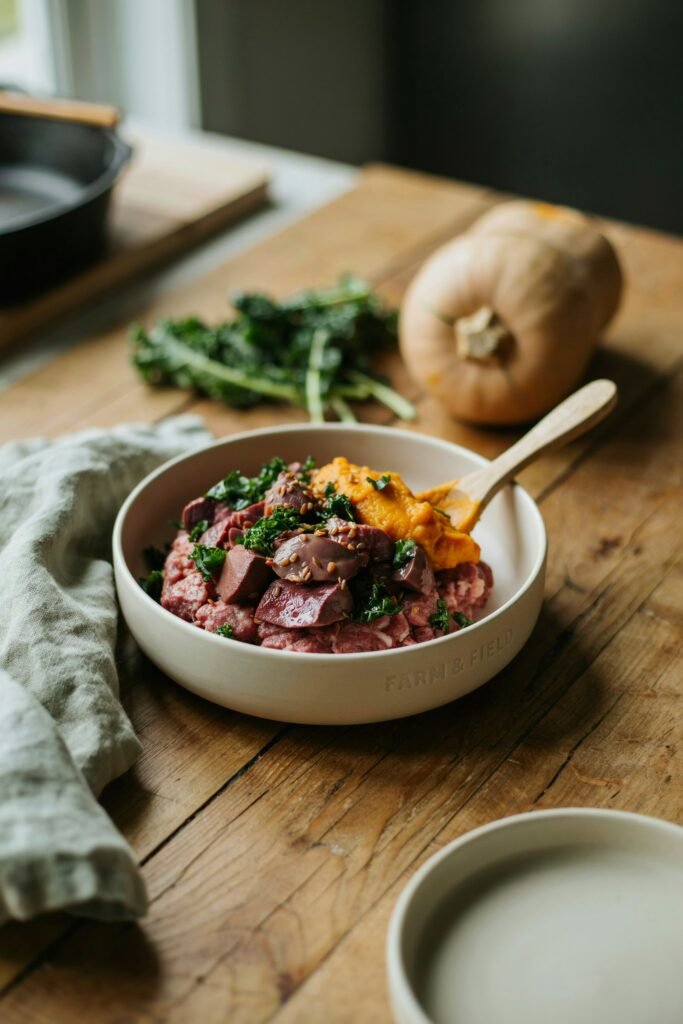
This hearty recipe provides excellent protein and digestive support.
Ingredients
- 2 pounds lean ground beef
- ½ pound beef heart
- ¼ pound beef liver
- 1 cup pure pumpkin puree
- ½ cup chopped kale
- 1 tablespoon ground flaxseed
Instructions
- Finely chop the beef heart and liver.
- Place all ingredients in a large mixing bowl.
- Mix until evenly distributed.
- Portion into containers.
Nutritional Benefits
Beef is rich in protein, zinc, and iron. Pumpkin supports healthy digestion and can help maintain regular bowel movements. Kale contributes vitamins A, C, and K, while flaxseed provides beneficial omega-3 fatty acids.
Why Dogs Love It
The rich flavor of beef combined with the natural sweetness of pumpkin makes this recipe especially appealing to many dogs.
Read 7 Dog Treats for Bad Breath – Fresh Kisses, Happier Pups
Recipe 3: Turkey and Blueberry Wellness Meal
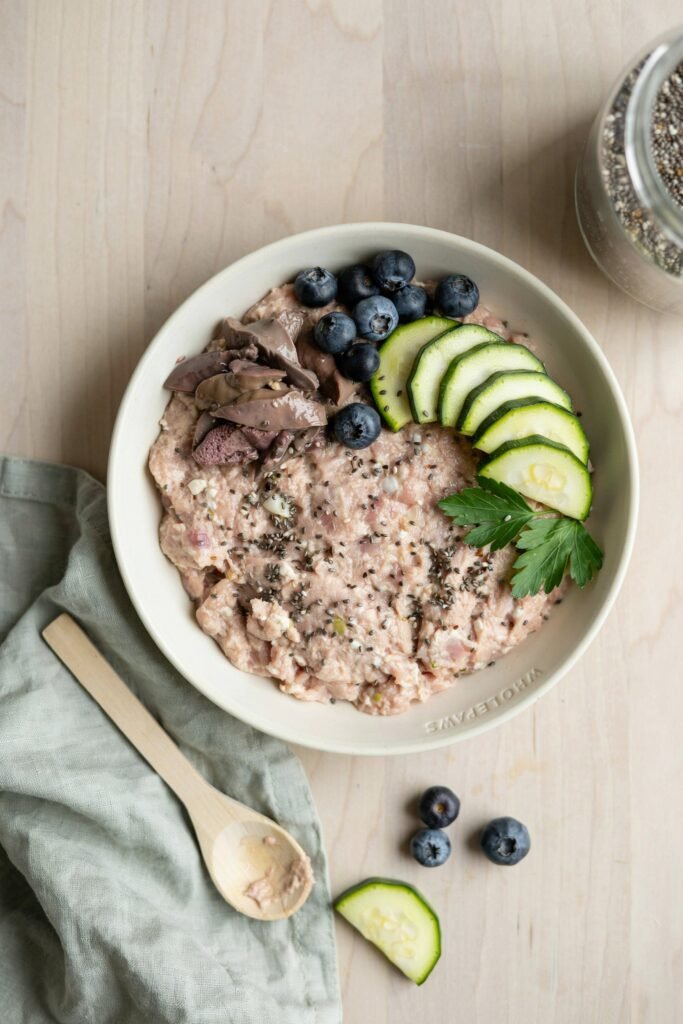
This colorful recipe offers a wonderful blend of lean protein and antioxidant-rich ingredients.
Ingredients
- 2 pounds ground turkey
- ½ pound turkey hearts
- ¼ pound turkey liver
- ½ cup blueberries
- 1 cup chopped zucchini
- 1 tablespoon chia seeds
Instructions
- Wash blueberries and zucchini.
- Chop zucchini into small pieces.
- Combine turkey, organs, and produce.
- Stir in chia seeds.
- Mix thoroughly before serving.
Nutritional Benefits
Turkey is a lean source of protein that many dogs digest easily. Blueberries contain antioxidants that help combat cellular damage, while zucchini adds hydration and fiber.
Great for Sensitive Dogs
Many dogs with mild food sensitivities tolerate turkey well, making this recipe a popular choice.
Recipe 4: Salmon and Spinach Omega Boost
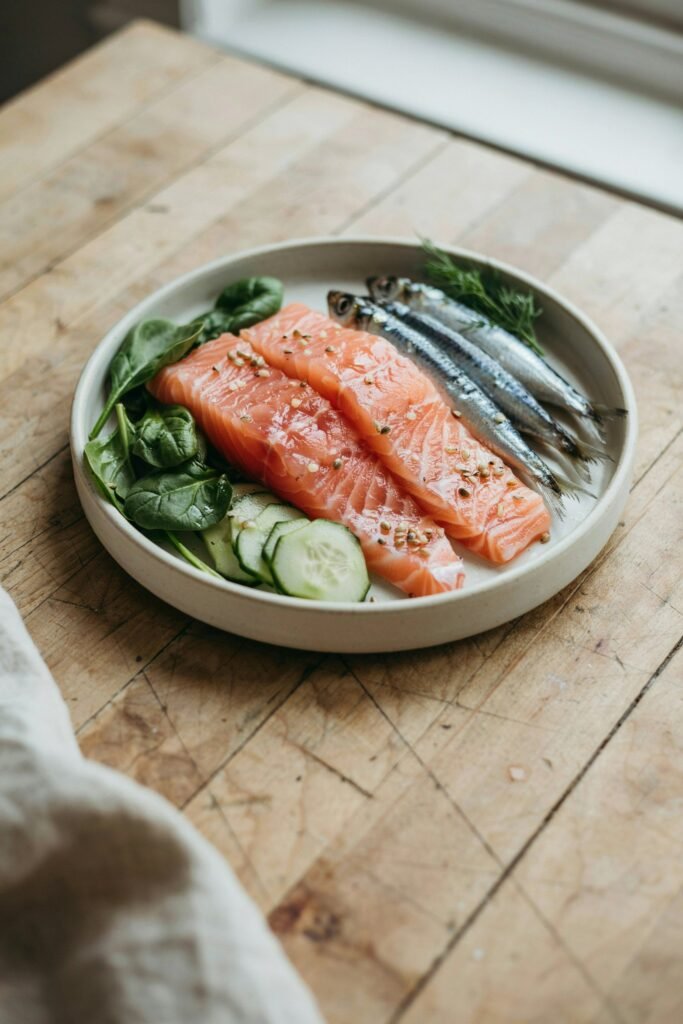
If you’re looking to support healthy skin and a glossy coat, this fish-based recipe is worth trying.
Ingredients
- 2 pounds raw salmon fillets (boneless)
- ½ pound sardines
- 1 cup spinach
- ½ cup cucumber
- 1 tablespoon hemp seeds
Instructions
- Remove any large bones from the salmon.
- Chop fish into manageable pieces.
- Blend spinach and cucumber.
- Combine all ingredients.
- Sprinkle hemp seeds throughout the mixture.
Nutritional Benefits
Salmon and sardines are rich sources of omega-3 fatty acids, which support skin health, coat quality, and cognitive function. Hemp seeds contribute additional healthy fats and protein.
Ideal For
- Dogs with dry skin
- Dogs with dull coats
- Active dogs needing healthy fats
Recipe 5: Duck and Green Vegetable Feast
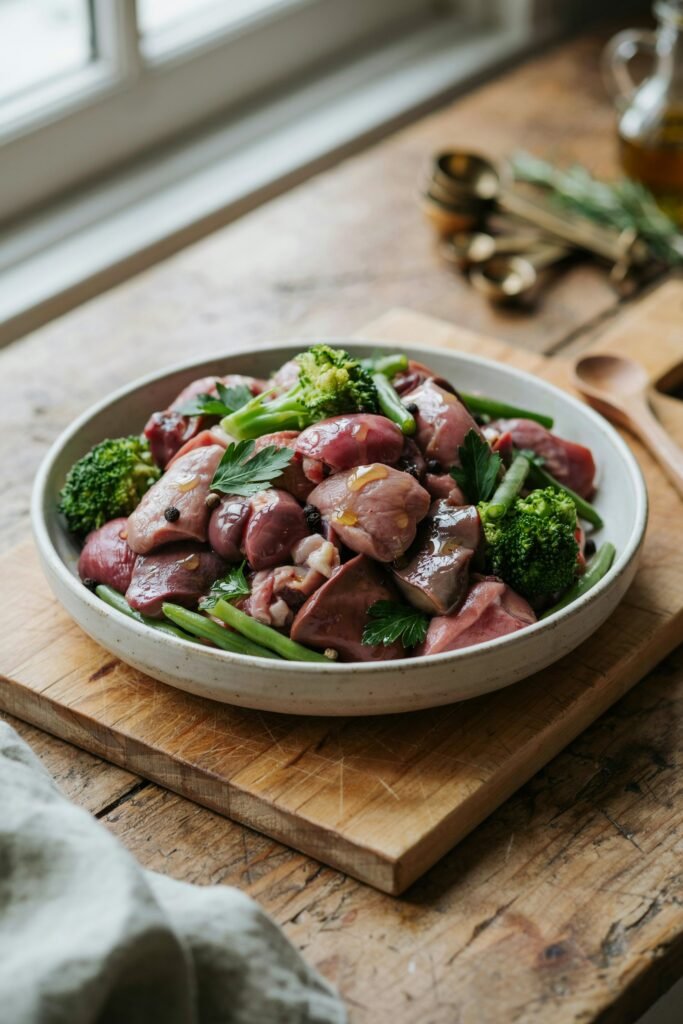
This flavorful recipe offers variety for dogs that enjoy richer proteins.
Ingredients
- 2 pounds duck meat
- ½ pound duck hearts
- ¼ pound duck liver
- 1 cup broccoli
- 1 cup green beans
- 1 tablespoon fish oil
Instructions
- Finely chop vegetables.
- Cut duck meat into bite-sized pieces.
- Mix all ingredients thoroughly.
- Portion into individual meals.
Nutritional Benefits
Duck provides high-quality protein along with healthy fats that help maintain energy levels. Green vegetables contribute fiber, vitamins, and antioxidants that support overall wellness.
A Great Alternative Protein
Dogs that have sensitivities to chicken or beef may do well with duck as a novel protein source.
How Much Raw Food Should You Feed Your Dog?
Portion sizes vary depending on age, activity level, metabolism, and body condition.
General guidelines include:
- Adult dogs: 2%–3% of body weight daily
- Active dogs: 3%–4% of body weight daily
- Puppies: 5%–10% of body weight daily
For example:
- 50-pound adult dog = approximately 1 to 1.5 pounds of food daily
- 20-pound dog = approximately 0.4 to 0.6 pounds daily
Monitor your dog’s weight and adjust portions as needed.
Transitioning Your Dog to a Raw Diet
A gradual transition often works best.
Week 1
Start with one protein source, such as chicken.
Week 2
Introduce organ meats slowly.
Week 3
Add vegetables and healthy fats.
Week 4
Begin rotating proteins for greater nutritional variety.
Slow transitions help minimize digestive upset and allow your dog’s system to adapt comfortably.
Common Raw Feeding Mistakes to Avoid
Even the best intentions can lead to nutritional imbalances if meals aren’t prepared correctly.
Avoid these common mistakes:
- Feeding only muscle meat
- Skipping organ meats
- Using cooked bones
- Feeding excessive amounts of liver
- Not rotating protein sources
- Ignoring portion sizes
- Failing to maintain food safety practices
Balance and variety are key components of a successful raw feeding plan.
Frequently Asked Questions
Can puppies eat raw food?
Yes, puppies can eat balanced raw diets, but their nutritional needs differ from adult dogs. Consult a veterinarian or canine nutrition professional before starting.
Can I prepare meals in advance?
Absolutely. Many pet parents batch-prep raw meals and freeze individual portions for convenience.
Do dogs need vegetables?
While dogs are primarily carnivorous, dog-safe vegetables can provide beneficial fiber, antioxidants, and additional nutrients.
Should I add supplements?
Some dogs benefit from supplements depending on their diet and health status. Speak with your veterinarian for personalized recommendations.
Final Thoughts
Preparing raw meals at home can be a rewarding way to provide fresh, wholesome nutrition for your dog.
By focusing on quality ingredients, proper food handling, and balanced nutrition, you can create meals that support your dog’s health while giving you complete control over what goes into their bowl.
These five easy raw dog food recipes offer a wonderful starting point for pet parents interested in exploring raw feeding. As with any dietary change, take things slowly, monitor your dog’s response, and adjust recipes as needed to ensure your furry friend thrives on their new menu.