Best Friends FURever: How to Safely & Successfully Introduce Dogs
Bringing a new dog into your home is exciting, emotional, and sometimes a little nerve-wracking.
The dream is simple: two dogs curled up together, playing happily in the yard, and becoming lifelong companions. Reality, however, can be a bit more complicated.
Dogs have personalities, boundaries, and instincts that influence how they respond to a new canine housemate. Introducing them the right way makes all the difference between tension and a beautiful friendship.
With patience, preparation, and a thoughtful approach, you can help your dogs feel safe, respected, and comfortable around each other. This guide will walk you step-by-step through creating a calm, positive introduction that helps your dogs truly bond.
Join me on (Best Friends FURever: How to Safely & Successfully Introduce Dogs)
Understanding Dog-to-Dog Introductions
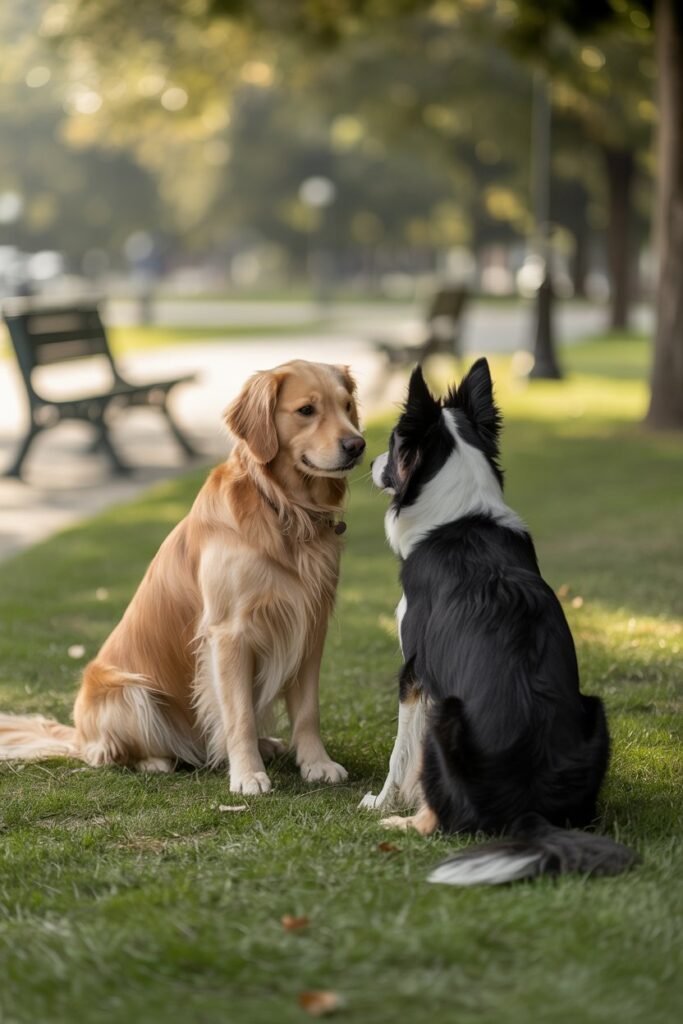
Before two dogs can become best friends, they need the chance to feel safe with one another. Dogs don’t automatically welcome a newcomer into their space the way humans might greet a guest.
Instead, they rely on body language, scent, and subtle signals to decide whether another dog is trustworthy.
A thoughtful introduction gives both dogs the chance to process this new relationship slowly.
Many owners rush the process because they are excited. I completely understand that feeling the moment you bring home a new dog, you want them to instantly fall in love with each other. But dogs need time to adjust.
Think of it like introducing two strangers who will suddenly become roommates.
Without a proper introduction, dogs may feel:
- Threatened
- Protective of territory
- Confused
- Overstimulated
Even friendly dogs can react poorly if the introduction happens too quickly.
The goal of a successful introduction is simple:
- Reduce stress
- Build positive associations
- Allow natural communication
- Prevent defensive reactions
When dogs feel safe and respected during the first meeting, they are far more likely to develop a peaceful relationship.
Signs Your Dogs May Get Along
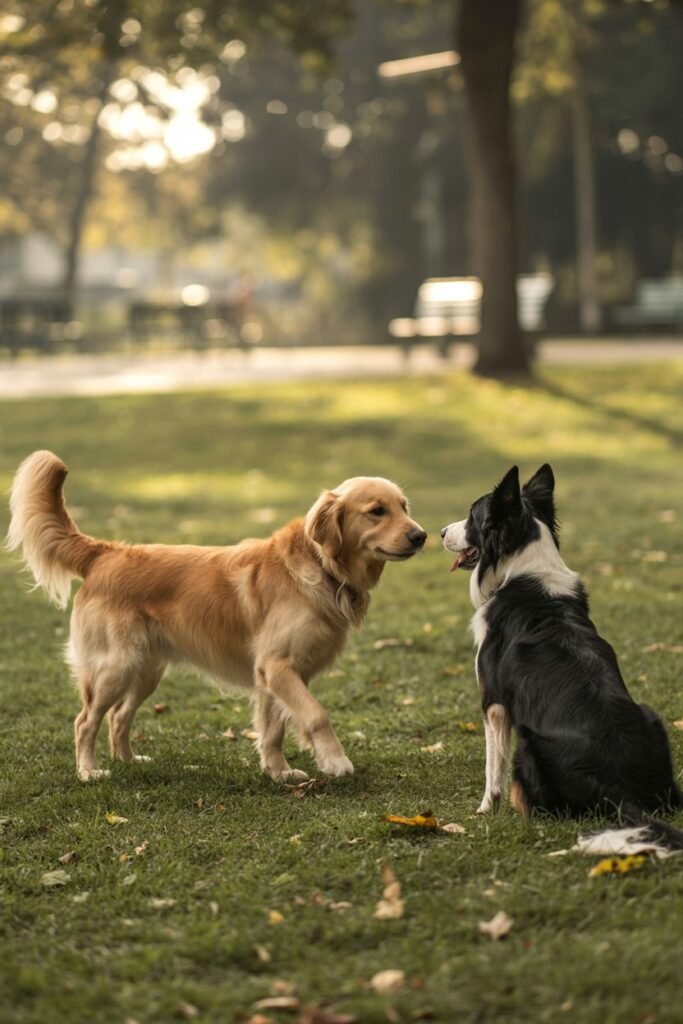
While every dog is unique, certain personality traits make successful introductions easier.
Dogs that tend to bond well often show:
Relaxed Body Language
A relaxed dog will have:
- Loose posture
- Soft eyes
- A gently wagging tail
- Ears in a neutral position
This type of body language indicates curiosity rather than tension.
Curiosity Without Fixation
Healthy interest looks like:
- Sniffing the air
- Looking briefly at the other dog
- Returning attention to the owner
Unhealthy focus looks more like staring, freezing, or stiff posture.
Playful Signals
Play bows, bouncing movements, and relaxed tail wagging are wonderful signs that the dogs may become playmates.
However, even if both dogs are friendly, introductions should still be structured carefully.
Friendly dogs can still clash if excitement becomes overwhelming.
Signs You Should Slow Down
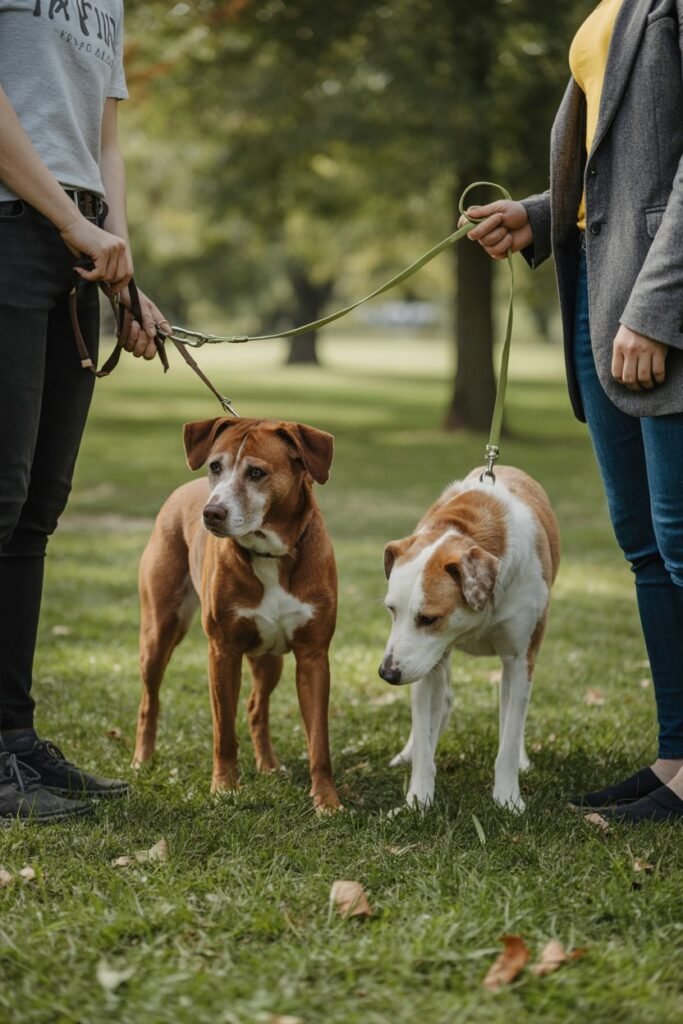
Just as important as recognizing positive signals is spotting stress signals.
Dogs often communicate discomfort quietly.
Watch for:
- Stiff body posture
- Raised hackles
- Lip licking
- Growling
- Avoidance or hiding
- Hard staring
- Snapping
These signals don’t mean the dogs will never get along.
They simply mean the situation is moving too quickly.
Slowing down gives both dogs time to relax and reset.
Preparing for the First Meeting
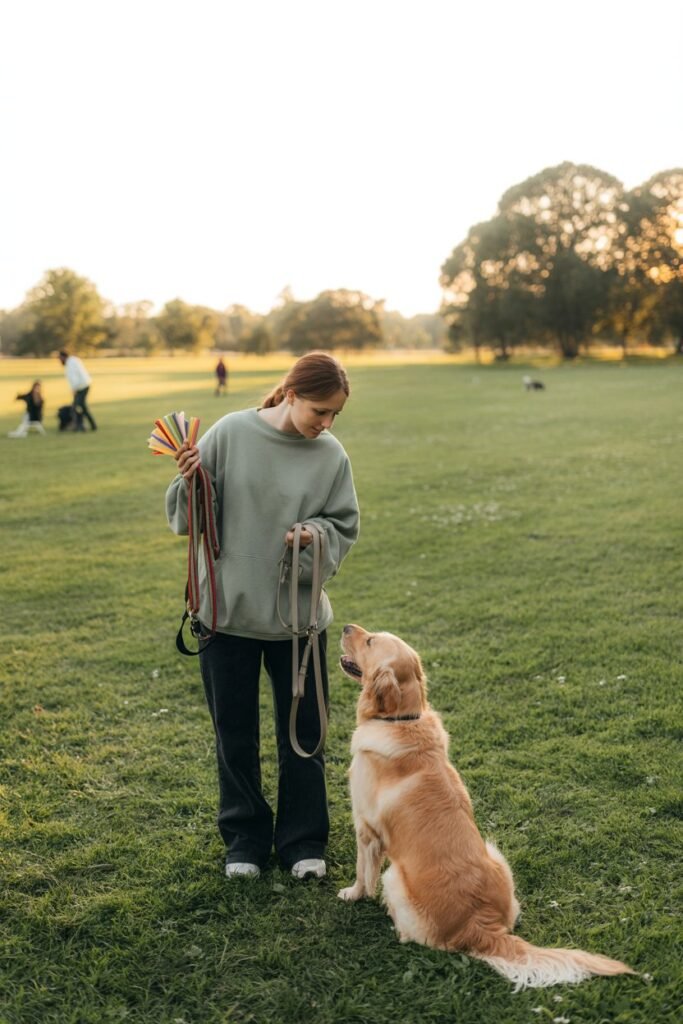
Preparation can make or break a first introduction.
Before the dogs ever see each other, take a few simple steps to set the stage for success.
Exercise Both Dogs First
A tired dog is a calmer dog.
Taking both dogs on a walk before introducing them helps release excess energy. This reduces excitement and makes it easier for them to stay relaxed.
Choose Neutral Territory
Introducing dogs inside the home can trigger territorial behavior.
A neutral location is ideal, such as:
- A quiet park
- A large yard
- A calm walking trail
- An open outdoor area
Neutral territory helps both dogs feel less defensive.
Have the Right Equipment
Bring:
- Two separate leashes
- High-value treats
- Calm handlers for each dog
- A positive attitude
Avoid retractable leashes because they make control difficult.
Stay Calm
Dogs read human emotions extremely well.
If you feel nervous or tense, your dogs may sense it and become anxious too.
Take a deep breath and approach the introduction calmly.
Step-by-Step: The First Dog Introduction
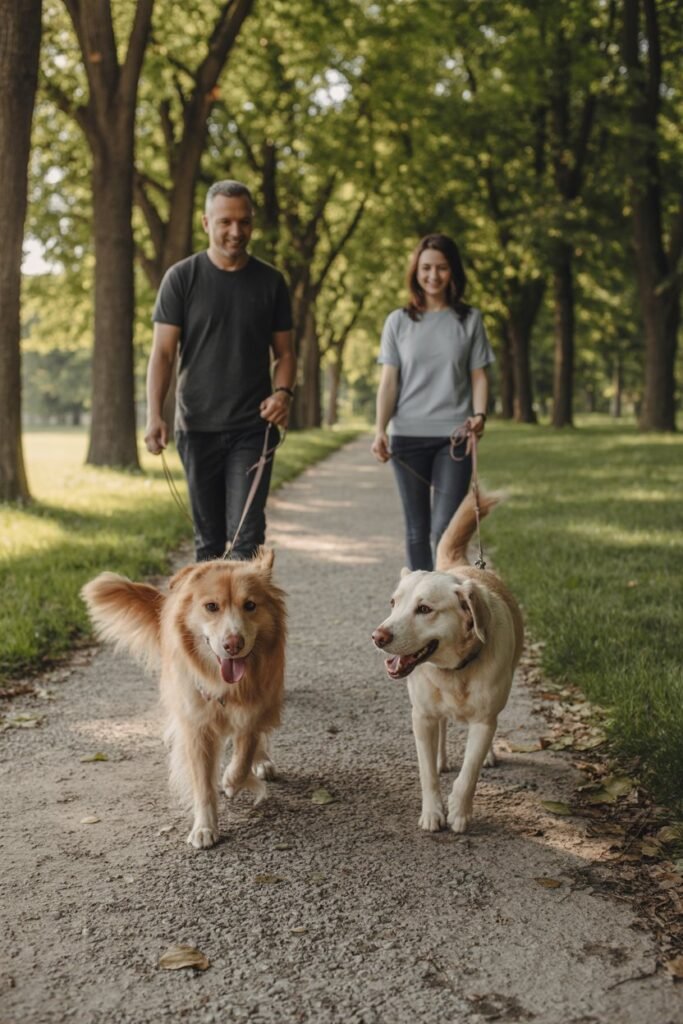
A structured introduction prevents chaos and encourages calm curiosity.
Here is a safe and proven method.
Step 1: Start With Distance
Begin with the dogs far enough apart that they notice each other but remain relaxed.
This might be 20 to 30 feet apart.
Let them observe without forcing interaction.
Reward calm behavior with praise or treats.
Step 2: Parallel Walking
Next, walk the dogs in the same direction while keeping distance between them.
This technique works beautifully because dogs feel less pressure when moving together rather than facing each other directly.
Gradually reduce the distance as long as both dogs remain relaxed.
Parallel walking builds comfort naturally.
Step 3: Controlled Sniffing
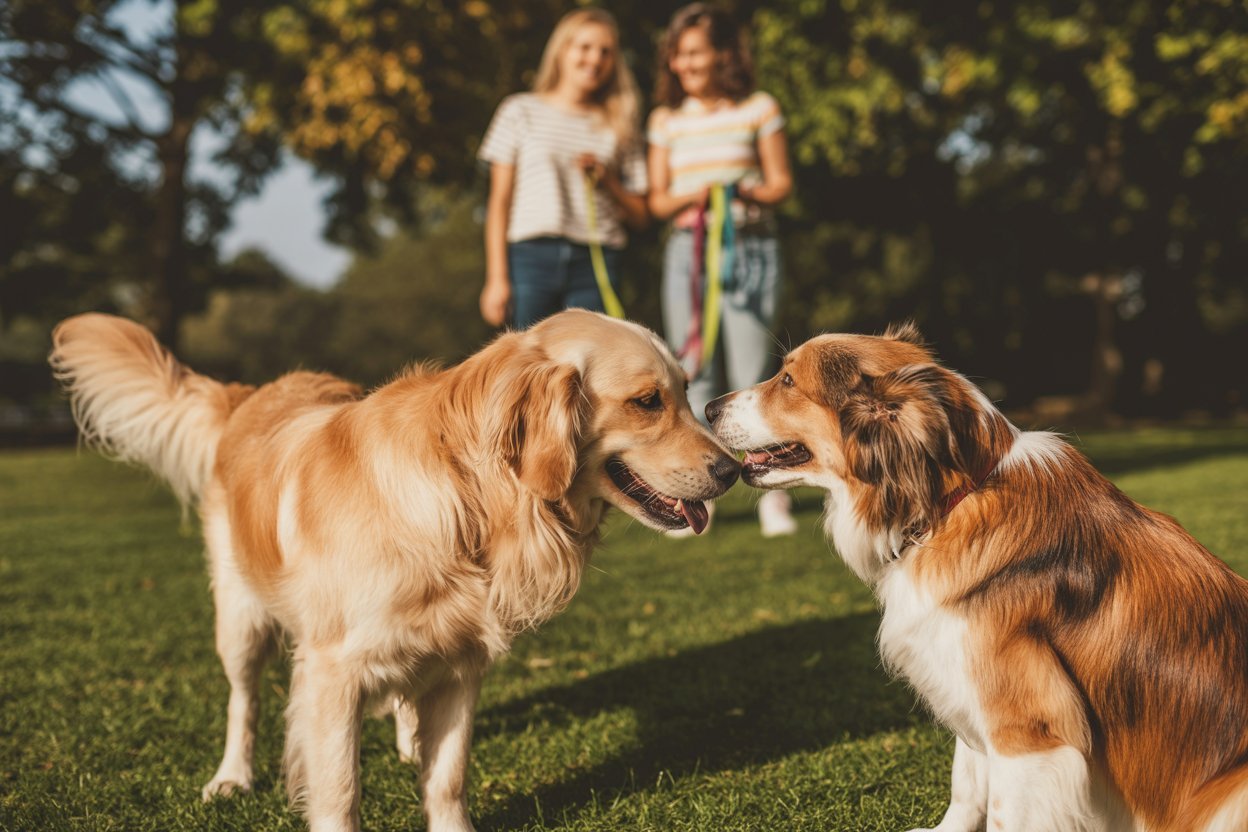
When both dogs appear calm, allow a brief sniff.
Keep the leashes loose but controlled.
Allow them to sniff for about 3 seconds before gently calling them apart.
Short interactions prevent tension from building.
Step 4: Repeat Positive Interactions
Allow several short greetings rather than one long interaction.
This pattern helps dogs learn:
“Meeting this dog leads to good experiences.”
Each successful interaction builds trust.
Step 5: End on a Positive Note
Always end the first meeting before either dog becomes overwhelmed.
Positive endings help the dogs remember the interaction favorably.
Even if things go wonderfully, keep the first meeting relatively short.
Bringing the New Dog Home
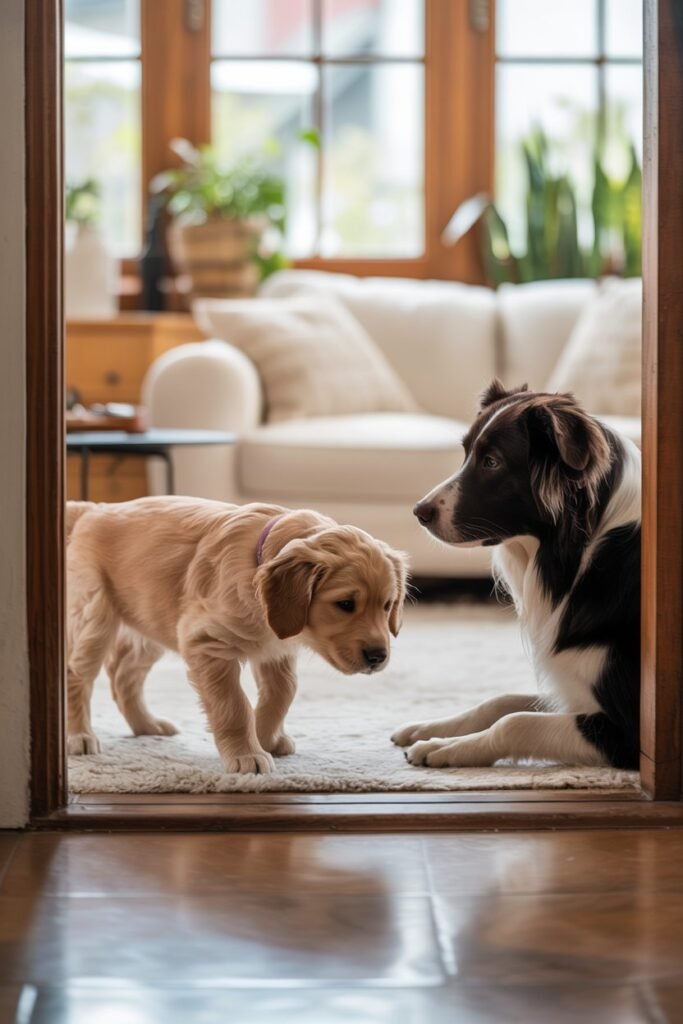
Once the dogs have had a successful first meeting, the next step is introducing the new dog into the home environment.
This stage requires thoughtful management.
Remove High-Value Items
Before bringing the new dog inside, remove potential conflict triggers:
- Toys
- Bones
- Food bowls
- Chews
- Beds
These items can cause guarding behavior.
Let the Resident Dog Enter First
Allow your existing dog to enter the home before the new dog.
This helps maintain their sense of security.
Then calmly bring the new dog inside.
Supervise All Interactions
For the first several days, supervise every interaction between the dogs.
Even friendly dogs need guidance as they establish boundaries.
Helping Dogs Build a Bond
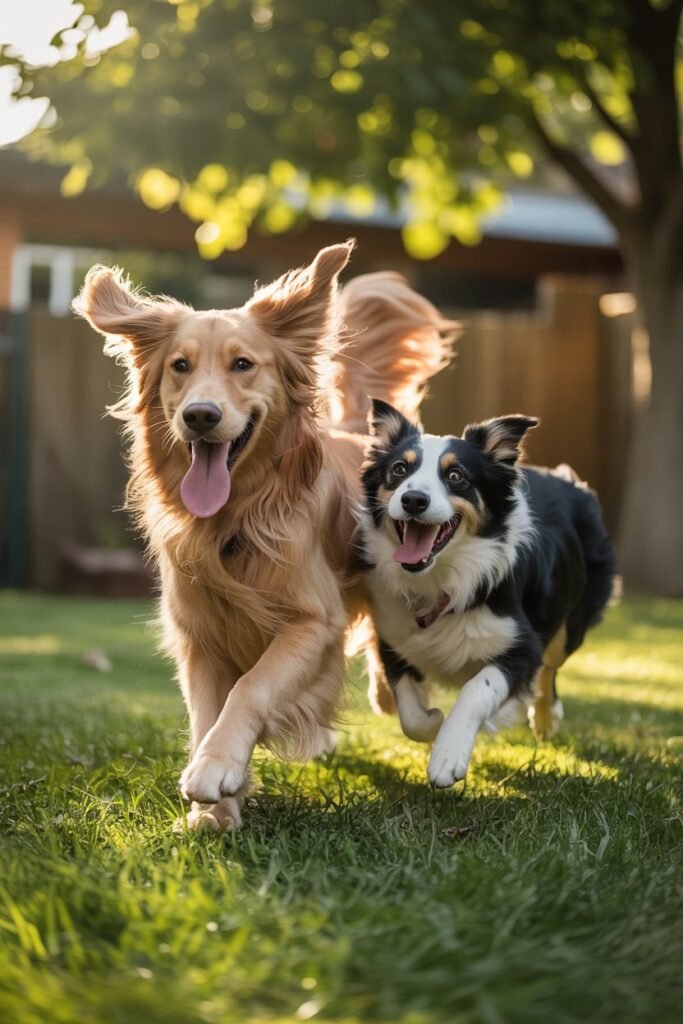
A bond doesn’t happen overnight.
Friendship between dogs develops through shared experiences.
Here are some wonderful ways to help your dogs connect.
Walk Them Together Daily
Shared walks create teamwork.
Walking side-by-side strengthens familiarity and comfort.
Train Them Together
Short training sessions teach both dogs to focus calmly around each other.
Reward calm behavior and cooperation.
Provide Separate Safe Spaces
Each dog should have their own space to relax.
This could include:
- Separate beds
- Separate crates
- Quiet resting areas
Having personal space reduces stress.
Rotate Attention
Make sure both dogs receive individual attention.
Jealousy can appear when one dog feels ignored.
Balanced affection keeps harmony in the household.
Common Mistakes When Introducing Dogs
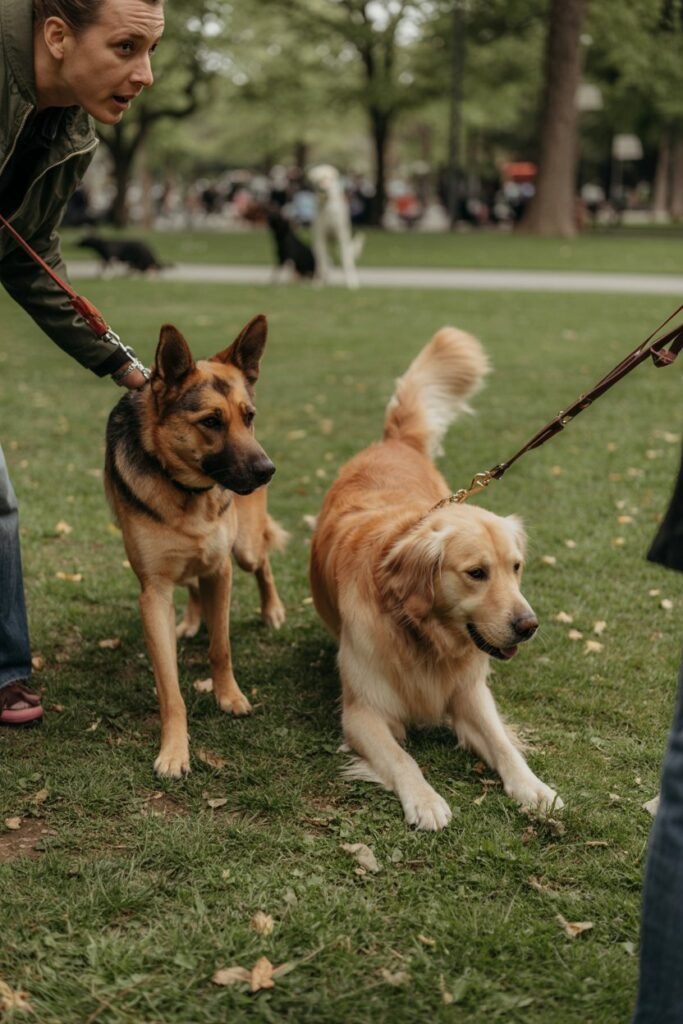
Even loving dog owners sometimes make simple mistakes during introductions.
Avoiding these mistakes can prevent conflict.
Rushing the Process
The most common mistake is introducing dogs too quickly.
Friendships take time.
Forcing Interaction
Never push dogs toward each other.
Let curiosity happen naturally.
Ignoring Body Language
Dogs communicate constantly through posture and movement.
Learning to read these signals helps prevent misunderstandings.
Leaving Dogs Unsupervised Too Soon
Even if the dogs seem friendly, supervision is important during the early days.
Trust builds gradually.
Special Situations
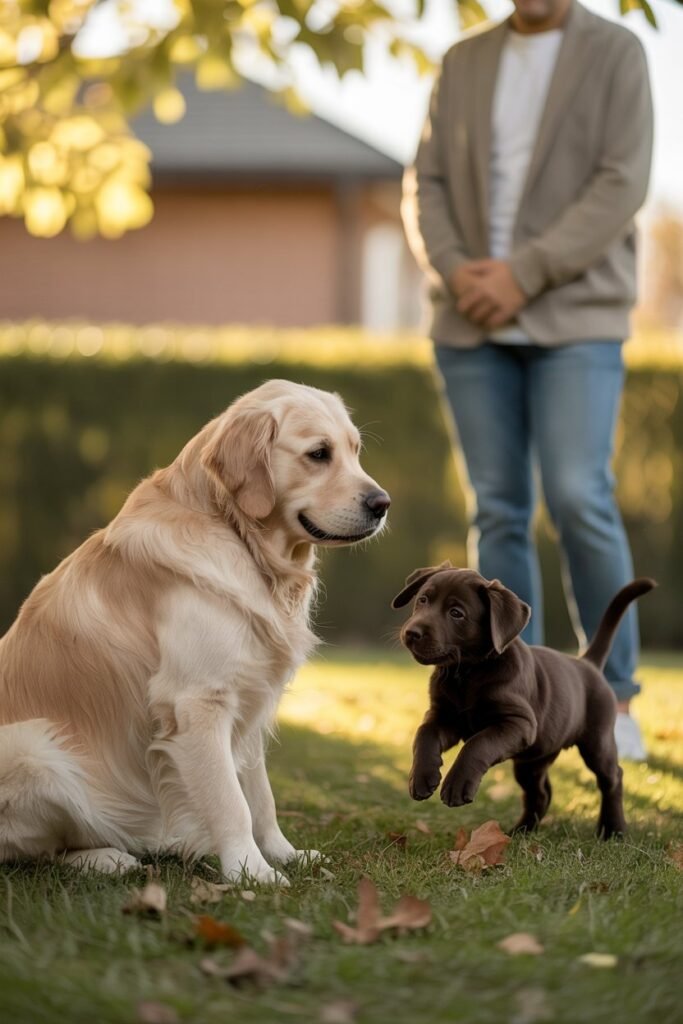
Some introductions require extra care.
Introducing a Puppy to an Adult Dog
Puppies are energetic and sometimes overwhelming.
Adult dogs may need breaks.
Allow the older dog to step away when needed.
Introducing Two Adult Dogs
Two adult dogs may be more cautious initially.
Patience and structured meetings help them adjust.
Introducing Dogs with Different Energy Levels
A high-energy dog and a calm dog can still bond beautifully.
Balance activities so neither dog becomes frustrated.
When Dogs Don’t Get Along Immediately
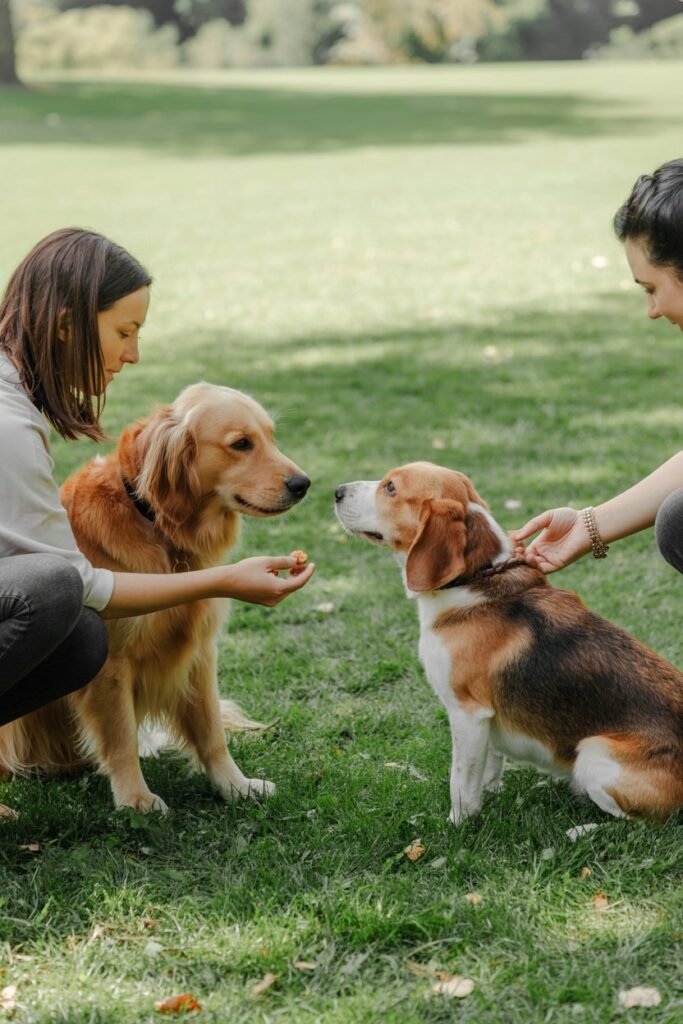
Not every introduction goes perfectly the first time.
And that is completely okay.
Dogs sometimes need multiple meetings before feeling comfortable.
If tension appears:
- Increase distance
- Return to parallel walking
- Keep interactions shorter
Slow progress is still progress.
Many dogs that initially seem uncertain eventually become inseparable companions.
When to Seek Professional Help
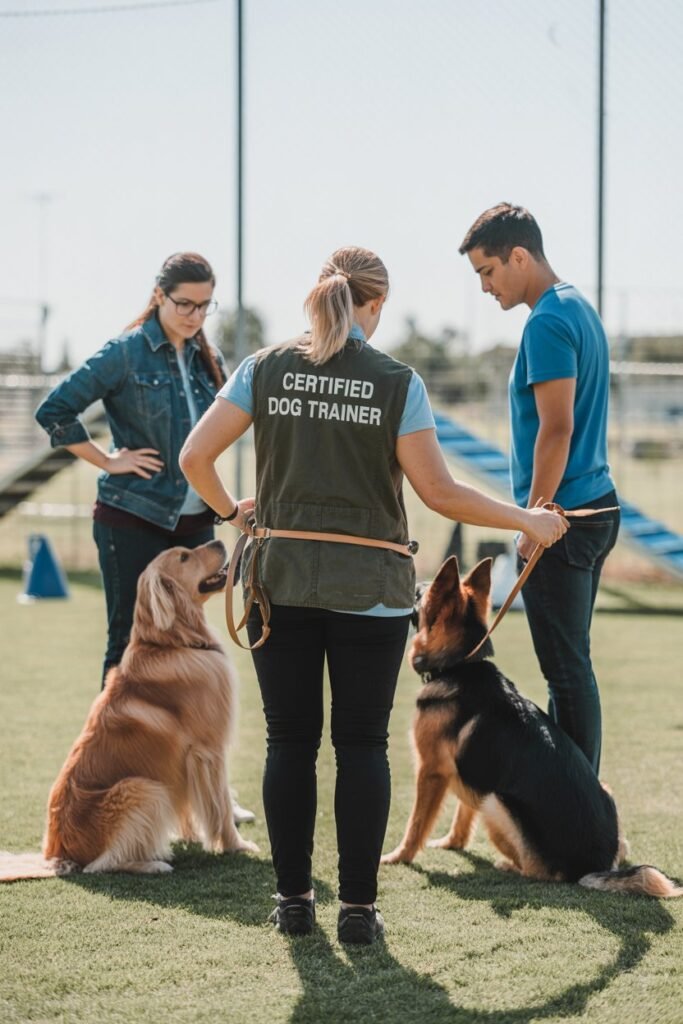
If dogs show serious aggression such as:
- Biting
- Lunging
- Persistent growling
- Intense guarding behavior
It is wise to consult a professional dog trainer or behaviorist.
Professional guidance can prevent injuries and help rebuild positive associations.
Final Thoughts: Patience Creates Lifelong Friendships
Watching two dogs become best friends is one of the sweetest rewards of dog ownership. The playful chases, the shared naps, the quiet companionship all of it grows from a foundation of trust.
Successful introductions are not about luck. They come from patience, understanding, and thoughtful guidance.
Give your dogs time to learn about each other.
Celebrate small wins.
Stay calm, observant, and supportive.
Before long, those cautious first sniffs can turn into wagging tails, playful wrestling, and a bond that lasts a lifetime.
And when that moment arrives when you catch them sleeping side by side or joyfully running through the yard together you will know that all the patience was absolutely worth it.