How to Start a Dog Bandana Business: A Step-by-Step Guide for Pet Lovers
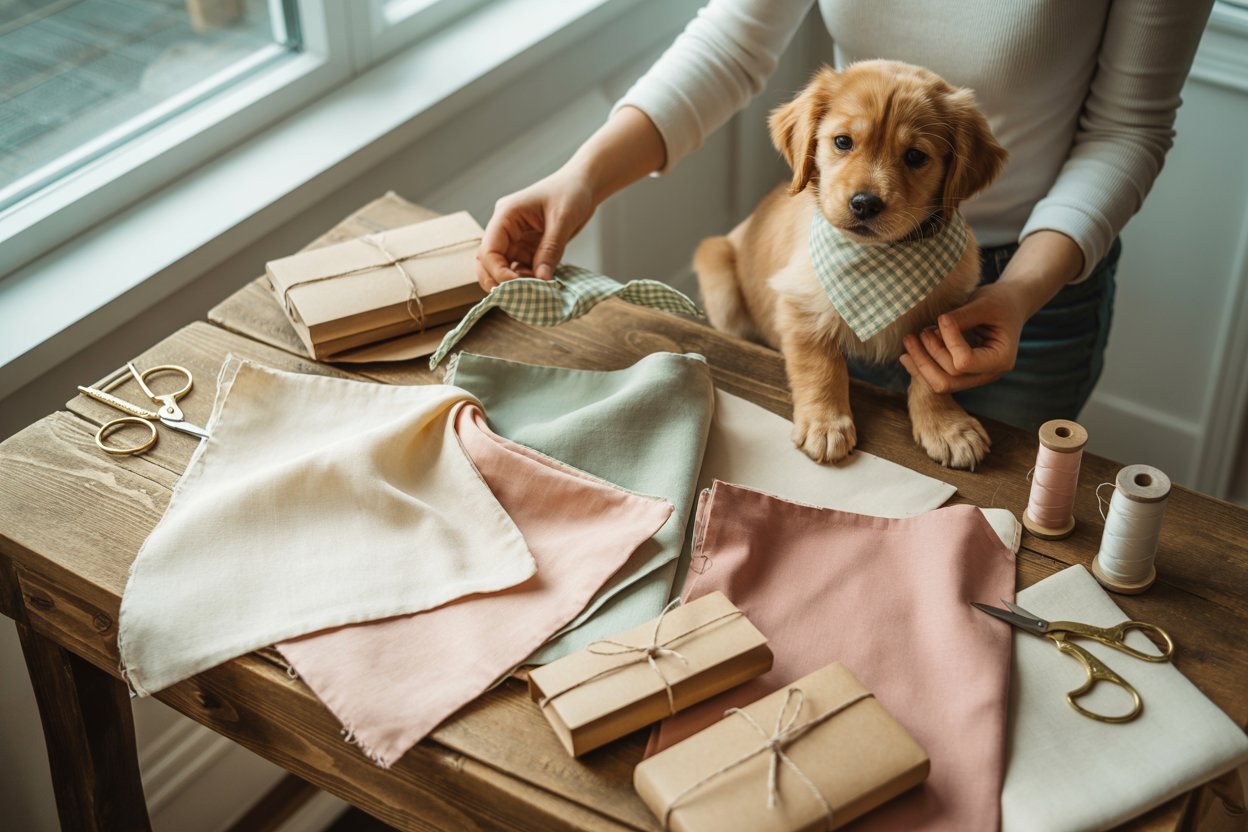
If you’ve ever dressed your dog in a cute bandana and thought, “I could totally make these,” you’re not alone. Pet fashion—especially dog accessories—has exploded in popularity over the last few years.
From Instagram-worthy designs to handmade, eco-friendly pieces, pet owners are willing to spend more than ever to keep their pups looking stylish.
Starting a dog bandana business is one of the most creative and affordable ways to enter the booming pet industry.
Whether you plan to sell on Etsy, your own website, or local pet fairs, this guide will walk you through every step—from concept to launch.
This guide walks you through every step of the process, from researching your market to designing, pricing, selling, and scaling your business. Whether you’re doing this as a fun side hustle or aiming for a full-time pet brand, this roadmap will help you start confidently and strategically.
1. Research the Market Thoroughly

Before sewing your first bandana, take time to understand the market. Market research is the foundation of any successful business—it helps you find your niche, avoid costly mistakes, and identify what makes your product different.
What to Look For:
- What styles of dog bandanas are currently trending (tie-on, snap, or slip-over collar designs)?
- Which colors, patterns, and themes are most popular? (Floral, minimalist, boho, seasonal, or personalized.)
- What price ranges do successful sellers use for handmade versus mass-produced bandanas?
- How are the top Etsy or Shopify stores presenting their brand visually—through photography, product descriptions, or packaging?
Spend some time scrolling through Etsy, Amazon Handmade, Pinterest, and Instagram. Look for patterns in what customers seem to love. Notice how they photograph their dogs, how they style their branding, and what kinds of reviews they get.
Once you understand what’s working, think about how you can do it differently. Maybe you’ll use sustainable fabrics, focus on luxury quality, or create custom bandanas that include the pet’s name or initials. Finding your angle early gives your business focus and personality.
2. Build a Strong Brand Identity

Your brand is more than just a name or logo—it’s the story people connect with. A strong brand identity helps you stand out in a crowded market and builds trust with potential customers.
Start by defining your target audience. Are you appealing to trendy urban dog owners, eco-conscious pet parents, or gift shoppers looking for handmade items?
Key Elements to Create:
- Business Name: Choose something simple, memorable, and dog-related. It should be easy to spell and pronounce.
- Logo and Color Palette: Use colors that reflect your brand’s tone—earthy neutrals for a natural look, or bright pastels for playful vibes.
- Brand Voice: Friendly, down-to-earth, and passionate about dogs.
- Mission Statement: Define your “why.” For example, “To create high-quality, stylish dog accessories that combine comfort, sustainability, and charm.”
Once you’ve built your brand foundation, keep it consistent across your website, packaging, and social media. Consistency builds recognition and credibility—two things that convert browsers into buyers.
3. Choose Quality Materials

The materials you choose can make or break your business. A bandana might look pretty in a photo, but if the fabric feels stiff, fades after washing, or irritates a dog’s skin, customers won’t return.
Top Fabric Choices:
- Cotton: Soft, breathable, durable, and easy to clean. Perfect for everyday wear.
- Linen blends: Lightweight, elegant, and gives a high-end finish.
- Flannel: Warm and cozy for fall and winter collections.
- Organic cotton or bamboo: Great for eco-conscious customers who value sustainability.
Always pre-wash fabrics to prevent shrinkage before cutting and sewing. Choose pet-safe dyes and avoid anything that might cause allergies or discomfort.
You’ll also need tools like fabric scissors, a sewing machine, thread, snaps or Velcro closures, and size labels. As your business grows, you can invest in fabric cutters and branding tags to give your bandanas a professional look.
4. Design and Develop Your Bandanas

This is where creativity shines. Your designs are your signature—the part that customers will remember and share.
How to Design Effectively:
- Start by sketching ideas or using a digital design tool like Canva, Procreate, or Adobe Illustrator.
- Offer a range of sizes (XS to XL) to suit all dog breeds.
- Use both reversible patterns and solid-color designs for variety.
- Consider adding optional personalization like embroidered names, initials, or custom tags.
- Keep comfort in mind—avoid bulky seams or heavy embellishments.
Seasonal or themed collections are a great way to keep customers coming back. Think “Spring Florals,” “Holiday Cheer,” or “Coastal Summer.” This creates excitement and helps you plan marketing campaigns around holidays or special events.
5. Make Samples and Test Your Products
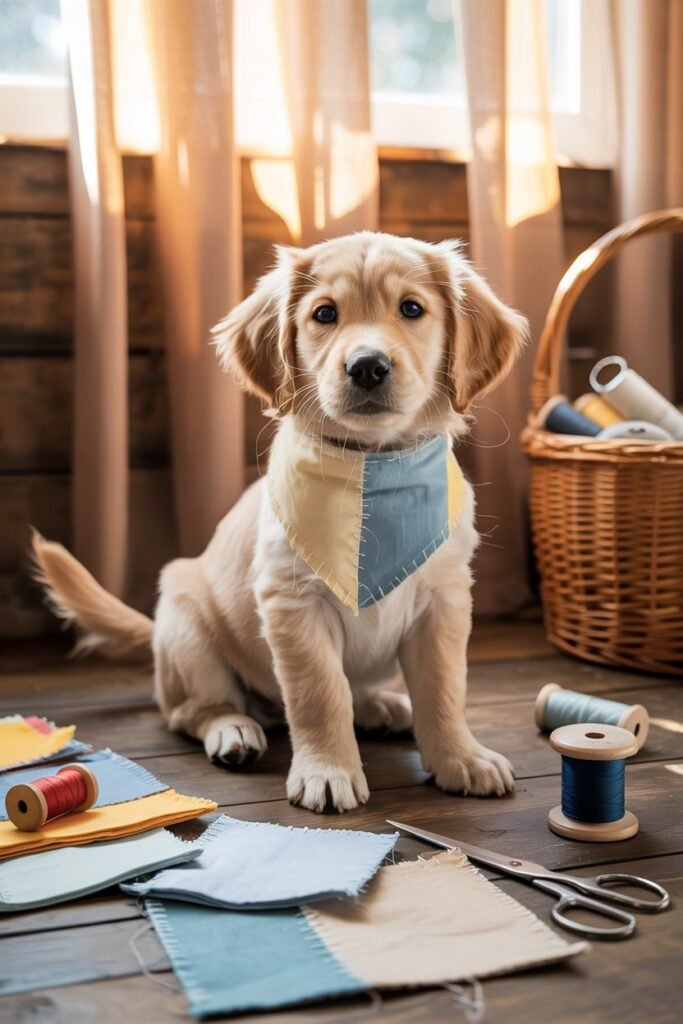
Before officially launching, make a few sample bandanas to test design, sizing, and quality. Offer them to friends or family members with dogs and ask for feedback.
Ask testers:
- Does the bandana stay in place comfortably?
- Is it easy to put on and remove?
- How does it hold up after washing?
- Does the fabric feel soft and pet-safe?
This stage helps you catch small problems early and ensures your final product meets expectations. You can also use these test photos for your online listings—real dogs wearing real products always perform better than stock photos.
6. Set Up Your Online Store
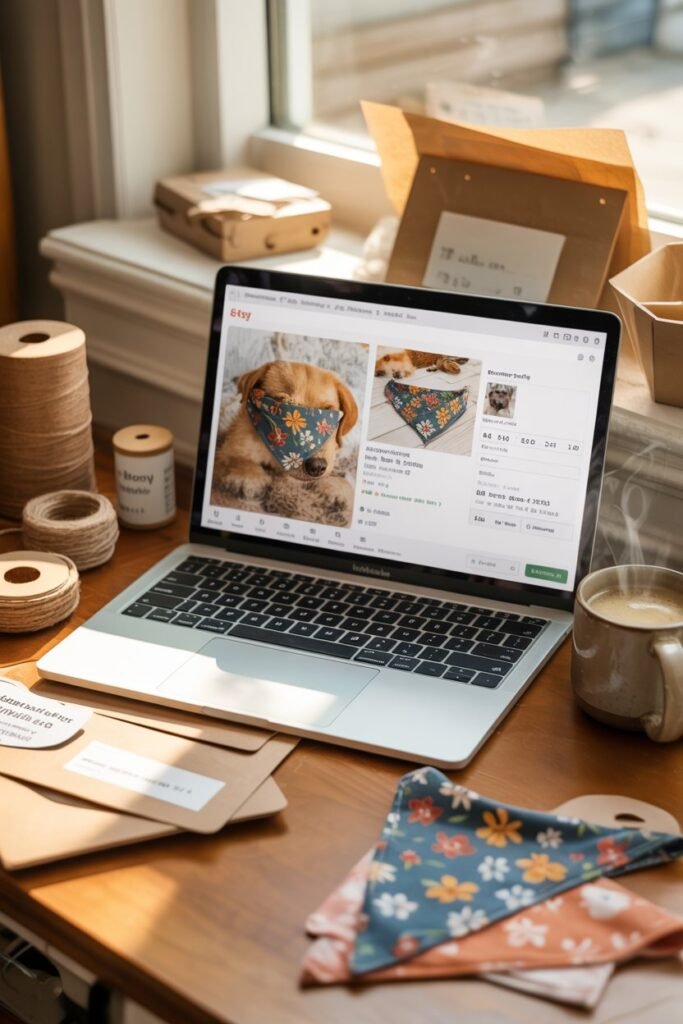
An online store is your virtual shop window. Whether you choose Etsy, Shopify, or your own branded website, it needs to look clean, cohesive, and trustworthy.
What to Include:
- High-quality photos: Capture your bandanas in natural light on real dogs.
- Clear product descriptions: Mention materials, sizes, care instructions, and personalization options.
- Easy navigation: Make categories for “New Arrivals,” “Seasonal,” or “Custom Orders.”
- Professional branding: Use your colors, logo, and tone consistently.
Etsy is a great place to start because it already has an audience searching for handmade dog accessories. Later, you can expand to your own website for more control and branding flexibility.
7. Price Your Products Fairly

Pricing is one of the trickiest parts for new sellers. Set prices that reflect your craftsmanship and time while staying competitive.
How to Calculate:
- Add the cost of materials (fabric, thread, packaging).
- Include the time it takes to make each bandana.
- Factor in overhead costs (shipping materials, website fees, etc.).
- Add a profit margin that rewards your effort.
Most handmade dog bandanas range between $14 and $25, depending on quality and customization. You can also offer bundle discounts, like “Buy 2 Get 1 Free” or seasonal gift sets.
8. Market Your Bandanas Like a Pro
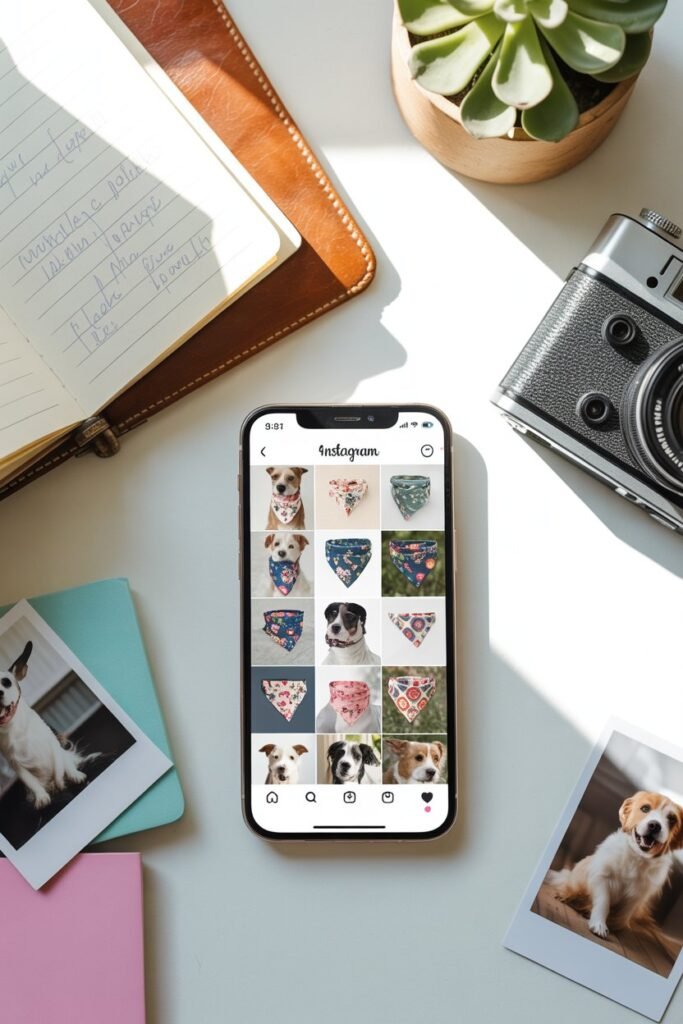
Even the most beautiful products need visibility. Marketing is how you connect with dog owners and turn them into loyal customers.
Effective Marketing Strategies:
- Social Media: Share videos of dogs modeling your bandanas, behind-the-scenes sewing clips, and styling tips. Instagram, Pinterest, and TikTok are ideal platforms for pet products.
- Influencer Collaborations: Partner with pet influencers or local dog photographers. Offer them free products in exchange for photos or shoutouts.
- Email Marketing: Build a small mailing list for new launches, promotions, or seasonal sales.
- Pinterest: Create beautiful pins with links to your shop or blog. Pet owners often use Pinterest to find dog fashion ideas.
Consistency is the secret ingredient. Post regularly, engage with your audience, and use authentic storytelling.
9. Create Memorable Packaging
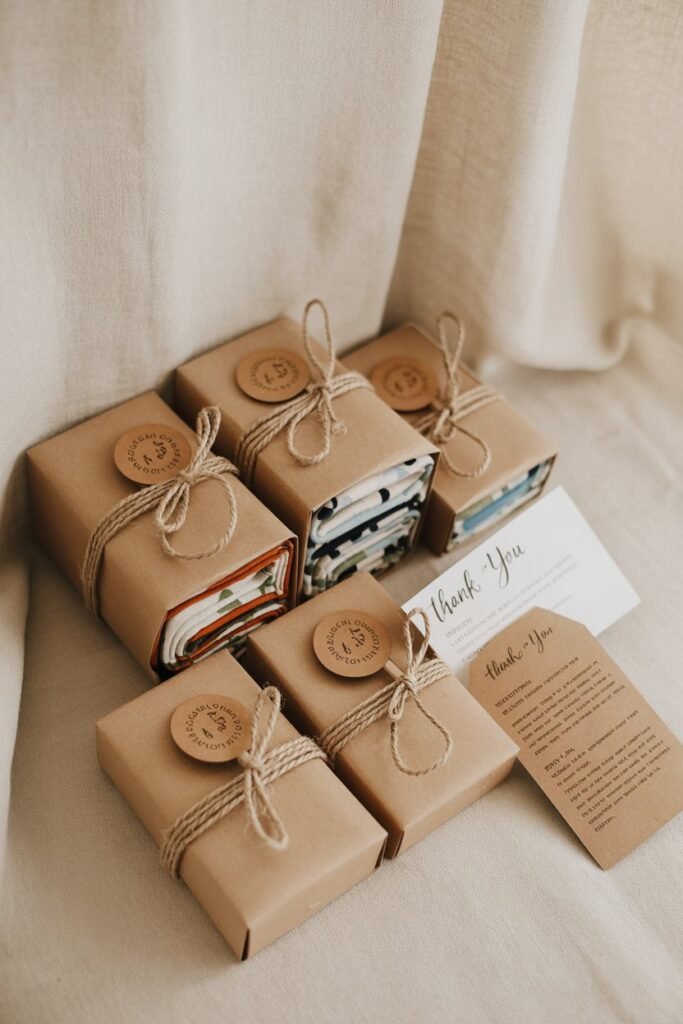
Unboxing matters—especially in handmade businesses. Packaging is an extension of your brand and can make a lasting impression on customers.
Packaging Ideas:
- Use eco-friendly materials like recycled paper or kraft boxes.
- Include a thank-you card or small treat for the dog.
- Add branded stickers, tags, or ribbon for a premium touch.
- Make it Instagram-worthy—customers love sharing cute packaging online.
When your packaging feels thoughtful and personal, customers are more likely to reorder or recommend your shop.
10. Manage Orders and Scale Gradually

As your business grows, organization becomes essential. Keep detailed records of your inventory, fabrics, and order history. Use digital spreadsheets or software like Notion or QuickBooks to stay on top of production and expenses.
When demand increases, you can:
- Hire part-time help for sewing or shipping.
- Outsource certain steps like embroidery or packaging.
- Expand your product line to include matching scrunchies, leashes, or toys.
Scaling doesn’t have to mean rushing—grow at a pace that allows you to maintain quality and consistency.
11. Build Customer Loyalty
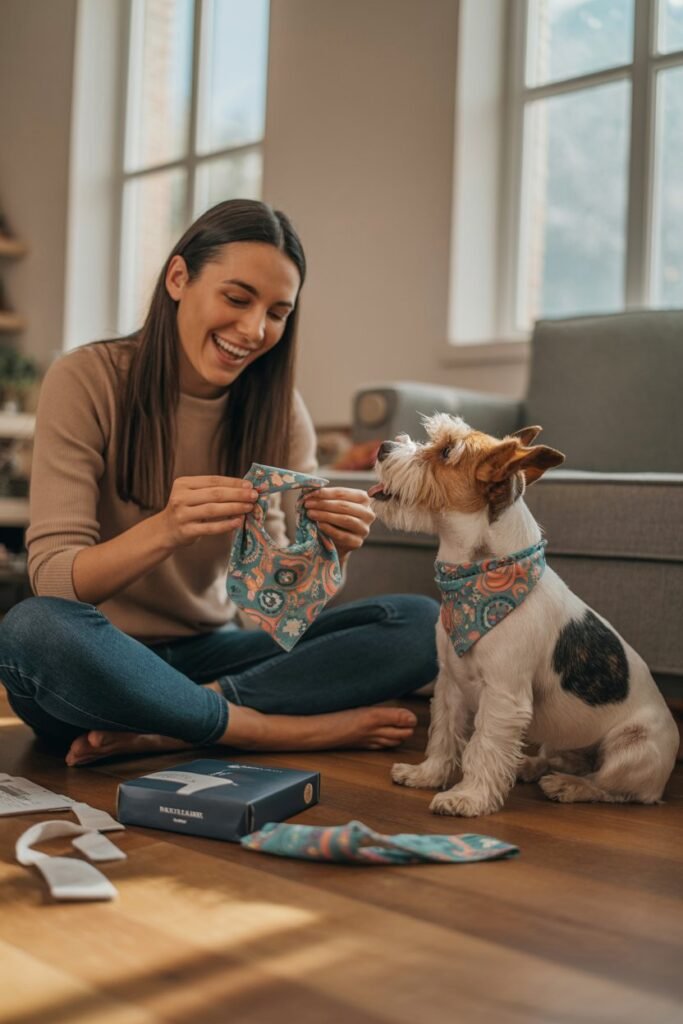
A loyal customer base is more valuable than one-time shoppers. Focus on offering excellent customer service and genuine engagement.
How to Keep Customers Coming Back:
- Follow up with thank-you emails after purchases.
- Offer loyalty discounts or referral programs.
- Share user-generated content on your social media.
- Launch limited-edition designs to create excitement.
People love supporting small businesses that feel personal. When customers know you care, they’ll return the favor by spreading the word.
12. Keep Evolving and Innovating

The pet industry changes quickly. Keep an eye on trends, materials, and design innovations. Don’t be afraid to refresh your brand, try new fabrics, or explore collaborations.
Attend local craft fairs or pet expos to showcase your work, meet other makers, and gather inspiration. Every season brings new opportunities to connect with your audience and grow your business organically.
Conclusion: From Hobby to Heartfelt Brand
Starting a dog bandana business is more than just a creative project—it’s an opportunity to blend your passion for pets with entrepreneurship. Every bandana you design carries a story, a touch of your creativity, and a reflection of how much people love their dogs.
Success won’t happen overnight, but with patience, authenticity, and attention to detail, you can build something lasting. Whether your goal is a side hustle that brings in extra income or a full-time brand featured in pet boutiques, the key is to start small and stay consistent.
The best part? You’ll be doing what you love—creating something that makes tails wag and pet parents smile.