Indoor Activities for Dogs to Beat the Winter Blues
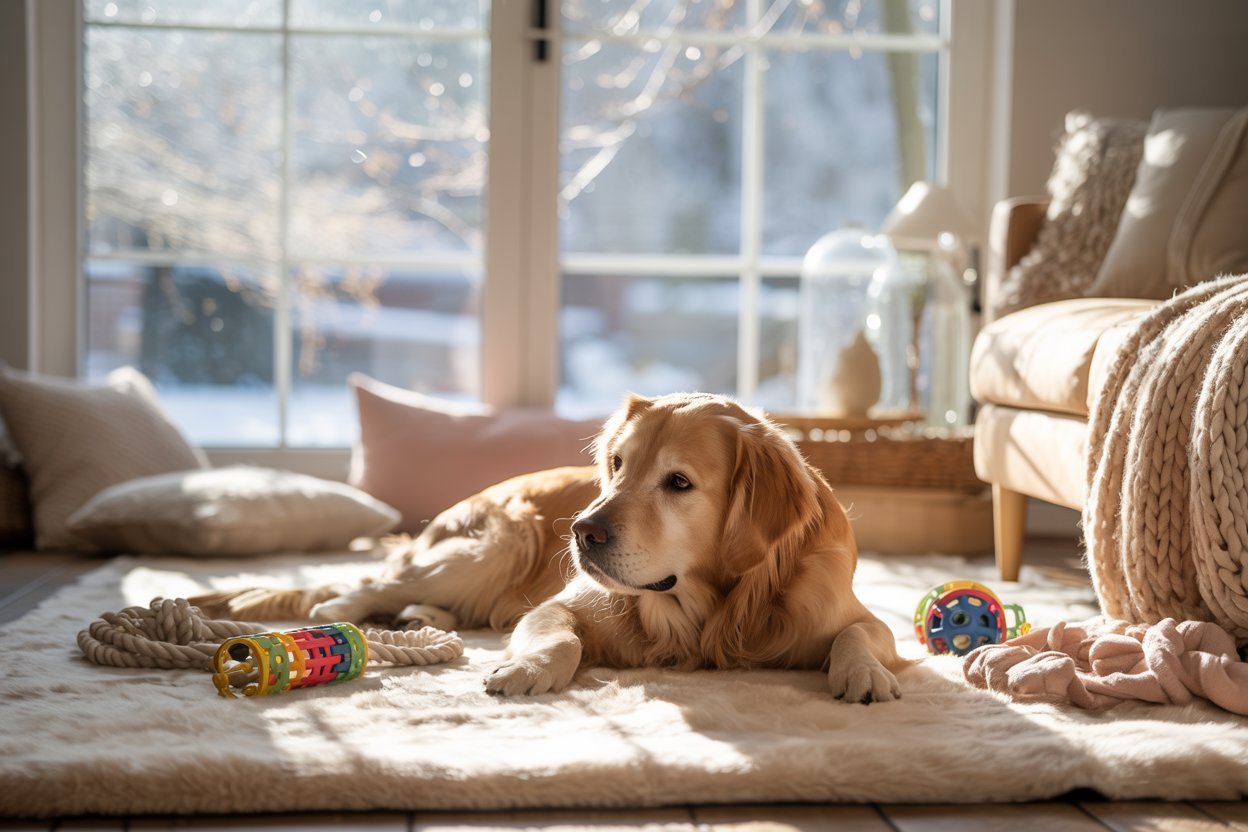
One day we’re enjoying long walks, muddy paws, and sunset playtime in the yard and the next, the air is cold, the days are short, and my dog is staring at me like “So what now?”
If you’ve ever owned a dog through winter, you know this look. It’s the quiet frustration of pent-up energy, the boredom that creeps in when outdoor routines disappear, and the subtle behavior changes that tell you your dog needs more than just extra cuddles.
I learned the hard way that winter doesn’t just affect us dogs feel it too. Less stimulation can lead to anxiety, weight gain, destructive habits, and even sadness. But over time, I discovered something powerful: indoor days don’t have to be boring days.
These 13 indoor activities completely transformed our winters. They kept my dog mentally sharp, emotionally fulfilled, and happily tired even when stepping outside wasn’t an option.
Whether you’re snowed in, dealing with icy sidewalks, or just trying to survive cold evenings, these ideas will help you turn winter into a season of connection instead of confinement.
Lets see this Indoor Activities for Dogs to Beat the Winter Blues
Why Indoor Activities Matter More in Winter
Dogs thrive on structure, stimulation, and purpose. When winter limits outdoor exercise, dogs don’t magically adjust they miss the movement, challenges, and novelty they’re used to.
Without indoor enrichment, many dogs experience:
- Excess energy and restlessness
- Weight gain due to reduced activity
- Chewing, barking, or digging indoors
- Anxiety or low mood
Indoor activities aren’t just about burning energy they keep your dog’s mind engaged, which is often more exhausting (and fulfilling) than physical exercise alone.
1. Indoor Hide-and-Seek

This became one of my dog’s favorite games almost instantly.
I started small asking my dog to sit and stay while I hid behind a door or couch. Then I’d call their name once and let them search. The excitement in their eyes when they found me was priceless.
Why it works:
Hide-and-seek taps into your dog’s natural tracking instincts. It builds confidence, focus, and listening skills.
How to make it better:
- Hide treats instead of yourself
- Increase difficulty by hiding in different rooms
- Ask family members to join
This simple game burns surprising amounts of mental energy.
2. Puzzle Toys and Treat Dispensers
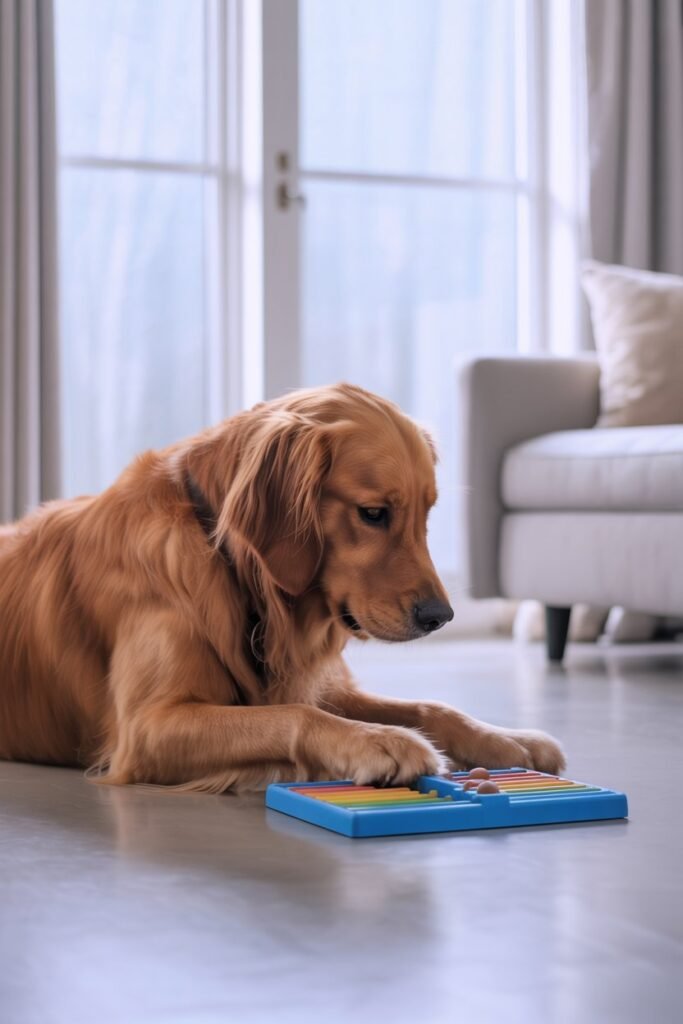
On days when I’m busy or exhausted, puzzle toys save me.
Watching my dog carefully maneuver a puzzle to release treats reminded me how intelligent dogs truly are. Even 10–15 minutes of puzzle play left my dog calm and satisfied.
Benefits:
- Improves problem-solving skills
- Reduces boredom and anxiety
- Encourages slow eating
Tip:
Rotate puzzles weekly so they don’t become predictable.
3. DIY Indoor Obstacle Course
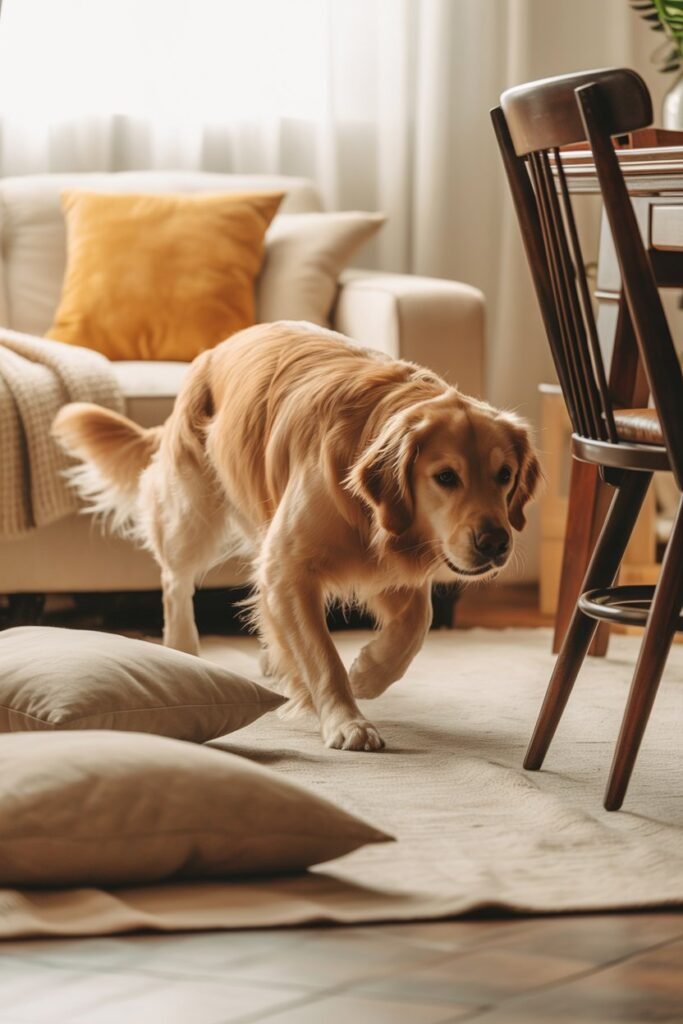
One winter afternoon, I looked around my living room and thought — why not turn this into a playground?
Using pillows, chairs, broomsticks, and boxes, I created a mini obstacle course. My dog jumped, crawled, weaved, and strutted through like a pro.
Why it’s great:
- Builds coordination and confidence
- Provides controlled physical exercise
- Strengthens your bond through guidance
Keep sessions short and positive, especially for senior dogs.drmm
4. Scent Games (Mental Workouts That Truly Tire Dogs)
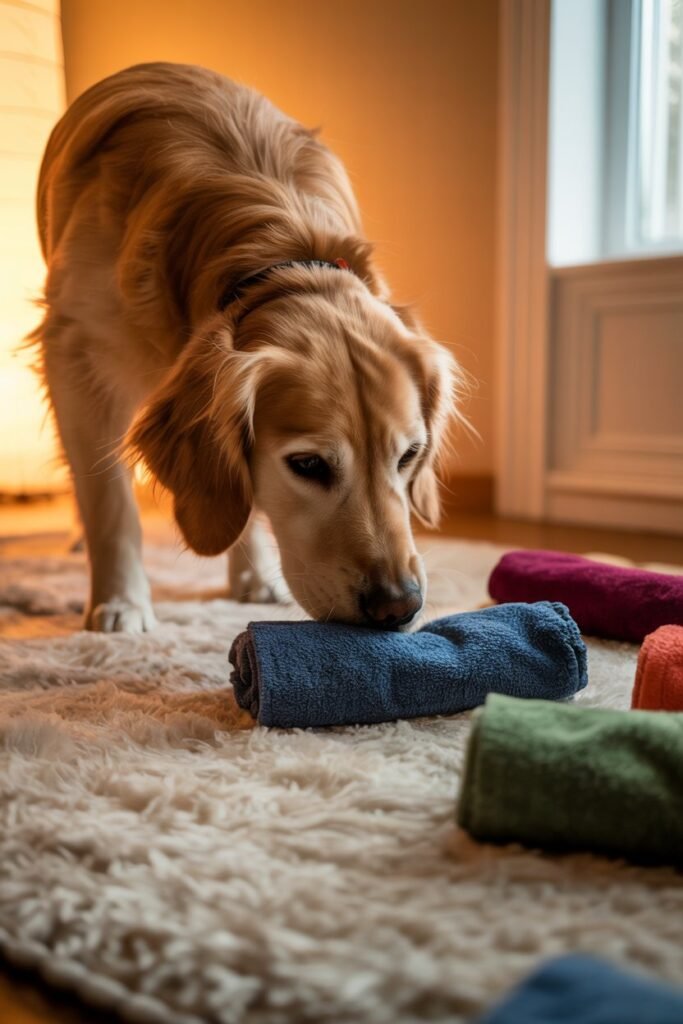
If there’s one thing I recommend above all else, it’s scent work.
Dogs experience the world through their noses. I started by hiding treats under cups or inside rolled towels. Eventually, I progressed to hiding scents around the house.
Why scent games are powerful:
- Mental exhaustion without overexertion
- Boosts confidence and independence
- Perfect for high-energy breeds
Just 15 minutes of scent work can equal a long walk.
5. Teaching New Tricks
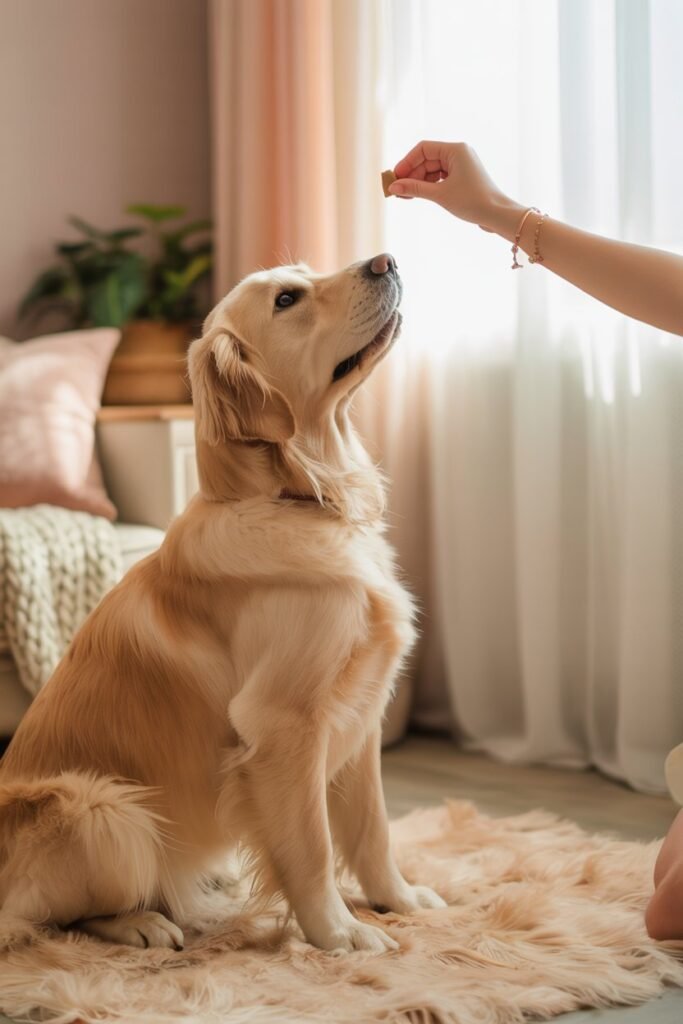
Winter became our learning season.
Instead of repeating old commands, I taught fun tricks spin, wave, bow, “clean up toys,” even balancing treats on the nose.
Benefits:
- Improves communication
- Builds trust
- Keeps training exciting
Training sessions also reinforced structure when winter disrupted our routine.
6. Indoor Fetch (Yes, It Can Be Safe)
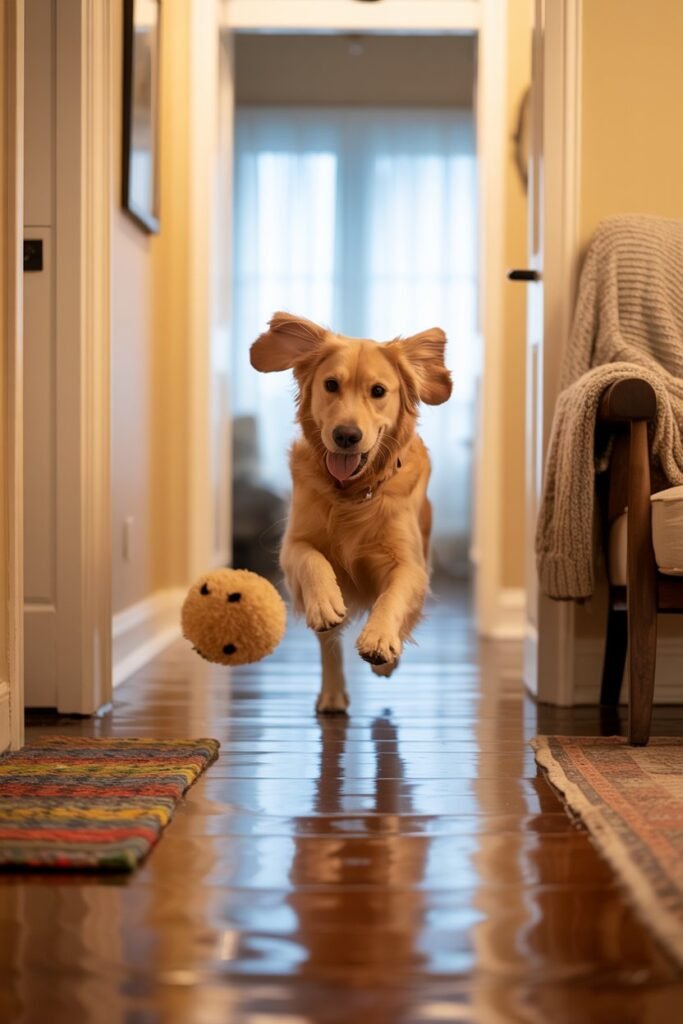
Fetch doesn’t have to stop just because you’re indoors.
Using soft toys or rolled socks, we played gentle hallway fetch. I kept sessions short to avoid slipping or overexcitement.
Safety tips:
- Clear the area
- Use non-slip rugs
- Avoid hard throws
Even 5 minutes helped release built-up energy.
7. Tug-of-War (Done the Right Way)
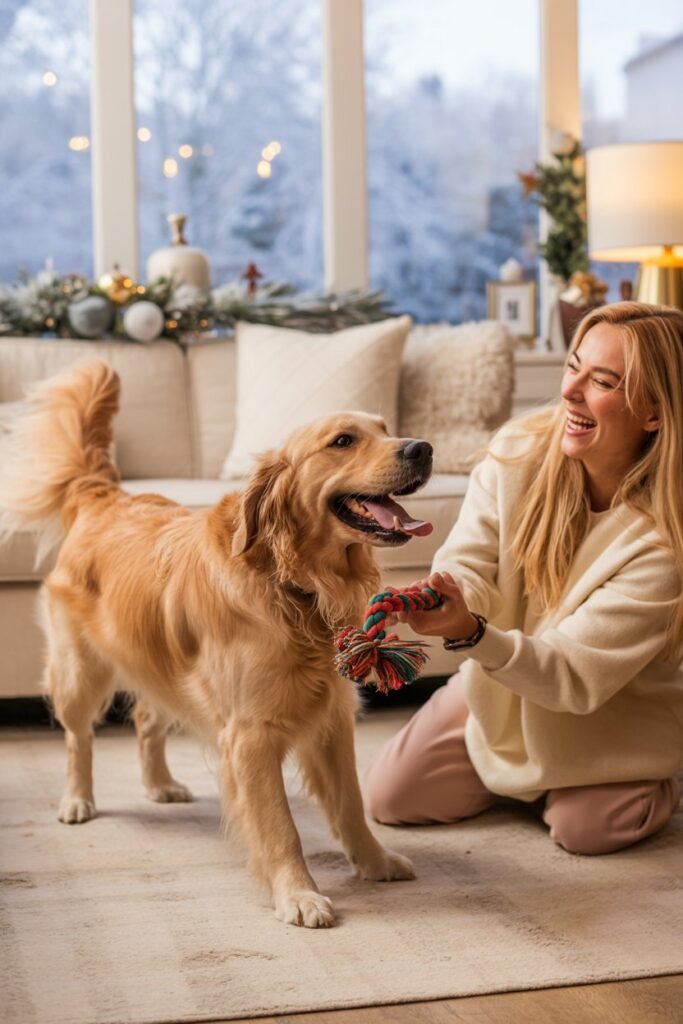
Tug-of-war often gets a bad reputation, but when done correctly, it’s fantastic.
Rules I follow:
- Dog must drop the toy on command
- Play ends calmly
- No jumping or snapping
This game strengthened my dog’s impulse control and confidence.
8. Food-Based Enrichment Activities
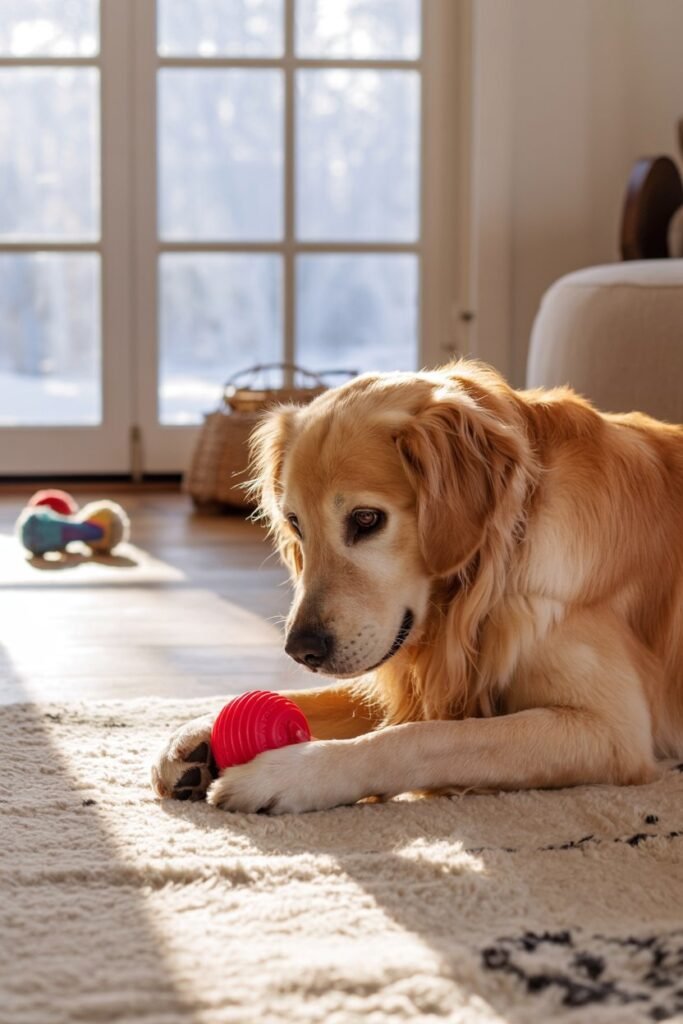
Winter is the perfect time to slow feeding and add enrichment.
I froze meals in lick mats, stuffed KONGs with dog-safe fillings, and used snuffle mats for daily feeding.
Why licking is calming:
- Releases endorphins
- Reduces anxiety
- Encourages focus
These activities were especially helpful on stormy days.
9. Indoor “Find It” Games
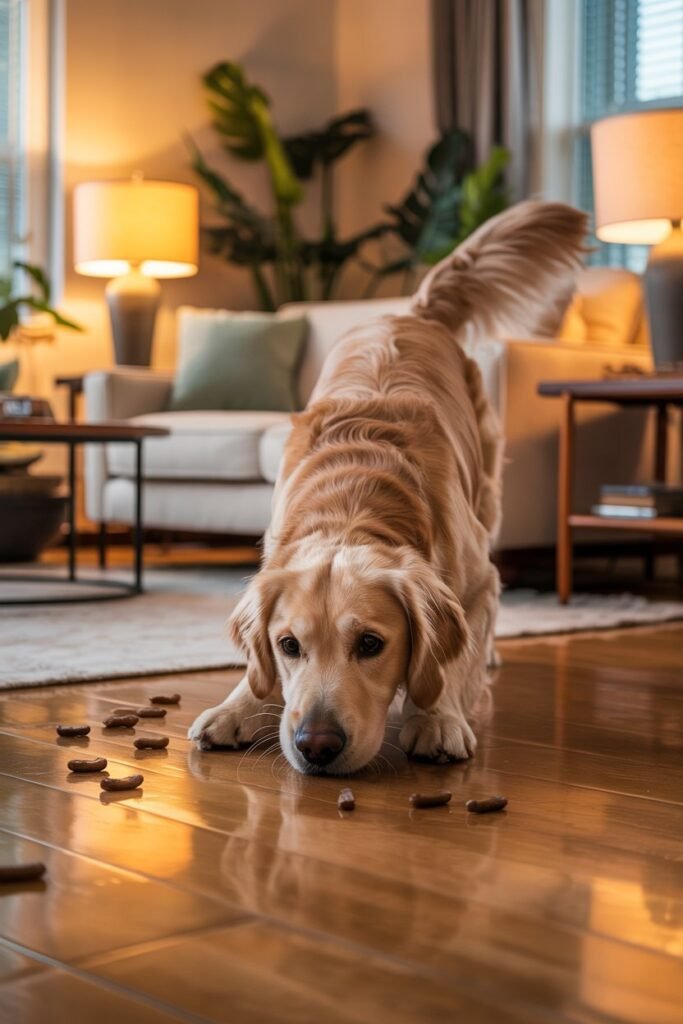
This evolved naturally from scent work.
I’d ask my dog to wait, hide treats in different rooms, then say “Find it!” Watching them search with purpose was deeply satisfying.
Make it harder by:
- Using multiple rooms
- Hiding treats at different heights
- Using one specific scent
This game builds independence and confidence.
10. Doggy Yoga and Stretch Sessions

This surprised me — but it worked.
Gentle stretching, slow movements, and calm breathing helped my dog relax during long winter evenings.
Best for:
- Senior dogs
- Anxious dogs
- Post-play cooldowns
It also deepened our emotional connection.
11. Indoor Social Play (When Possible)
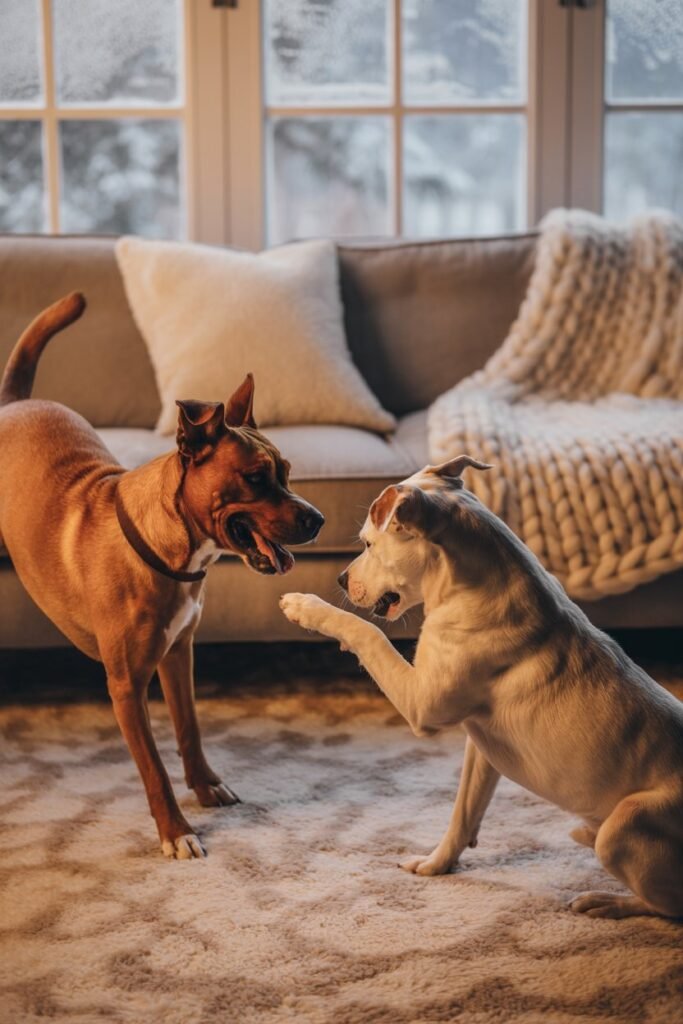
If your dog has a trusted playmate, indoor visits can be lifesavers.
Short, supervised sessions helped burn energy while maintaining social skills.
Tips:
- Neutral environment
- Plenty of breaks
- Remove toys if needed
Not every dog enjoys this always read body language.
12. Watching the World Together
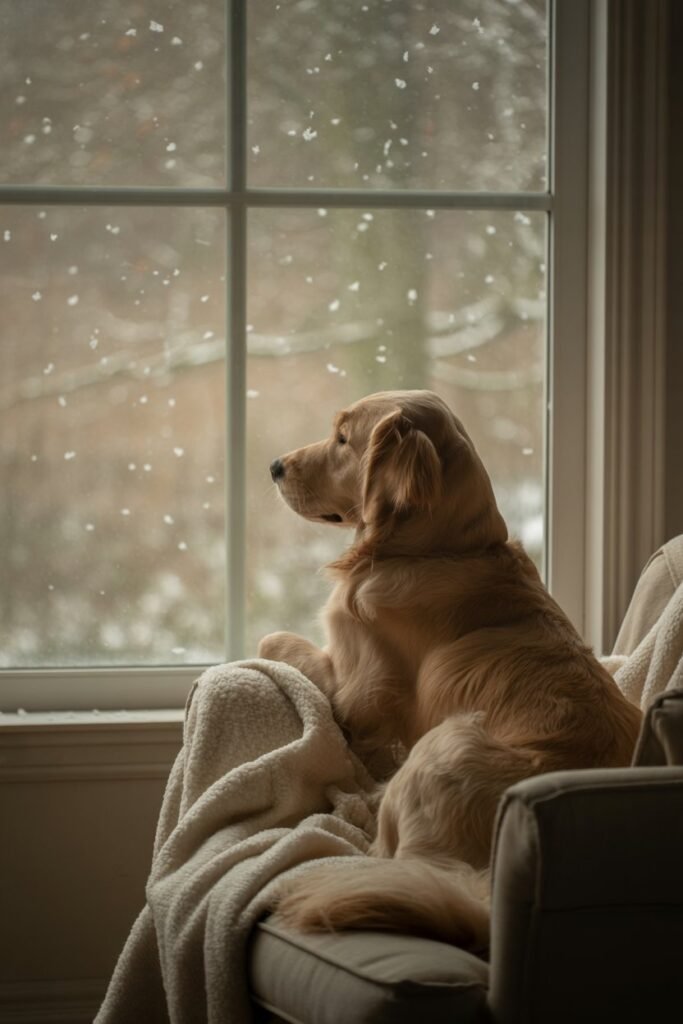
Some evenings were quieter.
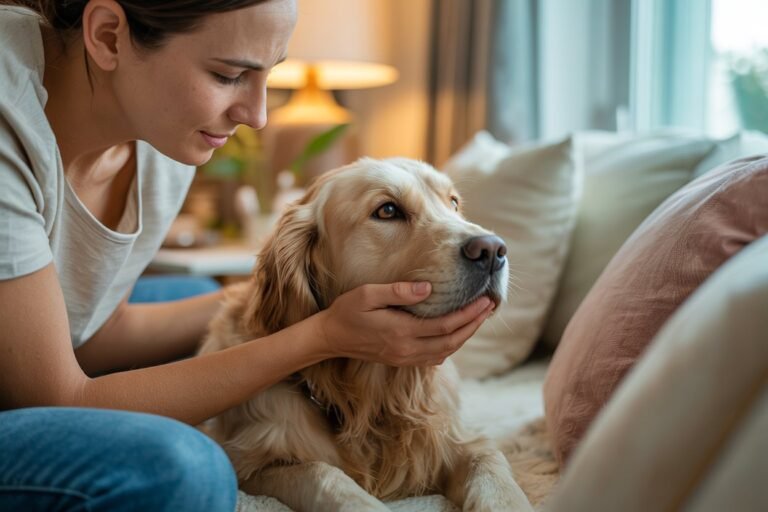
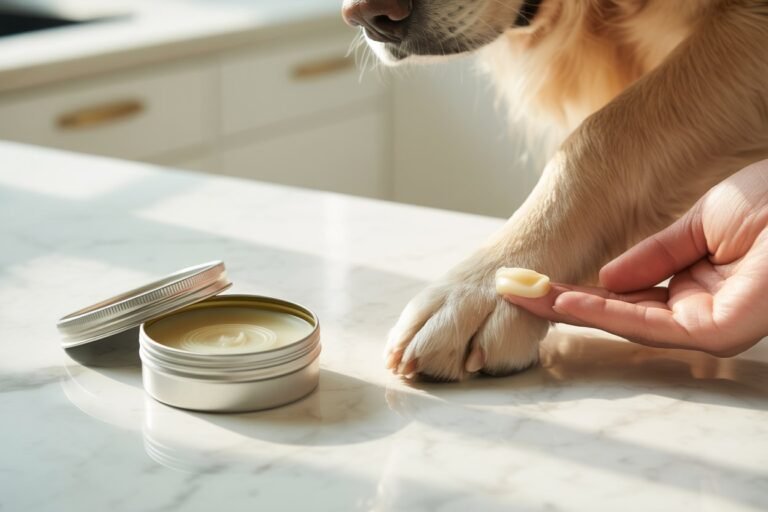
We’d sit by the window, watch the rain or falling snow, and talk softly. I’d gently massage ears or paws.
This wasn’t “activity” but it mattered.
Dogs crave presence as much as stimulation.
13. Creating a Winter Routine
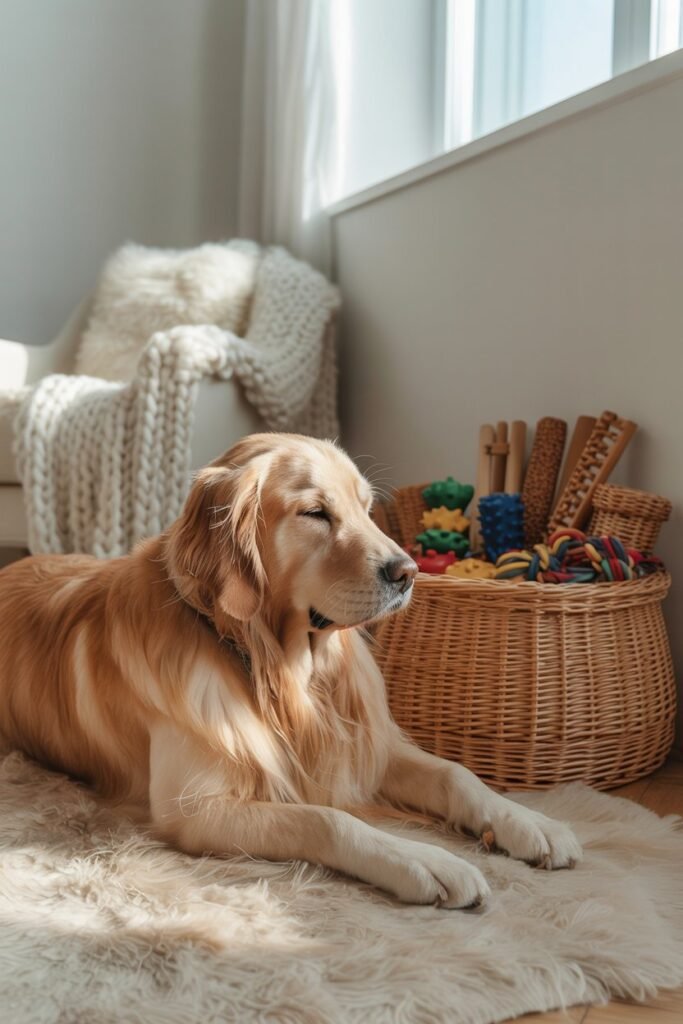
The biggest lesson I learned?
Dogs don’t just need activity — they need predictability.
I created a simple winter schedule:
- Morning scent game
- Afternoon enrichment toy
- Evening training or calm play
This routine gave my dog security when everything else changed.
Final Thoughts: Winter Doesn’t Have to Feel Long
Winter taught me something unexpected.
When outdoor adventures paused, our indoor bond deepened. I learned my dog’s cues better. We communicated more. We slowed down together.
Indoor activities aren’t a replacement for walks they’re an opportunity. An invitation to connect in quieter, more intentional ways.
So if your dog seems restless, bored, or a little down this winter, know this:
You don’t need more space, more toys, or perfect weather.
You just need presence, creativity, and a willingness to meet your dog where they are.
And sometimes, the most meaningful moments happen right there on the living room floor — while winter waits outside.