Creating Sensory Gardens for Dogs: A Complete Guide to Designing a Canine Paradise
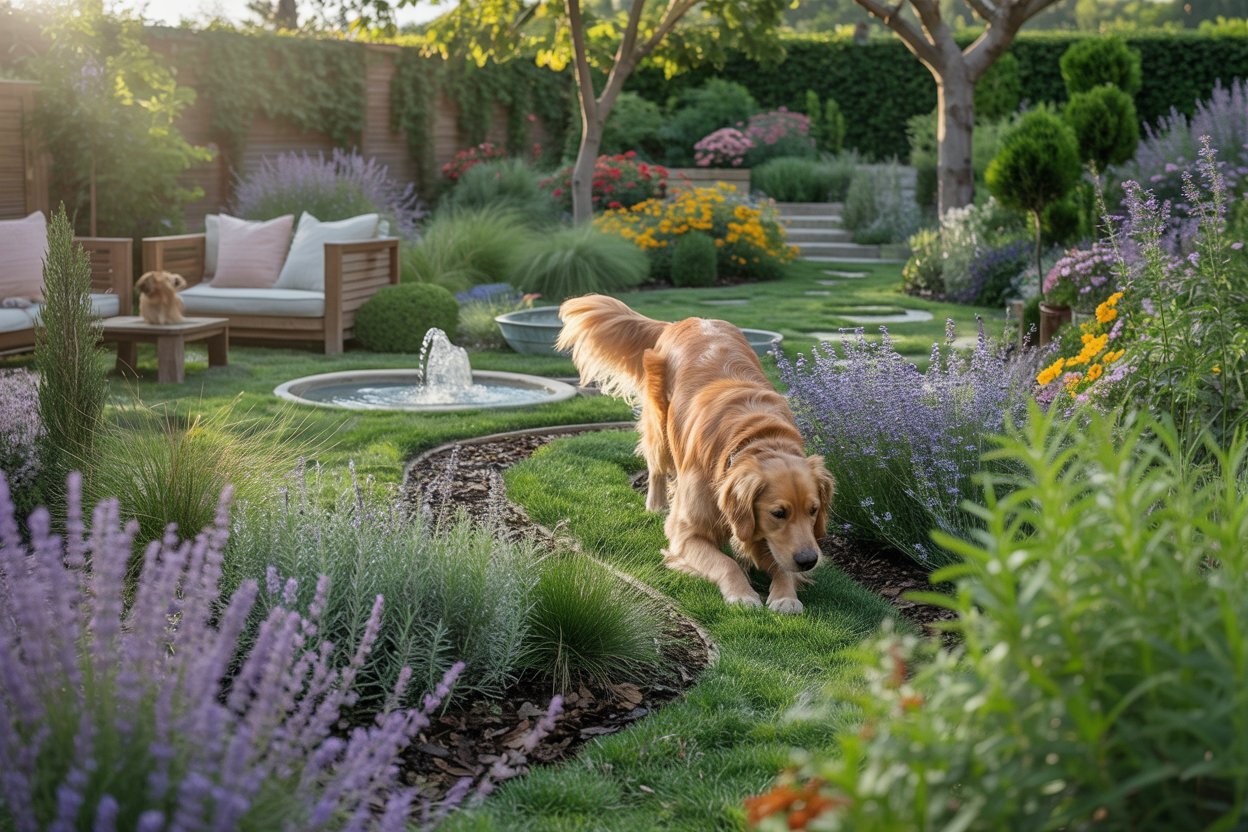
Watching a dog explore a garden is one of life’s simplest joys. Every rustling leaf, interesting scent, soft patch of grass, and gentle breeze offers an exciting adventure through their senses.
Unlike humans, who rely heavily on sight, dogs experience the world primarily through their noses, ears, paws, and natural curiosity.
A thoughtfully designed sensory garden can transform an ordinary outdoor space into a stimulating environment that supports your dog’s physical health, mental wellbeing, and overall happiness.
Whether you have a sprawling backyard or a modest garden area, creating a sensory-rich space allows your canine companion to safely investigate, play, relax, and engage with nature in meaningful ways while strengthening the bond you share together.
What Is a Sensory Garden for Dogs?
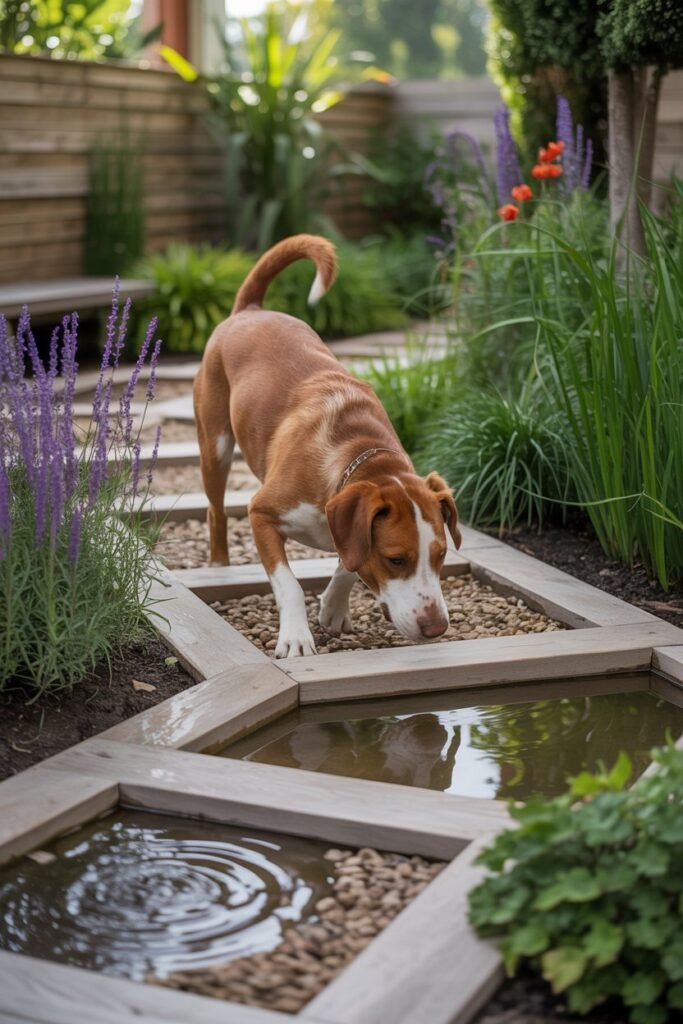
A sensory garden for dogs is an outdoor space intentionally designed to stimulate and engage a dog’s five senses. Rather than focusing solely on aesthetics, these gardens prioritize experiences that enrich a dog’s daily life.
The concept originated from therapeutic sensory gardens used in healthcare and educational settings. Garden designers and pet owners have adapted these principles to create environments specifically tailored to canine behavior and sensory needs.
A well-designed sensory garden encourages dogs to:
- Sniff and explore different scents
- Experience varied textures under their paws
- Listen to natural sounds
- Observe movement and wildlife safely
- Taste dog-safe plants and grasses
- Engage in physical activity
- Reduce boredom and anxiety
- Develop confidence through exploration
Dogs process information differently from humans. Their sense of smell is estimated to be tens of thousands of times more powerful than ours, making scent-based experiences especially important. A sensory garden recognizes this and creates opportunities for enrichment that align with a dog’s natural instincts.
Why Sensory Gardens Benefit Dogs
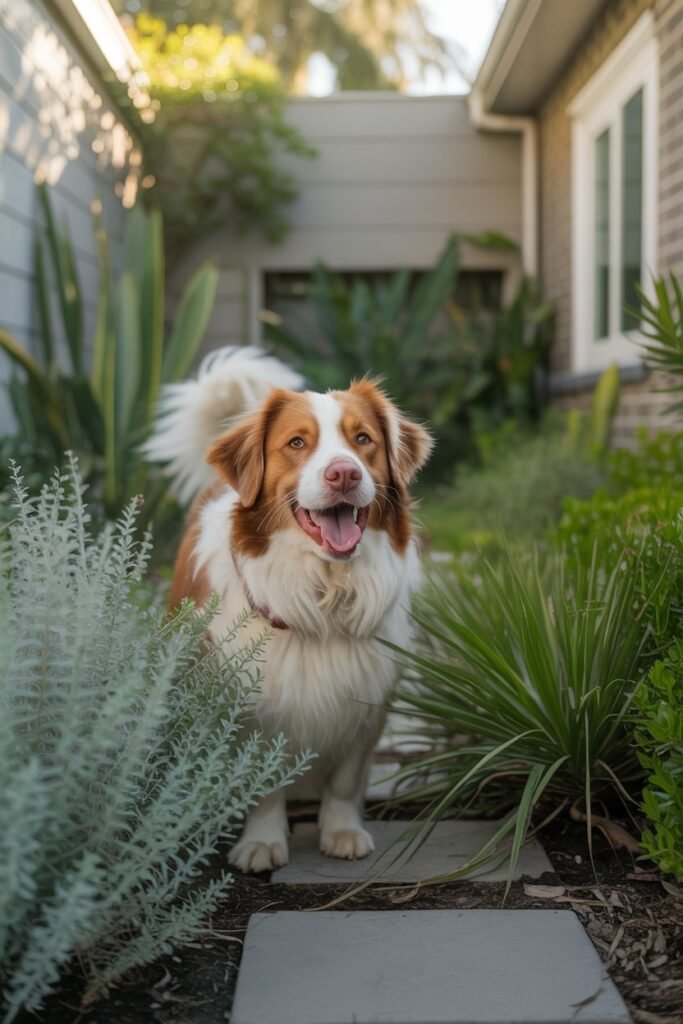
Mental Stimulation
Mental exercise is just as important as physical activity for dogs. A sensory garden provides endless opportunities for investigation and problem-solving.
When dogs encounter new smells, textures, and sounds, their brains remain active and engaged. This mental stimulation can help prevent boredom-related behaviors such as:
- Excessive barking
- Digging
- Chewing furniture
- Pacing
- Restlessness
Regular sensory experiences challenge a dog’s mind in healthy and productive ways.
Stress and Anxiety Reduction
Many dogs experience stress due to changes in routine, loud noises, separation, or lack of stimulation.
Natural environments have a calming effect on both humans and animals. A sensory garden creates a peaceful retreat where dogs can decompress through activities that come naturally to them.
The opportunity to sniff, investigate, and interact with nature often lowers stress levels and promotes relaxation.
Improved Physical Health
Sensory gardens encourage movement and exploration.
Features such as pathways, gentle slopes, tunnels, stepping stones, and varied terrain help dogs:
- Maintain healthy weight
- Build muscle strength
- Improve coordination
- Enhance balance
- Increase mobility
Senior dogs can particularly benefit from carefully designed sensory spaces that encourage gentle movement without excessive strain.
Supports Natural Behaviors
Dogs have instinctive behaviors that deserve healthy outlets.
These include:
- Sniffing
- Digging
- Foraging
- Exploring
- Tracking scents
- Rolling in grass
Providing designated areas for these activities satisfies natural urges while protecting the rest of your garden.
Strengthens the Human-Dog Bond
A sensory garden creates opportunities for shared experiences.
Spending time outdoors together allows owners to participate in enrichment activities, observe their dog’s preferences, and create positive memories.
The result is often a deeper understanding of your dog’s personality and needs.
Understanding How Dogs Experience the World
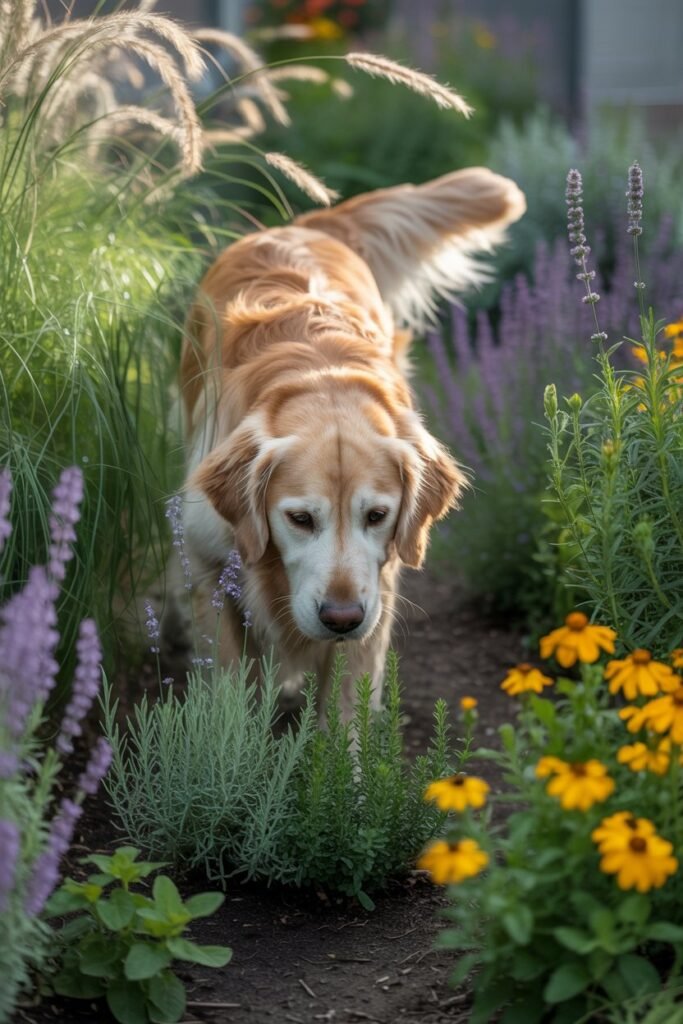
Before designing a sensory garden, it helps to understand how dogs interact with their environment.
The Power of a Dog’s Nose
A dog’s nose is their primary tool for gathering information.
While humans have approximately six million scent receptors, dogs possess hundreds of millions depending on breed.
When dogs sniff:
- They identify other animals
- Detect environmental changes
- Gather social information
- Track movement
- Discover food sources
This explains why scent-rich gardens are often the most rewarding.
Hearing Beyond Human Limits
Dogs hear frequencies far beyond human capability.
They can detect:
- Distant sounds
- Rustling leaves
- Bird activity
- Running water
- Insects
Incorporating sound elements can greatly enrich a sensory garden.
Touch and Texture
Dogs explore surfaces through their paws and bodies.
Different textures offer valuable sensory feedback and encourage investigation.
Examples include:
- Grass
- Sand
- Bark mulch
- Pebbles
- Soil
- Smooth stone
- Moss
Variety is key to creating an engaging environment.
Planning Your Sensory Garden
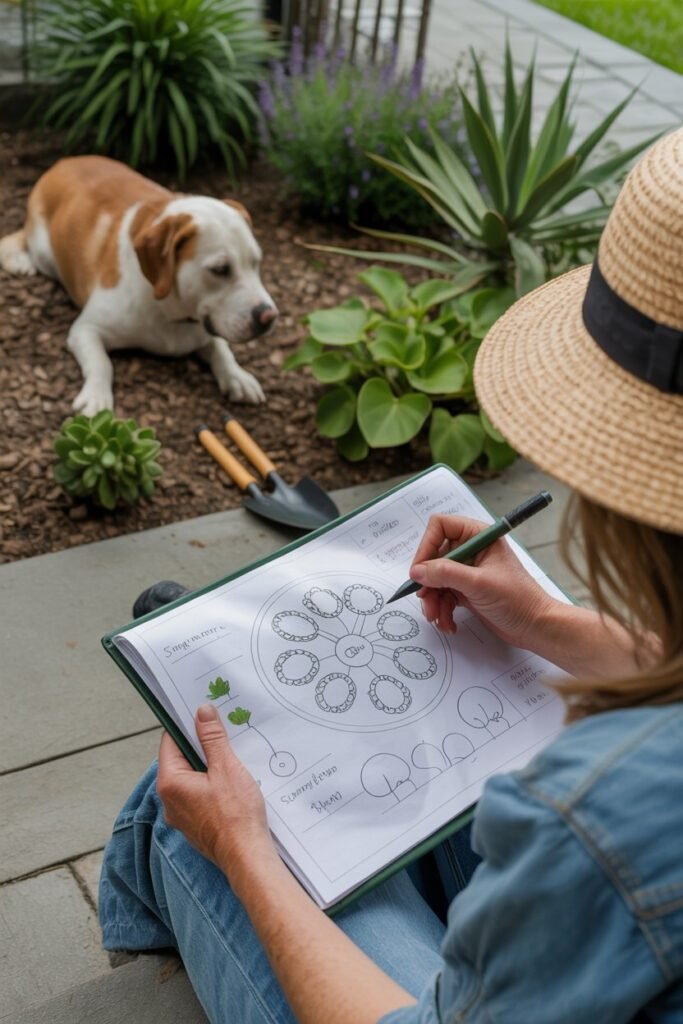
Assess Your Available Space
Sensory gardens can be created in:
- Large backyards
- Small suburban gardens
- Courtyards
- Urban outdoor spaces
- Side yards
The goal is not size but thoughtful design.
Observe:
- Sunlight patterns
- Existing vegetation
- Drainage
- Wind exposure
- Areas your dog already enjoys
These observations will guide your design decisions.
Consider Your Dog’s Personality
Every dog is unique.
Ask yourself:
- Is your dog energetic or calm?
- Do they love digging?
- Are they scent-driven?
- Do they enjoy water?
- Are they confident or cautious?
- Are they young, adult, or senior?
A successful sensory garden reflects the individual dog’s preferences.
Prioritize Safety
Safety should always come first.
Avoid:
- Toxic plants
- Sharp edges
- Treated wood containing harmful chemicals
- Hazardous water features
- Small objects that can be swallowed
Choose pet-safe materials throughout the garden.
Choosing Dog-Safe Plants
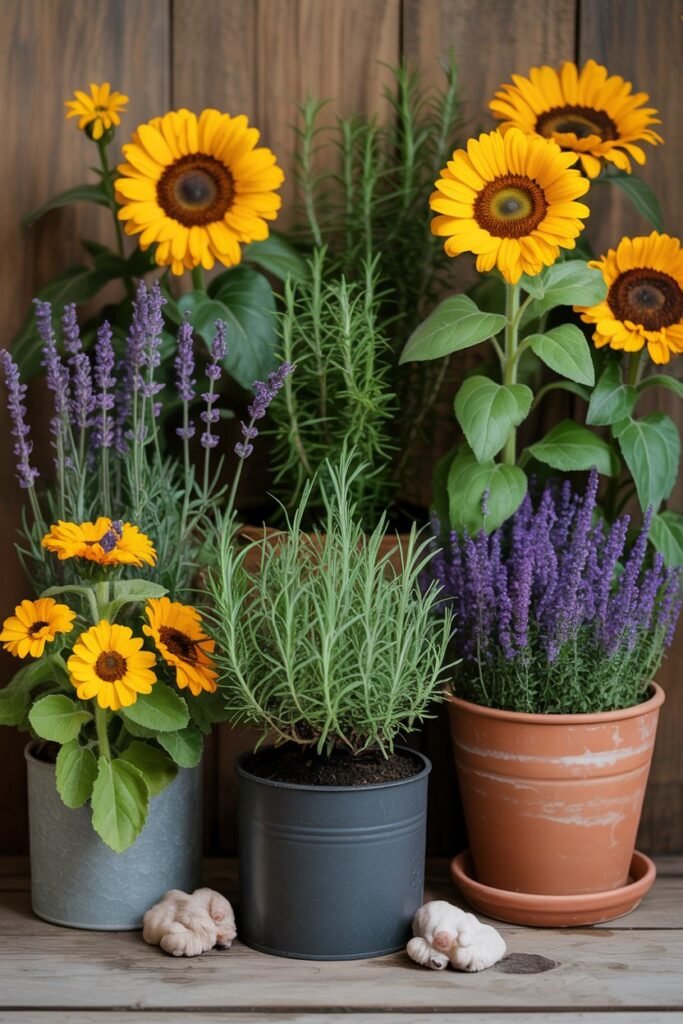
Plants form the foundation of many sensory gardens.
They provide scent, texture, shade, movement, and visual interest.
Fragrant Herbs Dogs Often Enjoy
Lavender
Lavender offers a soothing scent and beautiful appearance.
Benefits include:
- Gentle fragrance
- Pollinator-friendly flowers
- Attractive texture
- Calming atmosphere
Plant it in sunny locations with good drainage.
Rosemary
Rosemary adds structure and aroma.
Dogs often enjoy sniffing its woody foliage.
Additional benefits:
- Drought tolerance
- Evergreen growth
- Culinary uses for owners
Thyme
Thyme creates soft, low-growing ground cover.
It releases fragrance when brushed against and can withstand light foot traffic.
Mint
Mint provides a strong scent that many dogs find fascinating.
However, it spreads aggressively, so planting it in containers may be preferable.
Grasses for Exploration
Different grasses offer varied textures and movement.
Consider:
- Ornamental grasses
- Native grasses
- Meadow grass areas
Movement in the wind creates visual and auditory stimulation.
Dog-Safe Flowers
Examples include:
- Sunflowers
- Marigolds
- Snapdragons
- Zinnias
- Calendula
- Cosmos
These flowers add color while supporting beneficial insects.
Plants to Avoid
Many common garden plants can be dangerous to dogs.
Avoid planting:
- Oleander
- Foxglove
- Azaleas
- Rhododendrons
- Sago palms
- Autumn crocus
- Lily of the valley
- Yew
- Daffodil bulbs
- Tulips in large quantities
Always verify plant safety before introducing new species into your garden.
Read 16 Paw-some DIY Dog Crafts to Keep Your Furry Pal Entertained
Creating Scent Zones
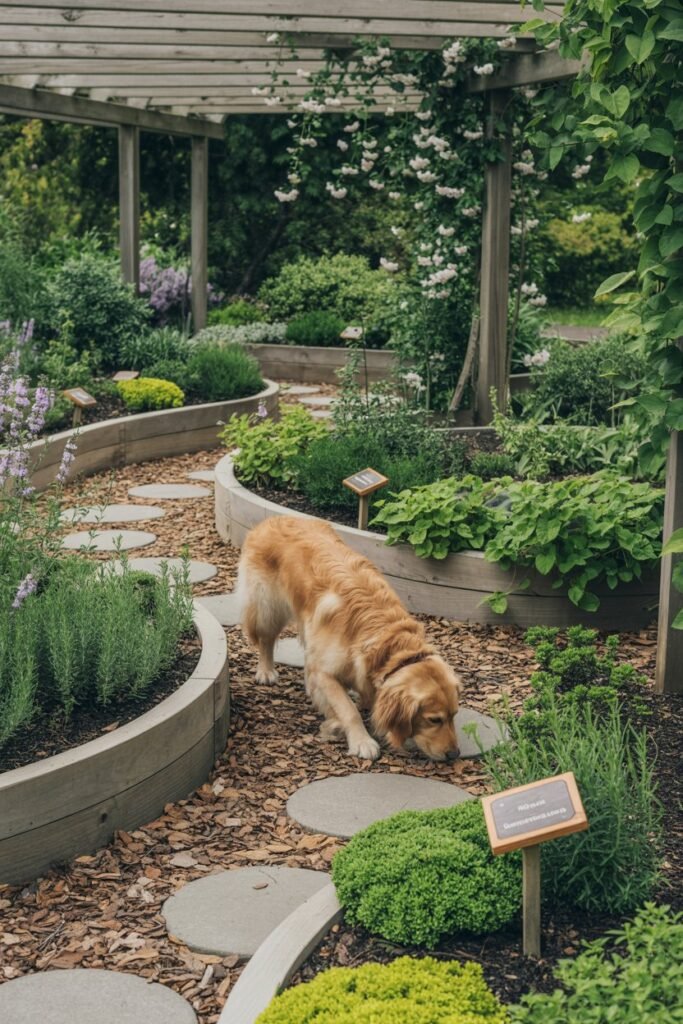
Since smell is a dog’s strongest sense, scent zones are among the most important features.
Herb Trails
Plant aromatic herbs along pathways.
Dogs naturally brush against foliage while exploring.
Good options include:
- Thyme
- Sage
- Rosemary
- Basil
- Lavender
Each plant contributes a unique scent experience.
Rotating Scents
Keep the garden interesting by introducing temporary scent enrichment.
Ideas include:
- Hidden treats
- Scented toys
- Natural feathers
- Pine cones
- Safe wood pieces
Changing scents periodically prevents boredom.
Foraging Areas
Create dedicated spaces where dogs can safely search for treats.
Scatter kibble or healthy snacks among grass or mulch to encourage natural foraging behavior.
Read DIY Dog Items That Look Boutique But Are Crazy Simple to Make
Incorporating Texture and Touch
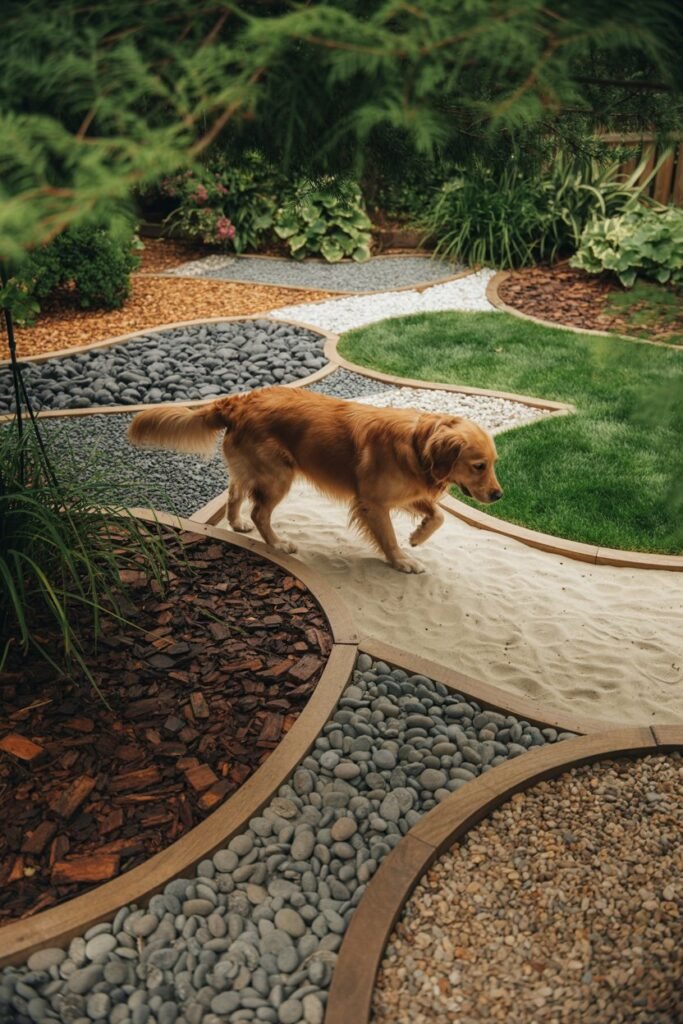
Texture enriches a dog’s sensory experience significantly.
Pathways with Variety
Design pathways using different materials.
Examples:
- Gravel
- Grass
- Bark mulch
- Flagstone
- Sand
- Smooth pebbles
Each surface provides a distinct sensation underfoot.
Digging Zones
Many dogs love to dig.
Instead of discouraging the behavior entirely, create a designated digging area.
Fill a sandbox or loose-soil section with:
- Clean sand
- Soft soil
- Hidden toys
- Buried treats
This channels digging instincts appropriately.
Soft Resting Areas
Provide comfortable spots for relaxation.
Options include:
- Lawn areas
- Moss gardens
- Pet-friendly ground covers
- Outdoor dog beds
These spaces allow dogs to rest after exploration.
Adding Sound Elements
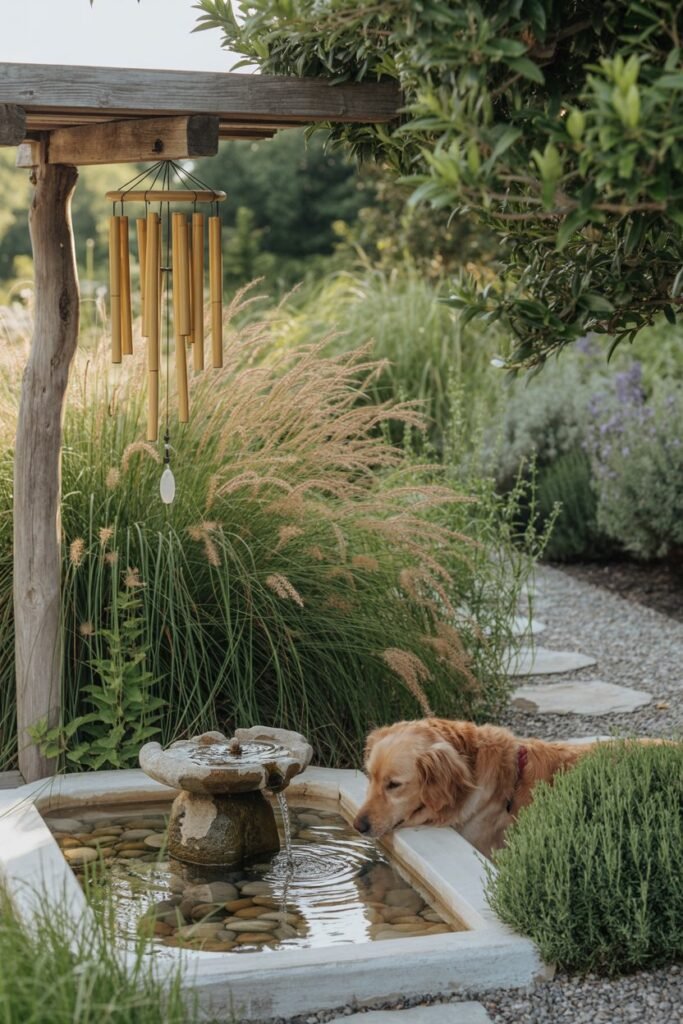
Sound contributes another important sensory layer.
Water Features
Flowing water creates soothing sounds.
Options include:
- Small fountains
- Bubbling stones
- Recirculating streams
Ensure all water features are shallow and safe.
Wind Chimes
Choose gentle, soft-toned wind chimes.
Avoid excessively loud varieties that may startle sensitive dogs.
Wildlife-Friendly Features
Bird-friendly plantings can encourage natural sounds.
Birdsong provides ongoing auditory stimulation while connecting dogs with nature.
Designing Visual Interest
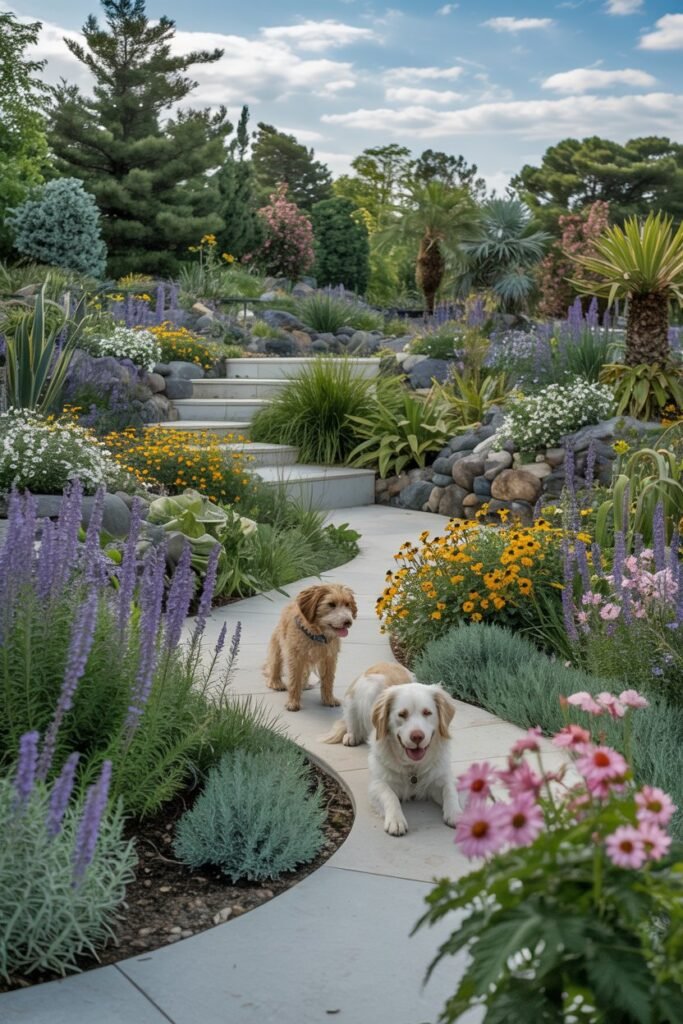
Although dogs rely less on sight than humans, visual stimulation still matters.
Movement in the Landscape
Plants that sway in the breeze create dynamic environments.
Examples include:
- Ornamental grasses
- Bamboo alternatives
- Flowering perennials
Movement naturally attracts canine attention.
Contrasting Heights
Layer plantings to create visual depth.
Include:
- Ground covers
- Medium shrubs
- Taller ornamental plants
Different heights encourage exploration and create interesting sightlines.
Water Play Areas
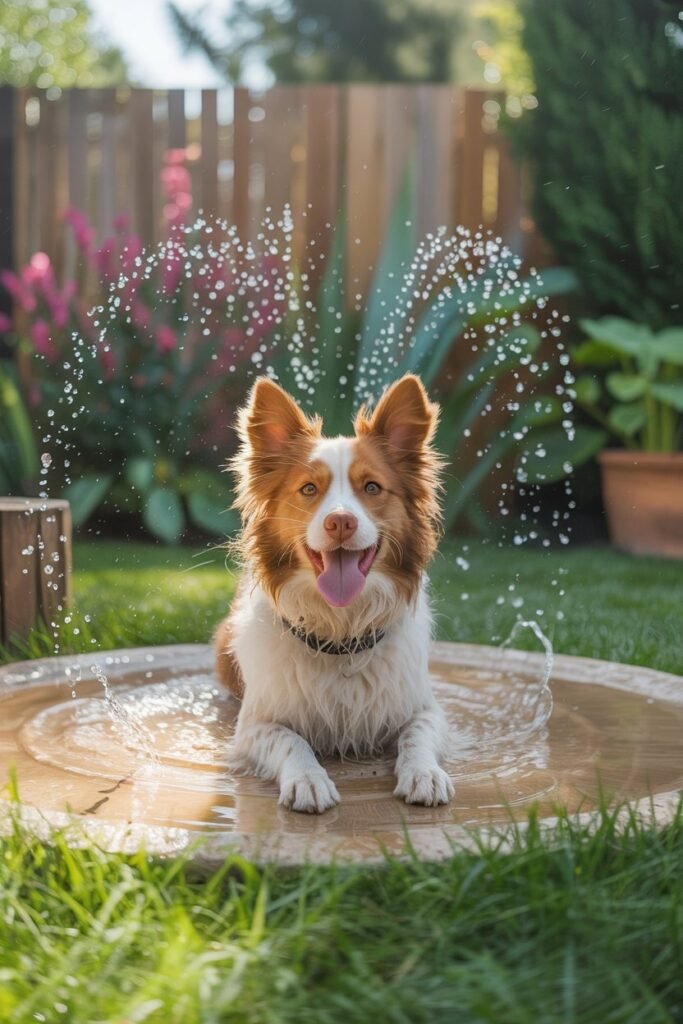
Many dogs enjoy water-based enrichment.
Splash Zones
Simple options include:
- Shallow splash pads
- Dog-friendly sprinklers
- Kiddie pools
These features are particularly valuable during warm weather.
Drinking Stations
Fresh drinking water should always be accessible.
Consider decorative water bowls integrated into the garden design.
Creating Shade and Shelter
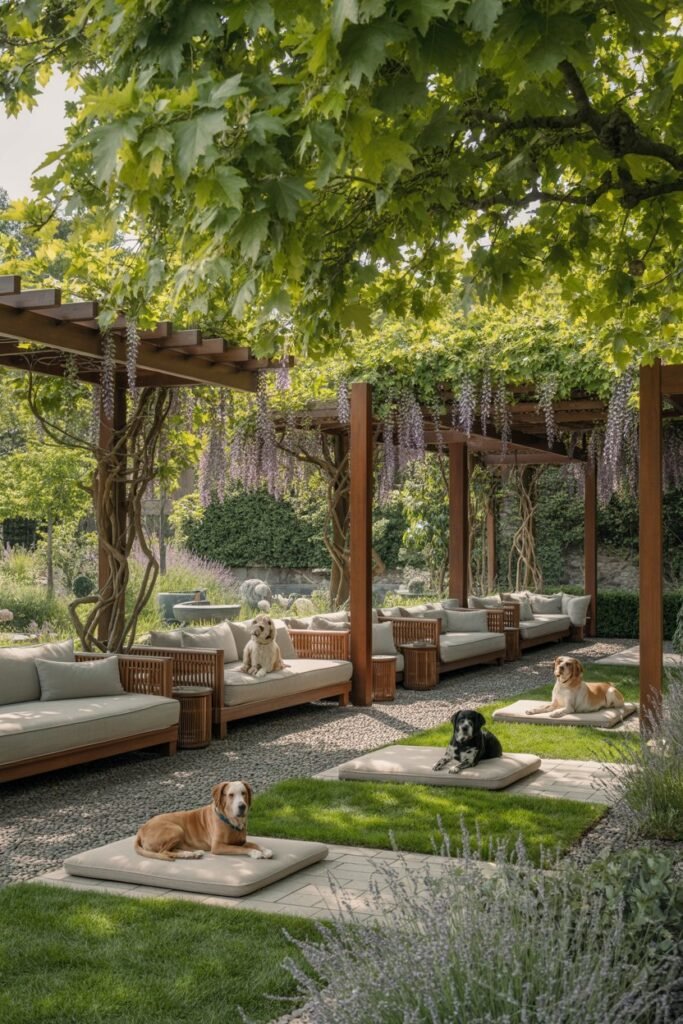
Comfortable spaces encourage year-round use.
Natural Shade
Trees provide:
- Cooling shade
- Seasonal interest
- Wildlife habitat
- Additional scents
Dog-safe choices include:
- Magnolia
- Maple species
- Birch
- Crabapple
Research individual species before planting.
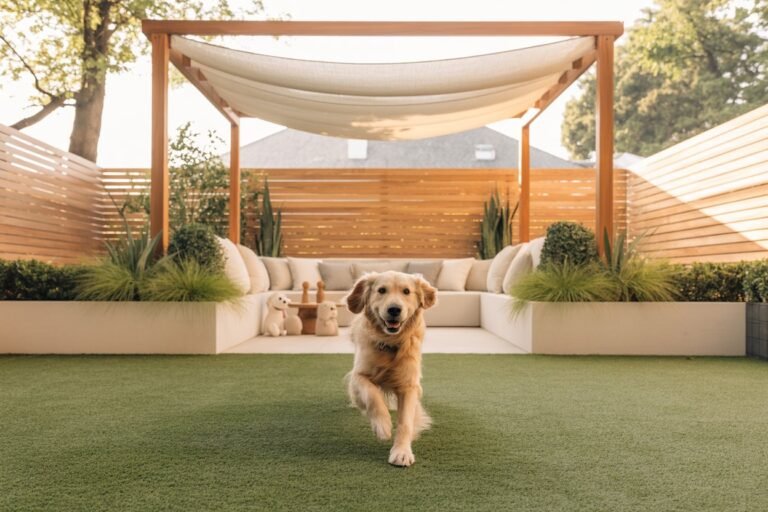
Covered Retreat Areas
Create cozy hideaways using:
- Pergolas
- Garden arches
- Canopies
- Dense shrubs
Many dogs appreciate quiet spaces where they can retreat and relax.
Sensory Garden Ideas for Small Spaces
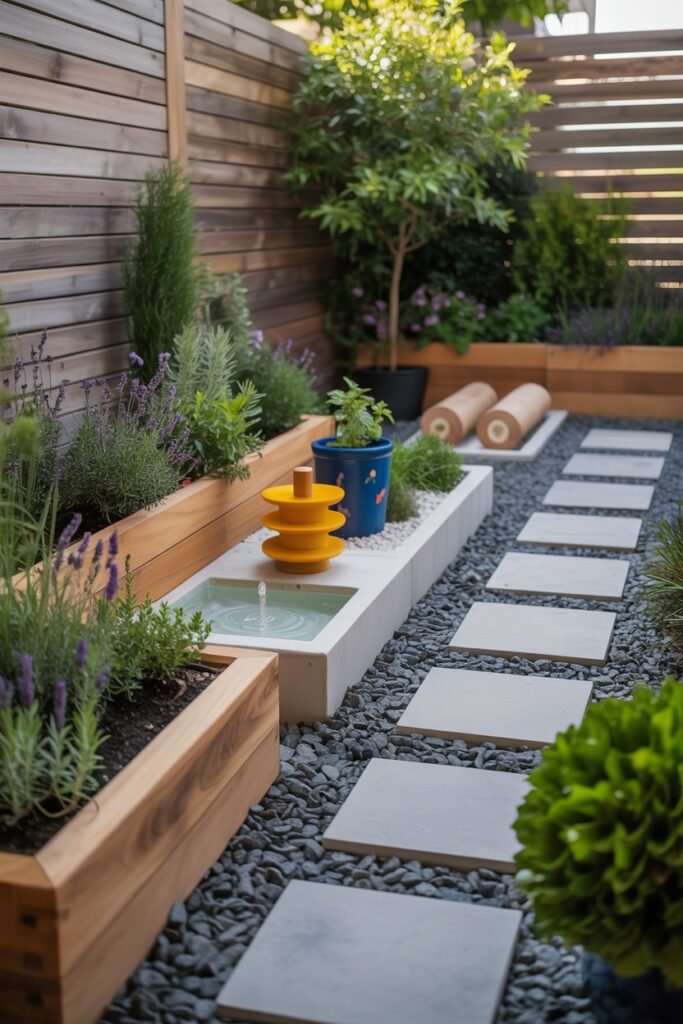
Limited space doesn’t mean limited enrichment.
Container Sensory Gardens
Use large containers filled with:
- Fragrant herbs
- Ornamental grasses
- Dog-safe flowers
Containers allow flexibility and easy maintenance.
Vertical Gardening
Trellises and wall planters maximize growing space while adding sensory elements.
Portable Enrichment Stations
Rotate:
- Snuffle mats
- Scent boxes
- Digging bins
These provide variety without requiring extensive garden space.
Seasonal Sensory Experiences
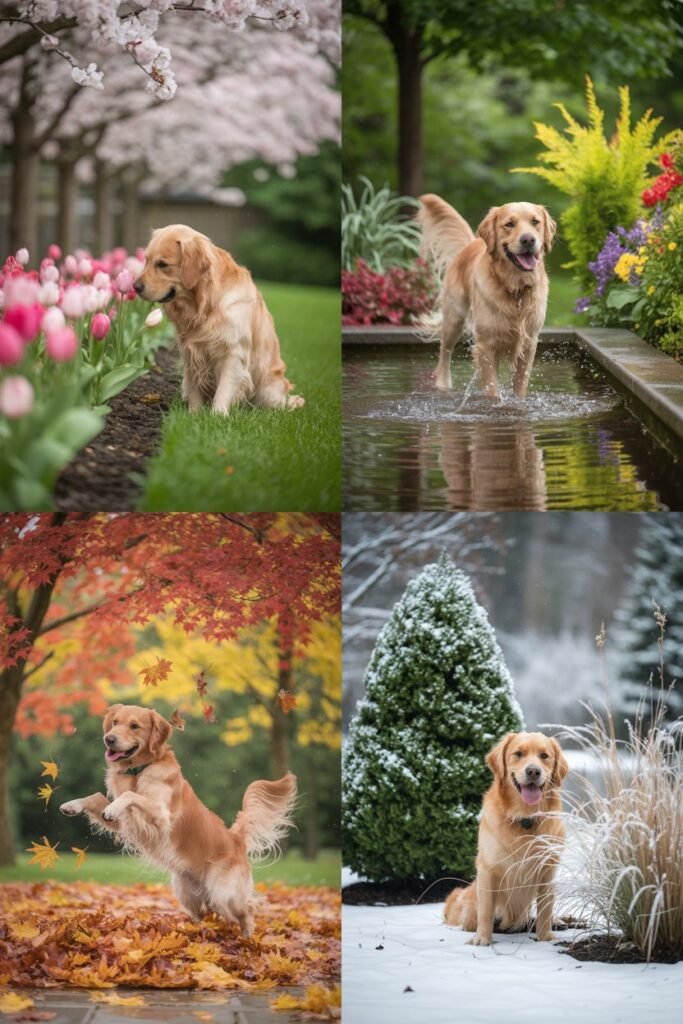
A great sensory garden evolves throughout the year.
Spring
Features include:
- Fresh growth
- Flowering plants
- New scents
- Increased bird activity
Summer
Focus on:
- Shade
- Water play
- Cooling areas
- Fragrant herbs
Autumn
Provide:
- Fallen leaves
- Seed heads
- New textures
- Seasonal scents
Many dogs enjoy exploring crunchy leaf piles.
Winter
Maintain interest through:
- Evergreen plants
- Bark textures
- Winter scents
- Interactive enrichment stations
Maintenance Tips
A sensory garden thrives with regular care.
Inspect Plants Frequently
Remove damaged or diseased growth promptly.
Refresh Enrichment Areas
Rotate scents, toys, and exploration opportunities.
Monitor Safety
Check for:
- Toxic volunteer plants
- Broken materials
- Sharp objects
- Standing water issues
Maintain Pathways
Keep surfaces safe and accessible for dogs of all ages.
Common Mistakes to Avoid
Overcrowding the Space
Too many features can overwhelm both dogs and owners.
Focus on quality rather than quantity.
Ignoring Individual Preferences
Not every dog enjoys the same experiences.
Observe what your dog naturally gravitates toward.
Choosing Plants Based Only on Appearance
Beauty matters, but functionality and safety matter more.
Always prioritize pet-friendly choices.
Forgetting About Shade
Even the most beautiful sensory garden becomes unusable without adequate cooling areas.
Neglecting Maintenance
Regular upkeep keeps the garden safe and enjoyable.
Conclusion
Creating a sensory garden for dogs is one of the most rewarding ways to enrich your pet’s daily life while enhancing your outdoor space.
By thoughtfully combining scent-rich plants, varied textures, calming sounds, safe exploration areas, and comfortable resting spots, you can design an environment that supports your dog’s natural instincts and overall wellbeing.
Every sniff, dig, splash, and exploration becomes an opportunity for learning, relaxation, and joy.
The most successful sensory gardens are not necessarily the largest or most expensive they are the ones designed with a dog’s unique needs in mind.
With careful planning and a little creativity, your garden can become a canine paradise where curiosity flourishes, confidence grows, and countless happy memories are made together.