

If I’m being honest, teaching my dog a solid recall was one of the most humbling parts of our journey together.
I used to watch other dog parents call their dogs once once and their dogs would come running like it was second nature.
Meanwhile, I’d be standing in the park calling my dog’s name over and over, treats in my pocket, heart sinking a little deeper each time he pretended not to hear me.
I remember thinking, “Is my dog just stubborn or am I doing something wrong?”
The truth was a little bit of both.
What I learned over time is that stubborn dogs aren’t bad dogs. They aren’t defiant, dominant, or trying to embarrass us in public (even though it feels that way).
Most stubborn dogs are actually independent thinkers, highly intelligent, and deeply motivated by the world around them sometimes more motivated than they are by us.
Teaching a bombproof recall to a stubborn dog isn’t about force or repetition. It’s about understanding why they struggle, meeting them where they are emotionally, and slowly becoming more rewarding than everything else competing for their attention.
And yes it is possible. I promise.
Why Some Dogs Are “Stubborn” (And Why That’s Not a Bad Thing)

Before we talk about recall training, we need to talk about stubbornness because labeling a dog as “stubborn” without understanding the reason can lead to frustration on both sides.
1. Some Dogs Were Bred to Think Independently
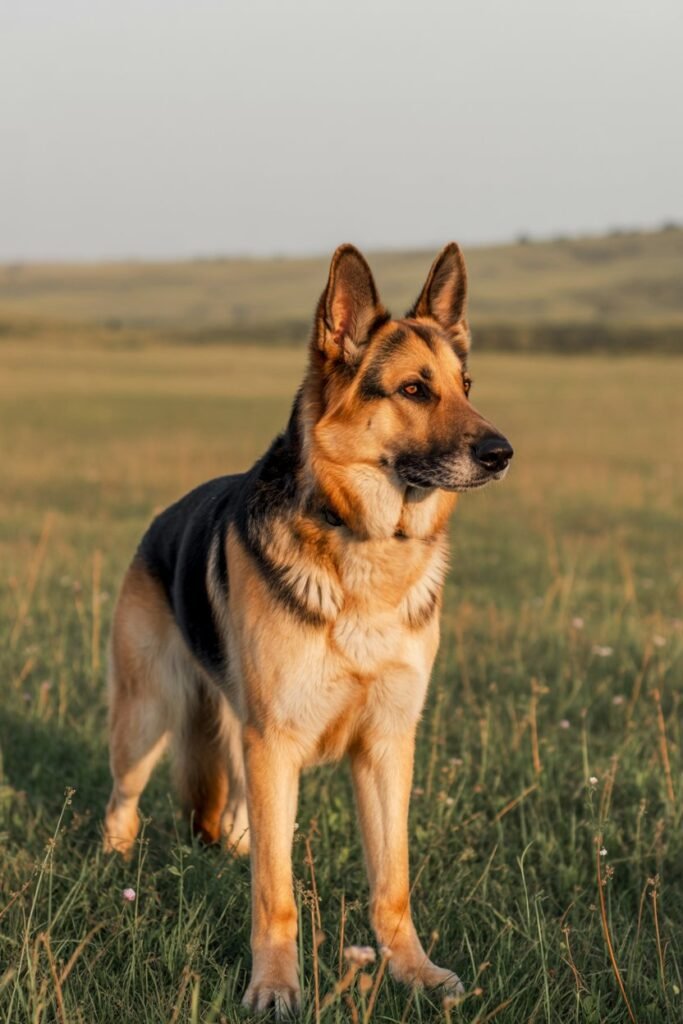
Many breeds that are labeled as stubborn were designed to work without constant human direction.
- Hounds follow scents for miles
- Terriers were bred to make quick decisions underground
- Herding breeds problem-solve on the fly
- Northern breeds like Huskies were built to endure, not obey blindly
These dogs aren’t ignoring you — they’re evaluating their options.
2. The Environment Is More Rewarding Than You Are (For Now)
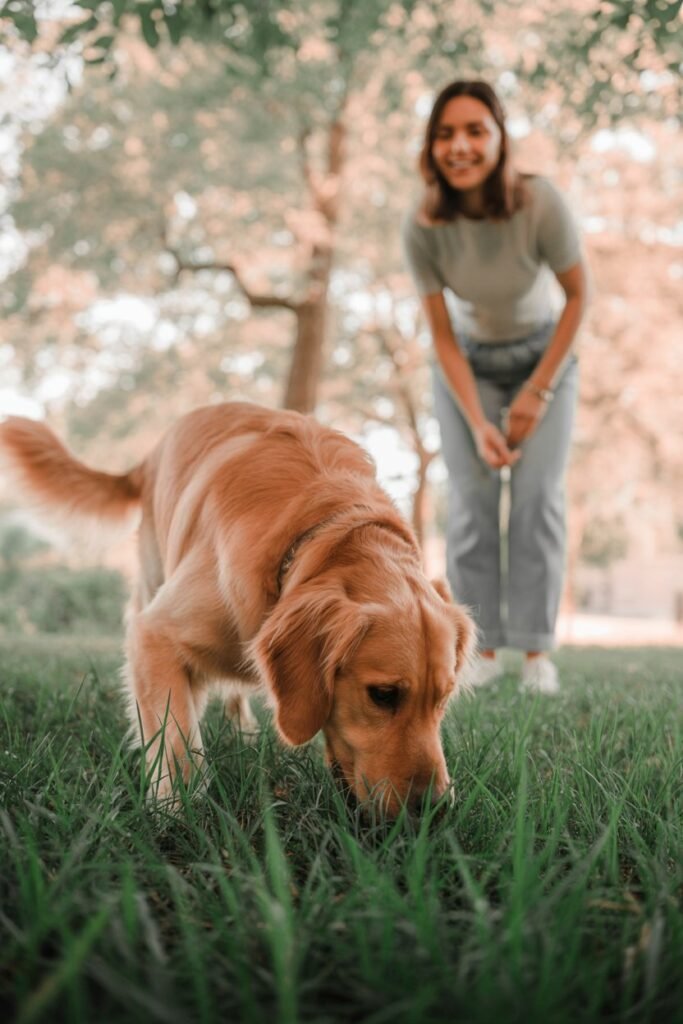
If your dog ignores recall at the park but listens perfectly at home, that’s not stubbornness — that’s distraction level.
Outside, your dog is competing with:
- Smells
- Movement
- Other dogs
- Freedom
- Adrenaline
If coming back to you ends the fun, your dog is making a very logical choice.
3. Recall Has Been “Poisoned” in the Past
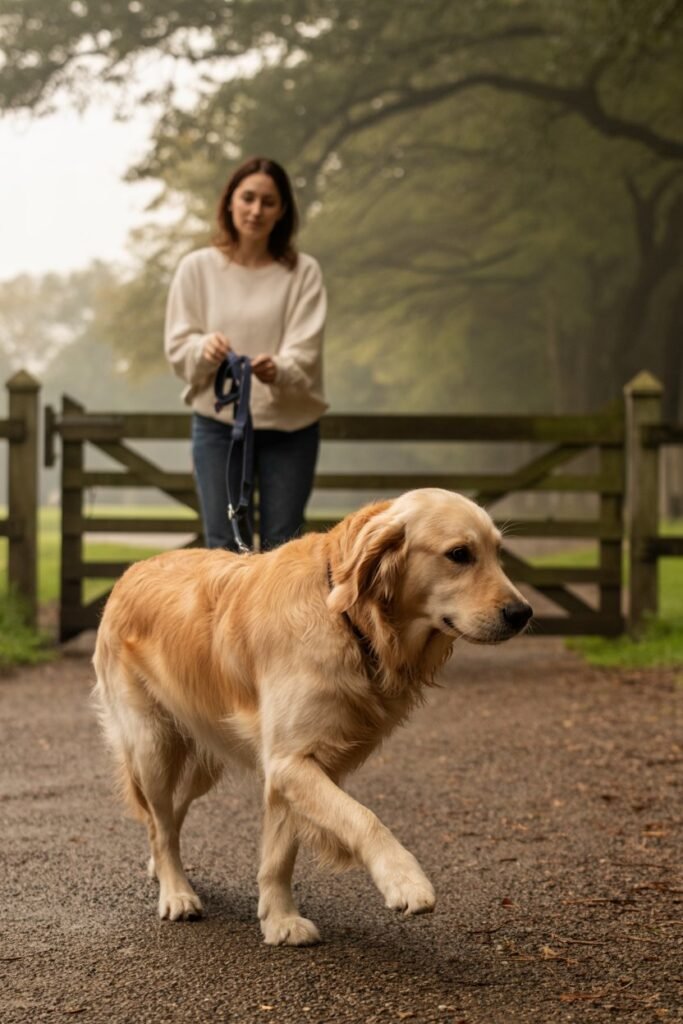
If “come” often leads to:
- Leash time
- Leaving the park
- Bath time
- Nail trims
- Scolding
Your dog may have learned that recall predicts something unpleasant. Even gentle dogs remember patterns.
4. Fear, Anxiety, or Overstimulation
A dog that’s overstimulated or anxious may want to come back — but their nervous system can’t settle enough to respond.
This is especially common in sensitive dogs.
Understanding these reasons changes everything. It shifts recall training from control to connection.
What “Bombproof Recall” Really Means
A bombproof recall doesn’t mean your dog comes every single time in every possible situation without fail.
It means:
- Your dog wants to come back to you
- Your dog trusts that coming to you is safe and rewarding
- Your dog can respond even with moderate to high distractions
- You have a relationship-based recall, not a fear-based one
Now let’s get into the 7 best tips that finally worked for me — and can work for you too.
Tip 1: Stop Using “Come” Until You Fix the Foundation
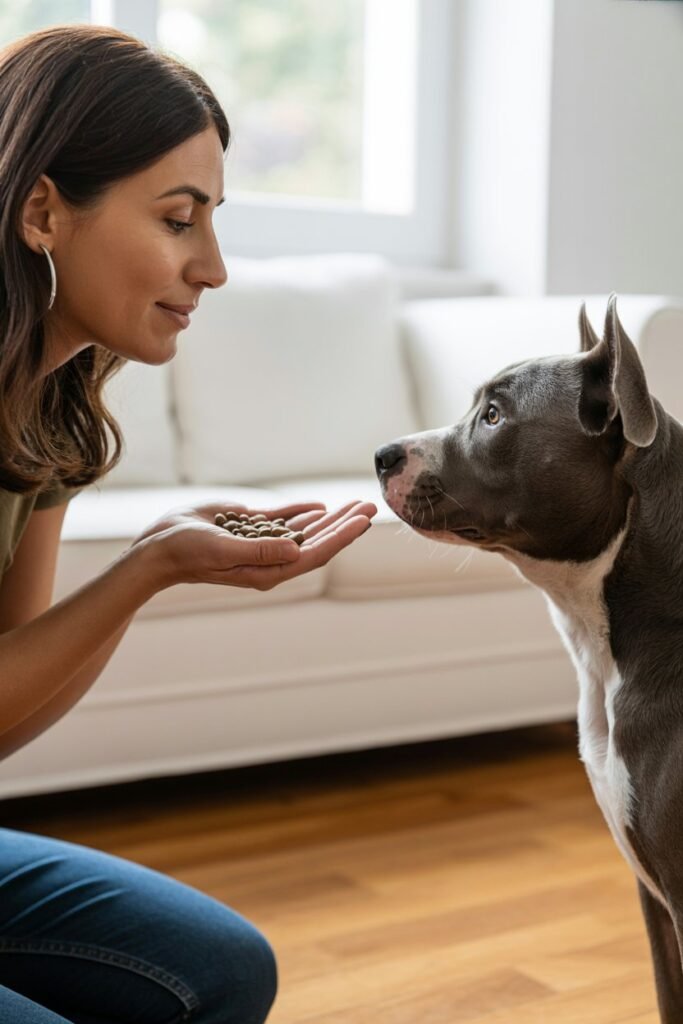
This one surprises people, but it changed everything for me.
If your dog has learned to ignore “come,” repeating it only makes the word weaker. Instead, pause using it altogether while you rebuild trust.
What I did instead:
- I used a new recall word (like “Here!” or “With me!”)
- I practiced in low-distraction environments first
- I paired the word with only good outcomes
Think of recall like a promise. If you can’t keep it positive yet, don’t use the word.
Tip 2: Become the Best Thing in Your Dog’s World (Yes, Better Than Squirrels)

This sounds dramatic, but it’s true.
Your dog doesn’t ignore you because they don’t love you — they ignore you because something else feels more exciting in that moment.
How I shifted the balance:
- I saved high-value treats for recall only
- I used joyful body language
- I praised like my dog had just won an award
- Sometimes I ran away instead of calling
Recall shouldn’t feel like obedience it should feel like a celebration.
Tip 3: Practice Recall When You Don’t Need It
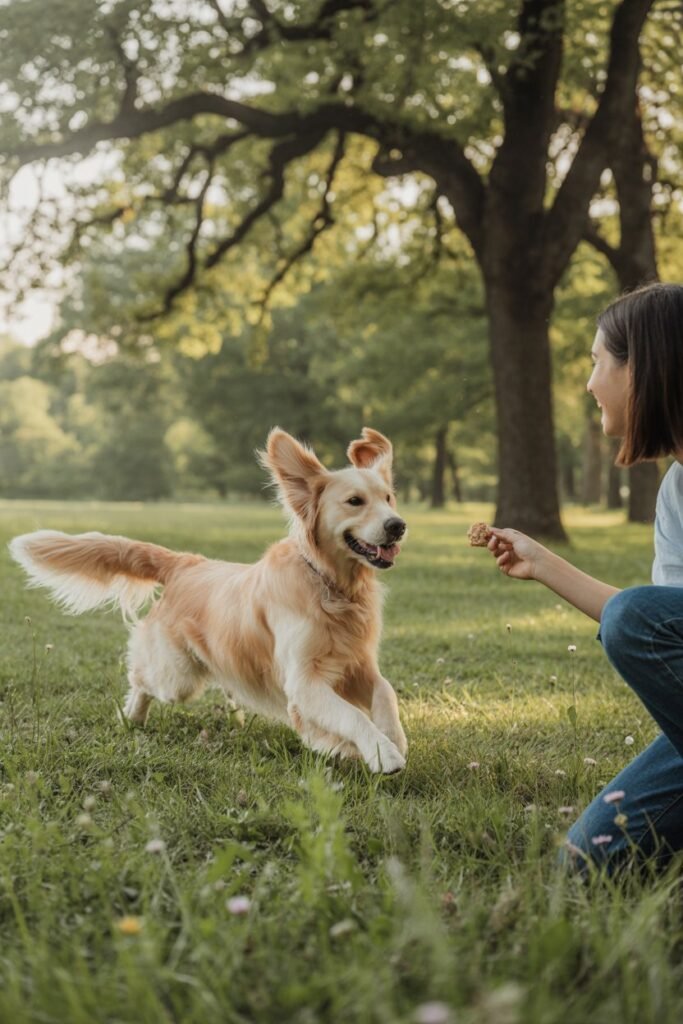
This was a hard lesson for me.
I used to call my dog only when it was time to leave. No wonder he hesitated.
Now, I practice recall:
- Just to give a treat
- Just to release him again
- Just to cuddle
- Just to say “good job”
This teaches your dog that coming back doesn’t always end the fun.
Tip 4: Use Long Lines for Freedom Without Risk
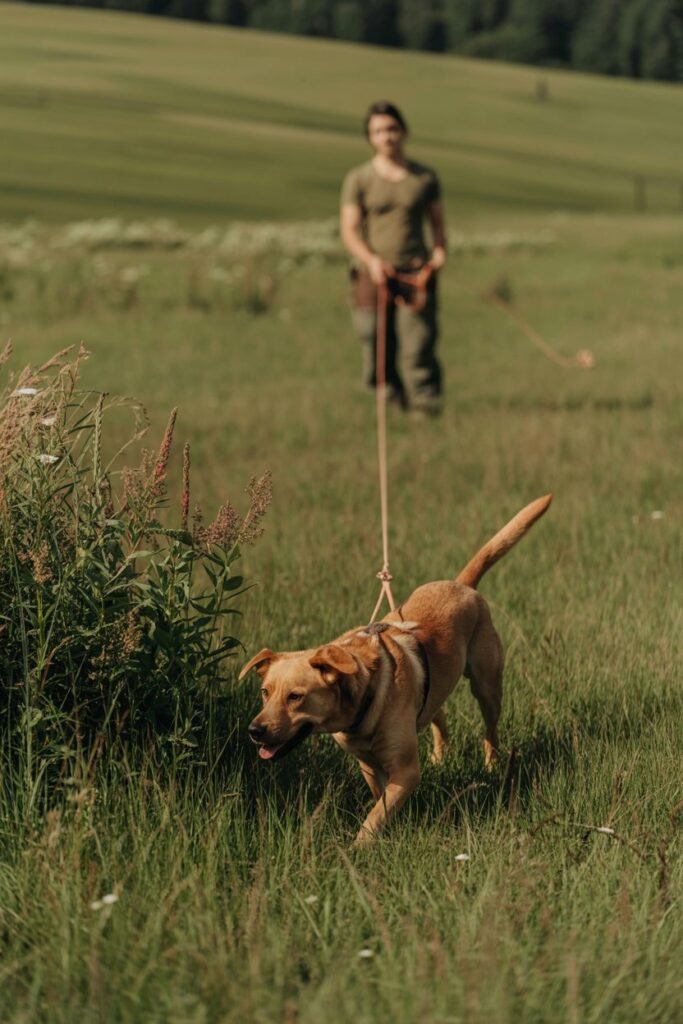
A long line changed our entire training process.
It gave my dog:
- Space to explore
- A sense of freedom
- Safety while learning
And it gave me:
- Control without yelling
- Confidence
- Consistency
How to use it:
- Start with 10–15 feet
- Gradually increase distance
- Never jerk or drag
- Gently guide if needed
The goal is practice, not punishment.
Tip 5: Train Recall as an Emotional Response, Not a Command

The best recalls are reflexive not forced.
I worked on:
- Eye contact games
- Name recognition
- Engagement drills
- Rewarding check-ins
When your dog is emotionally connected to you, recall becomes instinctive.
Tip 6: Never Punish a Dog for Coming Back (No Matter How Long It Took)
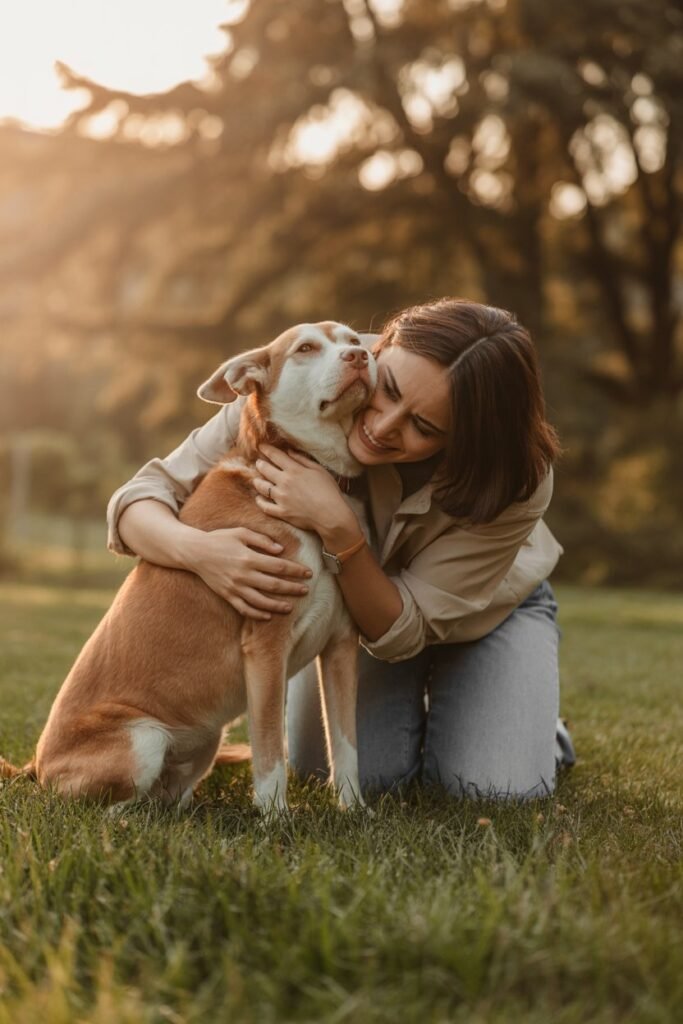
This one is critical.
If your dog finally comes and you scold them you’ve just taught them that coming back was the wrong choice.
Even if:
- They took forever
- You were frustrated
- You were embarrassed
Always reward the return.
Always.
Tip 7: Be Patient — Stubborn Dogs Learn Deeply, Not Quickly

This is something I wish someone had told me sooner.
Stubborn dogs aren’t slow learners they’re selective learners. Once they trust the process, their recall can be incredibly reliable.
Progress may look like:
- Small wins
- Setbacks
- Plateaus
- Breakthroughs
And that’s okay.
Final Thoughts: Recall Is Built on Relationship
Teaching a stubborn dog a bombproof recall isn’t about proving who’s in charge. It’s about becoming someone your dog wants to return to every single time.
When I stopped fighting my dog’s nature and started working with it, everything changed. Our recall isn’t perfect, but it’s strong, joyful, and rooted in trust and that means more to me than blind obedience ever could.
If you’re struggling, please know this:
You’re not failing.
Your dog isn’t broken.
You’re just learning each other.
And that journey is worth every step.