Introduction
Dogs are more than just pets they are loyal companions, family members, and sources of unconditional love.
But owning a dog goes beyond feeding, walking, and playing fetch. To truly unlock the magic of the human-canine relationship, you need to build a deep, lasting bond.
Bonding with your dog isn’t something that happens overnight. It’s a gradual process built through trust, communication, consistency, and shared experiences.
A strong bond not only makes your dog feel secure and happy, but it also makes training easier, improves behavior, and enhances both of your lives.
Science even backs this up: studies have shown that when dogs and their humans look into each other’s eyes, oxytocin levels increase in both the same “love hormone” that strengthens human relationships.
That means bonding with your dog literally changes your brain chemistry, creating an emotional connection that is both natural and powerful.
In this guide, we’ll explore practical, step-by-step ways to bond with your dog, from building trust to creating daily rituals, so that you can enjoy a relationship filled with loyalty, joy, and mutual understanding.
1: Understanding the Dog-Human Relationship

Before you can bond deeply with your dog, it helps to understand how dogs view humans and relationships.
1.1 The Evolution of Dogs as Companions
Dogs were domesticated thousands of years ago, evolving alongside humans. Unlike other animals, dogs adapted to read human emotions, respond to commands, and provide companionship.
This makes them uniquely wired to bond with us. Your dog doesn’t just see you as a provider of food they see you as their pack leader, friend, and family.
1.2 How Dogs Show Love and Connection
Dogs don’t express love the same way humans do. They communicate through behavior and body language:
- Tail wagging when they see you.
- Following you around the house.
- Leaning or resting on you to feel close.
- Bringing you toys as gifts.
- Eye contact (without aggression) as a sign of trust.
Recognizing these signs helps you understand when your dog feels connected—and where you may need to strengthen the bond.
1.3 Common Mistakes Owners Make That Weaken Bonds
Sometimes, without realizing it, owners do things that create distance between them and their dogs:
- Inconsistent rules or training → Confuses the dog and reduces trust.
- Lack of attention → Dogs crave interaction; being ignored makes them feel neglected.
- Harsh discipline → Punishment can lead to fear instead of respect.
- No mental stimulation → A bored dog becomes destructive, damaging the relationship.
By avoiding these mistakes and focusing on trust and positive experiences, you set the foundation for a healthy, lifelong bond.
2: Building Trust First

Bonding with your dog starts with one key ingredient: trust. Without trust, even the most affectionate or playful gestures won’t feel safe to your dog.
Trust is the foundation of every healthy dog-human relationship, and it’s something you need to build with patience, respect, and consistency.
2.1 The Role of Patience and Consistency
Dogs thrive when they know what to expect. If you’re consistent with your actions feeding at the same times, using the same commands, and rewarding good behavior they’ll feel secure.
Patience is equally important. A dog that is nervous, shy, or from a rescue background might take weeks or months before fully trusting you. Remember: every dog bonds at their own pace.
2.2 Creating a Safe Environment
A dog needs to feel safe before they can form a connection. That means:
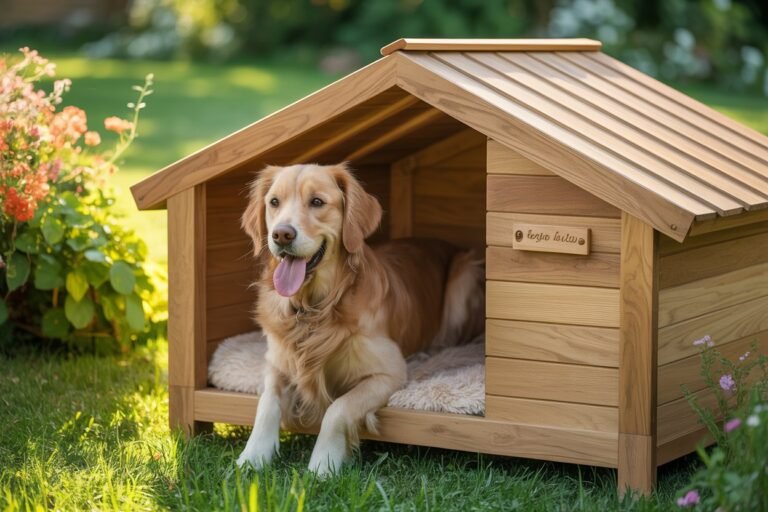
- Providing a comfortable sleeping space (crate, bed, or cozy corner).
- Keeping their environment calm and predictable.
- Protecting them from unnecessary stress (loud yelling, sudden punishments, or overwhelming situations).
A safe environment teaches your dog that you are their protector.
2.3 Respecting Personal Space
Even though we love cuddles, not all dogs bond through constant touching. Some breeds, or even individual personalities, prefer independence. Respect when your dog retreats to rest or chooses not to interact. Ironically, respecting their space often makes them seek you out more.
2.4 How Routine Builds Security
Dogs are creatures of habit. Feeding, walking, and playtime at roughly the same times each day help build trust. Over time, your dog learns: “I can rely on my human.” And reliability is at the core of bonding.
3: Daily Habits That Strengthen Bonds

Once trust is established, you can begin to deepen the relationship through small, daily actions. These habits, when repeated, build an unbreakable bond.
3.1 Eye Contact and Communication
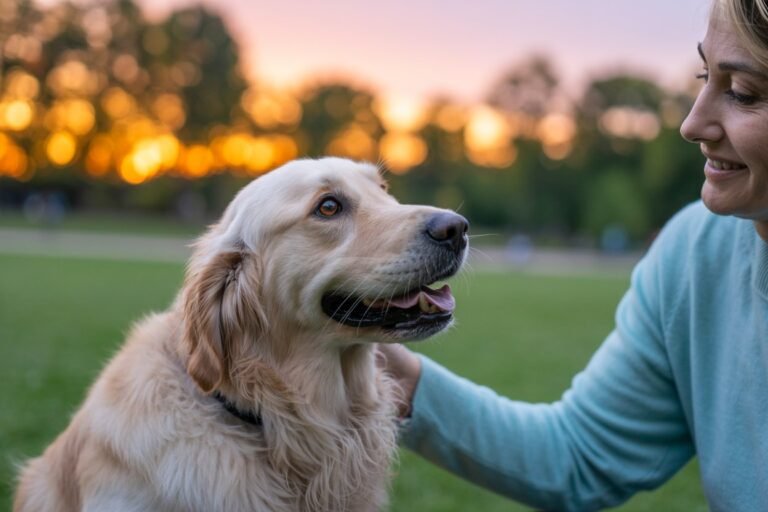
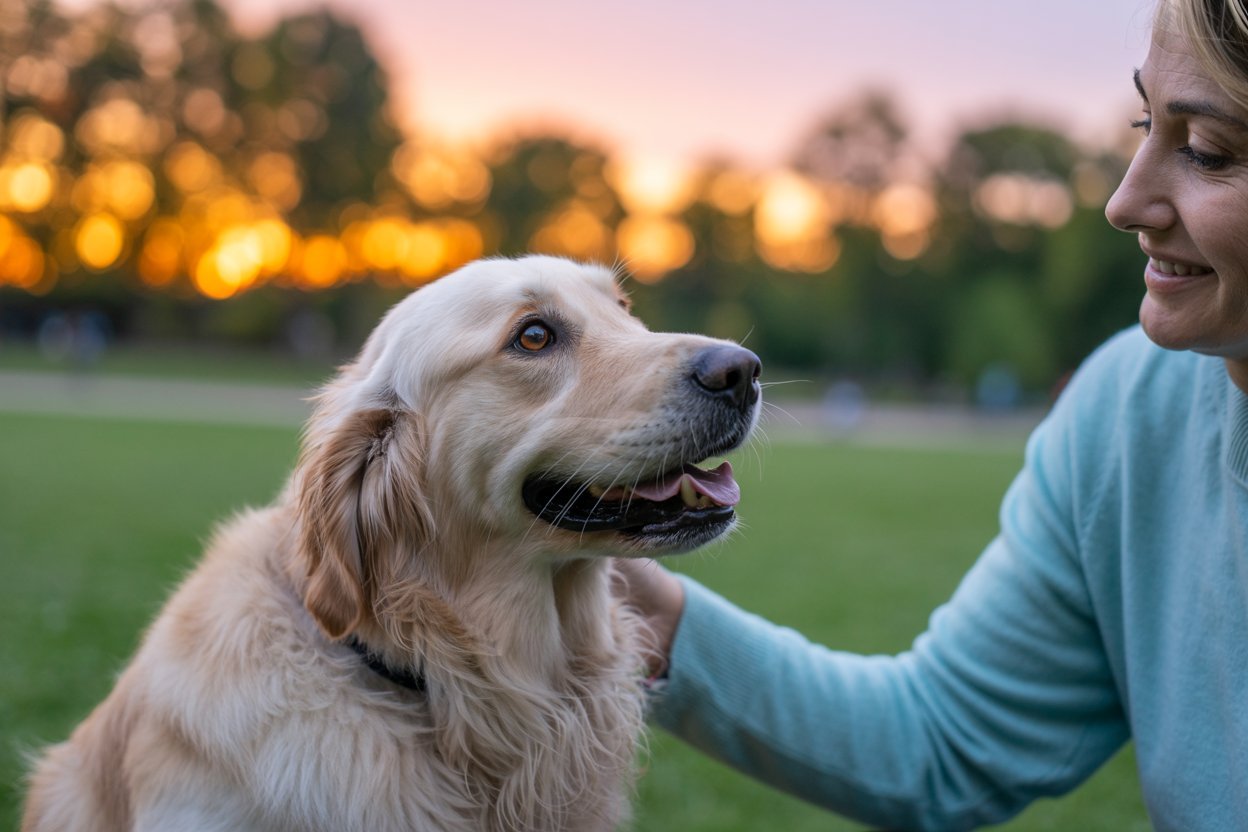
Looking into your dog’s eyes (in a calm, gentle way) releases oxytocin for both of you. It’s like saying “I see you, and I care about you” without words.
Pair this with soft speaking and your dog will learn to associate your gaze with safety and love.
3.2 Talking to Your Dog in the Right Tone
Dogs may not understand every word, but they understand tone. A cheerful, encouraging tone strengthens your connection.
Harsh tones can weaken trust. Narrating your day “Let’s go outside!” or “Time for dinner!” helps your dog connect words with actions, reinforcing communication.
3.3 Petting, Cuddling, and Physical Touch
Touch is one of the strongest bonding tools. Dogs love being scratched behind the ears, on the chest, or at the base of the tail.
But watch body language: some dogs enjoy belly rubs, while others find them uncomfortable.
Respecting your dog’s preferences shows you understand their needs.
3.4 Playtime and Shared Activities
Play is one of the easiest ways to strengthen bonds. Games like fetch, tug-of-war, or even gentle wrestling (for dogs that enjoy it) make you part of the fun.
Rotate toys to keep things fresh and exciting. Play isn’t just entertainment it’s an opportunity to build trust, release energy, and connect emotionally.
3.5 Creating Daily Rituals
Small rituals create emotional glue in your relationship.
This could be a morning walk, an evening snuggle session, or even a short grooming routine.
Over time, these rituals become moments your dog looks forward to, deepening your bond.
4: Training as a Bonding Tool
Training isn’t just about teaching your dog commands it’s about strengthening communication, trust, and teamwork.
Every training session is an opportunity to connect with your dog on a deeper level.
4.1 Positive Reinforcement Training
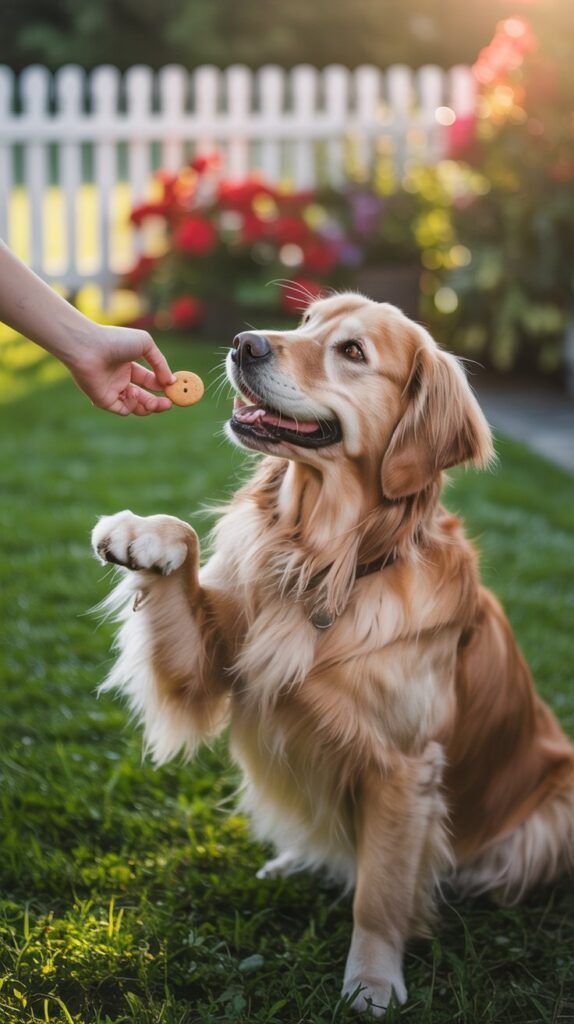
The best way to bond with your dog during training is through positive reinforcement.
This means rewarding desired behavior with treats, praise, or playtime instead of punishing mistakes.
Why does this build bonds? Because your dog learns to associate you with good experiences, not fear.
For example:
- Say “sit” → dog sits → reward immediately.
- Over time, your dog not only learns the command but also sees you as a source of joy and safety.
4.2 How Training Strengthens Mutual Trust
When you train consistently, your dog learns that your commands are reliable.
They understand what’s expected and feel more confident.
This reduces anxiety, improves behavior, and strengthens the two-way trust between you and your dog.
4.3 Games That Double as Training
Training doesn’t have to be serious it can be fun too. Try games like:
- Fetch with commands: Teach “drop it” or “wait” during play.
- Hide and seek: Hide in another room and call your dog to find you. This builds recall skills while making you the center of fun.
- Scent work: Hide treats around the house and encourage your dog to sniff them out. This uses their natural abilities and creates excitement.
4.4 Short, Consistent Sessions
Dogs don’t have long attention spans. Five to ten minutes of daily training is better than one long session a week. Consistency not only helps learning but also makes training a bonding ritual.
5: Exercise and Adventure Together

Dogs aren’t meant to live sedentary lives.
They need movement, exploration, and adventure.
Physical activity isn’t just about keeping your dog healthy it’s one of the most powerful bonding experiences you can share.
5.1 Walks as Bonding Opportunities
Walking your dog is more than a bathroom break it’s their chance to explore the world with you.
Instead of rushing, let your dog sniff, pause, and investigate.
Use the walk as a shared experience, not a chore. Dogs who are walked daily tend to have stronger attachments to their owners.
5.2 Hiking and Exploring Nature
Taking your dog on hikes or nature walks adds excitement and novelty.
New scents, sights, and sounds stimulate their mind while they associate those adventures with you.
For high-energy breeds, hiking also provides the exercise they crave.
5.3 Swimming and Water Fun
If your dog enjoys water, swimming is an excellent bonding activity.
It’s gentle on joints, provides exercise, and many dogs find it exhilarating.
Playing fetch in the water or simply wading in shallow areas can deepen your shared joy.
5.4 Car Rides and Travel
For dogs who enjoy car rides, even a short trip can be bonding time.
Always ensure safety (harness or crate) and pair rides with positive destinations like the park, not just the vet.
Traveling together, whether locally or on longer trips, builds trust and companionship.
5.5 Canine Sports and Activities
If you want to take bonding to the next level, try dog sports such as agility, flyball, or obedience competitions.
These activities require teamwork, communication, and trust turning your dog into not just a companion, but a partner in fun.
6: Mental Stimulation and Enrichment

Bonding isn’t only about physical activities it’s also about engaging your dog’s mind.
A mentally stimulated dog is happier, more obedient, and less destructive. Plus, when you provide enrichment, your dog learns to look to you for fun and fulfillment.
6.1 Puzzle Toys and Treat Dispensers
Dogs are natural problem-solvers.
Toys that require them to think like puzzle feeders, treat-dispensing balls, or snuffle mats make mealtime more engaging.
When you introduce these toys, your dog associates you with excitement and challenge.
6.2 Teaching New Tricks Regularly
Dogs don’t just benefit from learning basic commands like sit or stay they also enjoy learning new tricks throughout life.
Teaching tricks like shake hands, spin, play dead, or roll over keeps your dog’s brain sharp and gives you both something fun to work on together.
6.3 Nose Work and Scent Games
A dog’s sense of smell is up to 100,000 times stronger than ours. Using scent games like “find the treat” or “find the toy” taps into this natural skill.
Hide food in boxes or scatter treats in the yard, then encourage your dog to sniff them out.
This type of enrichment not only stimulates their mind but also strengthens trust, as you guide them through the game.
6.4 Rotating Toys and Activities
Just like humans, dogs get bored with the same toys. Rotating them every week keeps things fresh.
When you reintroduce a “forgotten” toy, it feels brand new and exciting.
This ongoing cycle of fun creates anticipation and joy, which your dog connects with you.
6.5 Interactive Play With You
The most enriching activity? Playing with you.
Tug-of-war, fetch, or chase builds mental and emotional engagement because your dog isn’t just playing with a toy they’re playing with their favorite human.
7: Caring for Your Dog’s Needs
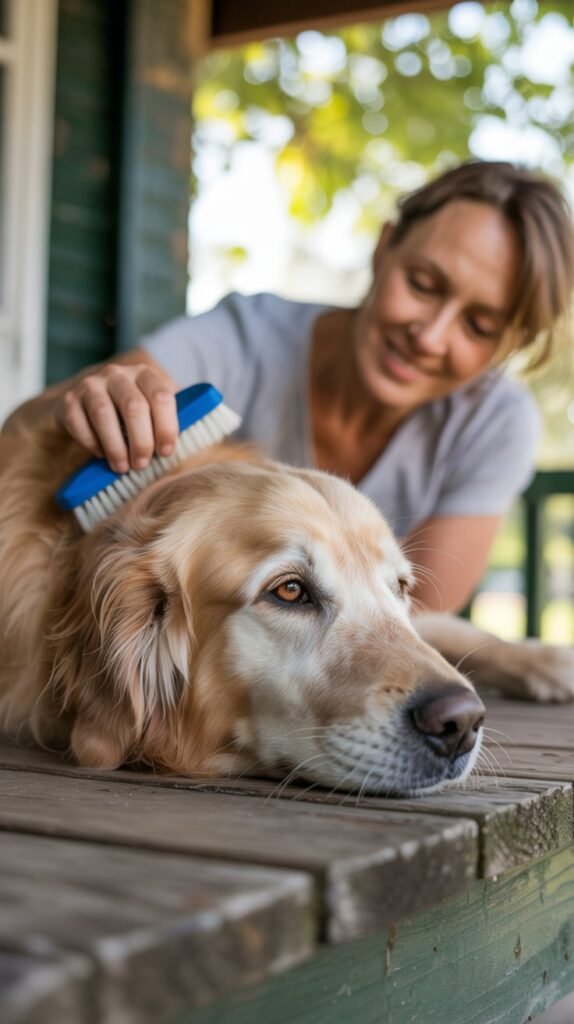
Caring for your dog’s physical health is another vital way to bond.
When you consistently provide for their needs, they learn to trust and rely on you.
This daily caretaking becomes an act of love that strengthens your relationship.
7.1 Nutrition and Feeding Time as Bonding
Mealtime is one of the most important rituals for a dog.
Feeding your dog on a consistent schedule creates reliability.
Adding little rituals like asking your dog to sit before eating also reinforces respect and trust.
Sometimes, hand-feeding treats or kibble can make your dog associate food directly with your presence.
7.2 Grooming Routines That Build Trust
Brushing, nail trimming, and bathing aren’t always a dog’s favorite activities, but when done gently, they become bonding opportunities.
Brushing your dog’s coat regularly not only keeps them healthy but also provides calming physical contact.
Over time, grooming transforms from a task into an act of care and connection.
7.3 Regular Vet Checkups and Health Monitoring
Dogs don’t understand vet visits, but they do understand how you handle them.
By staying calm, offering reassurance, and rewarding them after appointments, your dog learns to trust that you’ll keep them safe even in stressful situations.
7.4 Exercise and Weight Management
Providing enough exercise and maintaining a healthy weight isn’t just about health it shows your dog you care about their well-being.
An active, healthy dog is more playful, engaged, and bonded to their human.
7.5 Recognizing and Responding to Needs
Bonding also comes from attentiveness.
Recognize when your dog is thirsty, anxious, or tired. Anticipating their needs makes them feel understood, which deepens emotional trust.
8: Quality Rest & Relaxation Together

Bonding isn’t just about action it’s also about sharing calm moments.
Rest and relaxation help your dog feel safe and connected, reinforcing trust and emotional closeness.
8.1 Importance of Downtime
Dogs need an average of 12–14 hours of sleep per day (puppies even more).
Allowing your dog to rest and not overwhelming them with constant stimulation is essential for their health and happiness.
When you provide an environment where your dog feels safe enough to relax, it deepens their trust in you.
8.2 Letting Your Dog Sleep Near You
Many dogs want to sleep close to their humans. While not everyone is comfortable with dogs in the bed, letting them sleep in the same room or even just on a dog bed nearby can strengthen feelings of companionship.
To your dog, closeness at night means security.
8.3 Calming Activities for Bonding
Bonding can happen during quiet, soothing routines. Try:
- Gentle petting or massage: Light strokes on the ears, chest, or shoulders can calm an anxious dog.
- Relaxed cuddle sessions: Curl up together on the couch while watching TV or reading.
- Listening to music: Some dogs respond well to soft classical music or “dog relaxation” playlists, especially if you’re calmly present with them.
8.4 Respecting Sleep and Rest Boundaries
It’s important to remember: never disturb your dog while they’re in deep sleep or resting in their safe space.
Respecting their boundaries shows trust, and trust is the foundation of bonding.
9: Overcoming Challenges in Bonding
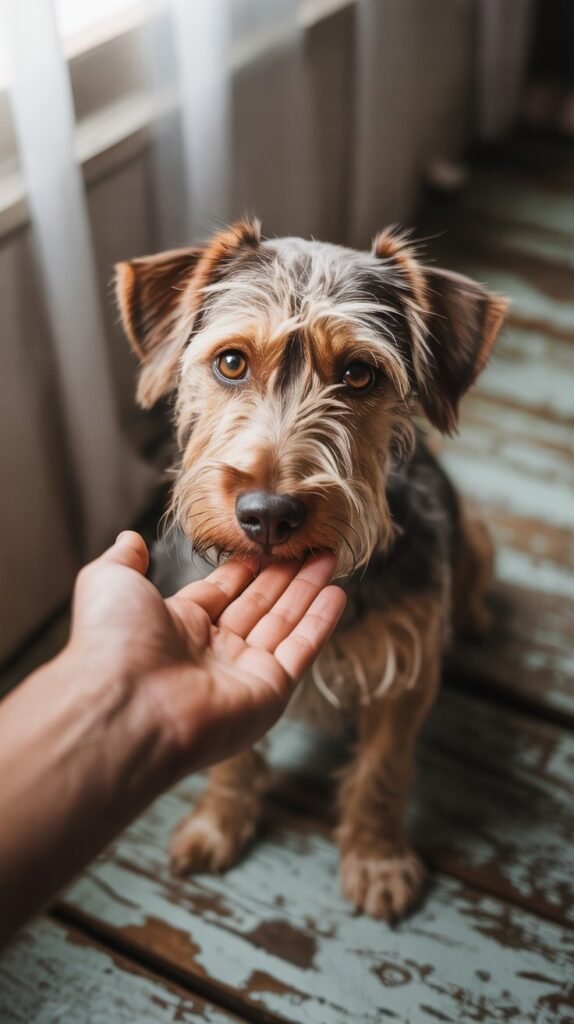
Not all dogs bond at the same pace. Some may connect instantly, while others may take months or years to build a deep bond.
Certain challenges like rescue backgrounds, trauma, or breed tendencies can make bonding more complex.
But with patience and understanding, even the most cautious dogs can become lifelong companions.
9.1 Rescue Dogs and Building Trust
Rescue dogs often come with unknown pasts. They may have experienced neglect, abuse, or multiple homes, which can make them wary of humans. To bond with a rescue:
- Move slowly: Let them come to you at their own pace.
- Avoid force: Never push them into interactions.
- Celebrate small victories: Every wag, cuddle, or lick is progress.
Over time, rescue dogs often form incredibly strong bonds sometimes even stronger than dogs who haven’t experienced hardship because they recognize your kindness.
9.2 Dogs With Past Trauma
Dogs that have been abused may show fear-based behaviors like flinching, hiding, or aggression. Bonding here requires:
- Consistency: Keeping routines predictable.
- Gentleness: Using calm voices and non-threatening body language.
- Professional help: Sometimes, working with a trainer or behaviorist is necessary to help your dog heal.
9.3 Shy or Independent Breeds
Some breeds, like Shiba Inus or Afghan Hounds, are naturally more independent.
They may not seek constant affection.
That doesn’t mean they don’t bond it just looks different.
With these breeds, bonding might be:
- Spending time in the same space quietly.
- Engaging in activities they enjoy, like walks or games.
- Allowing them to initiate affection rather than forcing it.
9.4 Dealing With Behavioral Issues
Bonding can be difficult when a dog exhibits behaviors like aggression, anxiety, or excessive barking. Instead of punishment, focus on understanding the cause.
Often, these behaviors are linked to fear, boredom, or lack of training. Working through challenges together strengthens your partnership.
9.5 Patience Above All Else
The most important tool in overcoming bonding challenges is patience.
Bonding is not a one-time event it’s a journey.
Every dog, no matter their background, is capable of love.
The more consistent, gentle, and understanding you are, the stronger your relationship will become.
10: Long-Term Bonding Strategies
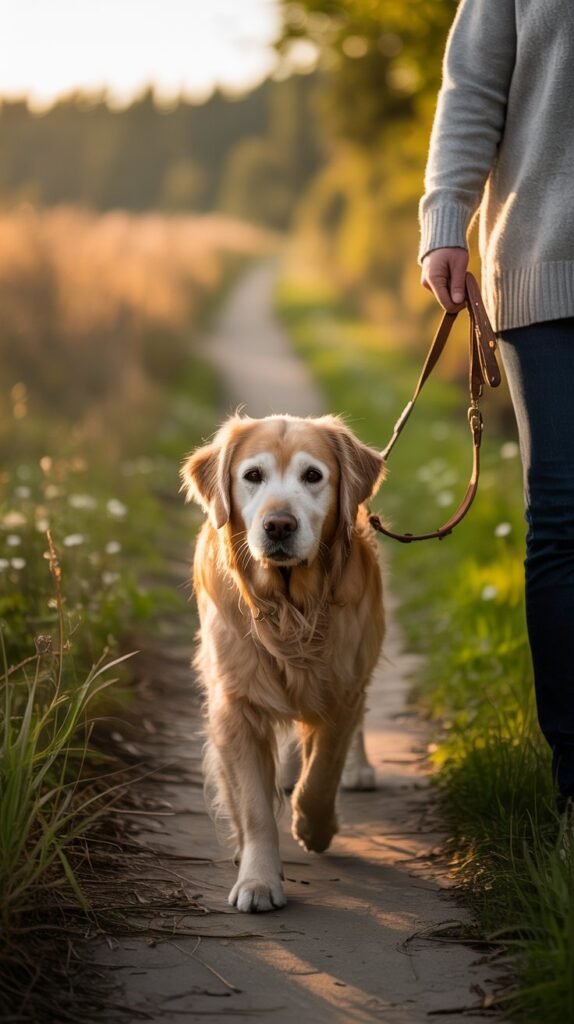
Bonding with your dog isn’t a one-time event it’s a lifelong journey.
As your dog grows from puppyhood to adulthood and eventually into their senior years, your relationship will naturally change.
The key is to keep nurturing it, adapting to your dog’s needs, and creating lasting memories together.
10.1 Growing Together as Your Dog Ages
Puppies often bond quickly because they look to you for guidance, food, and safety.
But as your dog matures, the bond deepens in different ways.
Adult dogs thrive on shared activities, training, and consistent care, while senior dogs need gentler forms of bonding like quiet companionship, massages, and slow walks.
Recognize these changes and adapt your approach as your dog’s needs evolve.
10.2 Keeping the Bond Strong With Senior Dogs
Older dogs may not have the same energy, but they still crave love and attention. Ways to bond with senior dogs include:
- Short but frequent walks to keep them active.
- Comfort-focused grooming (gentle brushing, soft bedding).
- Extra patience for age-related issues like hearing or vision loss.
- Simply sitting together in peace, reinforcing the emotional connection.
Your dog may slow down physically, but emotionally, your bond can become even stronger.
10.3 Creating Lifelong Rituals
Rituals are powerful bonding tools. These can be as simple as:
- A morning “hello” routine.
- An evening cuddle before bed.
- A special game you play daily.
- A shared activity, like weekend hikes or grooming sessions.
These rituals become habits that your dog relies on, giving them comfort, structure, and joy while strengthening your relationship.
10.4 Never Stop Learning About Your Dog
Even if you’ve had dogs all your life, each one is unique.
Pay attention to your dog’s body language, preferences, and personality quirks.
The more you understand them, the deeper your connection will be.
Conclusion
Bonding with your dog is one of the most rewarding experiences you’ll ever have. It’s more than feeding, walking, or training it’s about building mutual trust, love, and companionship that lasts a lifetime.
From understanding the dog-human relationship, building trust, creating daily rituals, and training through positive reinforcement, to sharing adventures, providing enrichment, and caring for their health every action you take becomes a piece of the bonding puzzle.
Remember: bonding is not about perfection. It’s about showing up, being consistent, and meeting your dog’s needs with patience and love.
Over time, you’ll discover that your dog doesn’t just see you as their owner they see you as their family, their safe place, and their best friend.
In the end, the secret to bonding with your dog is simple: be present, be patient, and be kind. Do this, and you’ll create a connection so deep that words can’t fully describe it only wagging tails, happy eyes, and quiet moments of trust can.