If you’ve ever watched your dog scratch endlessly, you know how frustrating fleas can be. Those tiny, fast-moving pests don’t just make your dog uncomfortable — they can take over your home before you even realize what’s happening. Fleas bite, irritate the skin, and can even lead to infections or anemia in severe cases.
But here’s the good news: you can absolutely get rid of them — without panic, without harsh chemicals, and without spending a fortune. You just need to understand how fleas work and tackle them in the right order.
This guide will walk you through eight easy, effective steps to eliminate fleas completely and keep them from coming back — from your dog to your home and everything in between.
Step 1: Confirm It’s Really Fleas
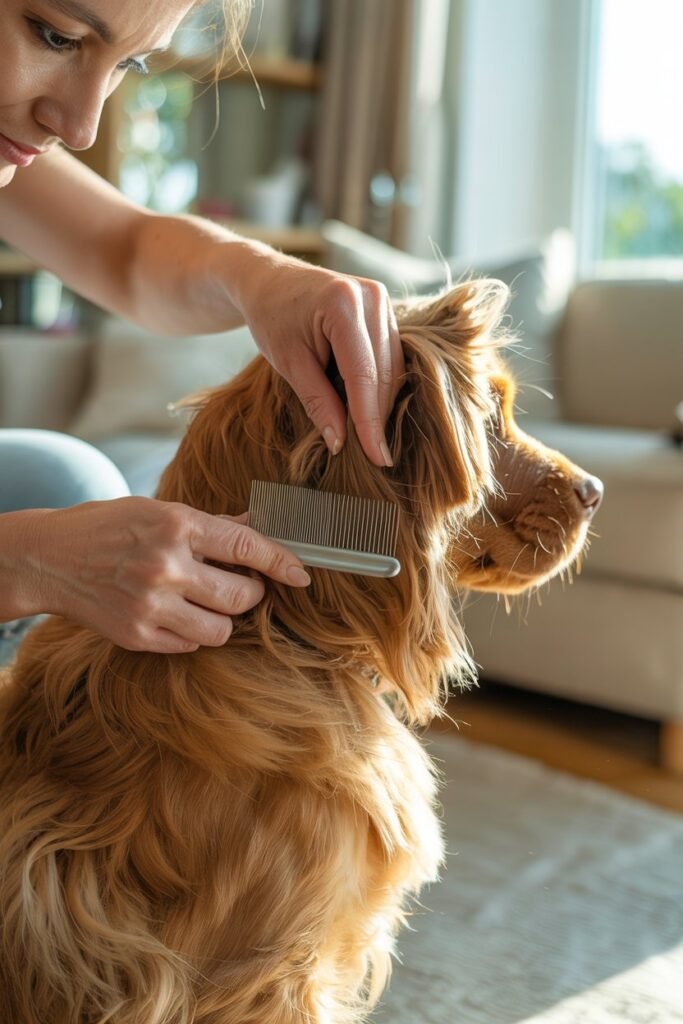
Before diving into treatments, make sure fleas are the actual problem. Dogs can scratch for many reasons — allergies, dry skin, or even stress — so it’s best to identify what you’re dealing with.
How to Check for Fleas
- Use a flea comb. Brush your dog’s fur near the tail, neck, and behind the ears — areas fleas love most.
- Look for “flea dirt.” These are tiny black specks that look like pepper flakes. If you place some on a wet paper towel, they’ll turn reddish-brown (dried flea blood).
- Watch for movement. Fleas are small, flat, and dark brown — and they move quickly. You might see them dart through your dog’s fur after parting it.
Once you’ve confirmed fleas, it’s time to act fast — because each adult flea can lay up to 50 eggs per day.
Pro Tip: “If you’re unsure, comb your dog over a white towel — fleas and their droppings will show up clearly against the light background.”
Step 2: Give Your Dog a Flea Bath
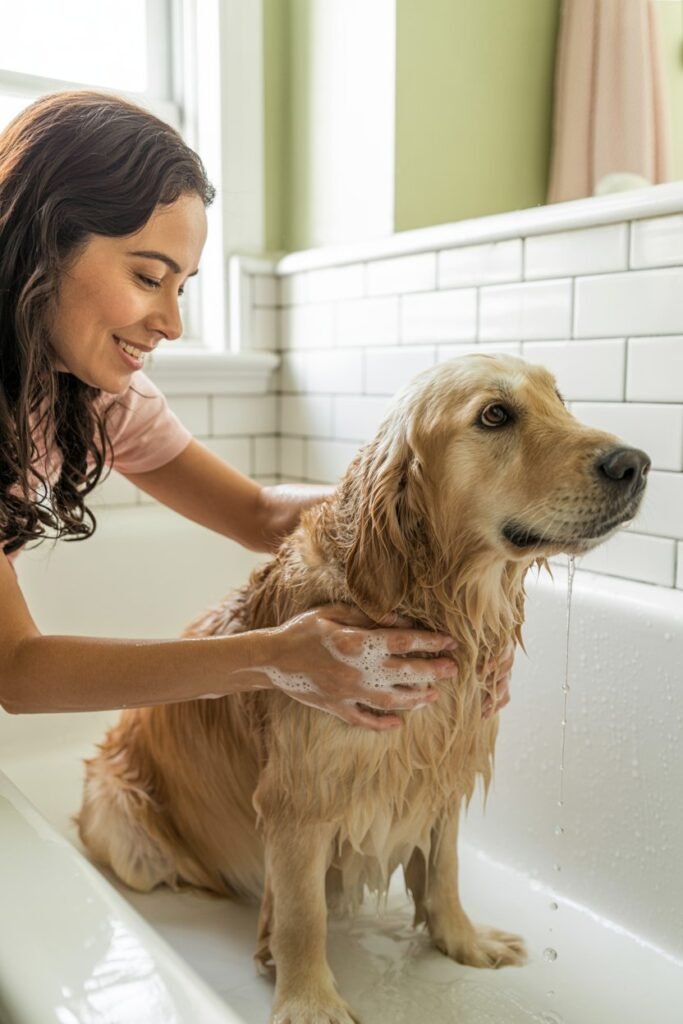
Start by attacking the problem at its source — your dog. A thorough bath helps remove adult fleas, dirt, and eggs lodged in the fur.
You can use a gentle homemade flea shampoo (like the one in your previous post) or a vet-approved natural option.
How to Bathe Your Dog
- Wet your dog’s coat thoroughly with warm water.
- Apply flea shampoo, starting from the neck down — fleas will try to escape upward.
- Massage gently for 5–10 minutes, paying attention to the tail, belly, and underarms.
- Rinse thoroughly until no residue remains.
- Dry with a towel and check the fur with a flea comb afterward.
The shampoo kills adult fleas, while the water helps wash away eggs and larvae before they hatch.
Pro Tip: “Always start washing at your dog’s neck to prevent fleas from fleeing to the face.”
Step 3: Use a Flea Comb Daily
Pro Tip: “Use a flea comb right after a bath, when fleas are weakened and easier to catch.”
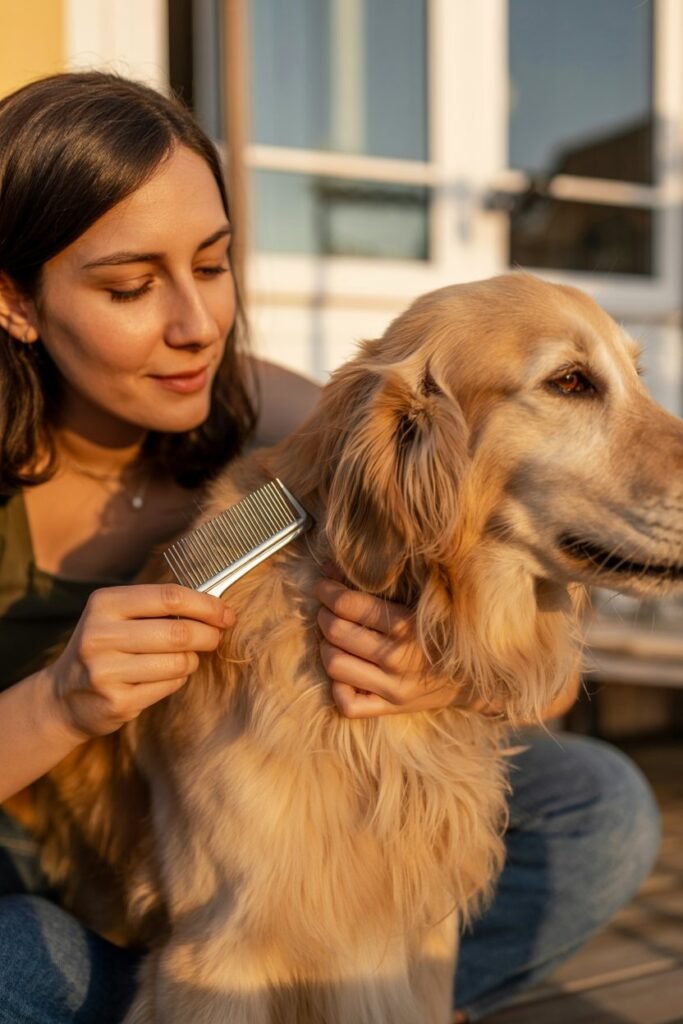
A flea comb is your best defense for catching any stragglers. The fine teeth help trap adult fleas and eggs close to the skin.
How to Use It Effectively
- Comb your dog’s fur in sections, especially around the tail, belly, and neck.
- Dip the comb into a bowl of soapy water after each pass — this kills any fleas you catch instantly.
- Repeat daily for at least one week, then continue every few days as a preventive measure.
This simple step keeps you one step ahead of new infestations.
Step 4: Treat Your Dog’s Bedding and Toys
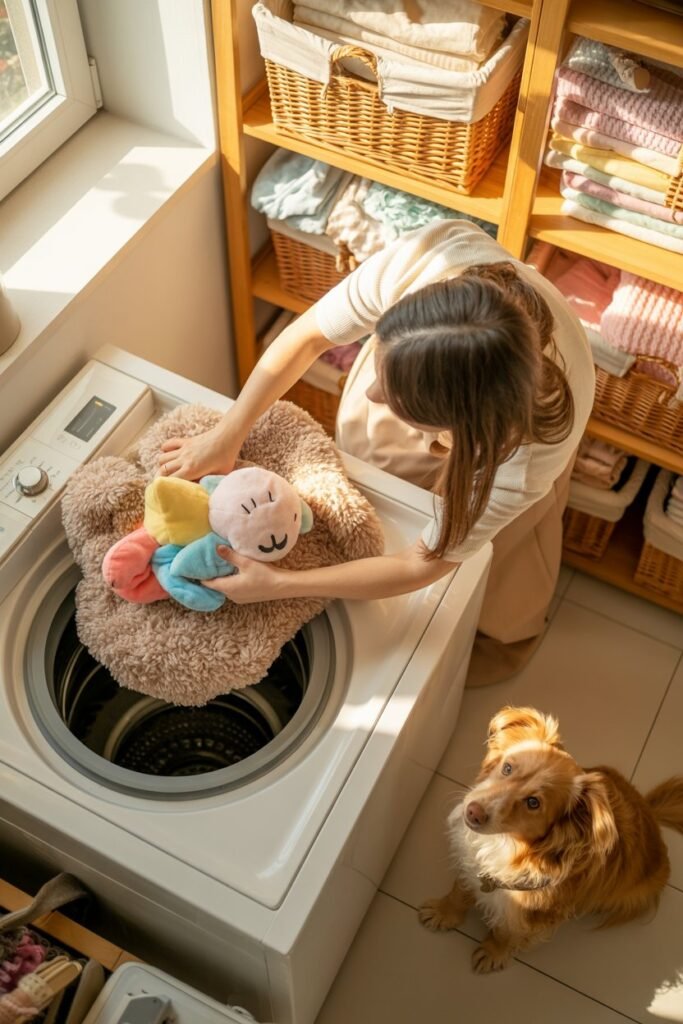
Once your dog is clean, turn your attention to where they sleep and play — because fleas and eggs don’t just live on your pet.
Wash all bedding, blankets, and soft toys in hot water (at least 60°C) to kill fleas and their eggs.
If items can’t be washed, place them in the dryer on high heat for 30 minutes or seal them in a plastic bag for a few days — fleas can’t survive without a host.
Pro Tip: “Add a cup of white vinegar to the wash cycle — it acts as a natural disinfectant and helps neutralize odors.”
Step 5: Vacuum Like a Pro
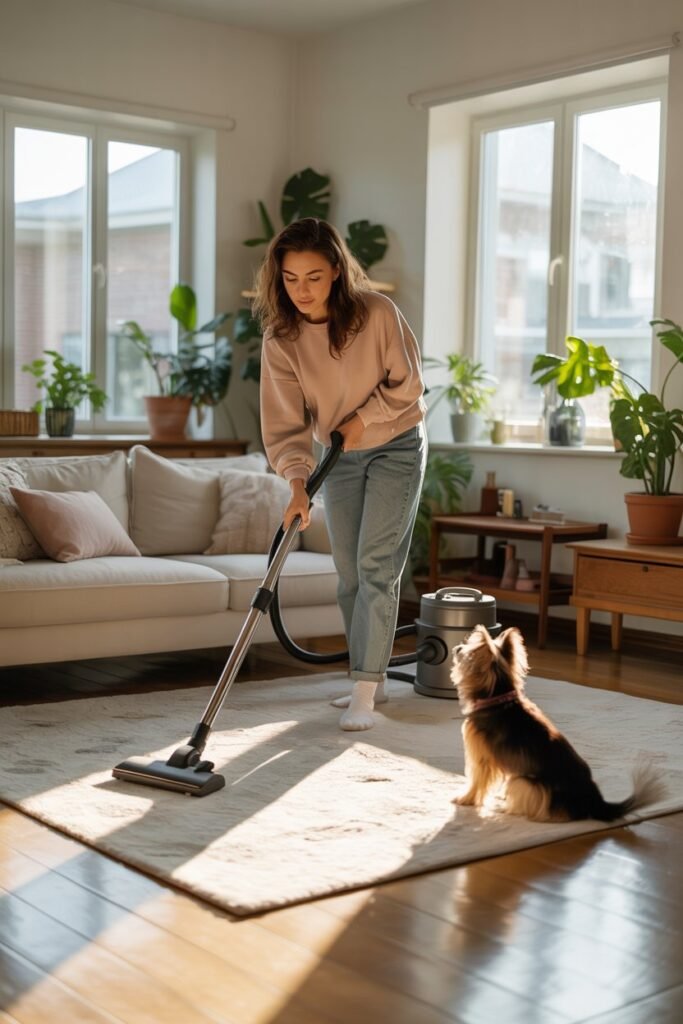
Vacuuming is one of the most powerful tools against fleas — and it’s often overlooked. Flea eggs and larvae hide deep in carpets, rugs, and upholstery.
How to Vacuum Properly
- Vacuum all carpeted areas, rugs, furniture, and baseboards.
- Focus on corners, under furniture, and around your dog’s sleeping area.
- Dispose of the vacuum bag immediately or empty the canister outdoors into a sealed plastic bag.
Repeat this daily for a week, then twice a week for ongoing control.
Pro Tip: “Sprinkle a light layer of baking soda or salt on carpets before vacuuming — it helps dehydrate and kill flea eggs.”
Step 6: Treat Your Home Naturally
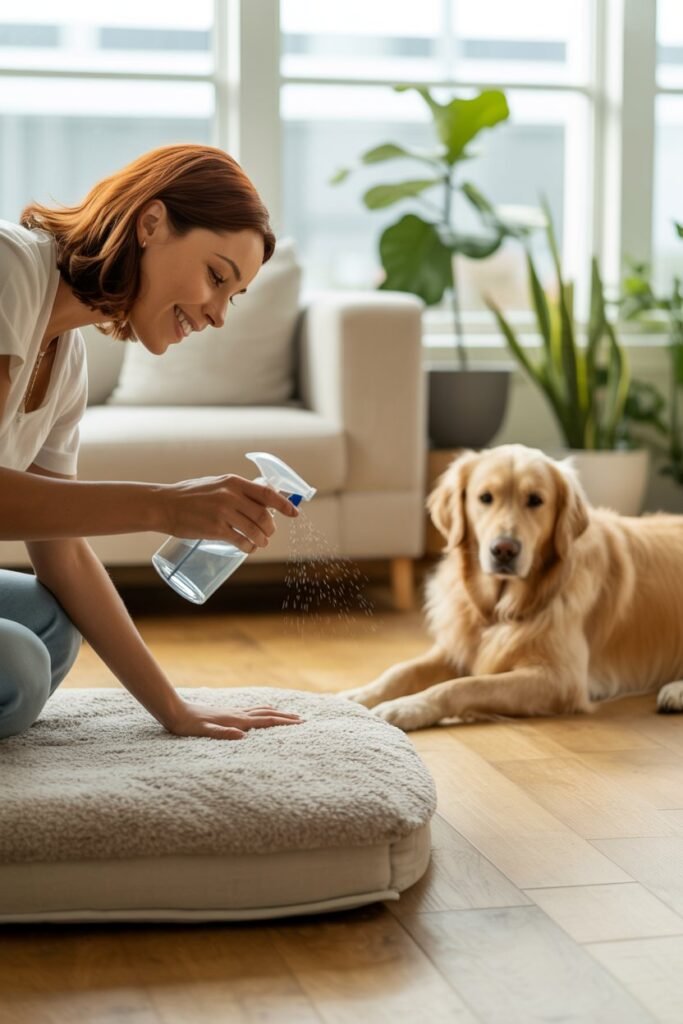
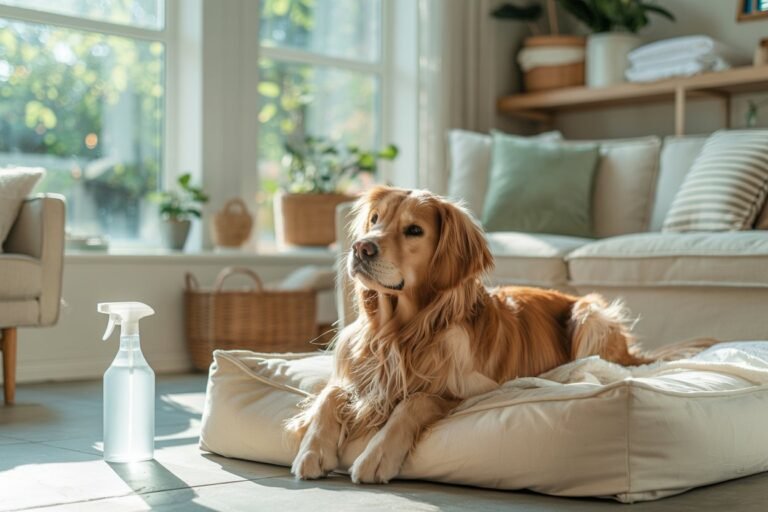
After vacuuming, use a natural flea spray to keep your home flea-free.
You can easily make one using ingredients you already have:
Homemade Flea Spray
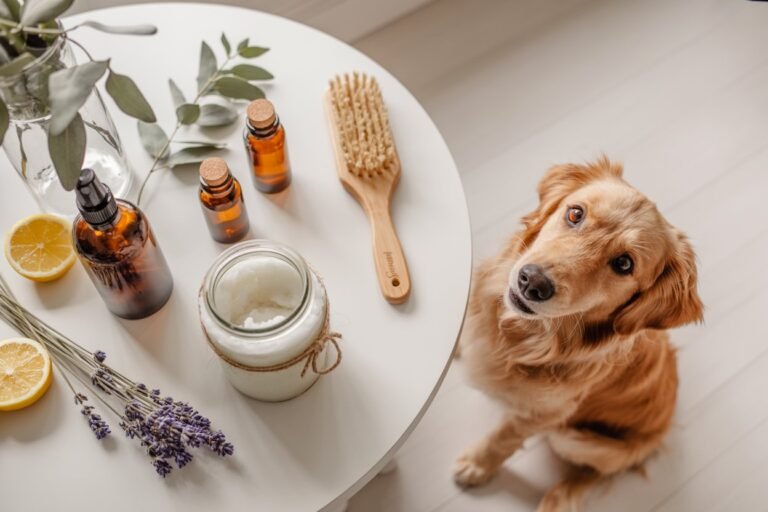
- 1 cup apple cider vinegar
- 1 cup water
- 5 drops lavender or cedarwood essential oil
Mix in a spray bottle and lightly mist carpets, rugs, pet bedding, and furniture. Avoid directly spraying your dog unless the mixture is diluted and tested first.
This helps repel new fleas and adds a clean, natural scent to your home.
Pro Tip: “Repeat every few days for two weeks to break the flea life cycle.”
Step 7: Use a Flea Preventive Plan

Getting rid of fleas is one thing — keeping them away is another. Prevention is key to avoiding future infestations.
Here’s how to stay ahead:
- Monthly Flea Treatments: Choose a vet-approved topical or oral treatment (or stick to natural ones like diatomaceous earth or essential oil sprays).
- Groom Regularly: Brush your dog daily to check for signs of fleas and maintain a healthy coat.
- Keep Bedding Fresh: Wash or replace it weekly.
- Regular Cleaning: Vacuum often, especially during warmer months when fleas are most active.
Pro Tip: “Set a reminder on your phone for flea prevention days — consistency matters more than strength.”
Step 8: Check and Treat the Yard
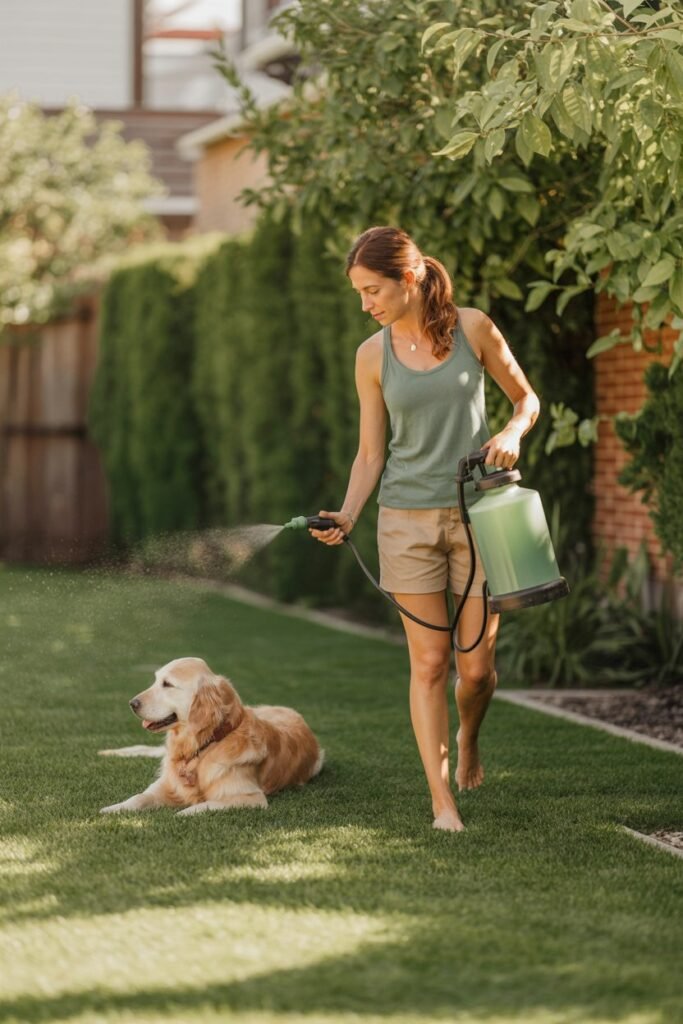
Fleas don’t stop at the door. If your dog spends time outside, you’ll need to handle the yard too.
How to Do It Safely
- Mow the lawn regularly — fleas prefer shaded, damp spots.
- Rake leaves and debris to remove flea hiding places.
- Sprinkle diatomaceous earth (food-grade) around the yard — it’s natural and kills fleas by dehydrating them.
- Focus on shaded spots under decks or trees where your dog lounges most often.
If you live in a humid area, reapply diatomaceous earth every few days or after it rains.
Pro Tip: “Encourage sunlight in your yard — fleas can’t survive long in hot, dry environments.”
Understanding the Flea Life Cycle (Why Consistency Is Everything)
To truly win against fleas, it helps to understand their life cycle.
Fleas go through four stages: egg, larva, pupa, and adult.
- Eggs fall off your dog and land in carpets or furniture.
- Larvae hatch and hide in dark corners.
- Pupae form cocoons and can stay dormant for weeks.
- Adults emerge and jump onto your dog again.
This cycle can last up to 8 weeks, which is why one cleaning session isn’t enough. You’ll need to stay consistent with baths, vacuuming, and sprays for a full month to break it completely.
Bonus: Natural Flea Repellent Spray for Your Dog
To keep fleas from coming back, try this simple spray:
Ingredients
- 1 cup distilled water
- ½ cup apple cider vinegar
- 5 drops lavender essential oil
- 5 drops cedarwood essential oil
How to Use
Shake well and lightly mist your dog’s coat (avoiding eyes and nose) before walks or playtime. It helps repel fleas and keeps your dog smelling fresh.
Store in a cool, dark place for up to two weeks.
Pro Tip: “Always do a patch test first to ensure your dog’s skin doesn’t react to essential oils.”
Final Thoughts
Fleas can feel like a nightmare at first, but the solution doesn’t have to be overwhelming. With the right mix of natural cleaning, consistent care, and preventive habits, you can eliminate them entirely — without resorting to harsh chemicals.
The real secret? Persistence. It’s not just one bath or one cleaning that makes the difference — it’s the combination of all these small, steady steps working together.
By following these eight easy steps, you’re not only removing fleas — you’re creating a clean, healthy, comfortable space for your dog (and yourself). Fleas might be small, but your effort and consistency will always win.