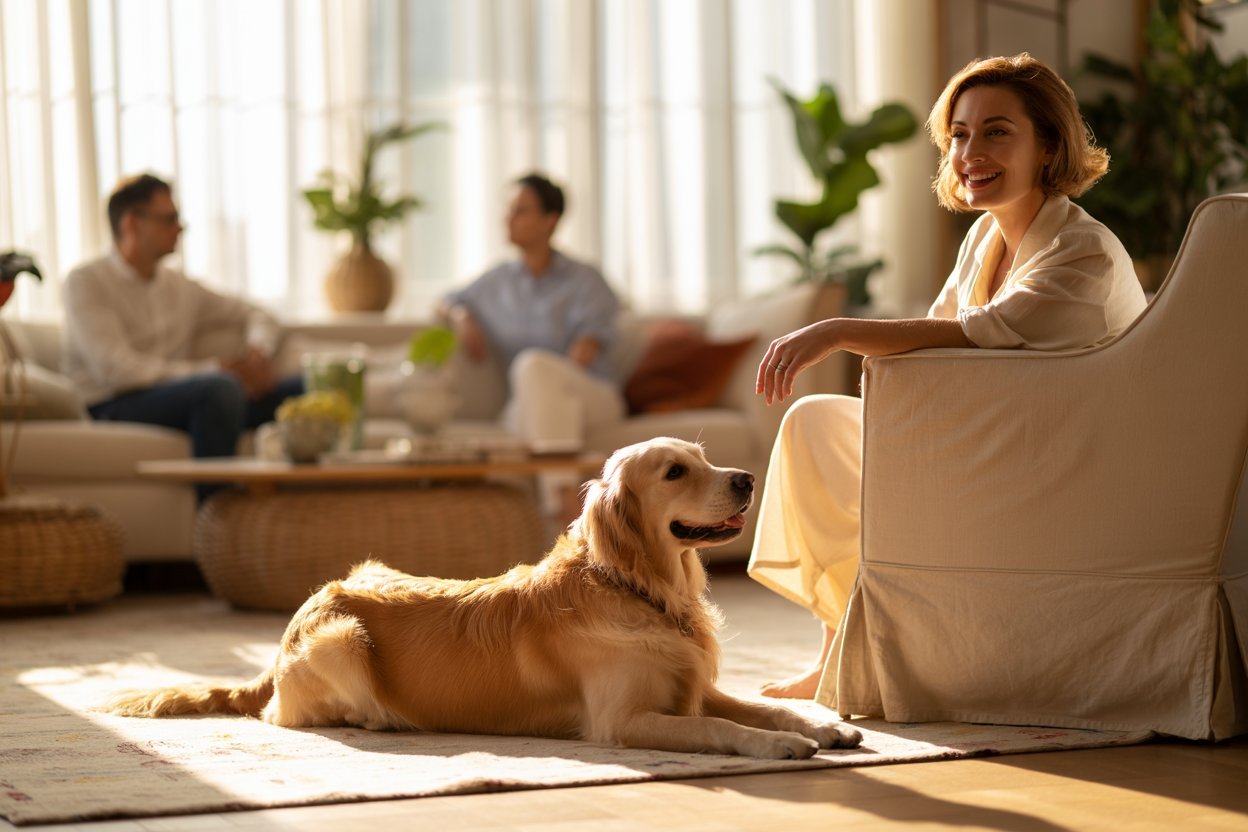
There was a time when the sound of my doorbell made my heart race just as much as it made my dog lose his mind.
Before the knock even landed, he was already pacing. The barking came next sharp, loud, and full of urgency.
By the time the door opened, he was jumping, whining, spinning in circles, completely overwhelmed by the excitement of someone new entering his space.
Guests would laugh it off at first, but I could feel my shoulders tighten every single time.
I remember apologizing constantly.
“I promise he’s friendly.”
“He’s just excited.”
“He’ll calm down in a minute.”
But deep down, I knew something wasn’t right not because my dog was “bad,” but because he was struggling. He wasn’t misbehaving. He was overstimulated, unsure, and trying to cope the only way he knew how.
So I decided to stop wishing he’d magically calm down and start learning how to help him feel safe, grounded, and confident when guests arrive.
This post is me sharing what truly worked not overnight tricks or harsh commands, but small, gentle changes that transformed our home. If your dog gets wild, anxious, overly excited, or nervous when visitors come over, I want you to know this first:
- You’re not failing your dog.
- Your dog isn’t being “too much.”
- Calm is something we teach not demand.
Let me walk you through how I did it.
Understanding Why Dogs Lose Control When Guests Arrive
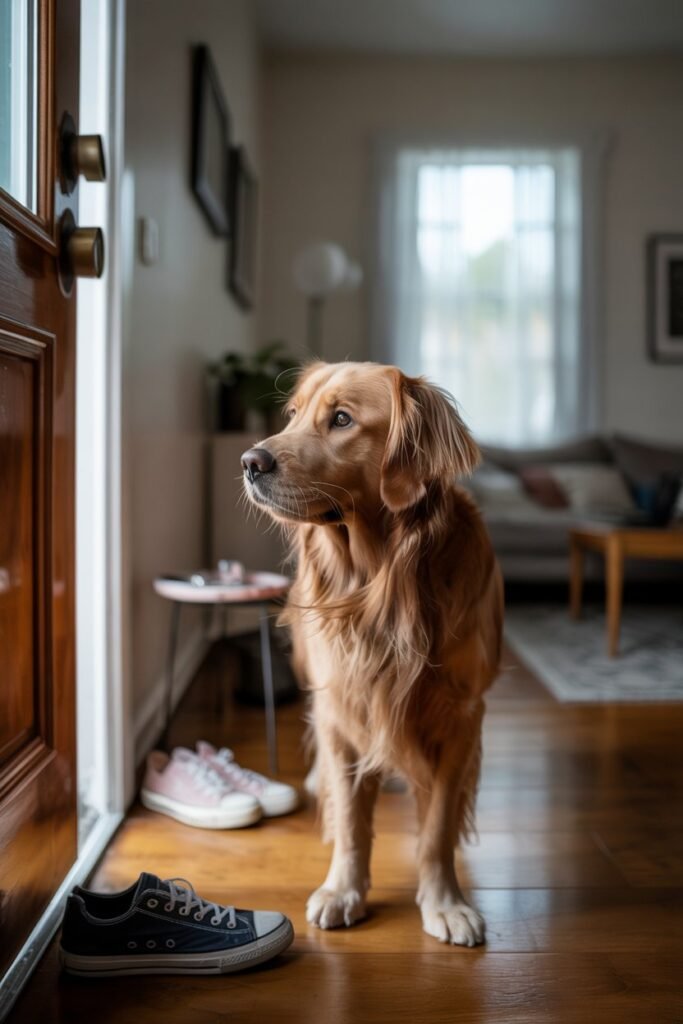
Before anything changed in my home, I had to change how I saw the behavior.
To my dog, guests weren’t “visitors.” They were:
- A sudden break in routine
- A loud noise (doorbell/knocking)
- Strange smells
- New energy entering his territory
- An unpredictable moment with no clear rules
That’s a lot for one nervous system to handle.
Some dogs bark because they’re excited.
Some jump because they want attention.
Some pace or whine because they’re anxious.
Others react because they feel the need to protect their space.
Once I stopped asking, “How do I make him stop?”
and started asking, “What is he feeling right now?”
everything shifted.
The First Change I Made: Preparing Before the Doorbell Rings
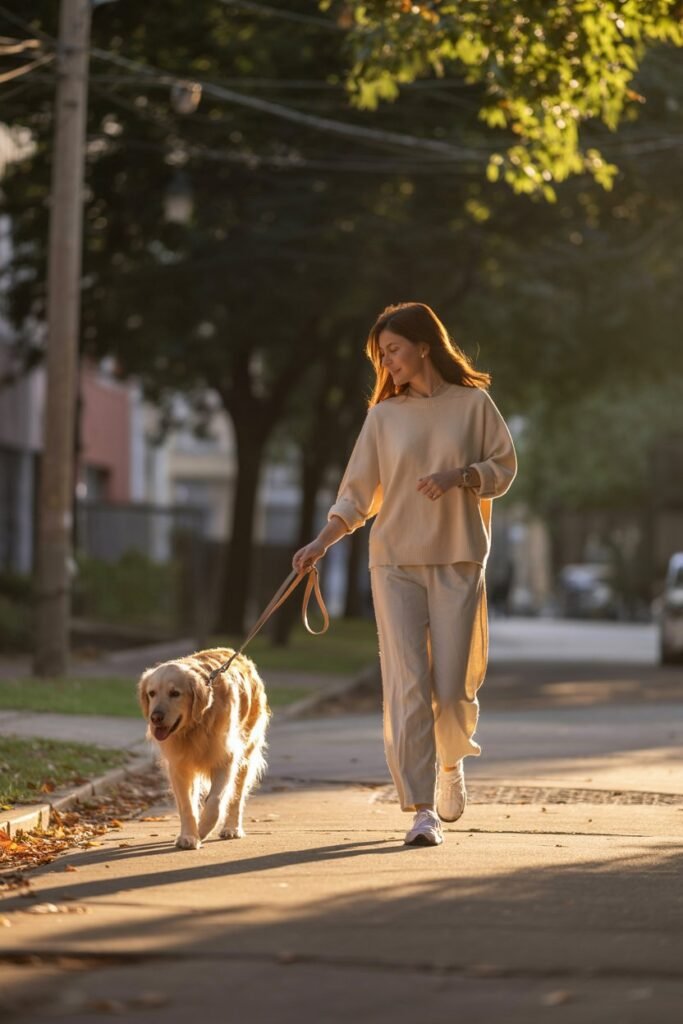
One of the biggest mistakes I used to make was reacting after my dog had already lost control.
Now, I prepare before guests arrive.
I Create a Calm Environment Ahead of Time
If I know someone is coming over, I do three things:
- Exercise first
A tired dog is not a chaotic dog. A calm walk, gentle play, or mental enrichment earlier in the day makes a noticeable difference. - Lower the energy in the house
No loud music. No rushing around. Dogs mirror our energy and I used to be anxious for him. - Set expectations for myself
I remind myself: “I’m not embarrassed. I’m helping him learn.”
That mindset alone made me calmer — and he felt it.
Teaching My Dog That the Doorbell Is Not an Emergency
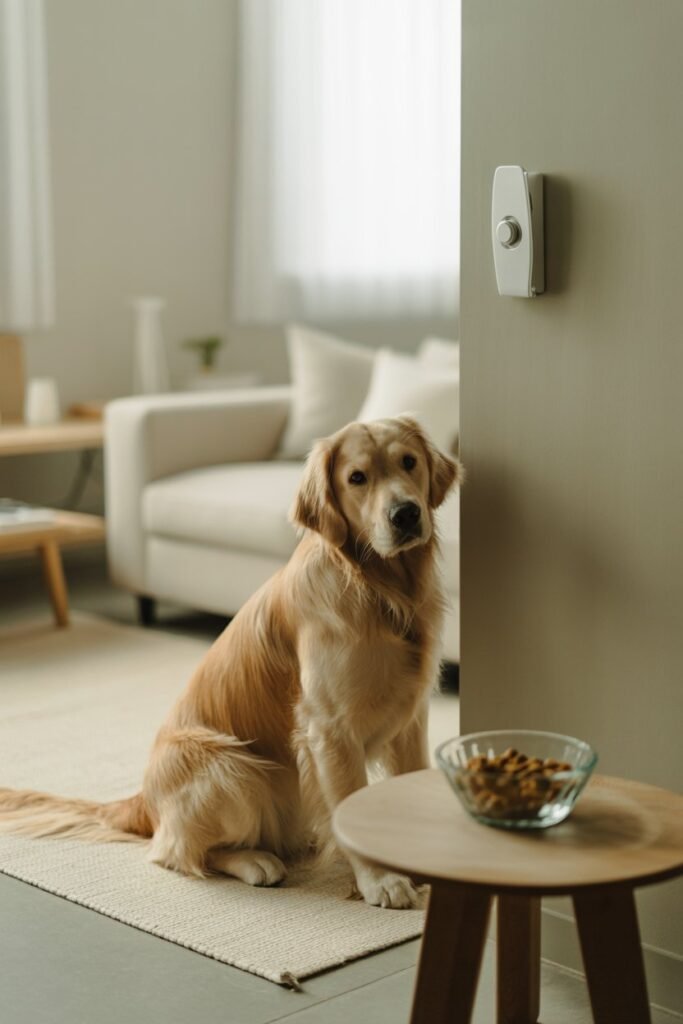
The doorbell used to be the trigger.
So I worked on desensitizing it.
What I Did (Slowly and Gently)
- I rang the doorbell at random times with no guest arriving
- I immediately tossed a treat away from the door
- I praised calm behavior — even just a pause in barking
Over time, the doorbell stopped meaning “PANIC” and started meaning “something good happens.”
This didn’t happen in a day.
But consistency changed everything.
Giving My Dog a “Job” When Guests Arrive

One of the most powerful shifts was giving my dog something to do.
Dogs thrive on clarity.
Instead of yelling “No!” or “Stop!”, I taught him a calm alternative behavior.
Our Go-To Options
- Go to his bed
- Sit and wait
- Grab a toy
- Settle with a chew
At first, I practiced these when no one was there. Once he understood the behavior, I slowly introduced it during real visits.
Now, when someone knocks, he knows exactly what’s expected — and that confidence keeps him grounded.
Why I Stopped Letting Guests Excite My Dog at the Door
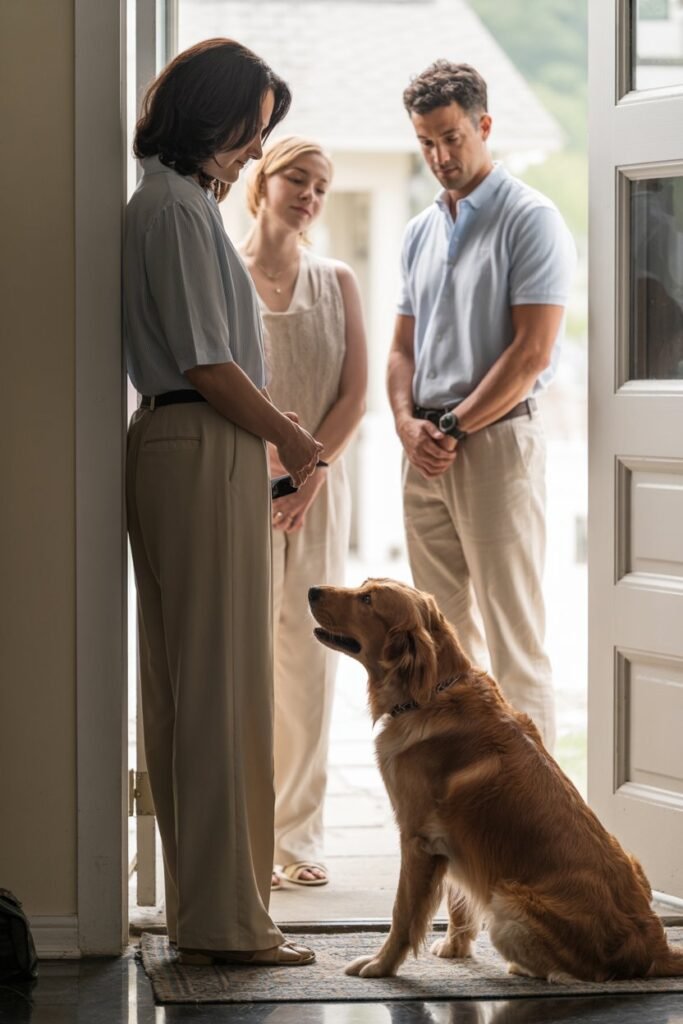
This was uncomfortable at first — but necessary.
I had to ask guests to ignore my dog for the first few minutes.
No eye contact.
No talking.
No touching.
At first, people questioned it. But once they saw how quickly he calmed down, they understood.
Dogs don’t need instant affection from strangers they need time to process.
Once he settled, then introductions happened naturally and peacefully.
The Power of Treat Placement (This Changed Everything)

Here’s a small trick that made a huge difference:
- I stopped giving treats at the door
- I started tossing treats away from the entrance
This did two things:
- It redirected his energy
- It removed pressure from the doorway
The door became neutral. Calm happened elsewhere.
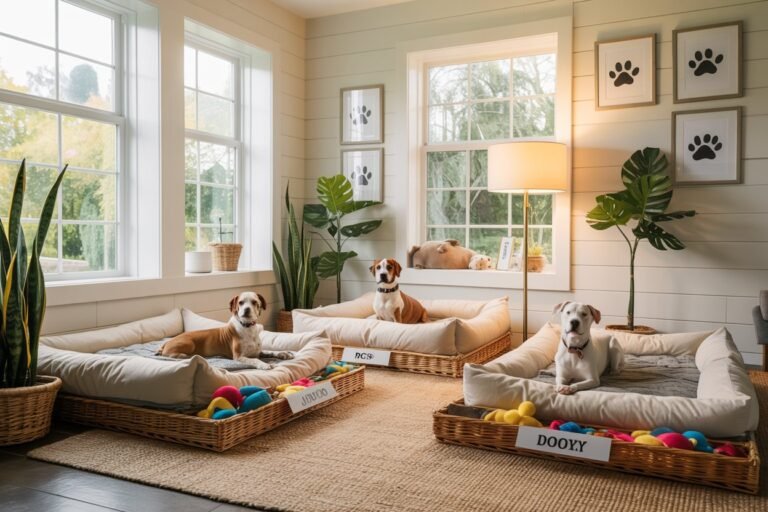
Creating a Safe Space for My Dog

Some dogs simply need space — and that’s okay.
I created a cozy, quiet area where my dog could retreat if things felt overwhelming.
- His favorite bed
- A familiar blanket
- A long-lasting chew
I never forced him to greet guests.
I let him choose.
That freedom built confidence faster than any command ever could.
Why I Stopped Apologizing for My Dog

This part surprised me.
Once I stopped apologizing —
Once I stopped feeling embarrassed —
Once I treated his emotions as valid —
He responded.
Dogs are incredibly intuitive. When I stood calm and confident, he followed.
The Mistakes I Made (So You Don’t Have To)
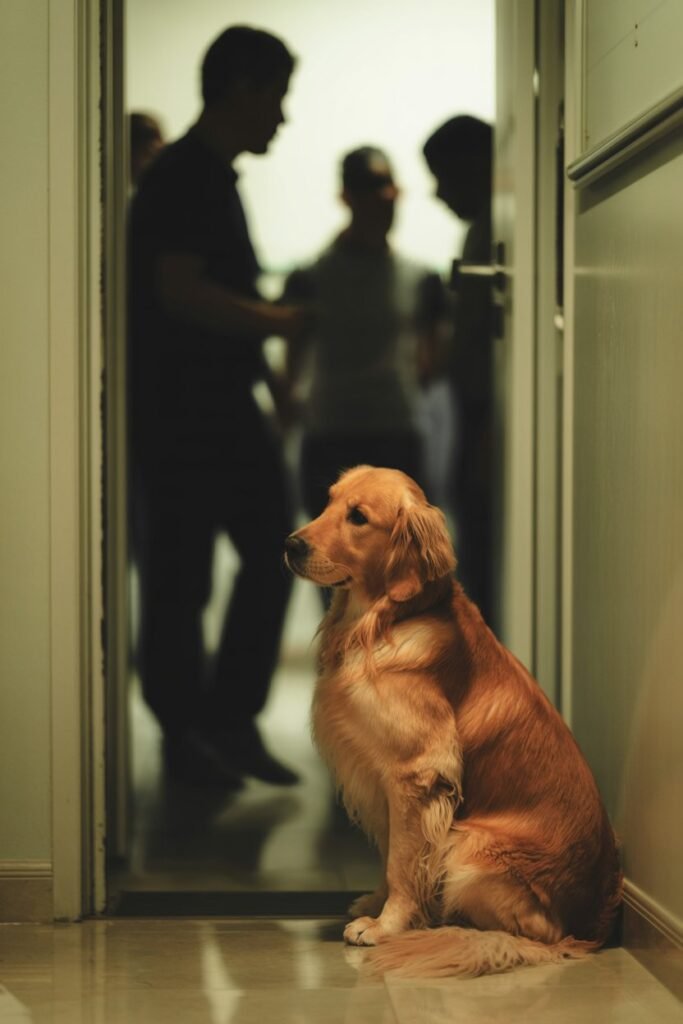
Let me be honest I didn’t get everything right at first.
Here’s what didn’t work:
- Yelling over barking
- Holding him back physically
- Forcing him to “say hi”
- Letting guests hype him up
- Expecting instant results
Progress came from patience, not pressure.
How Long Did It Take to See Real Change?
This is important.
It wasn’t immediate.
It wasn’t perfect.
And we still have off days.
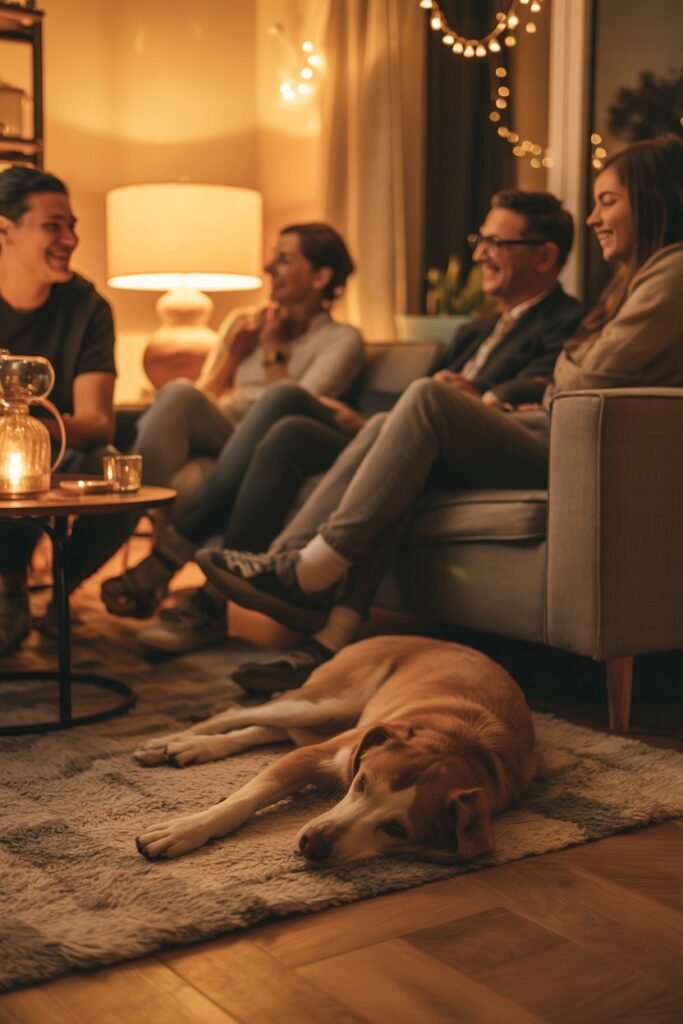
But within weeks, visits became calmer.
Within months, the chaos faded.
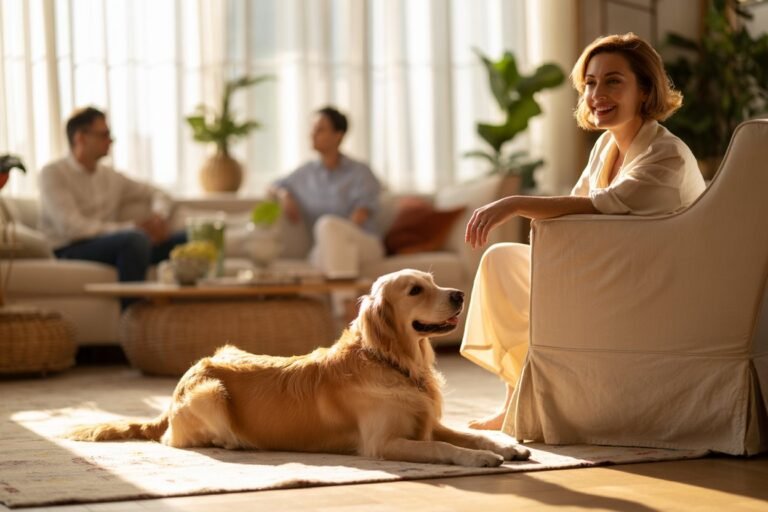
Now, guests comment on how relaxed he is.
And every time someone says, “Wow, he’s so calm,” I smile because I remember where we started.
If Your Dog Still Struggles, That’s Okay
Some dogs need more support and that doesn’t mean you’ve failed.
You can always:
- Work with a positive-reinforcement trainer
- Practice with familiar visitors first
- Adjust expectations based on your dog’s personality
Calm isn’t obedience it’s emotional safety.
Final Thoughts: Calm Is Built on Trust
Helping my dog stay calm when guests arrive wasn’t about controlling him.
It was about:
- Understanding him
- Preparing him
- Supporting him
- Advocating for him
Once he felt safe, the behavior followed naturally.
If you’re reading this feeling overwhelmed or discouraged, please hear this:
- You are not alone
- Your dog is not broken
- Gentle consistency works
And one quiet knock at a time, peace can grow in your home — just like it did in mine.