Foods That Calm Anxious Dogs
I still remember the night my own dog pressed herself into the corner of the closet during a thunderstorm, trembling so hard I could feel it through the floorboards.
I sat with her for an hour, stroking her ears, whispering that everything was okay, and promising myself I’d find a gentler way to help her.
That search led me down a rabbit hole of canine nutrition, vet conversations, and a lot of trial and error in my own kitchen. What I learned changed the way I feed her, and I want to share it with you, mama to mama, paw print to paw print.
Why Food Even Matters When It Comes to Anxiety
Before we get into the good stuff, I want you to understand why this works, because I’m not just going to hand you a list and send you off to the grocery store without context. You deserve to know the “why,” not just the “what.”
A huge piece of the puzzle lives in your dog’s gut. About 90% of the body’s serotonin the feel-good, mood-stabilizing chemical is actually produced in the gut</cite>, not the brain.
So when your dog’s digestive system is inflamed, imbalanced, or missing key nutrients, their whole nervous system can feel the ripple effect. That’s the gut-brain connection in a nutshell, and it’s the reason so many of the foods on this list double as digestive helpers.
On top of that, certain amino acids, minerals, and antioxidants play very specific roles in calming an overactive nervous system. Some help the body manufacture serotonin. Others reduce the oxidative stress that builds up in an anxious brain.
And a few directly relax muscles and nerves the way a warm bath relaxes ours. I’ll walk you through each one, food by food, so you know exactly what’s happening in that sweet furry body of theirs.
One important note before we dive in, and I say this as a fellow worried dog mom: <cite index=”6-1″>food alone cannot cure severe anxiety, reactivity, or panic disorders</cite>. Diet is the foundation, not the whole house. If your dog’s anxiety is significant, please loop in your veterinarian or a veterinary behaviorist alongside anything you try here. Okay — let’s get into the good, nourishing stuff.
1. Turkey (Yes, the Sleepy Thanksgiving Meat)
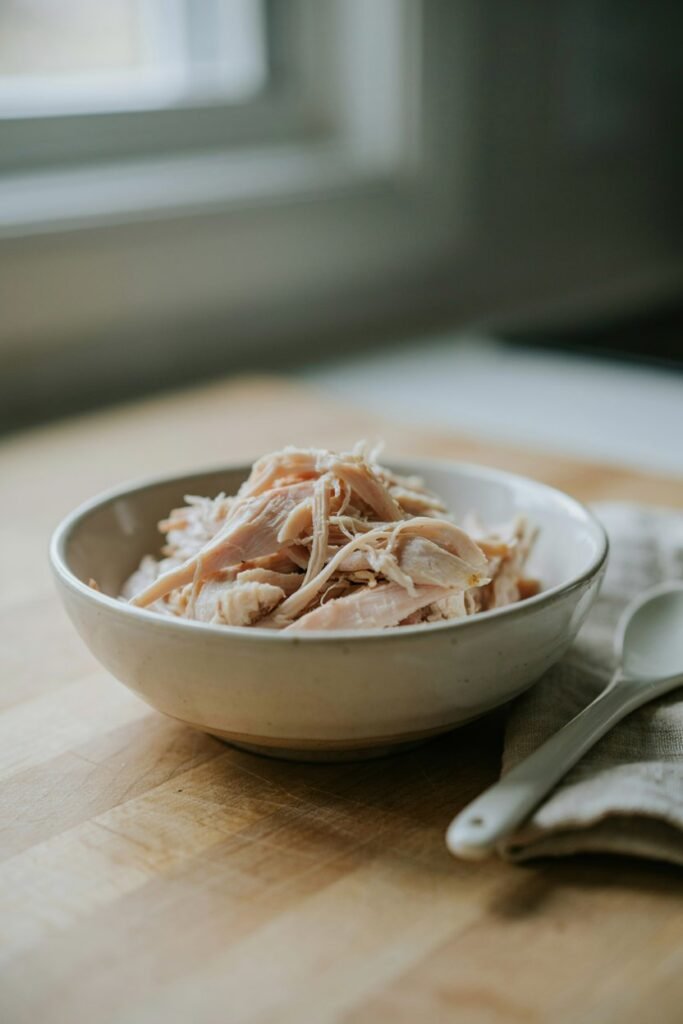
What you need: Plain, unseasoned, boneless, skinless cooked turkey breast or ground turkey (no onion, garlic, or seasoning blends, which are toxic to dogs).
Why it calms her down: Turkey is rich in an amino acid called tryptophan, and tryptophan has been shown to improve symptoms in anxious dogs because of the calming effect it has on the body.
Tryptophan is a building block for serotonin, so feeding turkey gives your dog’s body the literal raw material it needs to manufacture more of that calming chemical naturally. It’s the same reason we get sleepy after a big turkey dinner the effect is gentler in dogs, but the mechanism is similar.
How to serve it: Boil or bake plain turkey with no added fat, shred it into bite-sized pieces, and mix a spoonful into her regular food, or freeze small portions into ice cube trays for a slow-lick calming snack during stressful moments like fireworks or vet visits.
2. Pumpkin (Plain Canned, Not Pie Filling!)

What you need: 100% pure canned pumpkin (never pumpkin pie filling, which is loaded with sugar and spices).
Why it calms her down: Pumpkin is packed with fiber, and that fiber supports gut health, which is linked to a healthy mood since so much of the body’s serotonin is produced in the digestive tract.
A calm gut really does help build a calmer mind. Pumpkin also settles occasional upset stomachs, which matters because a physically uncomfortable dog is often a more anxious one.
How to serve it: Start with a teaspoon for small dogs or a tablespoon for larger breeds, stirred into their meal once a day. Keep leftovers in an airtight container in the fridge for up to a week, or freeze in small portions.
3. Blueberries (Tiny Blue Mood-Boosters)
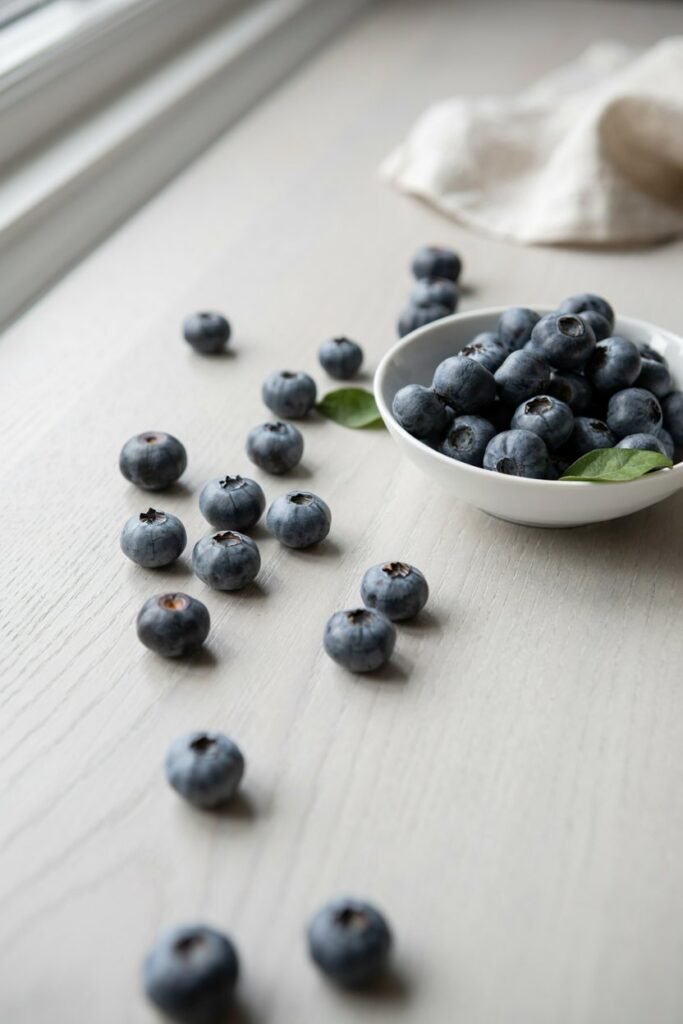
What you need: Fresh or frozen blueberries, washed and given plain.
Why it calms her down: Blueberries are full of antioxidants that fight oxidative stress, a major contributor to anxiety and inflammation, and they contain vitamin C, which helps regulate cortisol, the body’s stress hormone.
Lower cortisol means a body that isn’t stuck in constant fight-or-flight mode. As a lovely bonus, blueberries also support cognitive function, which is especially sweet for our senior pups.
How to serve it: Offer a small handful as a treat, straight from the fridge or slightly frozen for a satisfying, cooling chew on a hot day. They’re low calorie, so they make a wonderful training reward too.
4. Leafy Greens: Kale and Spinach
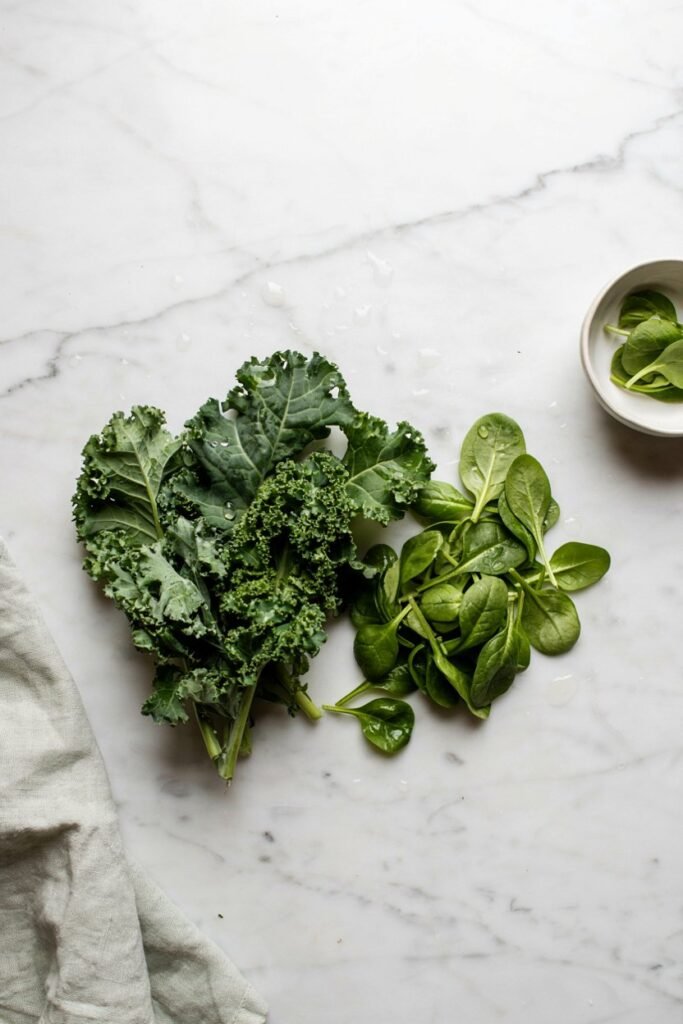
What you need: Fresh kale or spinach, steamed or finely chopped raw (raw in small amounts only, since large quantities of raw kale can affect thyroid function over time).
Why it calms her down: Kale is rich in magnesium, folate, and antioxidants that support nervous system health, and magnesium has a natural calming effect in both people and pets.
Magnesium works almost like a muscle and nerve relaxant, helping quiet the physical tension that anxious dogs often carry in their bodies.
Spinach shares a similar nutrient profile, making it another gentle addition to a calming bowl, and B-vitamins that support brain and nervous system function can be found in dark green vegetables like spinach and kale</cite> as well.
How to serve it: Steam lightly to make it easier to digest, chop finely, and mix just a spoonful into their food a few times a week. A little goes a long way here.
5. Fatty Fish: Salmon and Flaxseed
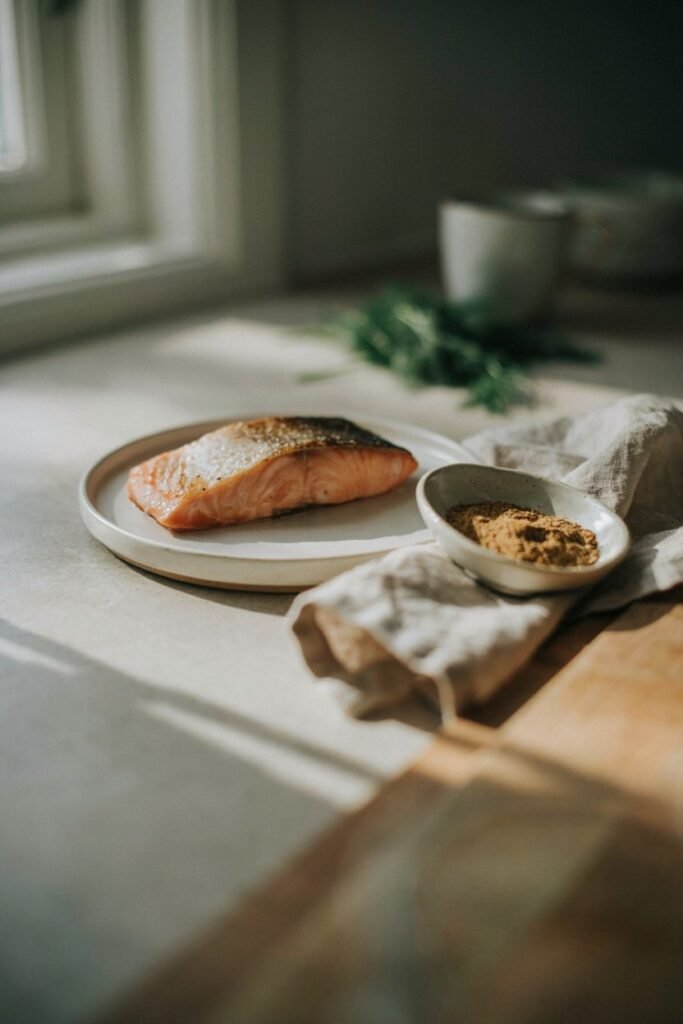
What you need: Cooked, boneless salmon (never raw, due to parasite risk) or ground flaxseed as a plant-based alternative.
Why it calms her down: Omega-3 fatty acids found in salmon and flaxseed support brain health and reduce nervous behaviors, and research on omega-3 supplementation has linked it to improved cognitive function, reduced anxious symptoms, reduced aggressive behaviors, and reduced stress-related hormone production.
Omega-3s essentially help build and protect the fatty structures of brain cells, keeping the whole nervous system running more smoothly under stress.
How to serve it: A small piece of plain, cooked salmon once or twice a week works beautifully, or sprinkle a teaspoon of ground flaxseed over their kibble daily for a steady, gentle dose.
6. Oats (A Cozy, Fiber-Filled Bowl)

What you need: Plain, cooked rolled oats or steel-cut oats, cooled to room temperature, with no added sugar, salt, or flavoring.
Why it calms her down: Like turkey, oats provide tryptophan-supporting carbohydrates, meaning they help support that same serotonin-building pathway while also providing steady, slow-release energy rather than a sugar spike that can make some dogs jittery.
The soluble fiber in oats also nurtures gut bacteria, tying back into that all-important gut-brain connection.
How to serve it: Cook plain oats in water (not milk, since many dogs are lactose sensitive), let them cool completely, and mix a small spoonful into their dinner a couple of times a week.
7. Sweet Potato (A Naturally Soothing Root)

What you need: Cooked, plain sweet potato, mashed or cubed, with the skin removed.
Why it calms her down: Sweet potato is gentle on digestion and naturally rich in nutrients that support nerve function, and B-vitamins play a crucial role in nerve function and energy metabolism, with deficiencies contributing to nervousness and irritability.
It’s a comforting, easy-to-digest carbohydrate that supports steady energy and a settled tummy, both of which help take the edge off an anxious dog’s day.
How to serve it: Bake or boil until soft, mash it up, and offer a spoonful mixed into their food, or freeze small cubes as a lick-friendly frozen treat.
8. Bone Broth (Warm, Nourishing Comfort)
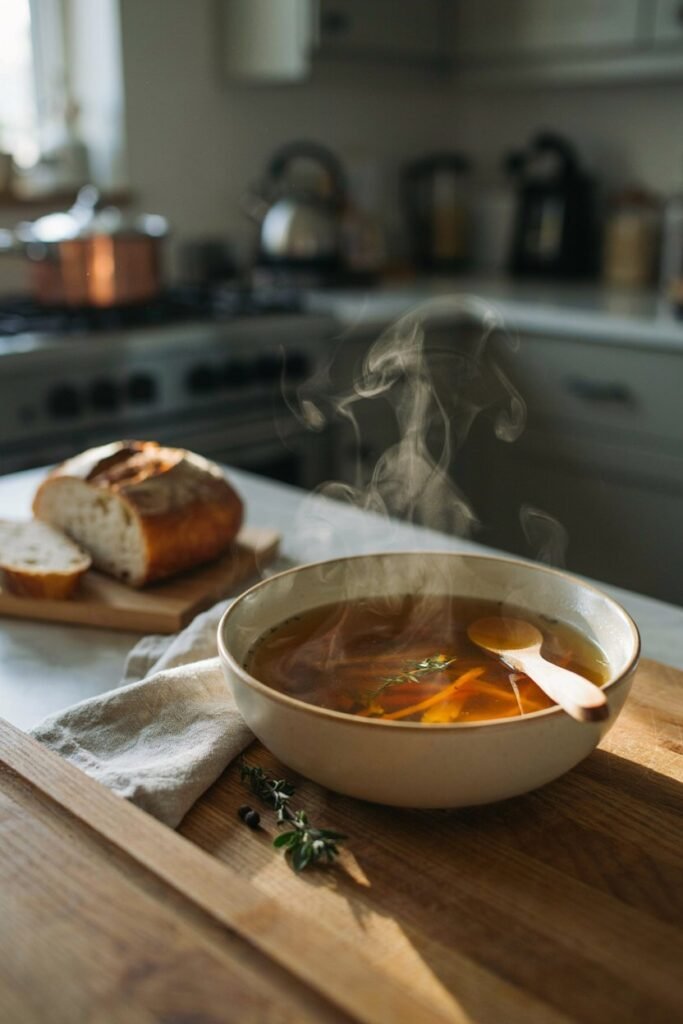
What you need: Homemade or store-bought unsalted, unseasoned bone broth (double-check the label for xylitol, which is toxic to dogs, and onion or garlic powder).
Why it calms her down: Bone broth is rich in collagen and amino acids like glycine, which support gut lining health and, once again, feed into that gut-brain serotonin pathway.
It’s also warm, hydrating, and deeply comforting, which can be especially soothing for a dog who’s refusing to eat during a stressful event.
How to serve it: Warm slightly (never hot) and pour over their regular food, or freeze into ice cubes for a slow, calming treat during thunderstorms or fireworks.
9. Chamomile (A Gentle Herbal Helper)

What you need: Dog-safe chamomile tea, cooled completely, or a vet-approved chamomile supplement made specifically for dogs.
Why it calms her down: Chamomile has long been used as a gentle, natural relaxant, working on the nervous system in a way similar to how it soothes us before bed.
It’s mild enough for regular use but still worth checking with your vet first, especially if your dog is on any medication, since herbal remedies can interact with certain drugs.
How to serve it: Brew a weak, plain chamomile tea, let it cool fully, and offer a small amount in their water bowl or drizzled over food during particularly stressful weeks.
10. Raw Goat’s Milk (A Probiotic Powerhouse)
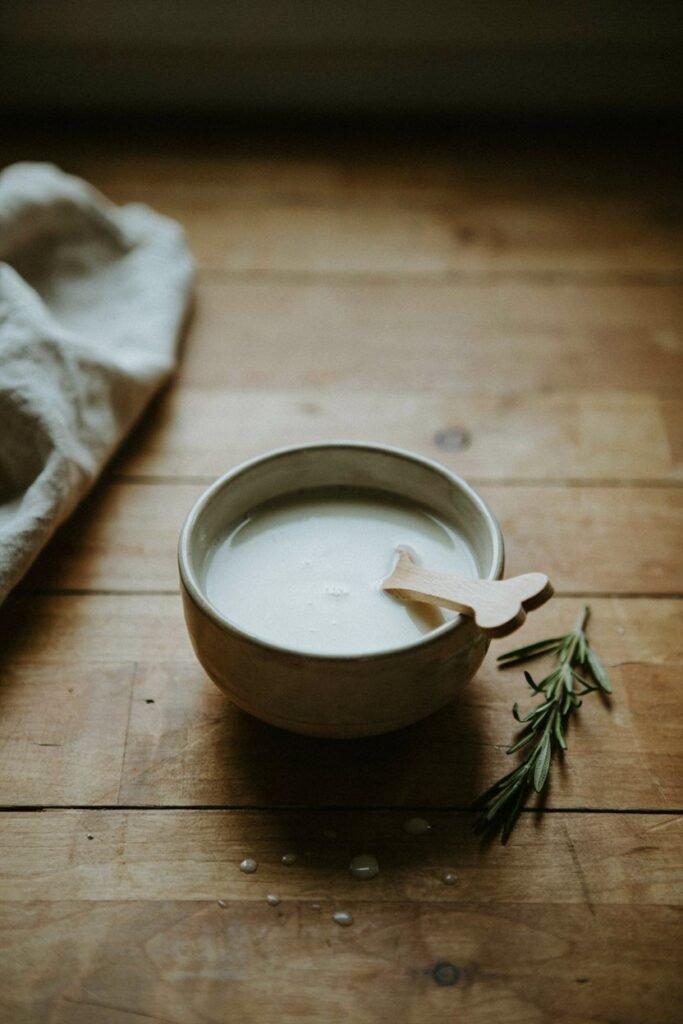
What you need: Raw or fermented goat’s milk made specifically for pets (found at most pet specialty stores).
Why it calms her down: <cite index=”8-1″>Raw goat’s milk provides probiotics, which may soothe the digestive system and ease anxiety</cite>. Those friendly bacteria help balance the gut microbiome, and a balanced microbiome communicates with the brain in ways that can genuinely dial down anxious behavior over time.
How to serve it: Pour a small amount over their regular meal, or freeze into small treat-sized portions for a special, calming snack.
Bringing It All Together: How to Actually Build a Calming Bowl
Here’s how I like to think about it: pick two or three of these ingredients and rotate them into your dog’s regular meals throughout the week, rather than dumping everything in at once. Their tummy will thank you, and you’ll be able to tell more clearly what’s actually helping.
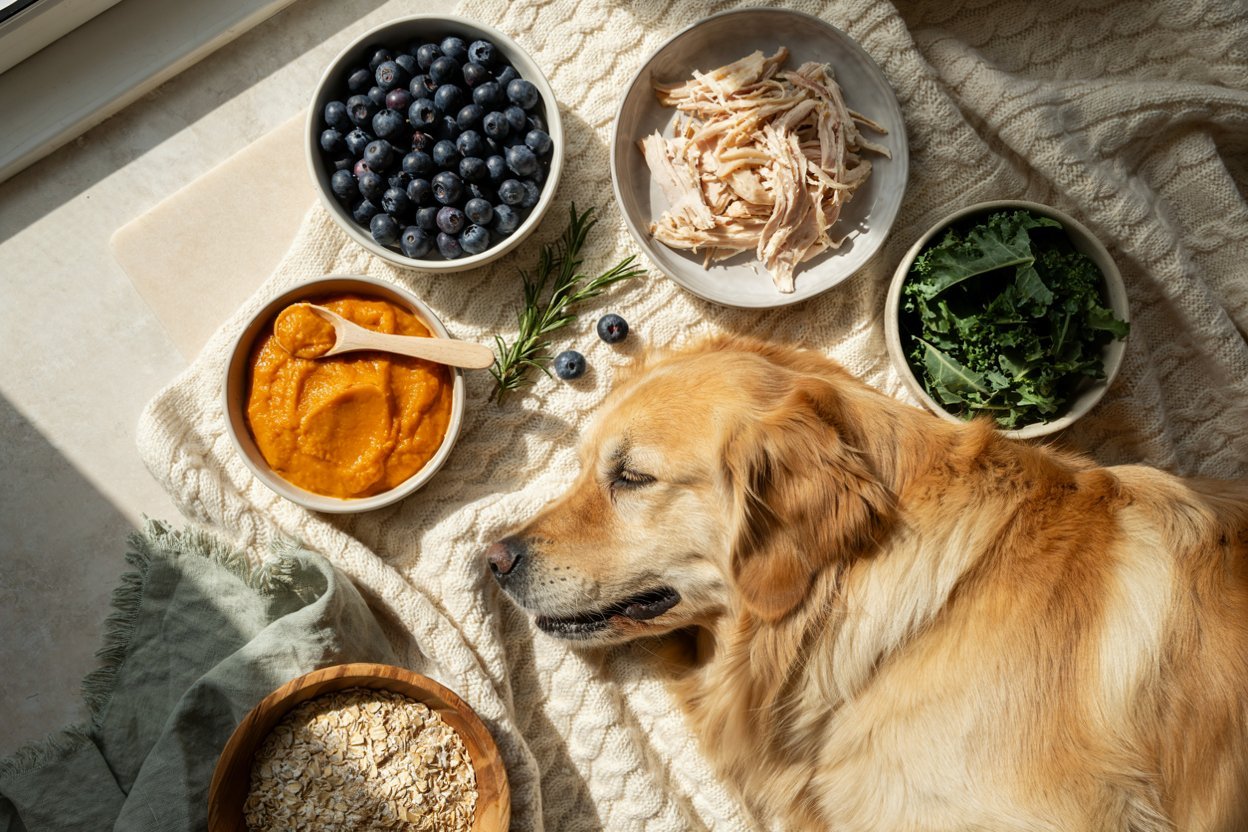
A simple calming bowl might look like this: their regular kibble, topped with a spoonful of plain cooked turkey, a teaspoon of pumpkin puree, and a few blueberries scattered on top like little jewels. Simple, wholesome, and made with love.
A few gentle reminders, mama to mama:
- Introduce new foods slowly, one at a time, so you can watch for any tummy upset or allergic reaction.
- Always choose plain, unseasoned preparations. Onion, garlic, excess salt, and sugar have no place in your dog’s bowl, calming intentions or not.
- Give it time. <cite index=”2-1″>It can take several weeks or even months to see a noticeable difference in your dog’s anxiety levels after changing their diet</cite>, so patience really is part of the recipe here.
- Check in with your vet, especially if your dog has any existing health conditions, is on medication, or if their anxiety feels severe. One study even found that <cite index=”4-1″>anxious dogs fed a diet rich in L-tryptophan and a calming milk protein called alpha-casozepine for seven weeks showed fewer stress behaviors and reduced cortisol levels</cite>, which just goes to show that consistency really does pay off.
A Final, Heart-to-Heart Note
Watching your dog struggle with anxiety is one of the hardest things as a pet parent, but I promise you, small changes in that food bowl can genuinely add up to a calmer, steadier companion.
Pair these foods with plenty of gentle reassurance, a predictable routine, and professional guidance when you need it, and you’ll be giving your sweet dog every possible tool to feel safe in their own skin again.
You’re already doing an amazing job just by researching this and caring enough to make a change. Your dog is lucky to have you.