How to Stop a Dog From Jumping When Excited
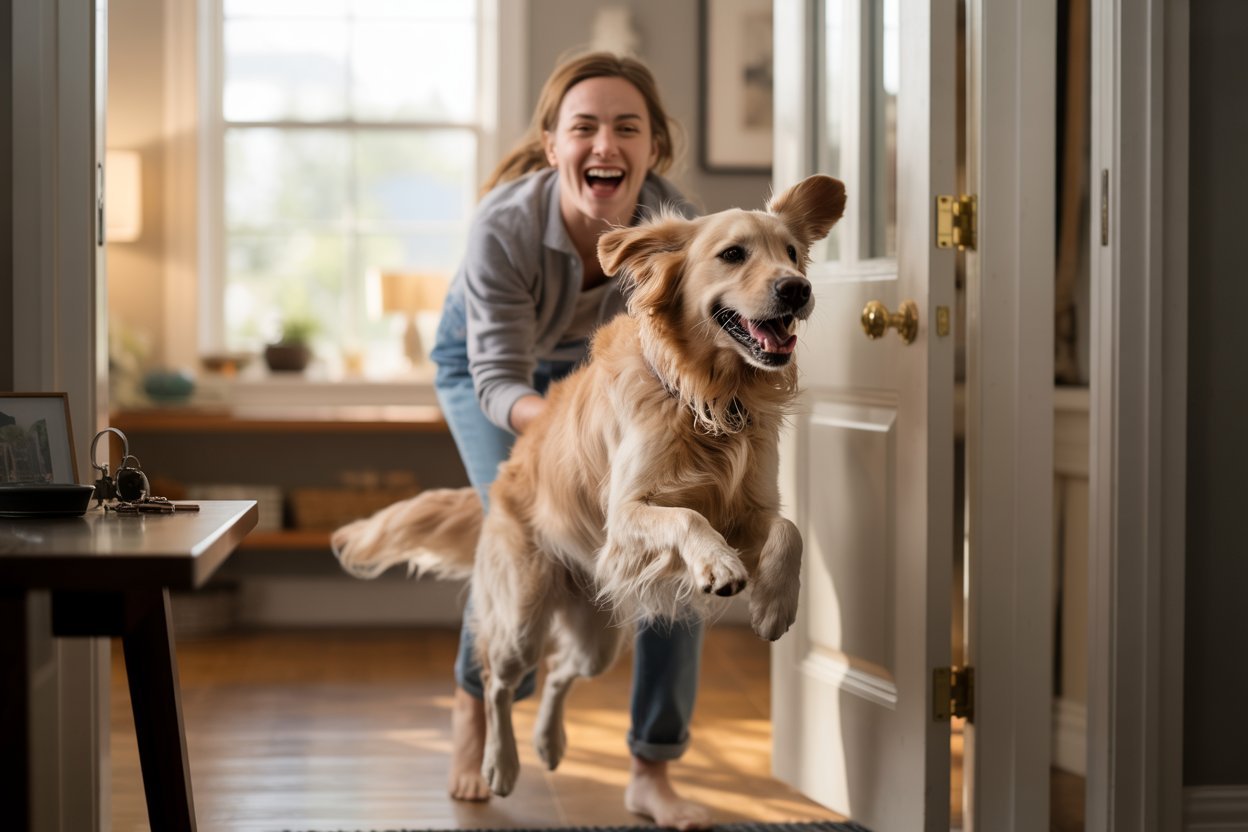
The first time my dog knocked coffee out of my hand, I laughed.
The second time, I was less amused.
By the fifth time he launched himself at a guest in a white shirt, paws first, I realized something important: this was not “just excitement.” It was a behavior I had accidentally encouraged.
If you’re here, you probably know exactly what I’m talking about. You walk through the door and your dog turns into a bouncing kangaroo.
Friends come over and suddenly your sweet pup transforms into an over-caffeinated trampoline. Maybe your dog jumps on strangers during walks. Maybe they jump on kids. Maybe they jump so hard it actually hurts.
And here’s the frustrating part: they’re not being “bad.”
They’re being happy.
That’s what makes this so tricky.
In this guide, I’m going to walk you through exactly how I stopped my dog from jumping when excited without yelling, without harsh corrections, and without damaging our relationship. You’ll learn:
- Why dogs jump in the first place
- Why common “quick fixes” don’t work
- The mindset shift that changes everything
- Step-by-step training methods
- How to handle guests
- What to do outside the house
- Mistakes most dog owners make
- How to fix regression
- How long it realistically takes
This isn’t theory. This is what actually works in real life.
Let’s start with this (How to Stop a Dog From Jumping When Excited)
Why Dogs Jump When They’re Excited
Understanding this changed everything for me.
Dogs don’t jump to dominate you. They don’t jump to disrespect you. They don’t jump because they’re stubborn.
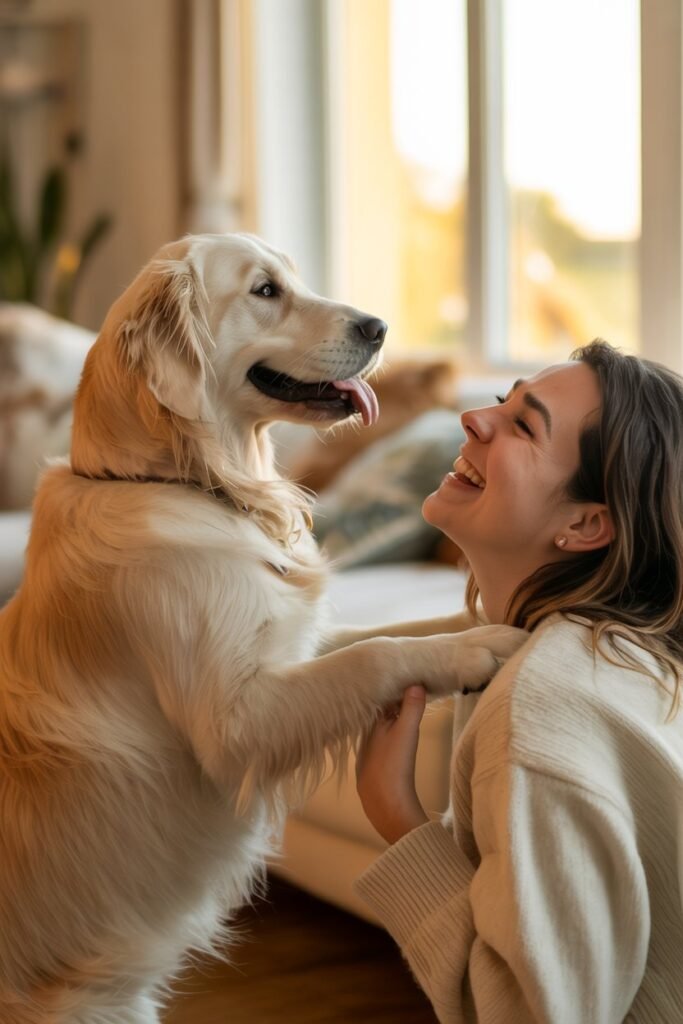
They jump because they want access to your face.
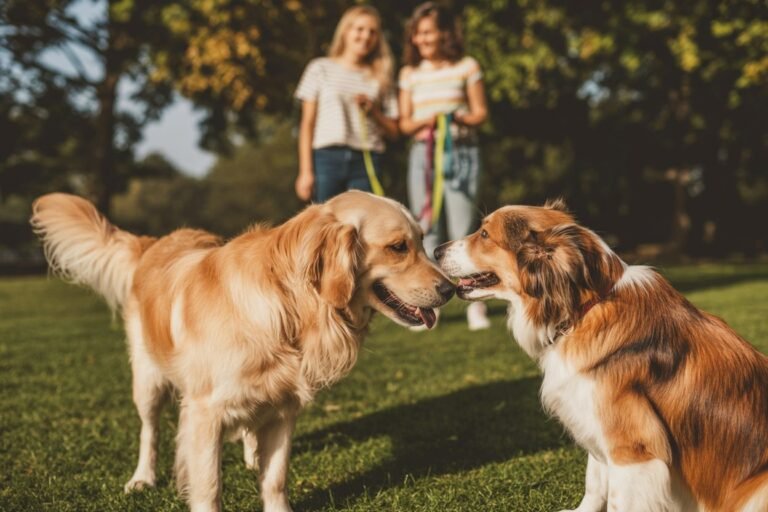
Puppies greet their mother by licking her mouth. Adult dogs greet each other nose-to-nose. Jumping is an instinctive attempt to reach eye level.
When my dog would jump on me, he wasn’t trying to challenge me. He was trying to say:
“I MISSED YOU!”
“YOU’RE BACK!”
“I LOVE YOU!”
That realization softened my frustration instantly.
But affection doesn’t excuse chaos.
So instead of asking, “How do I stop this behavior?” I started asking:
“How do I teach a better way to say hello?”
That question is the foundation of everything that follows.
Why Yelling “No!” Usually Makes It Worse
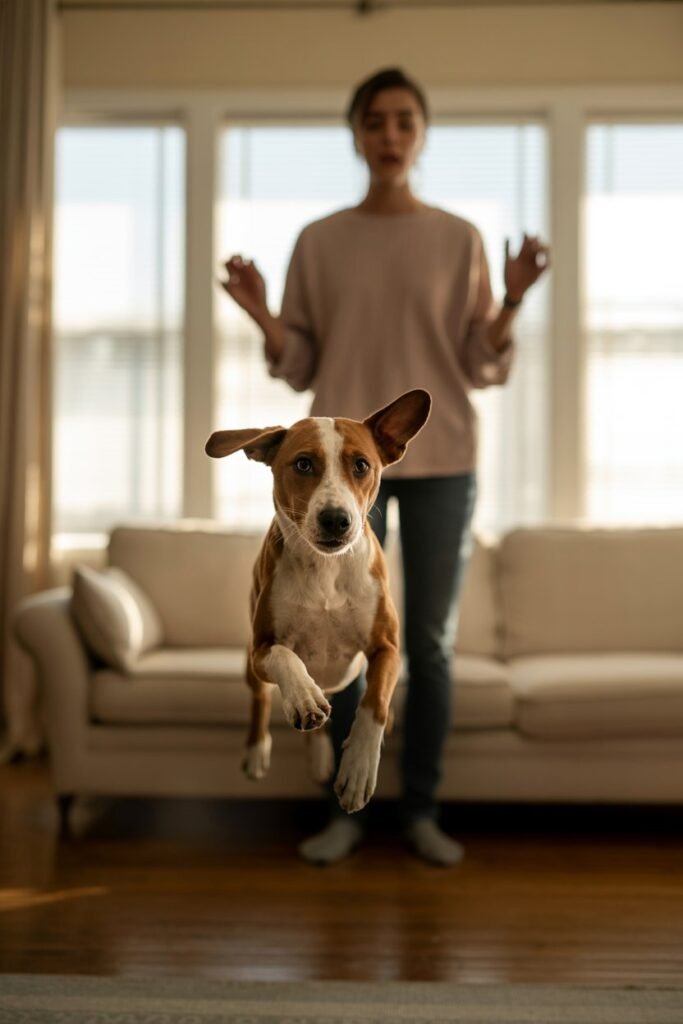
I used to push my dog down and say, “No! Off!”
Guess what happened?
He jumped again.
Sometimes higher.
Here’s why:
- Any attention is rewarding.
- Physical contact (even pushing) feels like play.
- Loud voices can increase excitement.
- Inconsistent reactions confuse dogs.
From your dog’s perspective, this sequence happens:
Jump → Human reacts dramatically → Attention achieved → Behavior reinforced.
Even negative attention can feel like positive attention to an excited dog.
The day I stopped reacting emotionally was the day progress began.
The Core Rule: Remove the Reward
Jumping continues because it works.
Your dog jumps. You talk. You touch. You look. You react.
That is the reward.
So the solution is simple in theory:
Jumping must never result in attention.
But in practice? It requires discipline.
Here’s the rule I committed to:
No paws on me = attention.
Paws on me = I disappear.
That’s it.
Step 1: Master the “Ignore Method” (The Right Way)
Many blogs mention ignoring, but they don’t explain how to do it correctly.
Ignoring means:
- No eye contact
- No talking
- No pushing
- No sighing
- No frustrated “ugh!”
- No touching
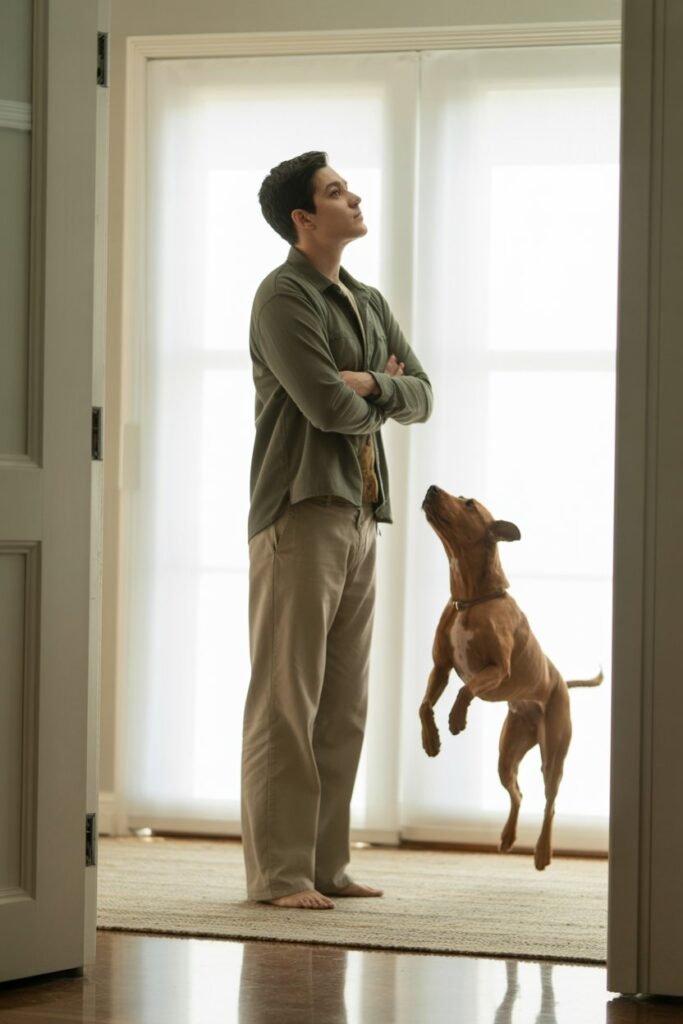
You become a statue.
When my dog jumped, I:
- Turned my body away
- Crossed my arms
- Looked slightly upward
- Stayed completely still
The second his paws touched the floor, I immediately gave calm praise:
“Good.”
Then gentle petting.
Timing matters.
If you wait even three seconds, your dog won’t connect the dots.
The pattern becomes:
Jump → Human freezes
Four paws on floor → Attention appears
Dogs learn patterns extremely fast when we’re consistent.
The first few days were rough. He tried harder. He jumped higher. He pawed at my back.
That’s called an extinction burst — behavior gets worse before it disappears.
If you quit during that phase, you accidentally teach:
“Jumping harder works.”
Stay consistent. It passes.
Step 2: Teach an Incompatible Behavior
This is where real progress accelerates.
Instead of just stopping jumping, you teach your dog what to do instead.
The most effective replacements are:
- Sit
- Go to place
- Bring a toy
- Down
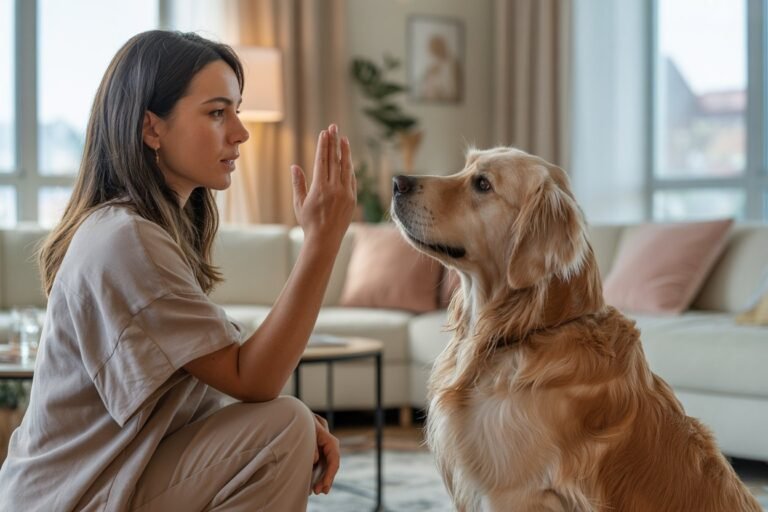
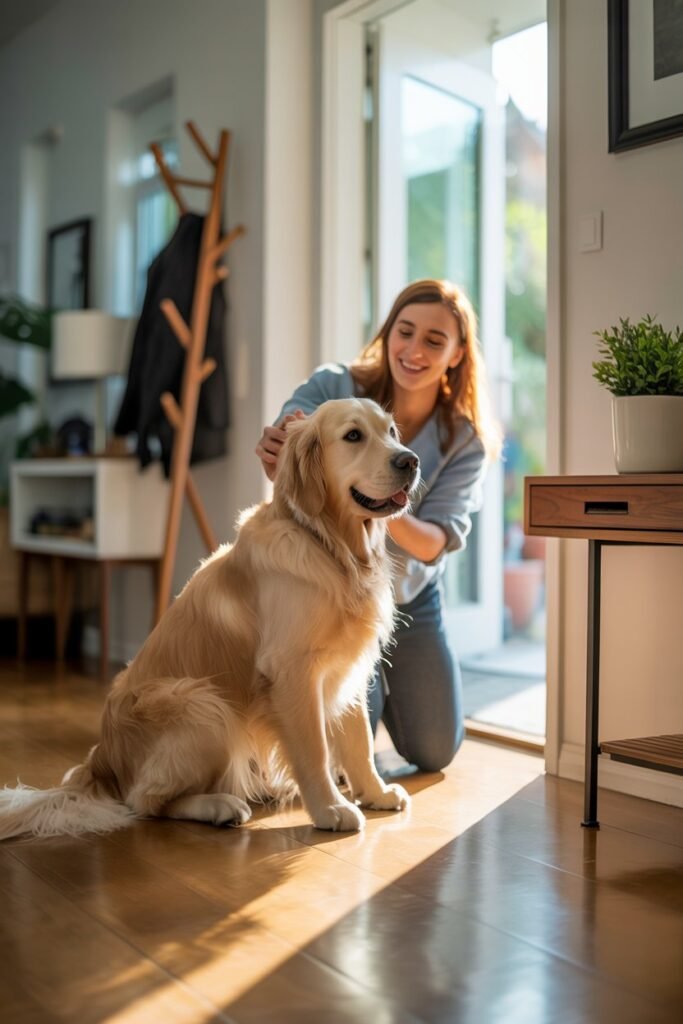
I personally chose “Sit.”
Why?
A sitting dog cannot jump at the same time.
Here’s how I trained it:
- Practice sit when there are zero distractions.
- Reward heavily.
- Increase excitement gradually.
- Practice during mild greetings.
- Then practice during real arrivals.
When I came home, I’d pause outside the door.
Open the door slightly.
If he jumped? Close it.
Door only opens fully when he sits.
Door becomes the reward.
This one technique made a massive difference.
Step 3: Control Your Energy When You Enter
Dogs mirror energy.
If you burst through the door shouting, “HIII BABYYY!” your dog’s nervous system explodes.
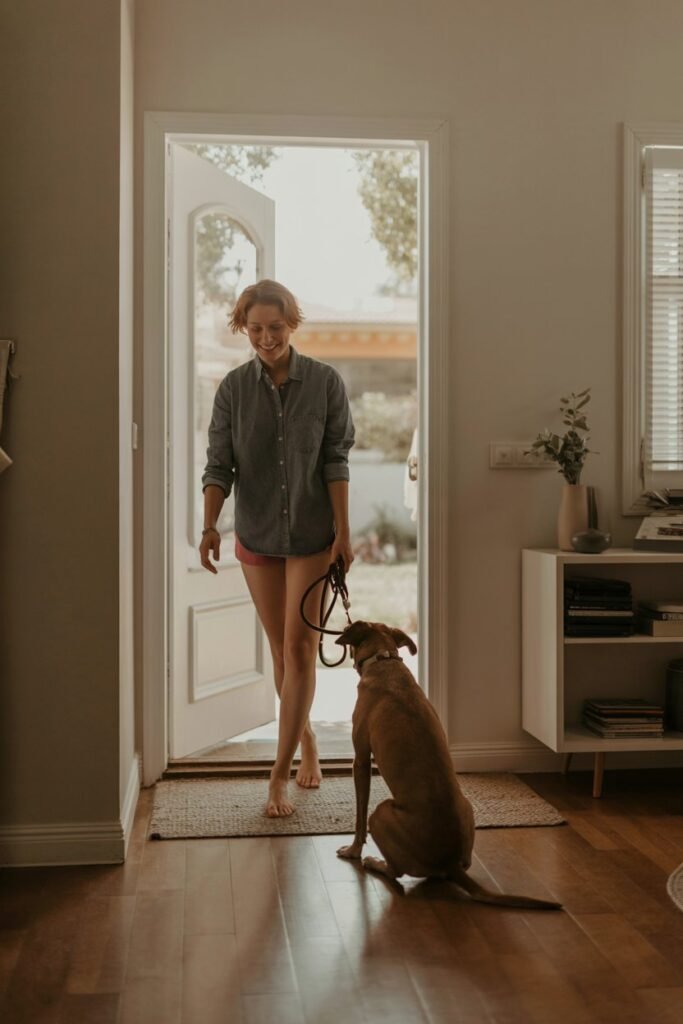
I changed my entry routine completely.
Now I:
- Walk in calmly
- Avoid immediate eye contact
- Put my things down
- Move slowly
- Wait for calm behavior
Greeting happens 30–60 seconds later.
This alone reduced jumping by almost half within a week.
Excitement feeds excitement. Calm builds calm.
Step 4: Use a Leash Indoors (Game Changer for Guests)
Guests are the hardest part.
Your dog doesn’t practice greeting guests daily, so the behavior is untrained and chaotic.
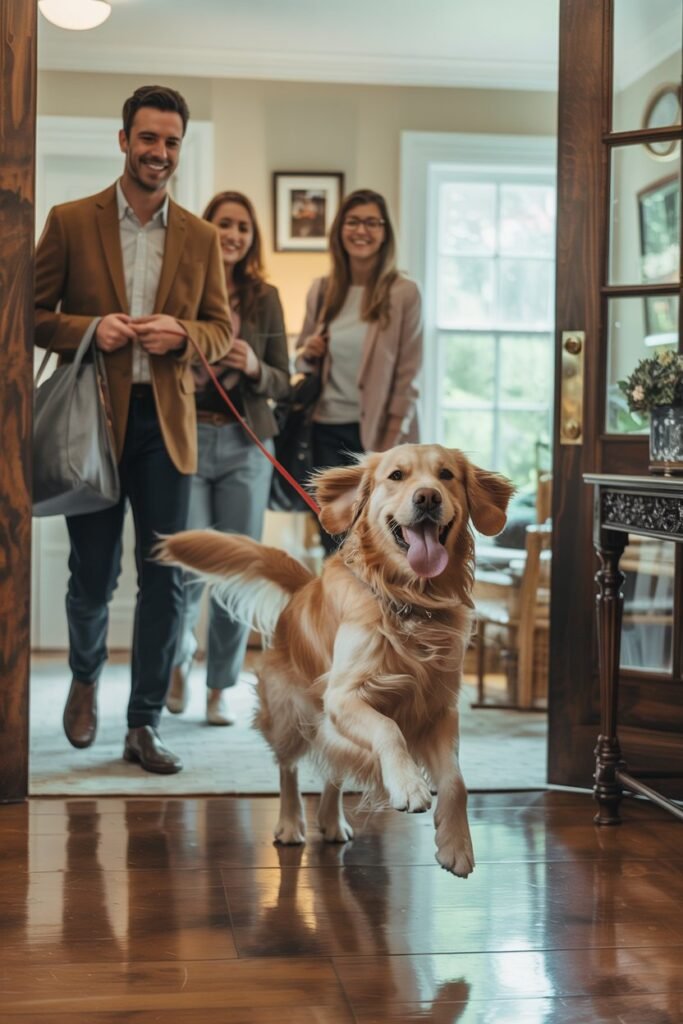
Here’s what worked for me:
Before guests arrived:
- I exercised my dog.
- I put a leash on him inside.
- I stepped on the leash lightly so he couldn’t jump.
When the door opened:
- If he tried to jump, the leash prevented lift-off.
- The guest ignored him completely.
- The moment he sat, the guest calmly greeted him.
No sitting = no attention.
I also briefed my guests before they entered:
“If he jumps, please ignore him completely.”
You have to train humans too.
Step 5: Practice Controlled Greeting Drills
I turned greetings into training sessions.
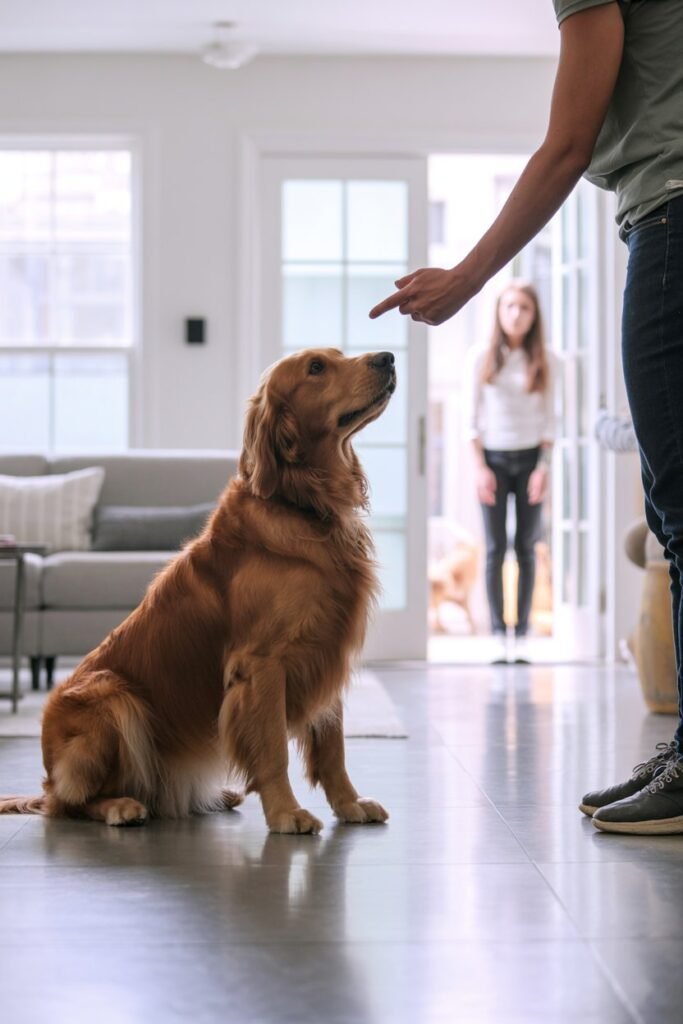
Friends helped me practice this:
- Friend knocks.
- I cue “sit.”
- If he stays seated, door opens.
- If he breaks position, door closes.
- Repeat.
Dogs learn fast when repetition is structured.
After about two weeks of consistent drills, the change was dramatic.
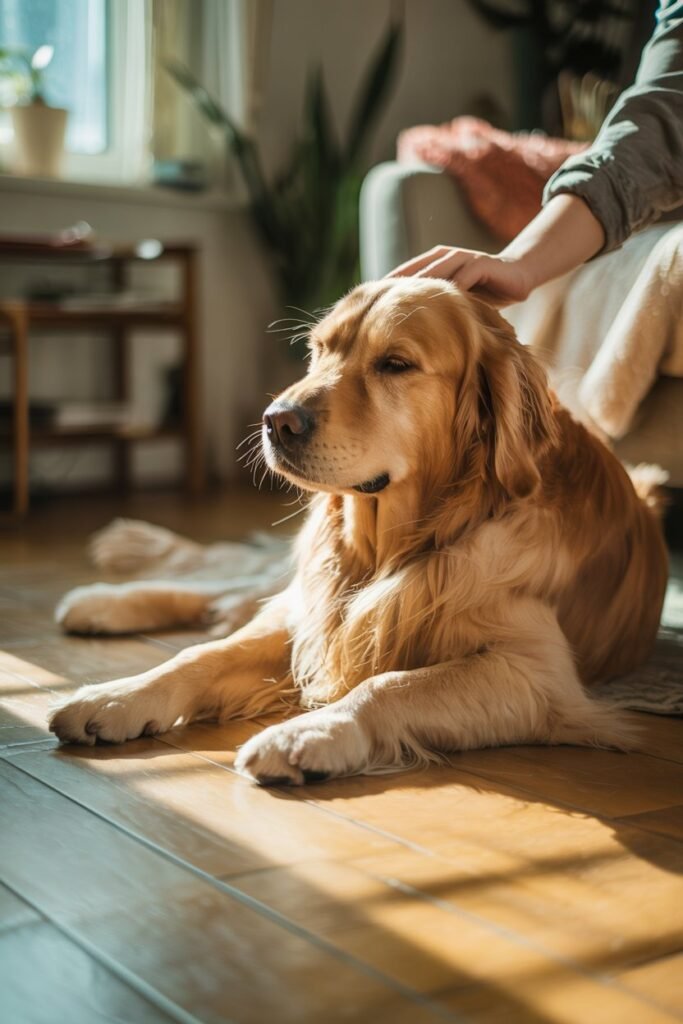
Step 6: Reward Calm, Not Just No Jumping
This is subtle but powerful.
Instead of only rewarding “not jumping,” I started rewarding:
- Sitting quietly
- Lying down on his own
- Calm eye contact
- Relaxed body language
The more calm behavior I reinforced, the more it showed up.
Excitement became less extreme overall.
Step 7: Meet Exercise Needs First
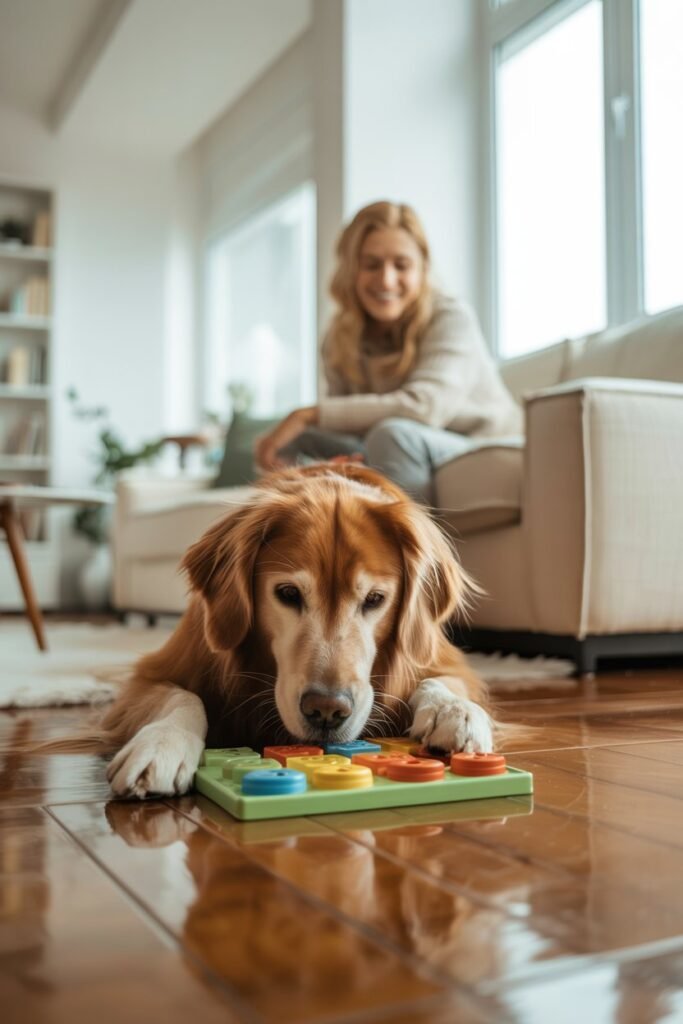
An under-exercised dog has excess energy that explodes during greetings.
Before I expected calm behavior, I made sure my dog had:
- Daily walks
- Mental enrichment
- Training sessions
- Puzzle toys
A tired brain jumps less.
Common Mistakes That Keep the Problem Alive
I made most of these myself.
1. Inconsistency
You ignore jumping today.
Tomorrow you pet them while they’re mid-air.
That resets progress.
2. Laughing
Laughing counts as attention.
3. Pushing Them Off
Physical contact can feel like play.
4. Allowing Jumping Sometimes
“Only when I’m wearing old clothes.”
Dogs don’t understand exceptions.
5. Getting Frustrated
Frustration increases arousal.
What About Jumping on Strangers During Walks?
This requires proactive management.
Here’s what worked for me:
- Keep distance.
- Ask for a sit before anyone approaches.
- If your dog breaks sit, step back.
- Reward heavily for calm behavior.
If someone says, “It’s okay, I love dogs!” I respond with:
“Thanks! We’re training — could you wait until he sits?”
Most people cooperate.
Your dog’s training matters more than a stranger’s moment of excitement.
How Long Does It Take?
With daily consistency:
- Improvement: 1–2 weeks
- Major change: 3–4 weeks
- Reliable behavior: 6–8 weeks
Regression can happen if consistency drops.
But it returns faster the second time.
When to Consider Professional Help
If your dog:
- Jumps aggressively
- Knocks people over
- Shows fear alongside excitement
- Cannot settle at all
Consider working with a certified trainer.
Look for positive reinforcement-based professionals.
Avoid anyone who recommends shock collars for basic excitement jumping.
The Emotional Side No One Talks About
At one point, I felt guilty.
Stopping jumping felt like suppressing joy.
But here’s what I realized:
Teaching boundaries is not punishment.
It’s clarity.
My dog is just as excited now when I come home.
He just sits while doing it.
And honestly?
That moment — when he vibrates with excitement but holds his sit — feels even better than the chaotic jumping ever did.
It’s controlled joy.
That’s powerful.
A Simple Daily Practice Plan
If you want structure, follow this:
Morning
- 5 minutes sit practice
- Reward calm behavior
Midday
- Mental enrichment toy
Evening
- Practice 3 fake “arrivals”
- Reward calm greetings
When guests visit
- Leash on
- Clear rules
- Calm energy
Consistency beats intensity.
Final Thoughts
Stopping a dog from jumping when excited isn’t about dominance.
It’s about communication.
It’s about showing your dog:
“I love your excitement. Let me teach you a safer way to show it.”
You don’t need force.
You don’t need intimidation.
You don’t need to crush their spirit.
You need patience, structure, and absolute consistency.
My dog still runs to the door when I get home.
His tail still goes wild.
His eyes still light up.
But now?
He sits.
And that small change transformed everything.