5 (Incredibly Easy) Dog Training Commands To Master in Just 14 Days
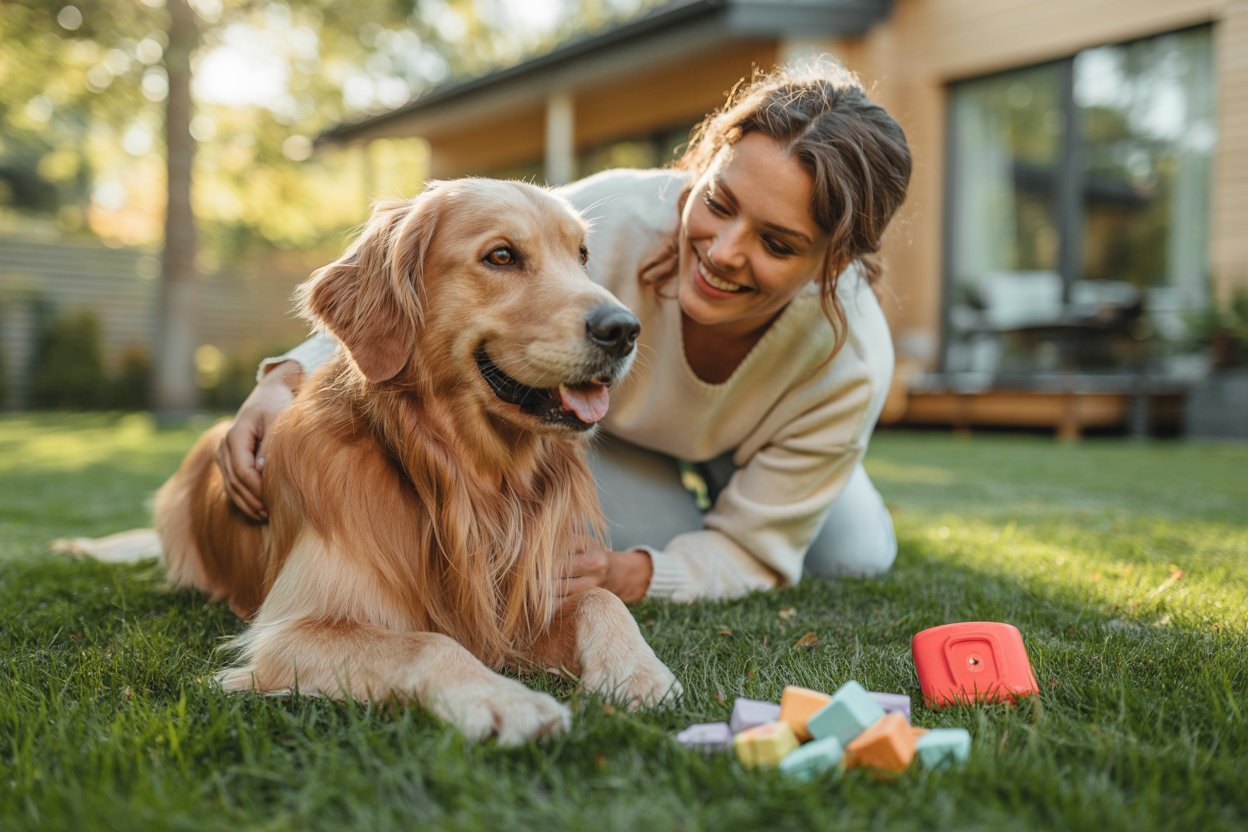
Training your dog does not have to feel overwhelming, time-consuming, or stressful. In fact, some of the most important commands your dog will ever learn are also the easiest to teach when you stay consistent and patient.
Whether you just brought home a playful puppy or you are trying to teach an older dog better manners, focusing on a few simple foundational commands can completely change daily life with your pup.
Basic training builds trust, improves communication, increases safety, and helps your dog feel more confident in different environments.
The best part? You do not need to spend hours every day working on obedience drills. Short, positive sessions done consistently can lead to huge progress in only two weeks.
This guide will walk you through five beginner-friendly dog training commands that are practical, effective, and surprisingly easy for most dogs to learn. You will also discover:
- Step-by-step training instructions
- Common mistakes to avoid
- Helpful reward tips
- A realistic 14-day training schedule
- Ways to make training fun and stress-free
By the end of these two weeks, your dog can have a much stronger understanding of basic obedience while also becoming calmer, more focused, and easier to manage in everyday situations.
Why Basic Dog Training Matters

Before jumping into the commands themselves, it helps to understand why these simple lessons are so important.
Dog training is not about controlling your dog or forcing perfect behavior. It is about communication. Your dog learns what you want, and you learn how your dog thinks and responds.
Basic training helps:
- Prevent dangerous situations
- Reduce jumping and pulling
- Improve behavior around guests
- Build confidence in shy dogs
- Strengthen your bond
- Make vet visits and grooming easier
- Create structure and routine
Many behavior problems actually come from confusion, boredom, or lack of guidance. Even just a few minutes of training each day gives your dog mental stimulation and clear expectations.
What You Need Before You Start Training

You do not need expensive equipment to teach these commands successfully.
Here are a few simple essentials:
- Soft training treats
- A leash
- A quiet training space
- Patience
- Consistency
- A happy tone of voice
Choose treats your dog truly loves. Tiny, soft treats usually work best because your dog can eat them quickly without interrupting training.
Keep sessions short:
- Puppies: 3–5 minutes
- Adult dogs: 5–10 minutes
Ending training while your dog is still excited keeps learning positive and fun.
Command 1: Sit
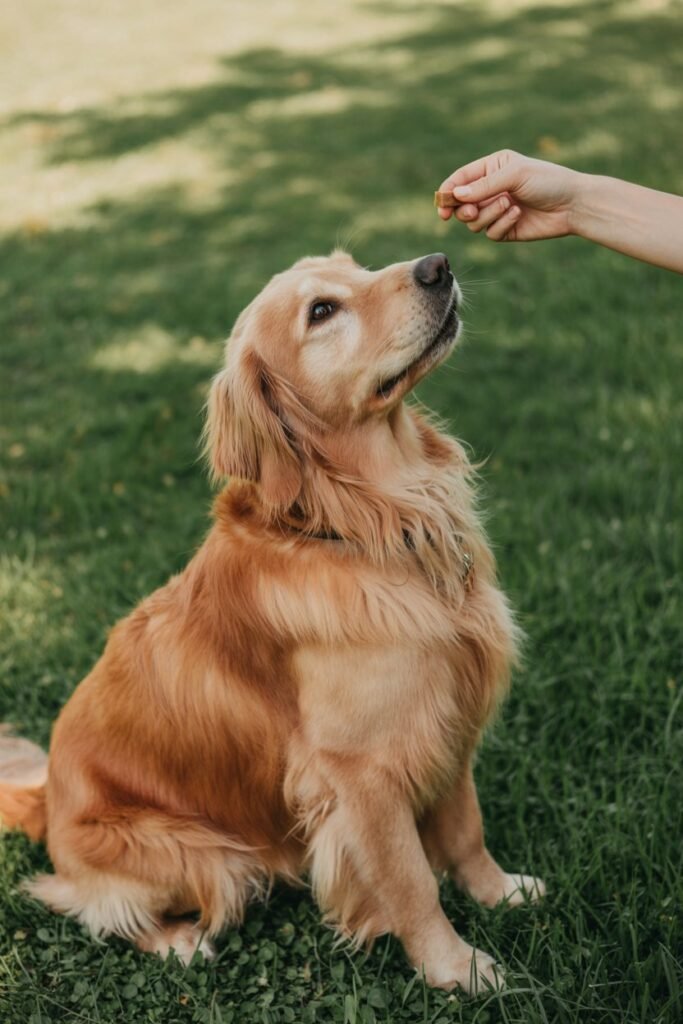
“Sit” is often the very first command dogs learn because it is simple, practical, and useful in countless everyday situations.
A dog who can sit calmly is easier to manage when:
- Greeting people
- Waiting for food
- Crossing streets
- Meeting other dogs
- Visiting the vet
- Taking photos
Why “Sit” Is So Important
Teaching your dog to sit creates self-control. Instead of jumping, spinning, or barking for attention, your dog learns to pause and focus on you.
This command becomes the foundation for many other training skills later on.
How To Teach “Sit”
Step 1: Get Your Dog’s Attention
Hold a treat close to your dog’s nose.
Step 2: Move the Treat Slowly Upward
As your dog follows the treat with their eyes and nose, their bottom will naturally lower toward the floor.
Step 3: Say “Sit”
The moment your dog’s bottom touches the ground, say “Sit” clearly.
Step 4: Reward Immediately
Give the treat right away along with praise like:
- “Good sit!”
- “Yes!”
- “Good job!”
Timing matters. Rewarding immediately helps your dog connect the action with the command.
Common Mistakes To Avoid
Repeating the Command Too Much
Avoid saying:
“Sit, sit, sit, sit!”
Instead, say it once clearly.
Pushing Your Dog Down
Never force your dog into position physically. This can create stress or resistance.
Training Too Long
Short sessions work better than long ones.
When To Practice “Sit”
Use real-life moments:
- Before meals
- Before walks
- Before opening doors
- Before tossing a toy
This helps your dog understand that calm behavior leads to rewards.
Command 2: Stay
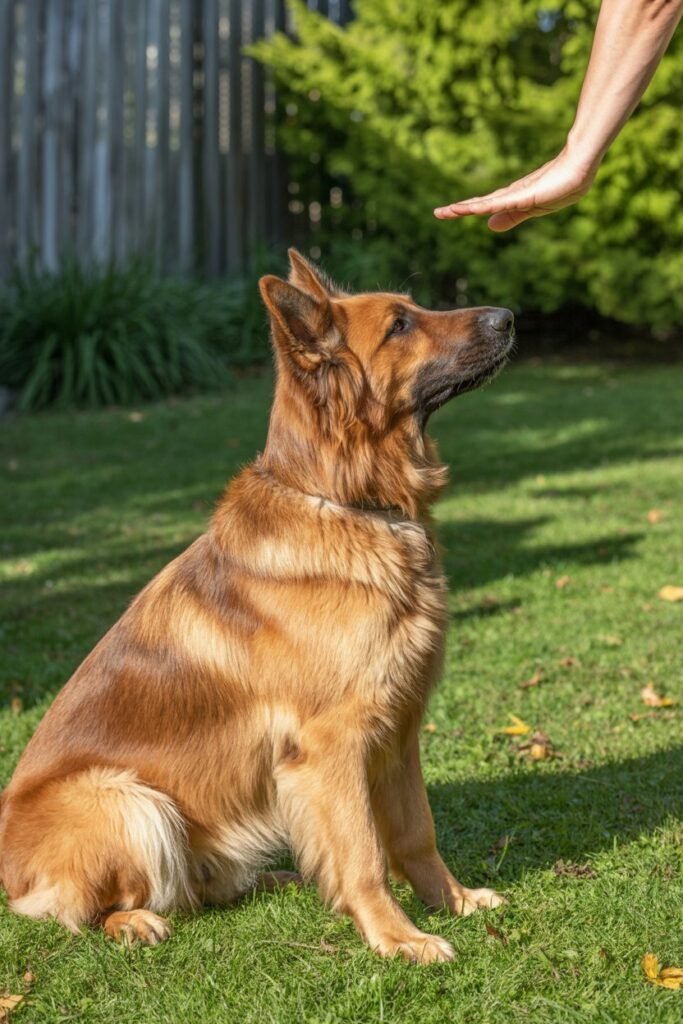
“Stay” teaches patience, focus, and impulse control. It can also keep your dog safe in dangerous situations.
A reliable “Stay” helps prevent:
- Running into traffic
- Jumping on guests
- Bolting through doors
- Chasing distractions
Even a few seconds of staying calmly can make a huge difference.
How To Teach “Stay”
Step 1: Ask Your Dog To Sit
Start with your dog in a sitting position.
Step 2: Hold Your Hand Out
Use a flat palm like a stop signal.
Step 3: Say “Stay”
Use a calm, confident voice.
Step 4: Take One Step Back
If your dog remains still, immediately return and reward them.
Step 5: Slowly Increase Distance
Gradually:
- Step farther away
- Increase duration
- Add distractions
Always build slowly.
A Helpful Training Secret
Return to your dog before rewarding them at first.
This prevents your dog from thinking they should get up to receive the treat.
Common Stay Training Problems
Your Dog Breaks Position Immediately
You may be moving too far too fast.
Go back to shorter distances and shorter times.
Your Dog Gets Frustrated
Keep sessions upbeat and rewarding.
Training should feel like a game, not a punishment.
Real-Life Ways To Use “Stay”
Practice during:
- Meal preparation
- Opening the front door
- Putting on the leash
- Greeting visitors
The more your dog practices in everyday life, the stronger the command becomes.
Command 3: Come
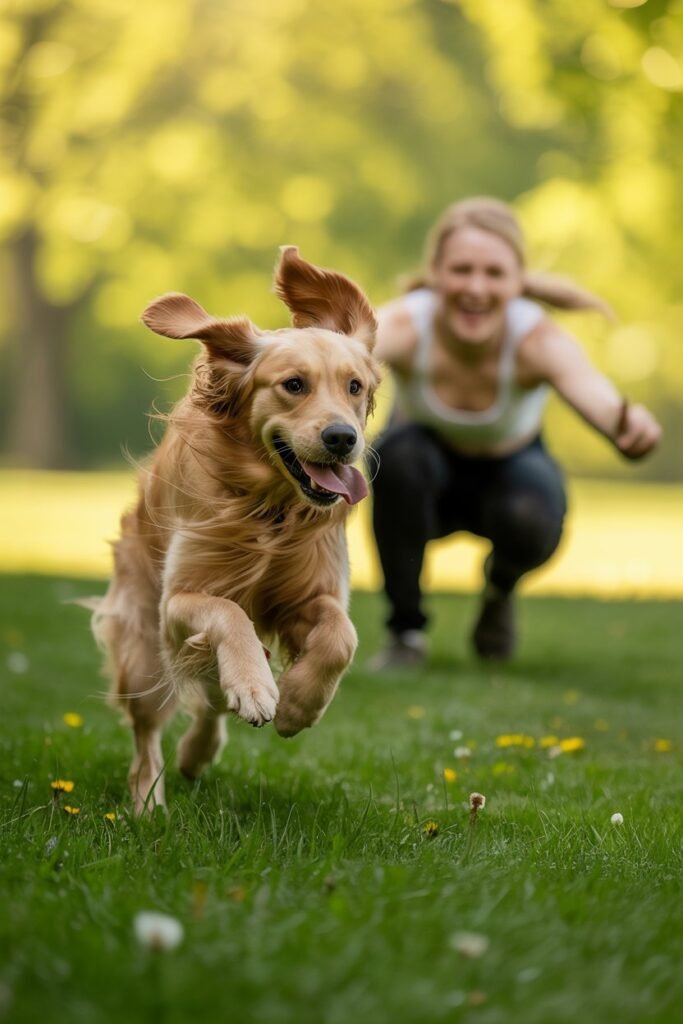
“Come” may be one of the most important commands your dog ever learns.
A strong recall can literally save your dog’s life.
If your dog slips out the door, escapes the yard, or gets distracted outdoors, a reliable “Come” can bring them back safely.
Why Many Dogs Ignore “Come”
Dogs often learn that “Come” predicts something unpleasant like:
- Bath time
- Leaving the park
- Nail trimming
- Ending playtime
To build a strong recall, your dog must believe coming to you is always rewarding.
How To Teach “Come”
Step 1: Start Indoors
Begin in a quiet room with few distractions.
Step 2: Move a Few Steps Away
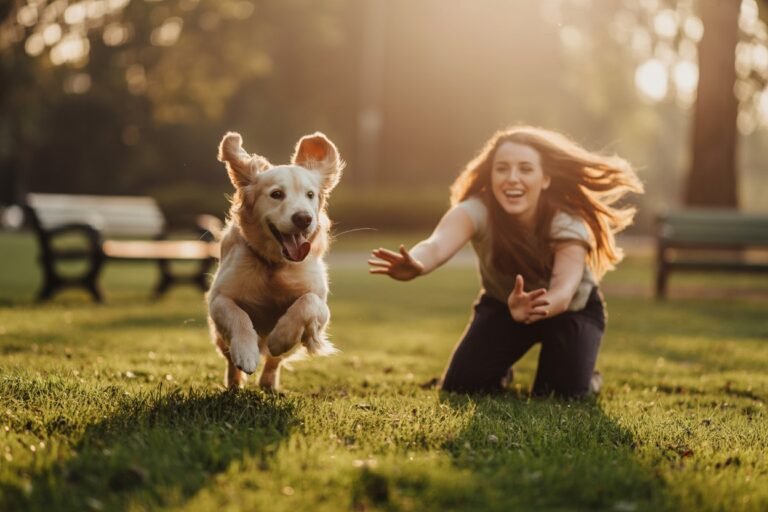
Crouch down and sound excited.
Step 3: Say “Come!”
Use a cheerful voice.
Step 4: Reward Big
When your dog reaches you:
- Give treats
- Offer praise
- Pet them affectionately
Make it feel exciting.
Turn Recall Into a Fun Game
Dogs learn faster when training feels playful.
Try:
- Running away playfully
- Hide-and-seek
- Calling between family members
These games build enthusiasm for returning to you.
Never Punish Your Dog After They Come
Even if your dog took forever to respond, avoid scolding once they finally return.
Punishment teaches dogs that coming to you is unsafe.
Always reward the return itself.
Ways To Strengthen Recall Outdoors
Once your dog improves indoors:
- Practice in the backyard
- Use a long leash
- Add mild distractions gradually
Avoid jumping straight into crowded parks too quickly.
Command 4: Leave It
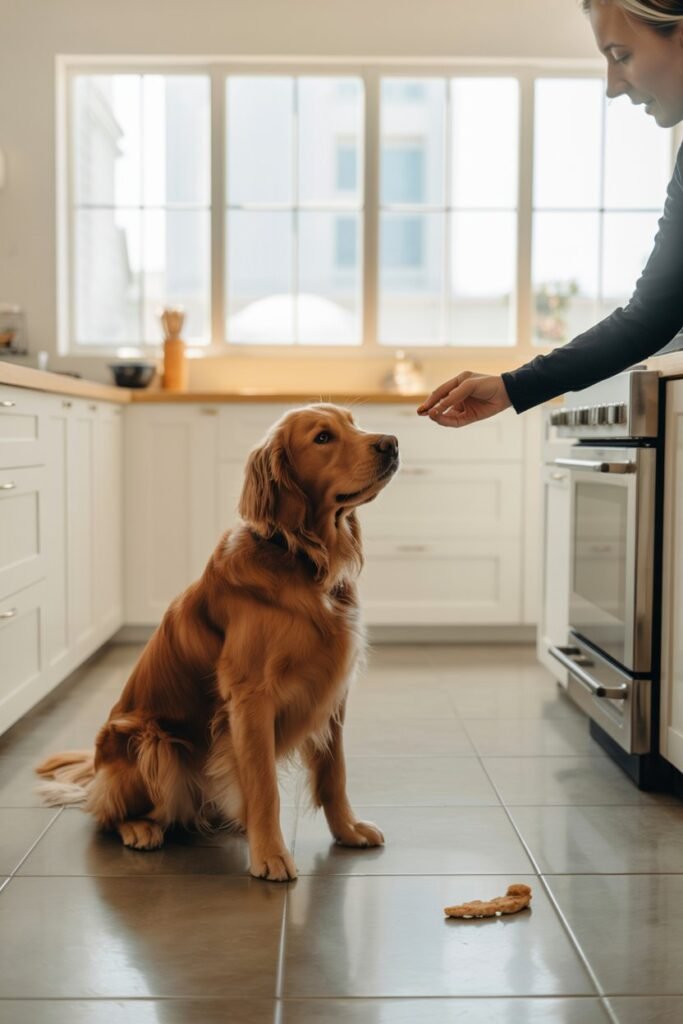
Dogs are naturally curious. Unfortunately, that curiosity sometimes leads them toward dangerous things.
“Leave It” teaches your dog to ignore something instead of grabbing it.
This command can prevent:
- Eating toxic foods
- Picking up trash
- Chasing dangerous objects
- Grabbing shoes or household items
It is one of the most practical commands you can teach.
How To Teach “Leave It”
Step 1: Hold a Treat in Your Closed Hand
Let your dog sniff it.
Your dog may:
- Paw
- Lick
- Nudge
- Sniff intensely
Stay patient and keep your hand closed.
Step 2: Wait for Your Dog To Back Away
The moment they stop trying to get the treat, say:
“Yes!”
Step 3: Reward With a Different Treat
Use your other hand to reward them.
This teaches:
Ignoring the item earns rewards.
Add the Verbal Command
Once your dog understands the idea:
- Say “Leave it”
- Present the item
- Reward when they disengage
Practice repeatedly in short sessions.
Increase Difficulty Slowly
Eventually practice with:
- Toys
- Food on the floor
- Outdoor distractions
Always work gradually.
Common Mistakes
Using “Leave It” Constantly
Avoid overusing the command for every little thing.
Moving Too Fast
If your dog keeps failing, lower the difficulty.
Success builds confidence.
Command 5: Down
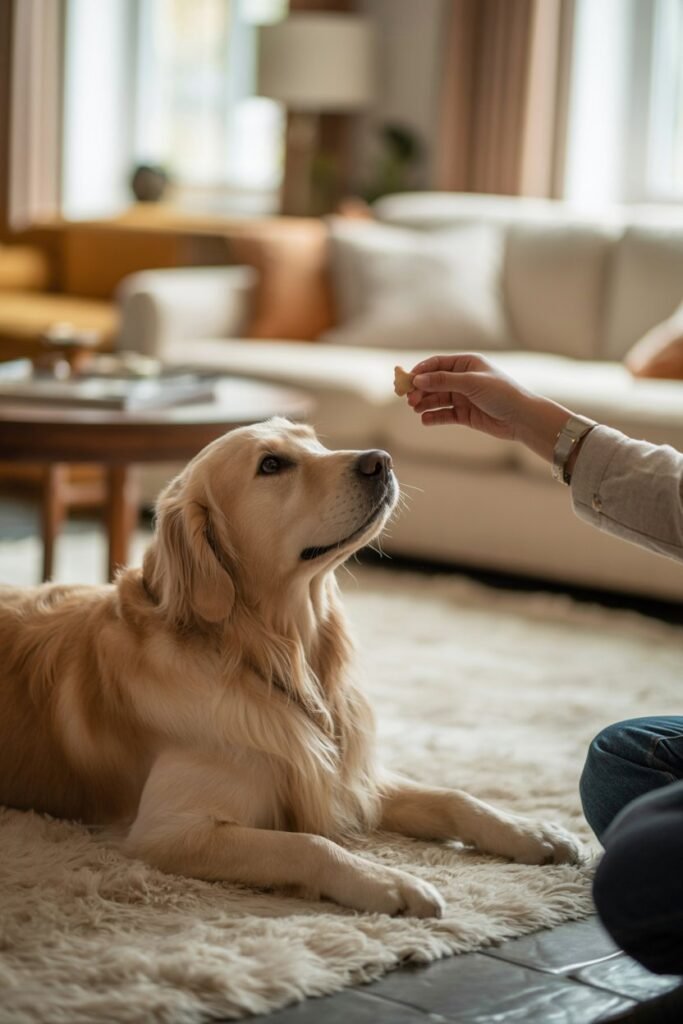
“Down” teaches your dog to relax and settle calmly.
This command is especially useful for:
- Hyper dogs
- Visitors arriving
- Calm public behavior
- Relaxing at home
It also encourages patience and emotional control.
How To Teach “Down”
Step 1: Start With Your Dog Sitting
Hold a treat near their nose.
Step 2: Lower the Treat Slowly
Move the treat toward the ground between their paws.
Step 3: Move the Treat Forward Slightly
As your dog follows the treat, they will naturally lower into a lying-down position.
Step 4: Say “Down”
The moment your dog lies down, reward immediately.
Make “Down” Comfortable
Some dogs dislike lying on slippery or hard floors.
Try practicing on:
- Rugs
- Grass
- Soft mats
- Carpets
Comfort can make learning easier.
Teaching Calmness Alongside “Down”
Once your dog understands the command, begin rewarding calm behavior while lying down.
This teaches relaxation, not just physical positioning.
The 14-Day Dog Training Plan
Here is a simple beginner-friendly schedule you can follow.
Days 1–3
Focus on:
- Sit
- Come
Keep sessions short and positive.
Days 4–6
Continue:
- Sit
- Come
Add:
- Stay
Begin with very short durations.
Days 7–9
Add:
- Leave It
Practice in different rooms.
Days 10–12
Add:
- Down
Start combining commands together.
Example:
- Sit
- Stay
- Come
Days 13–14
Practice all commands in:
- The yard
- Walks
- Slightly distracting environments
Celebrate progress rather than expecting perfection.
Tips To Make Dog Training Easier
Use Positive Reinforcement
Reward behaviors you want to see more often.
Positive reinforcement builds trust and confidence far better than punishment.
Stay Consistent
Use the same command words every time.
For example:
- Always say “Come”
- Not “Come here,” “Get over here,” and “Come on”
Consistency helps dogs learn faster.
End on a Positive Note
Finish sessions with success.
Even one good repetition is enough before ending training.
Keep Your Energy Calm and Happy
Dogs respond strongly to your tone and emotions.
Excited encouragement often works better than frustration.
Practice Daily
Five minutes every day is more effective than one long weekly session.
Consistency creates lasting habits.
Signs Your Dog Is Learning Successfully
You may notice:
- Faster responses
- More eye contact
- Better focus
- Less jumping
- Improved calmness
- More confidence
Progress may happen gradually, but small improvements matter.
What If Your Dog Is Struggling?
Every dog learns at a different pace.
Some dogs may need:
- More repetition
- Higher-value treats
- Shorter sessions
- Fewer distractions
Do not compare your dog to others.
Training is not a race.
When To Seek Professional Help
Basic training works well for many dogs, but professional guidance may help if your dog shows:
- Aggression
- Extreme fear
- Severe anxiety
- Resource guarding
- Dangerous behavior
A certified trainer can create a plan tailored to your dog’s needs.
Final Thoughts
Dog training does not need to feel complicated to be effective. These five simple commands create a strong foundation that can improve your dog’s behavior, safety, and confidence in everyday life.
The secret is not perfection. The secret is consistency, patience, and making training enjoyable for both you and your dog.
By practicing just a few minutes each day over the next 14 days, you may be surprised by how quickly your dog begins responding with more focus and understanding.
Small daily efforts truly add up.
And most importantly, every training session becomes another opportunity to strengthen the bond between you and your pup.