Here’s How Much Raw Dog Food To Feed Your Dog: A Complete Guide for Every Pet Parent
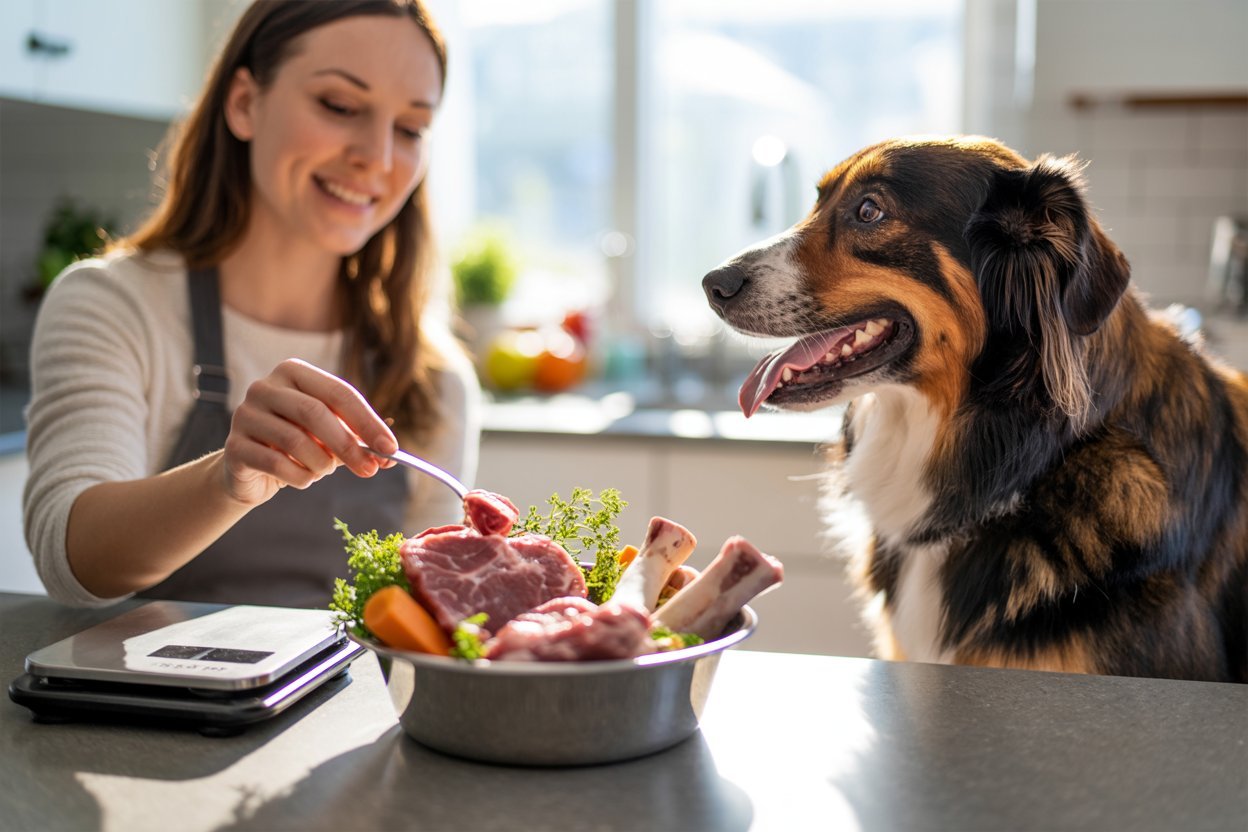
When I first switched my dog to a raw food diet, I thought choosing quality ingredients would be the hardest part. Surprisingly, the real challenge was figuring out how much food to put in the bowl each day.
Feed too little, and your dog may lose weight and energy. Feed too much, and you could end up with unwanted weight gain and digestive issues.
After plenty of research, conversations with experienced raw feeders, and careful observation of my own dog’s needs, I learned that feeding the right amount is just as important as feeding the right food.
This guide will walk you through exactly how much raw dog food to feed, how to calculate portions, and how to adjust meals based on your dog’s unique needs.
Why Feeding the Correct Amount Matters
A raw diet can offer many benefits, including improved digestion, healthier skin and coat, better muscle tone, and increased energy. However, these benefits depend heavily on proper portioning.
Feeding the correct amount helps:
- Maintain a healthy body weight
- Support muscle development
- Prevent obesity
- Improve digestion
- Ensure balanced nutrition
- Reduce the risk of nutrient deficiencies
- Keep energy levels stable
Unlike commercial kibble, raw feeding often requires more attention to portion sizes because every dog has unique nutritional requirements.
Understanding Raw Dog Food Basics
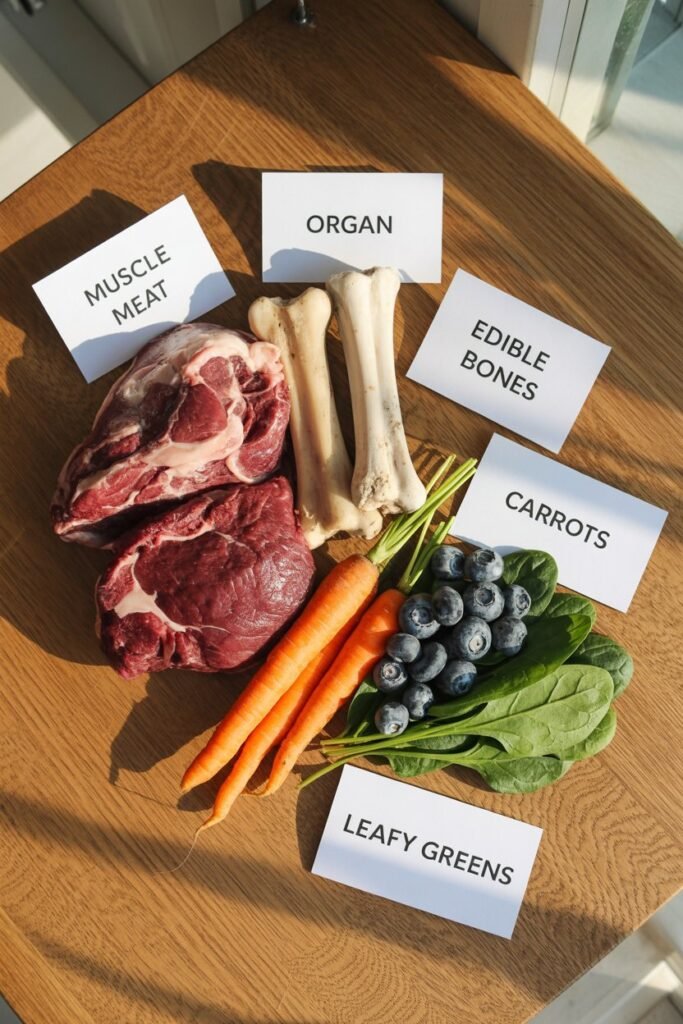
Raw feeding typically includes:
- Raw muscle meat
- Raw edible bones
- Organ meats
- Vegetables (optional)
- Fruits (optional)
- Supplements when necessary
Many raw feeders follow the popular 80/10/10 model:
- 80% muscle meat
- 10% edible bone
- 10% organs
- 5% liver
- 5% other secreting organs
Before determining how much to feed, it’s important to understand that portion sizes depend on your dog’s body weight, age, activity level, metabolism, and overall health.
Read Strawberry Oat Smoothie Sticks for Dogs – Easy No-Bake Frozen Treats
The General Rule for Adult Dogs
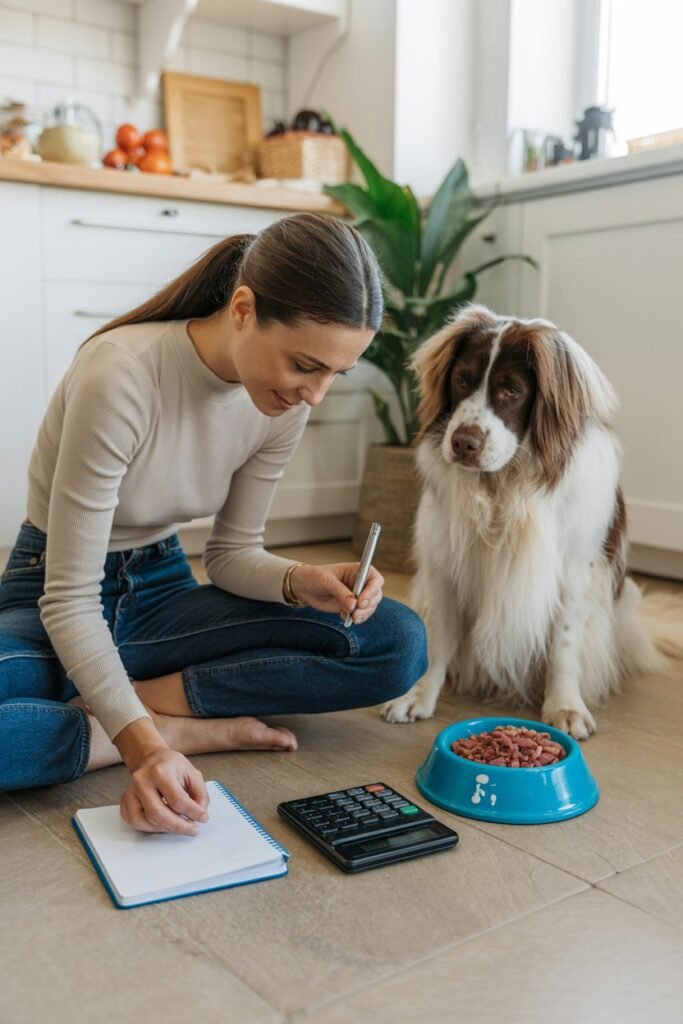
Most healthy adult dogs eat between:
2% to 3% of their ideal body weight per day
This serves as the foundation for calculating daily raw food portions.
Formula
Daily Food Amount = Ideal Body Weight × Feeding Percentage
Example 1
Dog Weight: 50 pounds
Feeding Rate: 2%
50 × 0.02 = 1 pound per day
This dog would eat approximately:
- 16 ounces
- 454 grams
- 1 pound of raw food daily
Example 2
Dog Weight: 80 pounds
Feeding Rate: 2.5%
80 × 0.025 = 2 pounds daily
This dog would need approximately:
- 32 ounces
- 907 grams
- 2 pounds of raw food per day
Raw Feeding Chart by Weight
Use this chart as a starting point.
| Dog Weight | 2% Feeding Rate | 2.5% Feeding Rate | 3% Feeding Rate |
|---|---|---|---|
| 10 lbs | 3.2 oz | 4 oz | 4.8 oz |
| 20 lbs | 6.4 oz | 8 oz | 9.6 oz |
| 30 lbs | 9.6 oz | 12 oz | 14.4 oz |
| 40 lbs | 12.8 oz | 16 oz | 19.2 oz |
| 50 lbs | 16 oz | 20 oz | 24 oz |
| 60 lbs | 19.2 oz | 24 oz | 28.8 oz |
| 70 lbs | 22.4 oz | 28 oz | 33.6 oz |
| 80 lbs | 25.6 oz | 32 oz | 38.4 oz |
| 90 lbs | 28.8 oz | 36 oz | 43.2 oz |
| 100 lbs | 32 oz | 40 oz | 48 oz |
Remember that these numbers are starting guidelines rather than strict rules.
How Activity Level Affects Portion Size
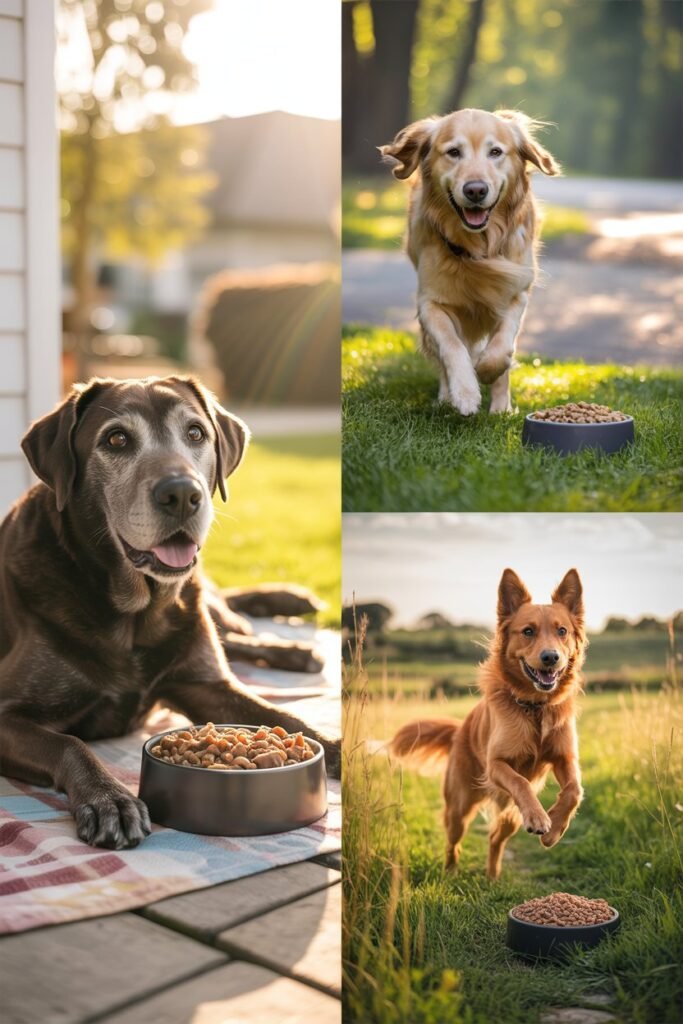
Not every dog burns calories at the same rate.
Low Activity Dogs
These dogs spend most of the day indoors and get minimal exercise.
Examples include:
- Senior dogs
- Less active breeds
- Dogs recovering from illness
Recommended feeding:
- 1.5% to 2% of body weight
Moderately Active Dogs
These dogs enjoy regular walks and playtime.
Examples include:
- Family pets
- Most adult dogs
Recommended feeding:
- 2% to 3% of body weight
Highly Active Dogs
Working and athletic dogs require significantly more calories.
Examples include:
- Herding dogs
- Hunting dogs
- Agility competitors
- Sporting breeds
Recommended feeding:
- 3% to 5% of body weight
Some extremely active working dogs may require even more.
How Much Raw Food Should Puppies Eat?
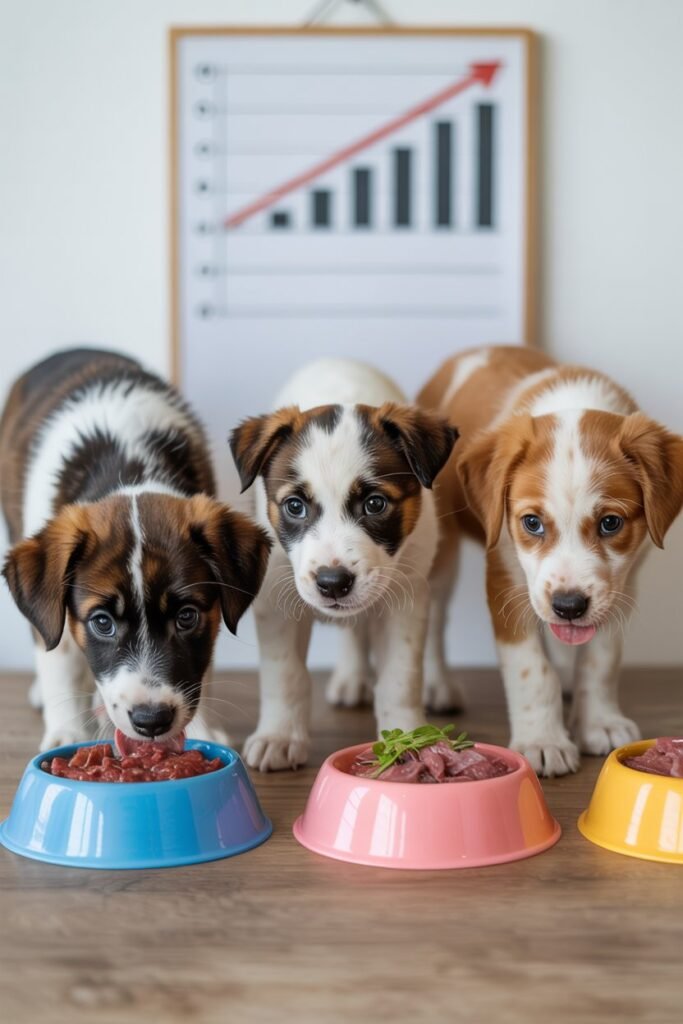
Puppies have different nutritional needs because they are growing rapidly.
Instead of calculating from their current body weight, many raw feeders calculate based on expected adult weight.
General Puppy Guidelines
8 to 12 Weeks
Feed approximately:
- 8% to 10% of current body weight
Meals per day:
- 4 meals
3 to 6 Months
Feed approximately:
- 6% to 8% of body weight
Meals per day:
- 3 meals
6 to 12 Months
Feed approximately:
- 4% to 6% of body weight
Meals per day:
- 2 to 3 meals
12 Months and Older
Transition to adult feeding percentages.
Feeding Raw Food to Senior Dogs
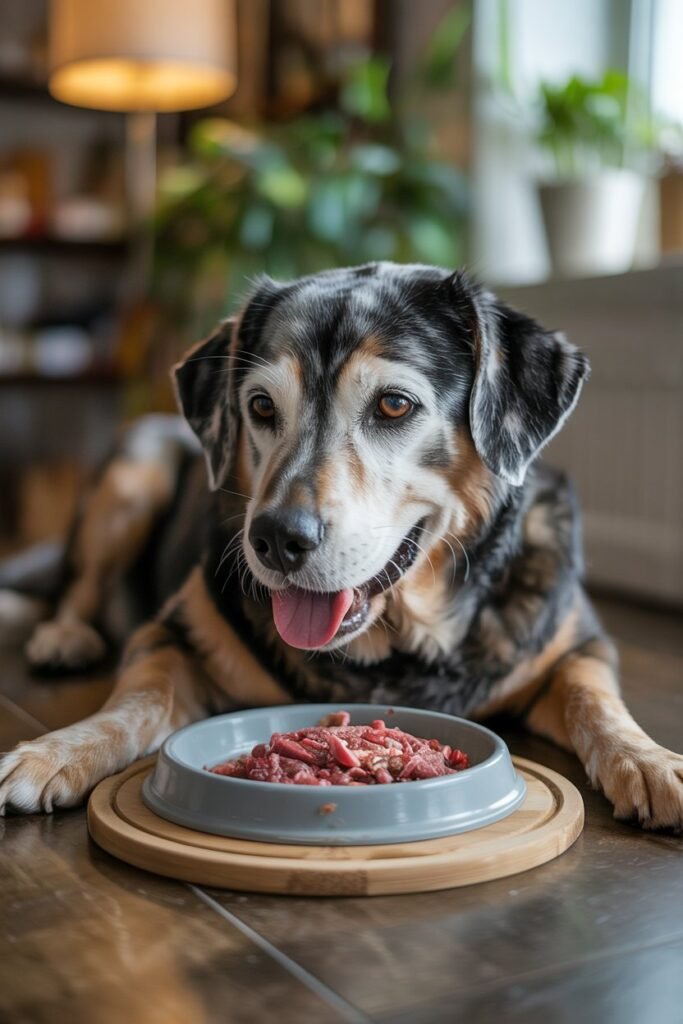
Senior dogs often need adjustments based on:
- Lower activity levels
- Slower metabolism
- Medical conditions
- Weight changes
Many seniors thrive on:
- 1.5% to 2.5% of body weight
However, some active senior dogs still require amounts similar to younger adults.
Always monitor:
- Weight
- Mobility
- Appetite
- Muscle condition
Read No-Bake Peanut Butter & Oatmeal Dog Treats – 3-Ingredient Healthy Bites
Determining Your Dog’s Ideal Weight
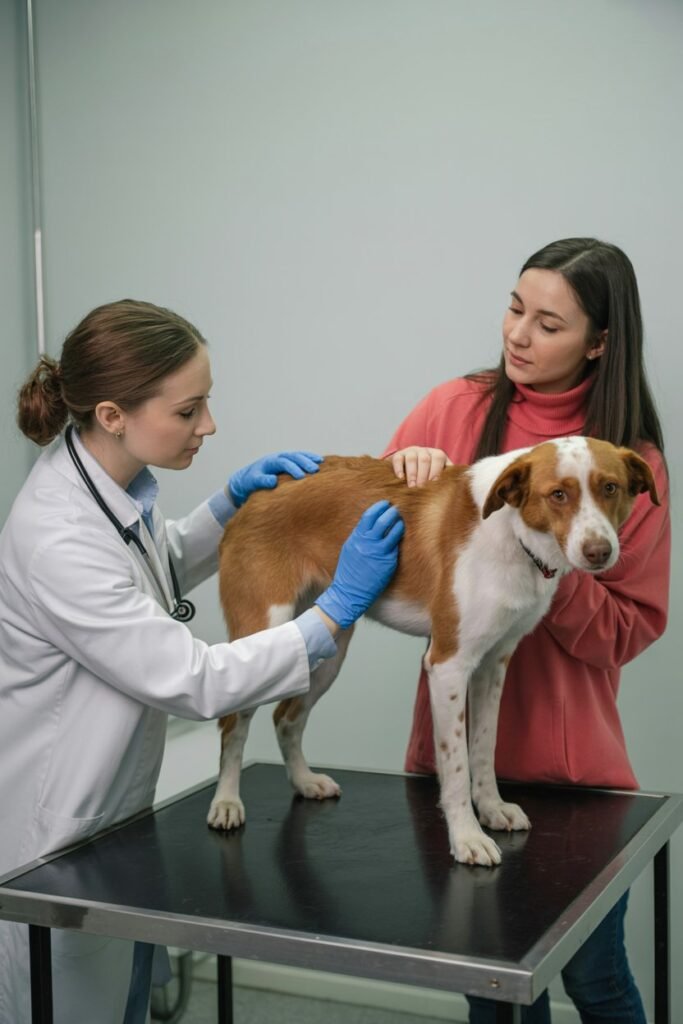
One of the biggest mistakes pet parents make is calculating food based on an overweight dog’s current weight.
Instead, use your dog’s ideal weight.
Signs Your Dog Is at a Healthy Weight
You should be able to:
- Feel the ribs easily
- See a noticeable waistline
- Observe a tucked abdomen
- Feel muscle without excessive fat
Signs Your Dog May Be Overweight
- No visible waist
- Difficulty feeling ribs
- Excess fat deposits
- Reduced stamina
If your dog is overweight, feed based on the target weight rather than the current weight.
How to Transition to Raw Food Safely
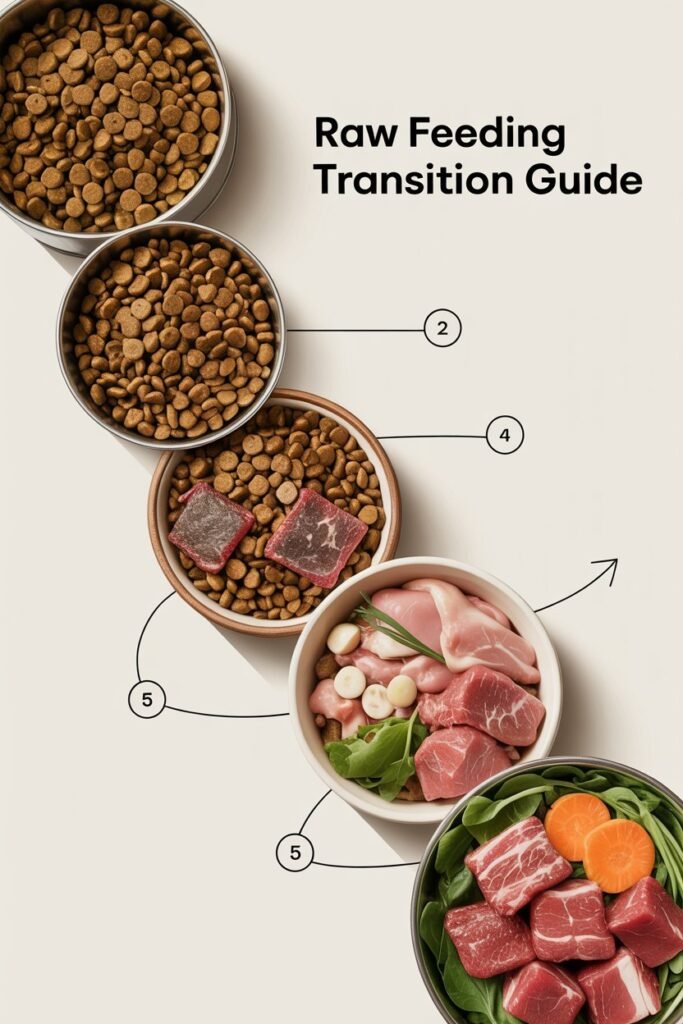
Switching from kibble to raw should be done carefully.
Method 1: Gradual Transition
Week 1:
- 25% raw
- 75% current food
Week 2:
- 50% raw
- 50% current food
Week 3:
- 75% raw
- 25% current food
Week 4:
- 100% raw
Method 2: Cold Turkey Transition
Some healthy dogs transition immediately.
This approach is often used with:
- Young healthy dogs
- Dogs with strong digestive systems
Monitor for:
- Loose stools
- Constipation
- Vomiting
- Changes in appetite
Read Green Bean Crunchies for Dogs – Healthy, Low-Calorie Treats for Happy Pups
Monitoring Your Dog After Switching to Raw
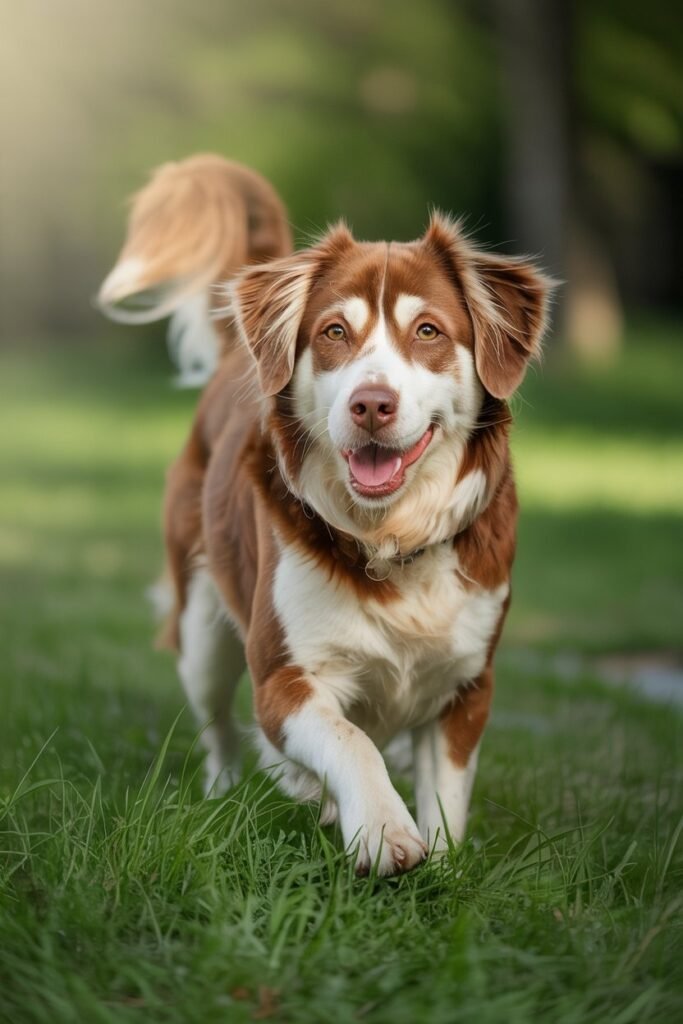
The scale doesn’t tell the entire story.
Pay attention to:
Body Condition
Look for:
- Defined waist
- Good muscle tone
- Healthy posture
Energy Levels
Many dogs become:
- More energetic
- More playful
- More engaged
Stool Quality
Healthy raw-fed dogs often produce:
- Smaller stools
- Firmer stools
- Less odor
Coat Condition
Benefits often include:
- Increased shine
- Reduced shedding
- Softer fur
Signs You’re Feeding Too Much
Overfeeding can happen easily, especially when owners enjoy treating their dogs.
Watch for:
- Weight gain
- Loss of waistline
- Larger stools
- Reduced activity
- Excessive fat covering the ribs
If this occurs:
- Reduce daily portions by 10%
- Reevaluate after 2 to 4 weeks
Signs You’re Feeding Too Little
Underfeeding can also create problems.
Look for:
- Visible ribs
- Weight loss
- Muscle loss
- Constant hunger
- Low energy
In these cases:
- Increase food by 10%
- Monitor body condition closely
How Often Should You Feed Raw Dog Food?
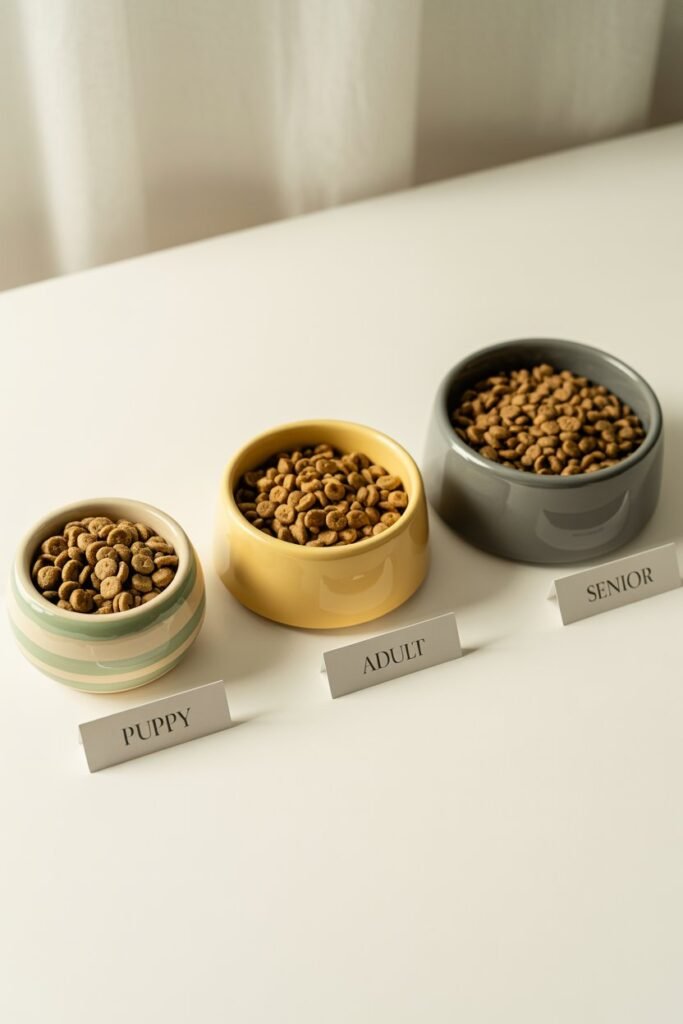
Puppies
- 3 to 4 meals daily
Adult Dogs
Most dogs do well with:
- 2 meals daily
Some dogs thrive on:
- 1 meal daily
Senior Dogs
Usually:
- 2 smaller meals daily
Multiple meals may support digestion and energy levels.
Factors That Influence Daily Food Requirements
No feeding chart can account for every dog.
Important factors include:
Breed
Some breeds naturally burn more calories.
Examples:
- Border Collies
- Australian Shepherds
- Belgian Malinois
Others may require fewer calories.
Examples:
- Bulldogs
- Basset Hounds
- Great Danes
Age
Younger dogs generally require more calories than seniors.
Metabolism
Some dogs naturally maintain weight on less food.
Others seem to need larger portions despite similar activity levels.
Climate
Dogs living in cold environments often burn more calories to maintain body temperature.
Health Conditions
Certain medical issues can affect calorie needs significantly.
Common Raw Feeding Mistakes
Following Charts Too Strictly
Charts provide a starting point.
Your dog’s body condition matters more.
Ignoring Weight Changes
Regularly monitor:
- Weight
- Waistline
- Energy levels
Overfeeding Treats
Treats count toward daily calories.
Skipping Organs
Organ meats provide essential nutrients.
Feeding Unbalanced Meals
Balance matters more than perfection at every meal.
Aim for balance over time.
Helpful Tools for Measuring Raw Food Portions
Consider using:
- Digital kitchen scale
- Food storage containers
- Portion bags
- Meal prep trays
A kitchen scale is one of the most valuable tools for accurate feeding.
Guessing portion sizes often leads to overfeeding or underfeeding.
Sample Daily Feeding Plans
25-Pound Adult Dog
Daily Amount:
Approximately 10 ounces
Example:
- 8 oz muscle meat
- 1 oz edible bone
- 1 oz organs
50-Pound Adult Dog
Daily Amount:
Approximately 20 ounces
Example:
- 16 oz muscle meat
- 2 oz edible bone
- 2 oz organs
75-Pound Active Dog
Daily Amount:
Approximately 30 ounces
Example:
- 24 oz muscle meat
- 3 oz edible bone
- 3 oz organs
Frequently Asked Questions
Can I Feed My Dog Raw Food Once Per Day?
Yes, some adult dogs do well on one meal daily. However, most owners find two meals easier for digestion and portion control.
Should I Feed Based on Current Weight or Ideal Weight?
Ideal weight is usually the better option, especially for overweight dogs.
Do Raw-Fed Dogs Eat Less Than Kibble-Fed Dogs?
Often yes. Raw food tends to be more nutrient-dense and biologically appropriate, which may result in smaller serving sizes.
What If My Dog Is Always Hungry?
First evaluate:
- Activity level
- Weight
- Body condition
Some dogs naturally appear hungry even when receiving adequate calories.
How Long Does It Take to Find the Right Portion?
Most owners need several weeks of observation and minor adjustments before finding the perfect daily amount.
Final Thoughts
Determining how much raw dog food to feed doesn’t have to feel overwhelming. While feeding charts and percentage guidelines provide an excellent starting point, your dog’s body condition, energy level, age, and lifestyle ultimately tell the real story.
Start with the recommended percentage based on your dog’s ideal weight, monitor changes carefully, and make small adjustments as needed.
Every dog is unique, and the perfect portion is the one that keeps your companion lean, energetic, healthy, and thriving.
With patience and observation, you’ll quickly gain confidence in feeding the right amount and giving your dog the balanced nutrition they deserve every single day.