Backyard Dog Potty Area Ideas: Creating a Space Your Pup (and Your Lawn) Will Love
My golden retriever, Daisy, taught me the hard way that a backyard without a designated potty spot is basically an invitation for brown patches, muddy paw prints on the patio, and that not-so-lovely smell that greets you the moment you open the back door on a warm afternoon.
It took me two ruined flower beds, one very confused landscaper, and a whole lot of trial and error before I finally figured out how to create a potty area that Daisy actually preferred to use over the rest of my yard. Now that I’ve cracked the code, I’m sharing everything I learned so you don’t have to sacrifice your hydrangeas the way I did.
Why You Need a Designated Dog Potty Area
Before we dive into the fun stuff (materials, layout, decor yes, decor!), let’s talk about why this little project is worth your weekend.
Dog urine contains nitrogen, which in small amounts can actually green up grass, but in the concentrated spots where your dog repeatedly goes, it burns the lawn and leaves those unmistakable yellow rings.
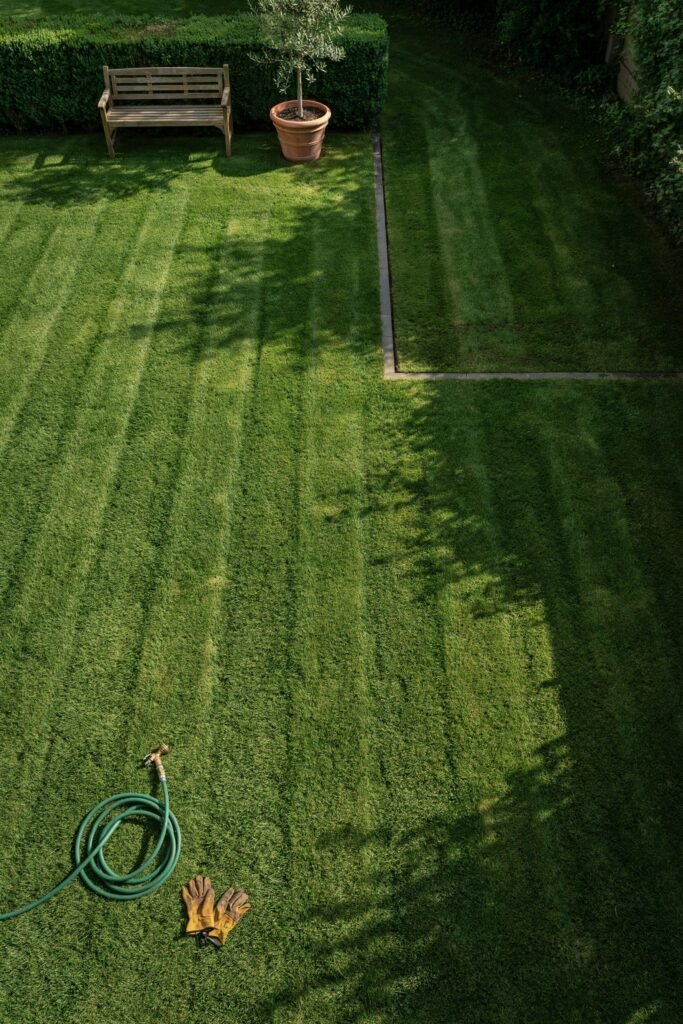
Multiply that by daily visits, and you’ve got a yard that looks more like a crop circle experiment than the lush green space you pictured when you moved in.
A designated potty area solves this in a few beautiful ways:
- It protects the rest of your lawn. Concentrating the damage in one spot means the rest of your grass stays green, even, and Instagram-worthy.
- It makes cleanup infinitely easier. When your dog has one go-to zone, you know exactly where to look, which means faster scooping and a cleaner yard overall.
- It speeds up potty training. Dogs are creatures of habit and scent. Once they associate a specific area with bathroom time, they’ll gravitate there naturally, especially if you reinforce it consistently.
- It reduces odor buildup in high-traffic zones. Nobody wants their patio or play area smelling like a kennel. Keeping potty business contained keeps the rest of your outdoor space fresh and welcoming.
Honestly, once I set up Daisy’s spot, I felt like I’d unlocked a secret level of dog ownership. It’s one of those small investments that pays off every single day.
Choosing the Right Location
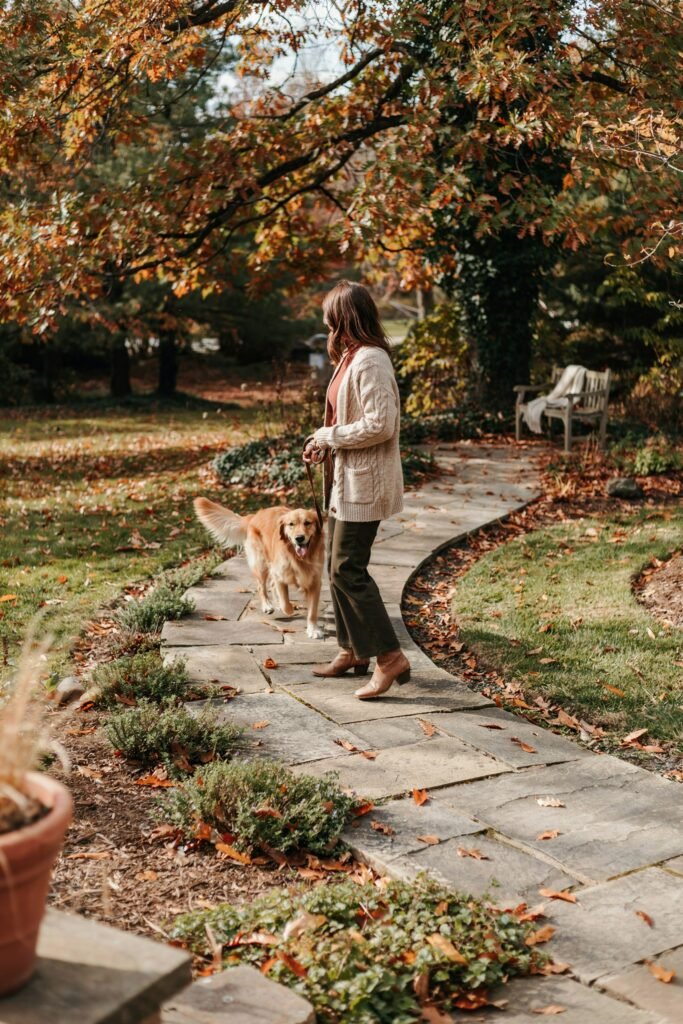
This is where I made my first mistake. I initially put Daisy’s potty area right next to my back porch because it seemed convenient. Big mistake. The smell wafted straight into my kitchen every time I opened a window. Lesson learned: convenience matters, but so does placement.
Here’s what I now recommend when scouting the perfect spot:
Consider wind direction. Pay attention to which way the breeze typically blows through your yard and position the potty area downwind from your patio, deck, or any windows you keep open often.
Choose a spot with decent drainage. Low-lying areas that collect water after rain will turn into a muddy, smelly mess. Look for slightly elevated or well-draining ground, or plan to improve drainage with the materials we’ll talk about below.
Think about sun exposure. A spot with partial shade helps control odor, since bacteria multiply faster in direct heat. It’s also more comfortable for your pup, especially during summer months when hot surfaces like concrete or gravel can become uncomfortable underfoot.
Keep it away from vegetable gardens or edible plants. This one’s just good hygiene. Urine and feces near food crops can introduce bacteria you don’t want anywhere near your dinner table.
Make it easily accessible. If your dog has to trek across the entire yard or navigate obstacles to reach the potty area, they may just go somewhere closer and more convenient instead. A path with a clear, short route from the door works best, especially for late-night bathroom breaks or rainy day dashes.
Picking the Perfect Ground Material
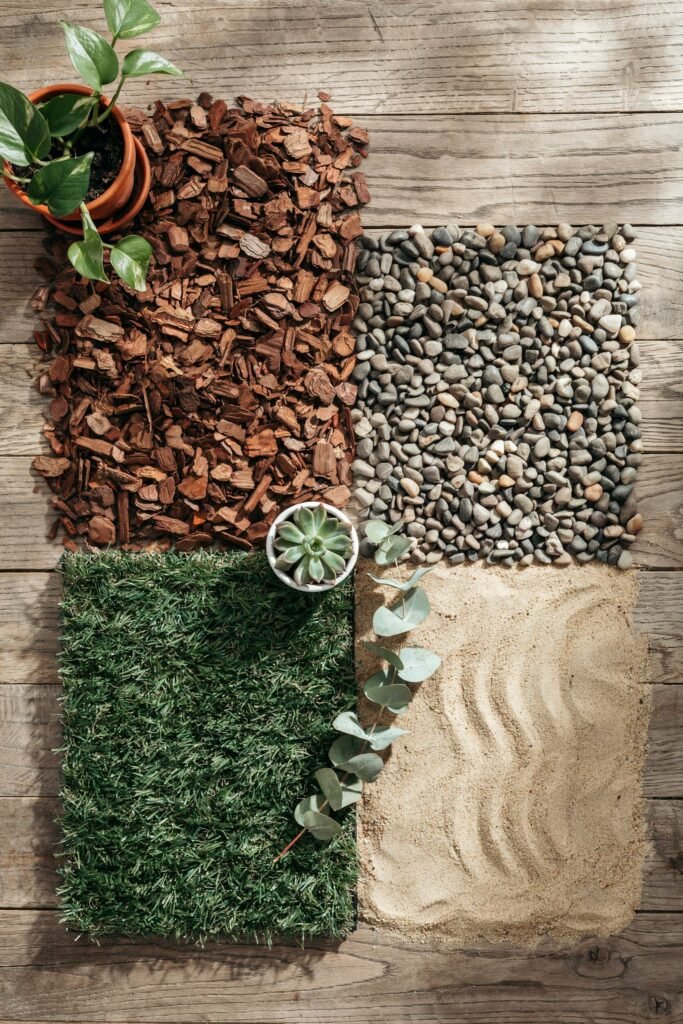
This is honestly the heart of the whole project, and there are more options than I ever expected when I started researching. Each one has its own personality, so to speak, and the right choice really depends on your dog’s habits, your climate, and how much maintenance you’re willing to do.
Mulch
Mulch is a soft, natural-looking option that’s gentle on paws and does a decent job of absorbing moisture. I love the earthy look it gives a potty area, almost like a little woodland corner of the yard.
However, regular wood mulch can hold onto odors over time and needs to be replaced every few months. If you go this route, look specifically for cedar mulch. Cedar has natural oils that help repel odors and even act as a mild insect deterrent, which is a lovely bonus during bug season.
Pea Gravel
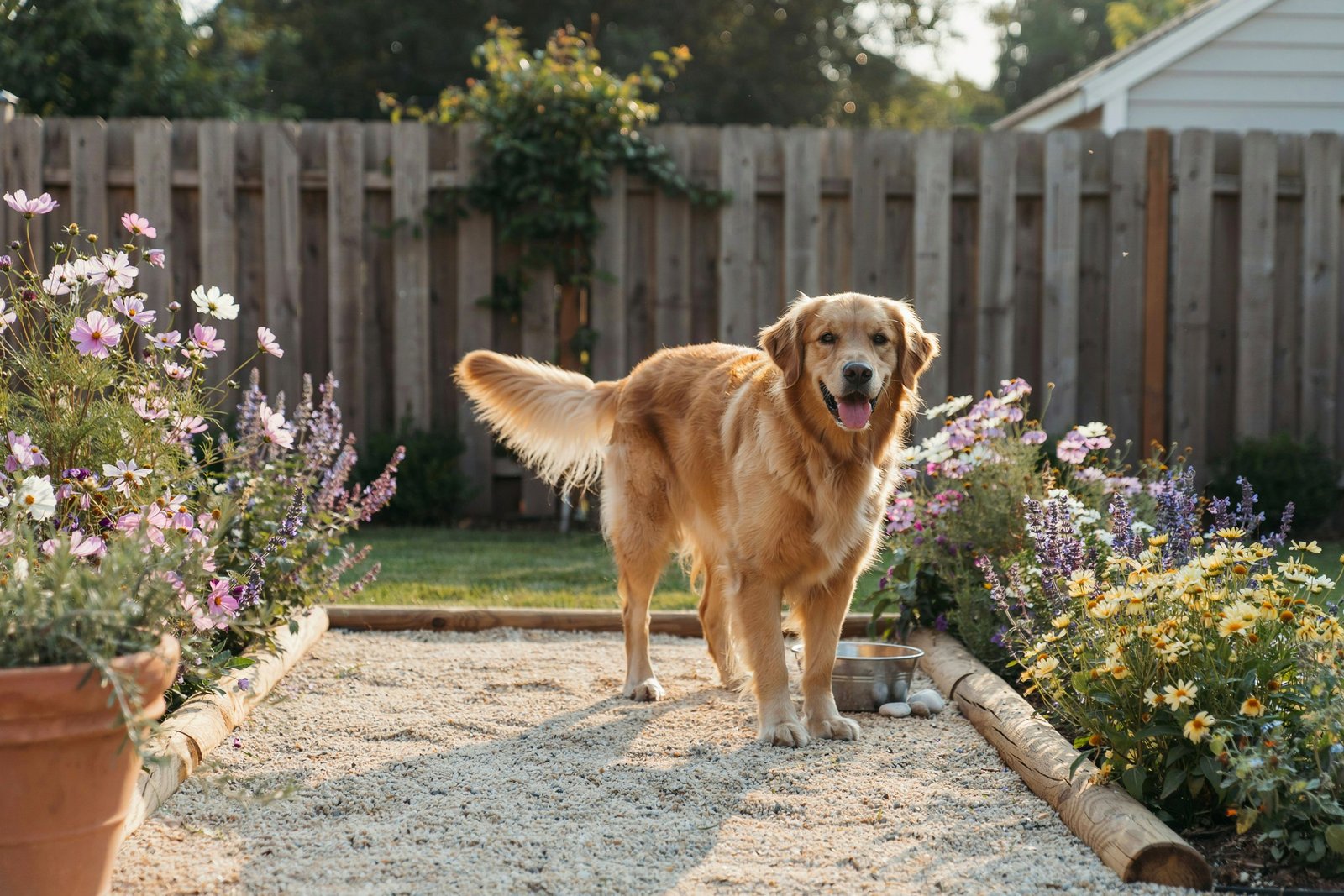
Pea gravel is one of the most popular choices, and after switching Daisy’s area to it, I completely understand why. It’s small, smooth, and rounded, so it’s comfortable on paws, and it drains beautifully.
Urine passes right through without pooling, and solid waste is easy to spot and scoop. The only downside is that gravel can shift over time and needs occasional topping off, plus it should be hosed down periodically to keep odors at bay.
Artificial Turf
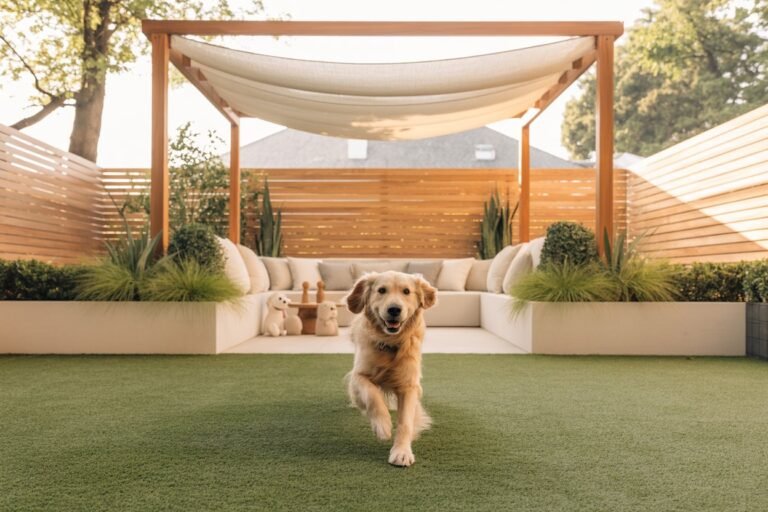
If you want the look of a real lawn without the maintenance headaches, artificial turf designed specifically for pets is a fantastic option.
These products are built with drainage holes and antimicrobial backing, so liquid flows through to a base layer below rather than sitting on the surface. It stays green year-round, feels soft underfoot, and honestly looks gorgeous.
The investment upfront is higher than gravel or mulch, but many dog owners find the low maintenance worth every penny.
Sand
Sand is another good draining option, and many dogs seem to genuinely enjoy the texture. It’s soft, doesn’t get muddy, and solid waste is easy to remove since it doesn’t stick the way it can on grass or mulch.
The tradeoff is that sand can track into the house on paws, so a good doormat or paw-wiping routine nearby is a smart pairing.
Grass (Real or Synthetic Patches)
Some pups simply prefer real grass, and that’s okay too. If you want to keep a small patch of natural lawn dedicated as the potty zone, consider grass varieties bred for durability, like Bermuda or a pet-specific turf blend, and commit to regular watering to dilute urine and prevent burn spots.
Designing a Space That Feels Intentional, Not Like an Afterthought
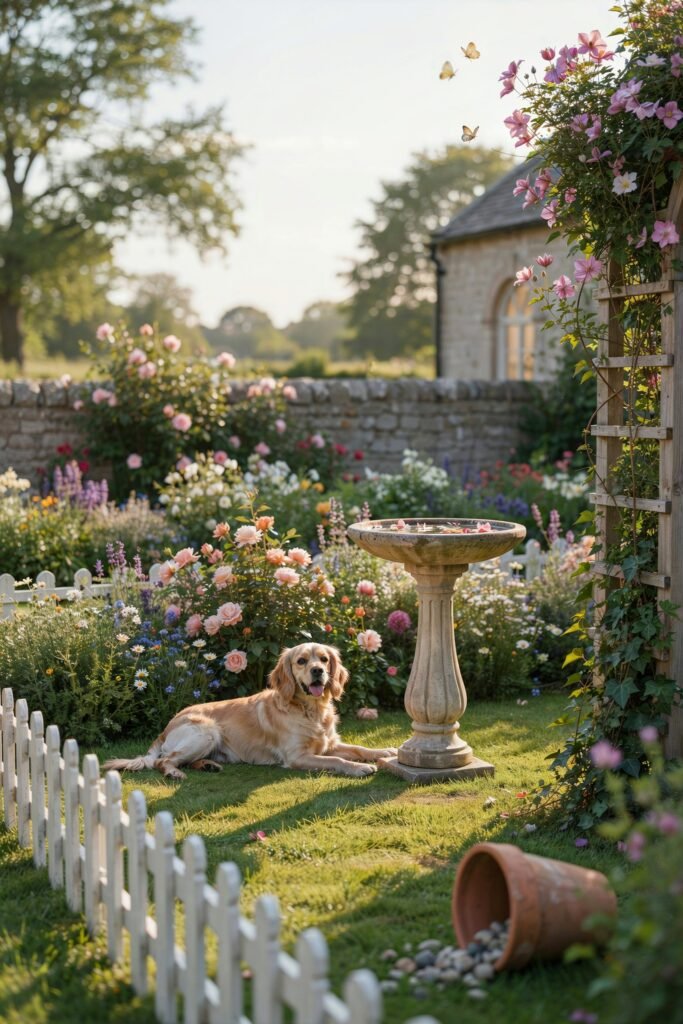
Here’s the part that really turned this project from a chore into something I actually enjoyed: making the space pretty. There’s no rule that says a dog potty area has to look like a sad, neglected corner of your yard. With a little creativity, it can be a charming little feature.
Add a decorative border. A low picket fence, some smooth river rocks, or even a row of pet-safe shrubs can visually separate the potty zone from the rest of your landscaping while giving it a finished, intentional look.
Include a focal point. I added a cute little birdbath near Daisy’s area (far enough that it doesn’t attract too much attention from her), and it makes the whole corner feel like a designed feature rather than a utilitarian necessity.
Use vertical interest. A trellis with climbing, pet-safe vines like clematis can soften the look of a fence line and add a romantic, garden-like feel to the space.
Consider a marker post or fire hydrant statue. These little accents are playful and give male dogs a natural spot to aim for, which can help with training consistency.
Add pathway stones leading to the area. This small detail makes the space feel like a designed part of your landscape rather than a random patch, and it also keeps your dog’s paws (and your shoes) drier on rainy days.
Read Dog Shampoo Recipe That Kills Fleas (Safe, Natural & Effective)
Pet-Safe Plants to Frame the Area
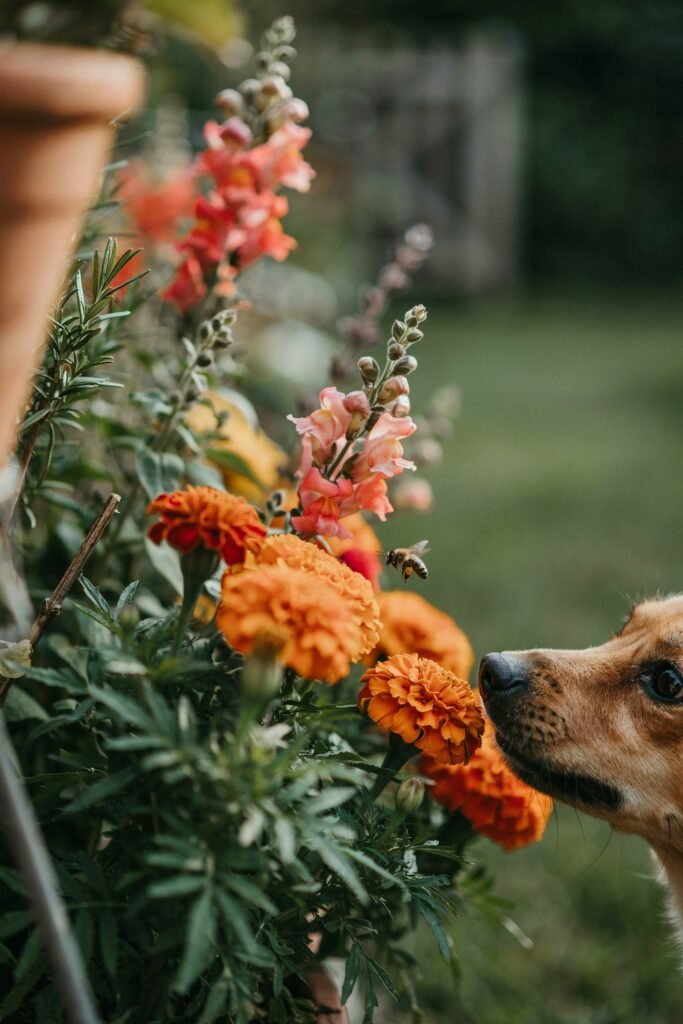
I’m a plant lover through and through, so I wasn’t about to give up greenery just because I needed a potty zone. Thankfully, there are plenty of dog-safe plants that can beautifully frame the space without posing any health risks if your curious pup decides to take a nibble.
Some lovely options include:
- Snapdragons for cheerful pops of color
- Sunflowers for height and a sunny, whimsical feel
- Rosemary as a fragrant, hardy border that also helps mask odor
- Marigolds which are pet-safe and naturally repel some insects
- Camellias for a soft, romantic touch if you’re in a warmer climate
Always double check any plant against the ASPCA’s list of toxic and non-toxic plants before adding it near your dog’s space, since some popular garden favorites like azaleas, lilies, and sago palms are actually quite dangerous for pets.
Odor Control Tips That Actually Work
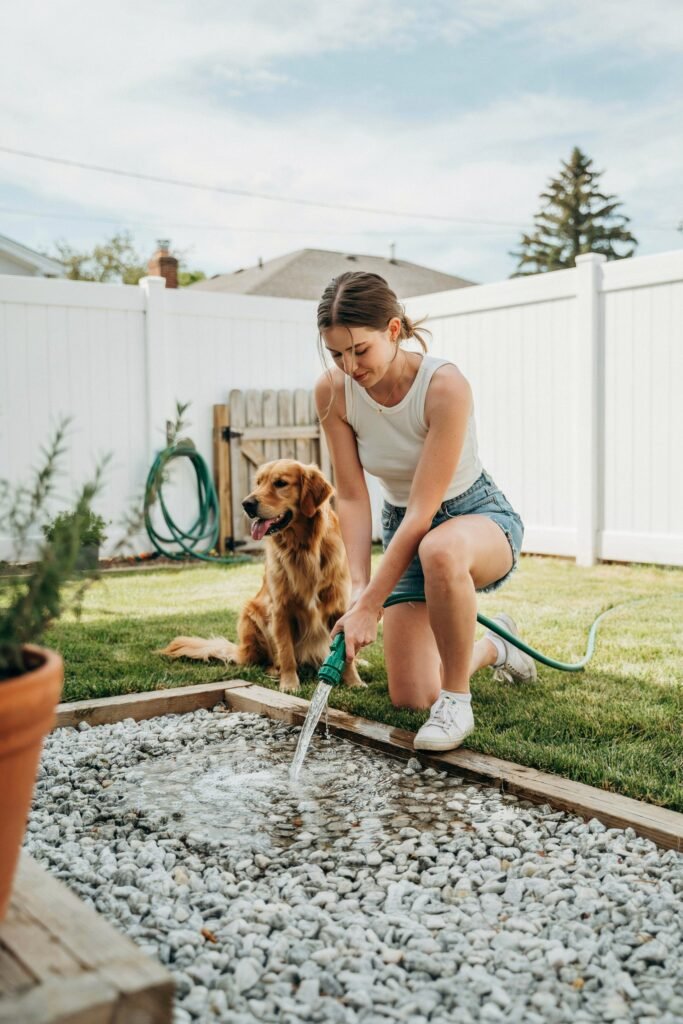
Let’s be honest, odor is the number one concern most of us have when designating a potty spot so close to home. Here’s what has genuinely made a difference for me:
Rinse the area regularly. A quick hose-down every few days breaks down waste buildup and dilutes urine before it has a chance to settle into surfaces.
Use an enzymatic cleaner. Unlike regular soap or bleach, enzymatic cleaners break down the organic compounds in urine and feces at a molecular level, which eliminates odor rather than just masking it temporarily.
Scoop solid waste daily. I know, I know, it’s not the most glamorous task, but daily scooping is genuinely the single most effective thing you can do to keep the area smelling fresh.
Sprinkle baking soda occasionally. A light dusting over gravel or mulch can help absorb odors between deeper cleanings, similar to how it works in a refrigerator.
Improve airflow and sun exposure. Stagnant, shaded, damp areas tend to hold onto smells longer, so if odor is a persistent issue, consider whether your spot needs better drainage or a bit more sunlight.
Read 7-Day Dog Training Plan: A Simple Guide to Get Your Dog On Track
Training Your Dog to Use the New Area
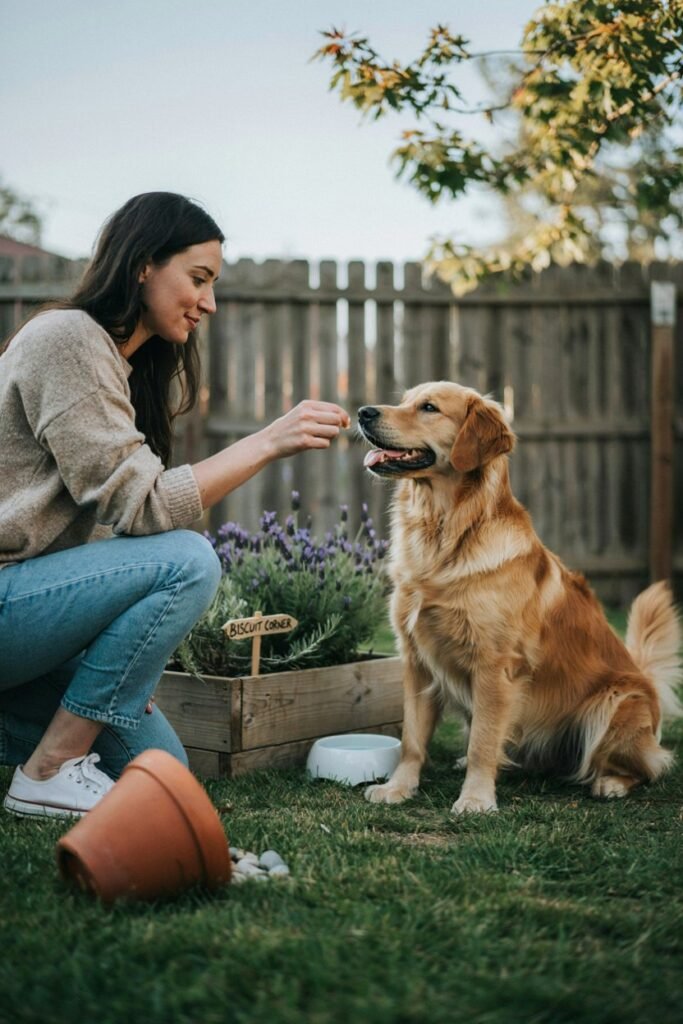
Setting up the perfect space is only half the battle. Getting your dog to actually use it consistently takes a little patience and consistency, but it’s very achievable with the right approach.
Lead with scent. Dogs are drawn to areas that already smell like previous potty visits, so if your dog has an established habit spot, try transferring a small amount of soiled material (like a scooped stool) to the new area to help create that scent association.
Use consistent commands. Choose a phrase like “go potty” and use it every single time you bring your dog to the area. Over time, this verbal cue becomes a strong trigger.
Reward immediately. The moment your dog goes in the correct spot, offer praise and a small treat. Timing matters enormously here, so be ready the instant they finish.
Leash them to the area at first. For the first couple of weeks, take your dog to the potty zone on a leash rather than letting them roam the whole yard. This limits their options and reinforces the habit faster.
Be patient with older dogs. If you’re retraining an adult dog who’s used to going wherever they please, expect the transition to take a few weeks longer than it might for a puppy. Consistency truly is everything.
Size Considerations Based on Your Dog
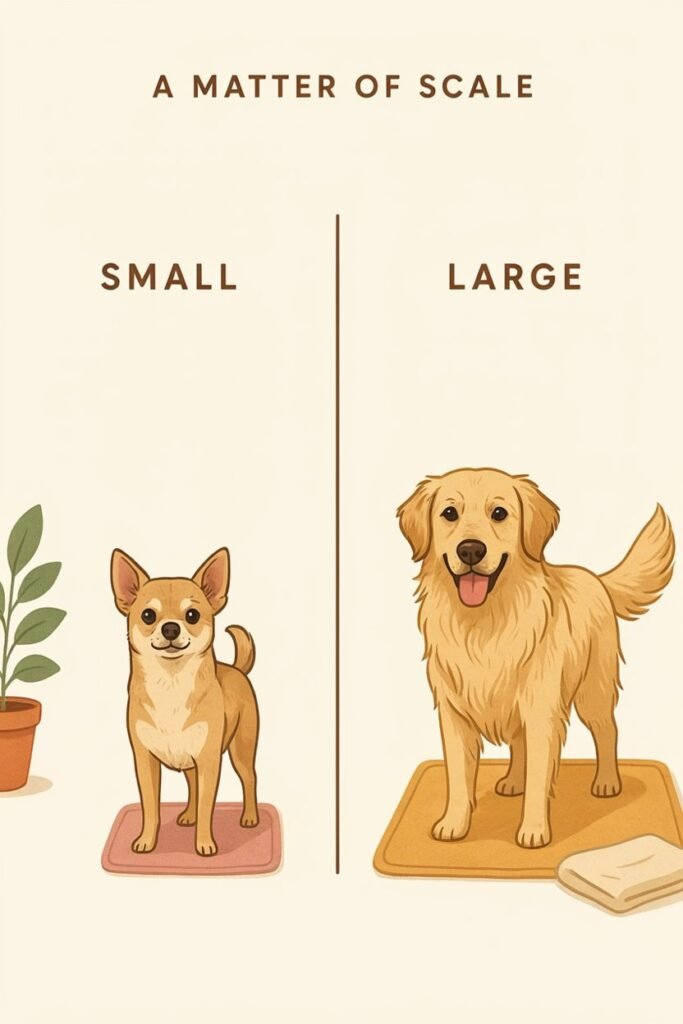
The size of your potty area should genuinely reflect your dog’s size and habits. A tiny Chihuahua doesn’t need nearly the space that a Great Dane does, and larger or more active dogs will appreciate room to circle and sniff before settling on their spot, which is a very normal part of their instinctual behavior.
As a general guideline:
- Small breeds typically do well with a space around 4 feet by 4 feet
- Medium breeds benefit from closer to 6 feet by 6 feet
- Large breeds often need at least 8 feet by 10 feet to feel comfortable circling and choosing their exact spot
If you have multiple dogs, consider whether they prefer to go together or separately. Some dogs are perfectly happy sharing a space, while others, particularly if there’s any tension between pets, do better with their own designated corners.
Budget-Friendly Ideas
Not every backyard project needs to break the bank, and this one is very flexible depending on what you’re working with.
On a tight budget: A simple mulch or gravel area bordered with landscaping edging can be completed in a single weekend for well under a hundred dollars, depending on the size of your space.
Mid-range investment: Adding a decorative border, a few pet-safe plants, and a small paver pathway typically runs a few hundred dollars but creates a much more polished result.
Higher investment, lower maintenance: Artificial pet turf with a proper drainage base is the priciest option upfront, often running several hundred to over a thousand dollars depending on square footage, but it saves significant time and effort over the years and tends to hold up beautifully.
Seasonal Maintenance
Your potty area will need a little seasonal attention to stay in top shape year-round.
Spring: This is the perfect time to refresh mulch, top off gravel, and check that drainage is working properly after winter thaw.
Summer: Keep an eye on odor control, since heat accelerates bacterial growth. More frequent rinsing and enzymatic treatments are especially helpful during hot months.
Fall: Clear fallen leaves regularly so they don’t trap moisture and create a soggy, smelly environment beneath them.
Winter: In colder climates, gravel and mulch handle freeze-thaw cycles better than grass, which can become slushy and muddy. If you’re using turf, make sure the drainage system isn’t blocked by ice buildup.
Common Mistakes to Avoid
Learning from my own missteps (and a few from fellow dog-owning friends), here are the pitfalls worth sidestepping:
- Placing the area too close to windows, doors, or seating areas where odor becomes noticeable
- Choosing a low spot in the yard that collects standing water
- Skipping daily waste removal, which allows odor and bacteria to build up quickly
- Forgetting to research plant toxicity before adding greenery nearby
- Underestimating how much space larger dogs need to feel comfortable
Final Thoughts
Creating a backyard potty area for your dog might not sound like the most glamorous home project, but trust me, it’s one of those upgrades that genuinely improves daily life for both you and your pup.
Since setting up Daisy’s space, my lawn has stayed green, my patio stays fresh, and cleanup takes a fraction of the time it used to. There’s something really satisfying about walking outside and knowing exactly where to look, rather than playing a guessing game across the whole yard.
Whatever combination of materials, layout, and decorative touches you choose, the most important thing is consistency, both in maintaining the space and in reinforcing the habit with your dog.
Give it a few weeks, stay patient through the transition, and soon enough your pup will have a spot they genuinely gravitate toward, and you’ll have a backyard that looks and smells like the beautiful outdoor space you always envisioned.