Signs Your Dog Needs More Protein
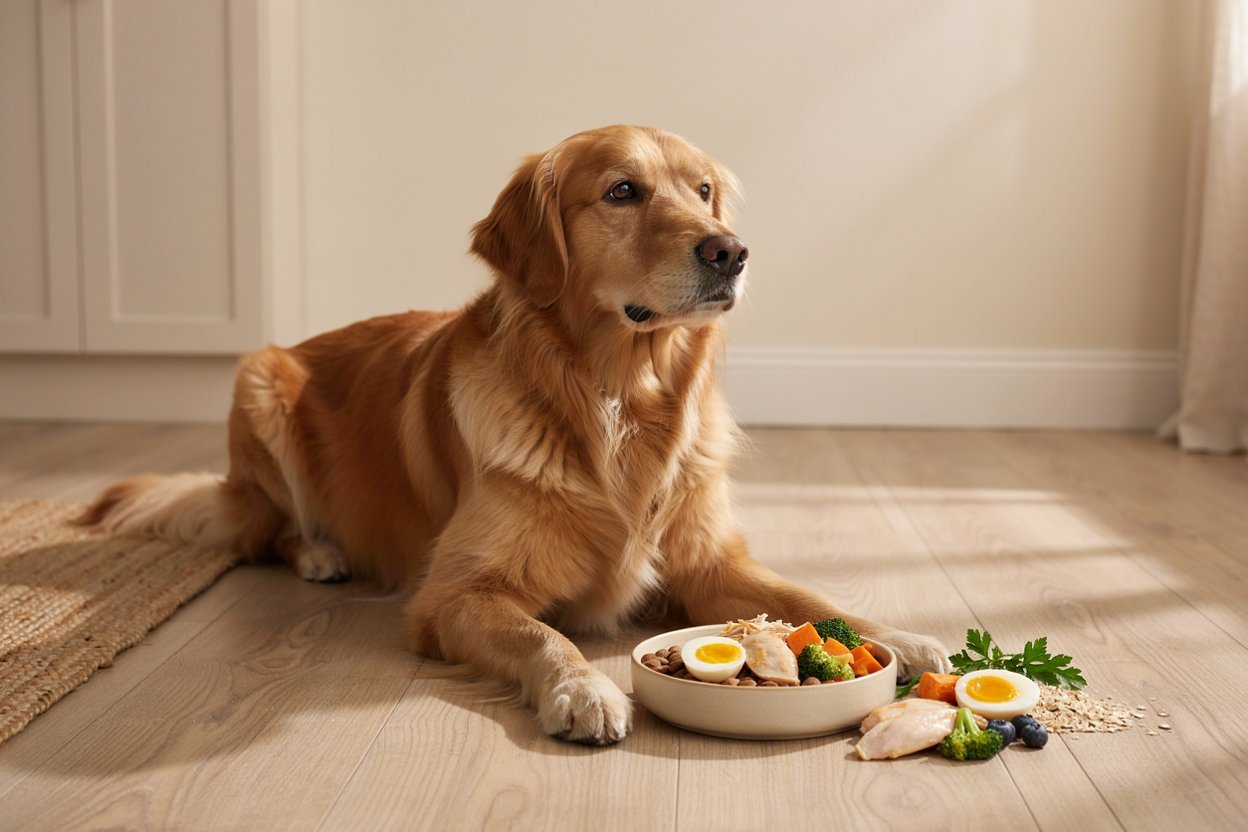
I started paying much closer attention to protein in my dog’s diet after noticing that nutrition affected so much more than just hunger.
Things like muscle condition, energy, coat quality, and recovery can all be influenced by whether a dog is getting the nutrients she needs.
Protein is especially important because it provides amino acids that help maintain muscles, repair tissues, support the immune system, and keep the body functioning properly.
But how do you know if your dog actually needs more? Here are the signs I would watch for and what they may mean.
Why Protein Is So Important for Dogs

Protein is one of the most important nutrients in a dog’s diet. It provides amino acids that the body uses to build and maintain muscles, skin, hair, enzymes, hormones, and other tissues.
I think of protein as one of the building materials your dog’s body needs every day. A dog doesn’t simply eat protein and store it away for later. The body continually uses amino acids for maintenance, growth, repair, and other biological processes.
Protein is particularly important during periods when the body is growing, recovering, or under greater physical demand. Puppies, pregnant or nursing dogs, highly active dogs, and dogs recovering from illness or injury can have different nutritional needs from a healthy adult dog at maintenance.
Veterinary nutrition references also point out that protein requirements depend on factors such as age, activity level, life stage, health status, and protein quality.
That is why I wouldn’t automatically assume that a dog showing one of these signs needs a high-protein food. The signs can have many possible causes, and some may have nothing to do with protein at all.
1. Your Dog Is Losing Muscle

One of the biggest things I would pay attention to is muscle condition.
You may notice that your dog’s back, hips, shoulders, or thighs look less muscular than they used to. You might also notice that areas that previously felt firm now seem thinner.
Muscle loss can occur when a dog isn’t receiving enough usable nutrients, including protein, but it can also happen because of aging, inactivity, illness, poor appetite, or other medical conditions.
Veterinary nutrition guidance notes that muscle loss can be associated with protein malnutrition, but it can also occur with medical conditions that cause loss of lean body mass.
This is important because adding more protein without finding the underlying reason for muscle loss may not solve the problem.
If your dog’s body condition is changing noticeably, I would have your veterinarian assess both body fat and muscle condition rather than relying only on the number on the scale.
2. Your Dog Is Losing Weight Without an Obvious Reason
Unexpected weight loss deserves attention.
If your dog is eating normally but gradually becoming thinner, it is tempting to assume that the food isn’t providing enough protein or calories. Sometimes nutrition really is part of the problem, but unexplained weight loss can also be connected to digestive problems, parasites, dental issues, metabolic disease, poor nutrient absorption, or other health conditions.
Protein deficiency can contribute to weight loss, particularly when the overall diet is inadequate.
However, I wouldn’t respond to unexplained weight loss by simply adding meat, eggs, or a protein supplement to your dog’s meals.
First, consider how much your dog is actually eating, whether her appetite has changed, and whether her weight has been falling steadily.
A veterinarian can help determine whether the problem is insufficient food intake, an unbalanced diet, poor absorption, or an underlying medical condition.
3. Your Dog Seems to Be Losing Strength
Another sign worth watching is a noticeable decrease in strength.
Maybe your dog used to happily run around the yard but now tires much sooner. Perhaps climbing stairs, jumping onto a familiar surface, or getting up after resting seems harder than before.
Reduced strength can be associated with loss of muscle mass, and inadequate protein can contribute to poor maintenance of lean tissue.
But again, this isn’t automatically a protein problem.
Pain, arthritis, heart disease, respiratory problems, age-related changes, and many other conditions can cause a dog to become less active.
If the change is sudden or significant, I would take it seriously rather than assuming your dog simply needs a higher-protein diet.
4. Your Dog’s Coat Becomes Dry, Dull, or Brittle
A dog’s coat can tell you a surprising amount about overall nutrition.
If your dog’s normally healthy coat becomes noticeably dry, dull, brittle, or unkempt, it is worth looking at the entire diet.
Protein and energy are both important for healthy skin and haircoat development. Veterinary guidance notes that inadequate protein or fat can contribute to coat changes, including dryness, dullness, brittleness, and hair loss.
Still, a dull coat doesn’t automatically mean your dog needs more protein.
Skin and coat problems can also be caused by allergies, parasites, infections, hormonal problems, inadequate essential fatty acids, or other nutritional deficiencies.
So I would treat coat changes as a clue rather than a diagnosis.
5. Your Dog Is Taking Longer to Recover
Protein plays an important role in tissue maintenance and repair.
If your dog has recently been sick, injured, undergone surgery, or experienced another period of physical stress, nutritional needs can change.
The body needs amino acids to support tissue repair, and inadequate nutritional intake can interfere with recovery. Veterinary nutrition resources specifically note the importance of adequate nutrition for tissue repair and recovery in dogs.
If your dog is recovering from an injury or illness, though, don’t independently change her diet based only on an internet article.
Her veterinarian may recommend a specific nutritional approach depending on what happened and whether there are other health concerns.
6. Your Dog Is a Puppy With High Nutritional Demands
Puppies are growing rapidly, so their nutritional requirements are different from those of adult dogs.
Growing puppies generally need more protein than adult dogs because their bodies are building new tissues.
But this doesn’t mean that simply adding extra protein to a puppy’s existing food is a good idea.
A properly formulated puppy diet should provide the right balance of protein, fat, calories, vitamins, and minerals for growth. Puppy nutrition needs to be balanced rather than focused on one nutrient.
This is especially important for large- and giant-breed puppies, whose diets need to support controlled growth and appropriate bone development.
If you have a growing puppy, I would choose a food formulated for the appropriate growth stage rather than trying to increase protein on your own.
7. Your Dog Is Pregnant or Nursing
Pregnancy and nursing place additional nutritional demands on a dog’s body.
A nursing mother has to support not only herself but also her puppies, which means her energy and nutrient requirements can increase substantially.
Protein is an important part of meeting those demands because it supplies amino acids needed for tissue production and maintenance.
However, this is another situation where simply adding meat or protein powder isn’t the best approach.
A complete, balanced diet designed for the appropriate life stage can help provide the necessary nutrients in the right proportions.
If your dog is pregnant or nursing, your veterinarian can help you determine which diet and feeding schedule are appropriate.
Read Minty Fur Spray: DIY Dog Perfume for a Fresh, Clean Scent
8. Your Dog Is Extremely Active
Some dogs have much higher energy demands than others.
A dog that spends most of the day relaxing indoors has very different nutritional needs from a working dog, sporting dog, or dog participating in frequent strenuous activity.
Active dogs need adequate calories as well as sufficient protein. If they aren’t getting enough overall nutrition, their bodies may have difficulty maintaining muscle and recovering from exercise.
This is why I wouldn’t look at the protein percentage alone.
Your dog’s entire diet needs to provide enough energy and nutrients for her lifestyle.
A very active dog may need a different nutritional strategy from a sedentary dog, and a veterinarian or qualified veterinary nutrition professional can help determine what makes sense for an individual dog.
9. Your Dog Has a Poor Appetite
A dog that consistently eats too little may eventually fail to receive enough protein and other essential nutrients.
Poor appetite can happen for many reasons, including dental discomfort, illness, stress, digestive problems, medication effects, and changes in the environment.
If your dog suddenly stops eating or eats significantly less than usual, I wouldn’t immediately assume she needs tastier, higher-protein food.
The first question should be: Why isn’t she eating?
Persistent appetite changes deserve veterinary attention, particularly when they occur alongside vomiting, diarrhea, weight loss, weakness, or other changes in behavior.
10. Your Dog Has Persistent Digestive Problems
Digestive problems can interfere with how nutrients are absorbed.
A dog may technically be eating a diet containing adequate protein but still have a nutritional problem if an underlying gastrointestinal disorder prevents normal digestion or absorption.
For example, certain intestinal diseases can cause protein to be lost through the gastrointestinal tract. Protein-losing enteropathy is one example, and affected dogs may have difficulty maintaining weight and may develop lethargy, diarrhea, vomiting, or other signs.
This is one of the reasons I wouldn’t try to treat ongoing digestive problems simply by feeding more protein.
If your dog has chronic diarrhea, repeated vomiting, unexplained weight loss, or difficulty maintaining body condition, she needs a proper veterinary evaluation.
What Does Protein Actually Do for Your Dog?
It helps to understand why protein matters before deciding whether your dog needs more.
Muscle maintenance
Protein provides amino acids needed to build and maintain muscle tissue.
This is particularly important for growing dogs, active dogs, recovering dogs, and older dogs experiencing changes in lean body mass.
Tissue repair
The body constantly repairs and replaces cells and tissues. Adequate protein helps provide the building blocks needed for this process.
Skin and coat health
Protein contributes to healthy skin and hair production. That’s why inadequate nutrition can sometimes show up as changes in the coat.
Immune function
Protein and adequate overall nutrition are important for normal immune function. Protein deficiency can negatively affect immune-system function.
Enzymes and hormones
Protein provides amino acids used to make many substances involved in normal body functions, including enzymes and hormones.
So protein isn’t just about building big muscles. It is involved in many basic processes happening inside your dog’s body every day.
How Much Protein Does a Dog Need?
This is where things can become confusing.
There isn’t one perfect protein percentage that applies to every dog.
Protein requirements vary depending on factors such as:
- Age
- Growth stage
- Activity level
- Pregnancy or nursing
- Health status
- Body condition
- Overall calorie intake
- Protein quality and digestibility
For reference, Merck Veterinary Manual reports AAFCO minimum protein levels of 18% dry matter for adult maintenance diets and 22.5% dry matter for growth and reproduction diets. These are nutritional minimums, not a recommendation that every dog should be fed exactly those percentages.
It’s also important to understand that the protein percentage printed on a food label can be misleading when comparing dry food with wet food because moisture levels are very different.
The FDA explains that guaranteed-analysis protein percentages are reported on an as-fed basis, while AAFCO nutrient profiles are expressed on a dry-matter basis.
For most pet owners, the easier approach is to choose a food that is nutritionally complete and balanced for the dog’s appropriate life stage instead of trying to calculate everything from the label alone.
Does More Protein Always Mean a Healthier Dog?
No.
This is something I think is really important for dog owners to understand.
More protein isn’t automatically better.
If your dog already receives an appropriate amount of high-quality protein from a complete and balanced diet, adding large amounts of extra protein may not provide an additional benefit.
Excess dietary protein isn’t simply stored as extra muscle. The body processes excess amino acids, and the resulting energy can be used or stored.
That means I wouldn’t switch to an extremely high-protein food just because the front of the package makes it sound healthier.
The goal is appropriate nutrition, not the highest possible protein number.
How to Check Your Dog’s Current Food
Before changing your dog’s diet, take a few minutes to look at the package.
1. Look for a nutritional adequacy statement
Look for wording indicating that the food is complete and balanced for your dog’s species and appropriate life stage.
The FDA explains that a complete-and-balanced food is intended to provide the nutrients needed as a sole diet when it meets the applicable nutritional requirements or passes an appropriate feeding trial.
2. Check the life stage
A puppy, adult dog, pregnant dog, and senior dog may have different nutritional needs.
Make sure the food is appropriate for your dog’s current stage of life.
3. Don’t focus only on the first ingredient
Seeing chicken, beef, turkey, or another animal protein listed first can be useful information, but the first ingredient alone doesn’t tell you whether the entire food is nutritionally complete.
The complete nutritional profile matters much more.
4. Consider the whole diet
Don’t forget treats, toppers, table foods, supplements, and homemade additions.
If too many extras are added to a complete diet, they can change the overall nutritional balance. The FDA notes that treats, snacks, and supplements generally aren’t intended to serve as a pet’s sole complete diet.
Healthy Ways to Improve Your Dog’s Protein Intake
If your veterinarian determines that your dog genuinely needs a different protein intake, the safest approach is usually to adjust the main diet rather than randomly adding ingredients.
Depending on your dog’s individual needs, your veterinarian may recommend:
- A different complete and balanced dog food
- A diet formulated for a specific life stage
- A therapeutic diet for a particular health condition
- Adjustments to the amount being fed
- A carefully planned homemade diet formulated by a veterinary nutrition professional
I would be particularly careful with homemade diets.
It can be surprisingly difficult to create a homemade dog diet that provides the correct balance of protein, calories, vitamins, minerals, and essential fatty acids. Long-term nutritional deficiencies can develop when homemade diets are not properly formulated.
When You Should Talk to Your Veterinarian
I would make a veterinary appointment if you notice:
- Unexplained weight loss
- Significant muscle loss
- Persistent weakness
- A major decrease in energy
- Ongoing diarrhea
- Repeated vomiting
- A persistent lack of appetite
- Noticeable coat or skin changes
- Difficulty recovering from illness or injury
- Swelling of the abdomen or limbs
- A sudden change in your dog’s normal condition
These symptoms can have many causes, and some can be much more serious than a simple nutritional imbalance.
For example, dogs with protein-losing conditions can develop low blood protein and fluid accumulation, which requires veterinary diagnosis and treatment rather than simply increasing protein at home.
What About Senior Dogs?
Senior dogs deserve special attention when it comes to protein.
As dogs age, maintaining healthy muscle becomes increasingly important. Merck Veterinary Manual notes that older dogs may become less efficient at metabolizing dietary protein and may actually need more dietary protein than younger dogs to help maintain protein reserves and protein turnover.
But this doesn’t mean every senior dog should automatically be placed on a high-protein diet.
Senior dogs can also develop medical conditions that change their nutritional requirements.
So instead of making a blanket change based on age alone, I prefer the idea of looking at the individual dog: body condition, muscle condition, appetite, activity level, overall health, and veterinary guidance.
Protein Sources Commonly Found in Dog Food
Dog foods can contain both animal- and plant-based protein sources.
Common protein ingredients include:
- Chicken
- Turkey
- Beef
- Fish
- Lamb
- Eggs
- Certain plant proteins
- Legumes and grains that contribute protein
The quality and digestibility of protein matter, not just the name of the ingredient.
Merck Veterinary Manual notes that dog foods can contain combinations of plant and animal proteins and that protein digestibility varies between diets.
This is another reason I wouldn’t judge a food solely by whether it contains one particular meat.
A Simple Way to Think About Your Dog’s Protein Needs
When I think about protein and dogs, I find it helpful to ask four simple questions:
Is my dog eating enough?
A dog that isn’t consuming enough food may not be receiving enough protein or other nutrients.
Is the food complete and balanced?
The main diet should be nutritionally appropriate for the dog’s life stage.
Is my dog maintaining healthy muscle and body condition?
Changes in muscle, weight, energy, or overall condition deserve attention.
Has anything changed recently?
A sudden nutritional or physical change may point toward an underlying issue rather than simply a need for more protein.
These questions can help you look at the bigger picture instead of focusing on one number printed on a dog-food package.
Final Thoughts
Protein is incredibly important for dogs, but I don’t think the answer is simply to feed more of it whenever something seems wrong. A dog’s protein needs depend on her age, activity, life stage, health, calorie intake, and the quality of the diet she is eating.
Signs such as muscle loss, unexplained weight loss, weakness, a dull coat, poor recovery, or poor growth can sometimes be associated with inadequate protein, but they can also signal other nutritional or medical problems.
For me, the biggest takeaway is to focus on balanced nutrition rather than chasing the highest protein percentage. If your dog is showing noticeable changes in weight, muscle, appetite, energy, digestion, or coat quality, it’s worth finding out why before making major changes to her diet.
A complete and balanced diet suited to your dog’s individual needs, combined with regular veterinary care, is a much better foundation for long-term health than simply adding more protein.