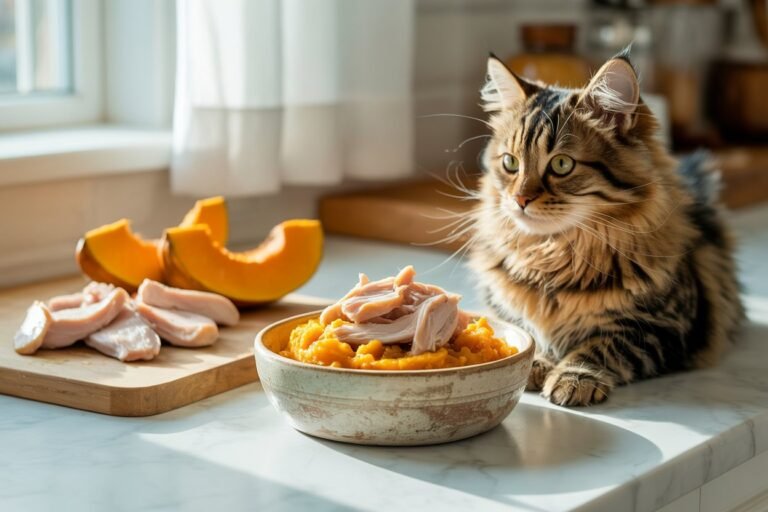
5 Delicious Cat Food Recipes For Senior Cats
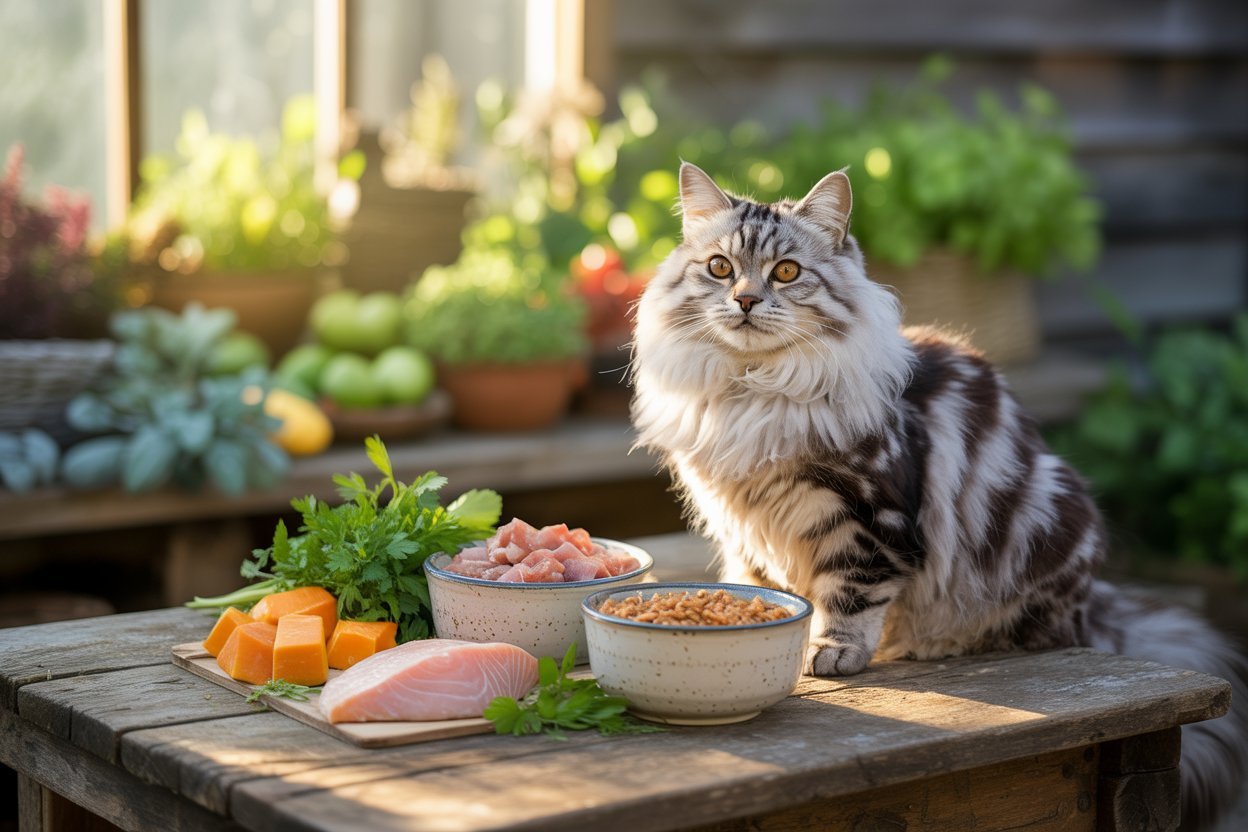
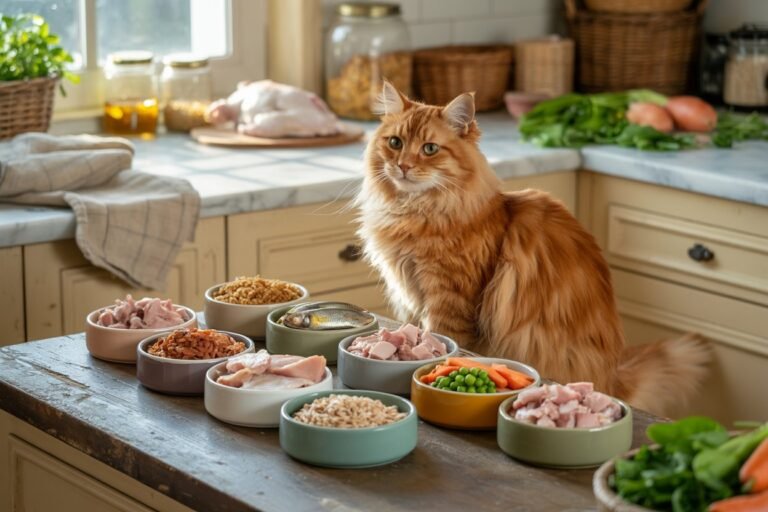
Watching a senior cat slow down with age can feel a little like tending an old garden that has given beauty for many seasons. Older cats need softer textures, nourishing ingredients, and meals that are gentle on aging bodies.
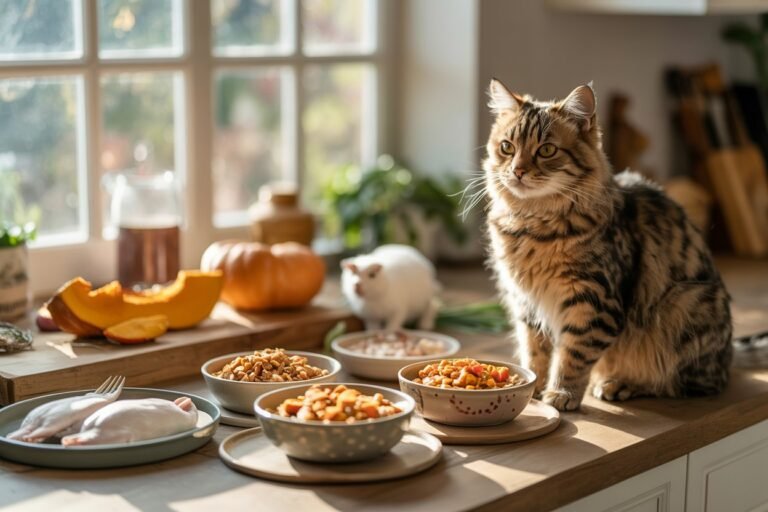
Homemade cat food recipes allow you to carefully choose fresh ingredients while creating comforting meals your cat will actually enjoy eating.
With the right balance of protein, healthy fats, hydration, and vitamins, you can support your senior cat’s joints, digestion, coat health, and energy levels naturally.
Much like growing healthy vegetables in rich soil, feeding your aging cat wholesome food can help them thrive gracefully through their golden years.
Understanding Senior Cat Nutrition
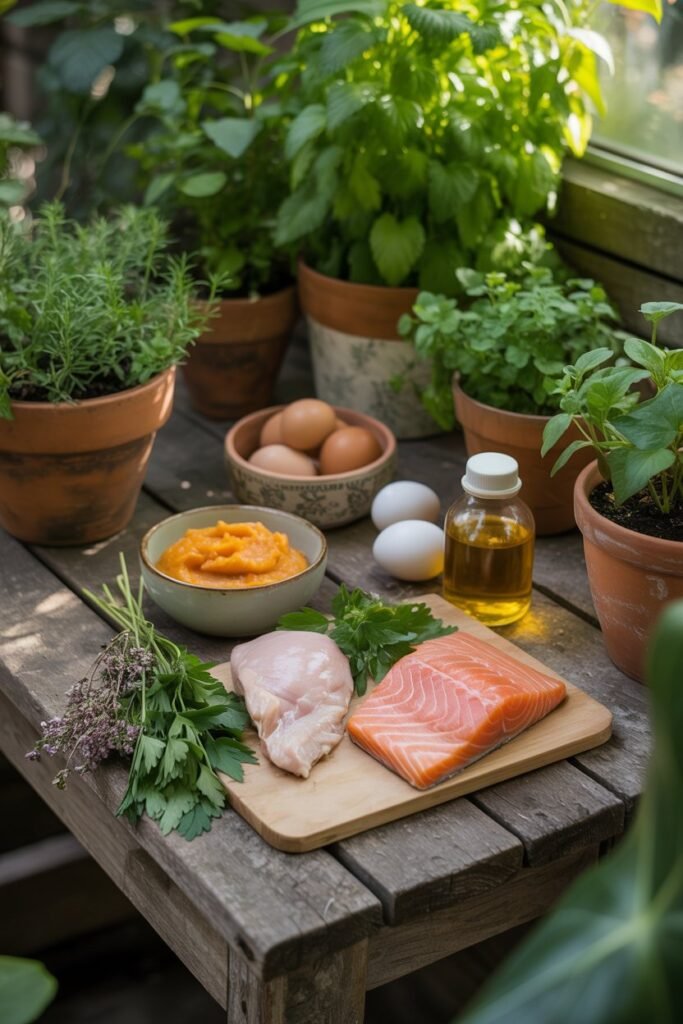
Senior cats have different nutritional needs than kittens or younger adult cats. As cats age, their metabolism changes, digestion may become slower, and dental problems can make crunchy food uncomfortable. Some older cats also struggle with dehydration, arthritis, kidney sensitivity, or reduced appetite.
Homemade recipes can help because you control:
- Ingredient quality
- Moisture content
- Texture
- Protein sources
- Additives and preservatives
However, senior cats still require balanced nutrition. Cats are obligate carnivores, which means animal protein is essential for their survival and health.
Important Nutrients Senior Cats Need
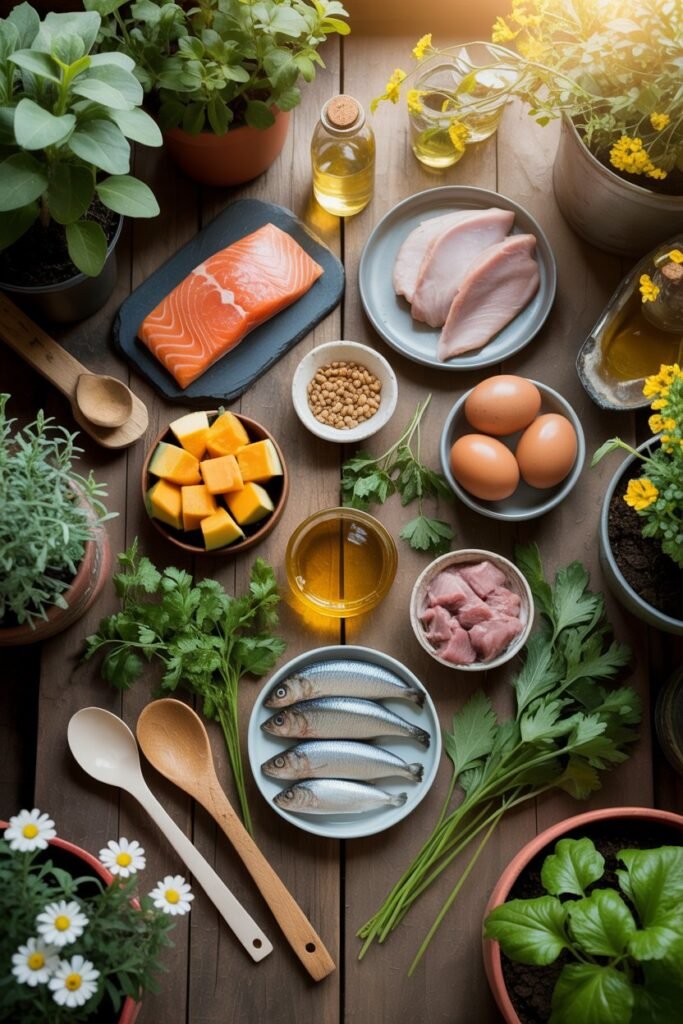
1. High-Quality Protein
Protein helps maintain muscle mass, especially in older cats that naturally lose muscle over time.
Good protein sources include:
- Chicken
- Turkey
- Salmon
- Sardines
- Eggs
2. Healthy Fats
Healthy fats support skin, coat health, and brain function.
Excellent options include:
- Salmon oil
- Sardines
- Chicken fat
- Small amounts of olive oil
3. Moisture
Senior cats are prone to dehydration, especially if they eat dry food regularly. Wet homemade meals help increase water intake naturally.
4. Taurine
Taurine is an essential amino acid cats must get from animal-based foods. A taurine deficiency can cause serious heart and vision problems.
5. Fiber
A small amount of fiber supports digestion and can help prevent constipation in older cats.
Safe fiber sources include:
- Pumpkin puree
- Tiny amounts of cooked carrots
- Psyllium husk (vet-approved)
Recipe 1: Gentle Chicken & Pumpkin Stew
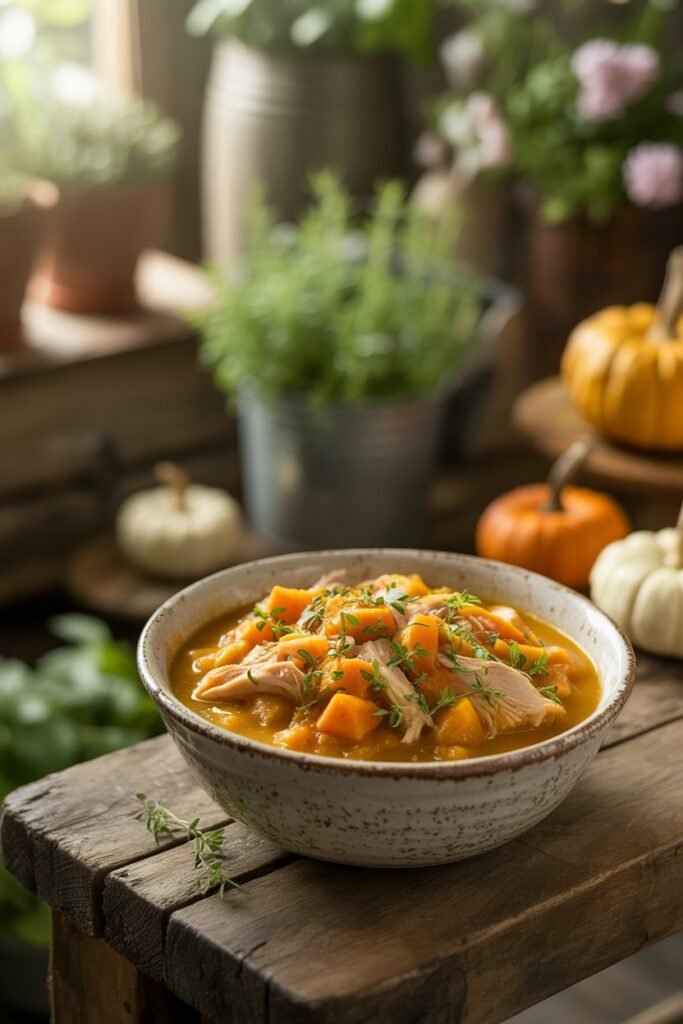
This soft, comforting stew is ideal for senior cats with sensitive digestion or dental issues.
Why This Recipe Works
Chicken is lean and easy to digest, while pumpkin provides gentle fiber that supports bowel health. The soft texture also helps cats with missing teeth or sore gums.
Ingredients
- 1 cup cooked boneless chicken breast
- 2 tablespoons plain pumpkin puree
- 1 teaspoon salmon oil
- 1/4 cup low-sodium chicken broth
- 1 tablespoon finely chopped chicken liver
- 1 cooked egg yolk
Instructions
- Cook the chicken thoroughly without seasoning.
- Shred the chicken into tiny pieces.
- Steam or lightly cook the chicken liver.
- Combine all ingredients in a blender or food processor.
- Blend until soft and stew-like.
- Allow it to cool before serving.
Feeding Tips
Serve slightly warm to increase aroma and encourage appetite in picky senior cats.
Store leftovers in the refrigerator for up to 2 days.
Garden Companion Idea
Pumpkin grows beautifully in home gardens and provides excellent nutrition for both humans and pets. If you grow pumpkins yourself, avoid seasoning or sweetening any pumpkin you prepare for your cat.
Recipe 2: Senior Salmon Garden Bow
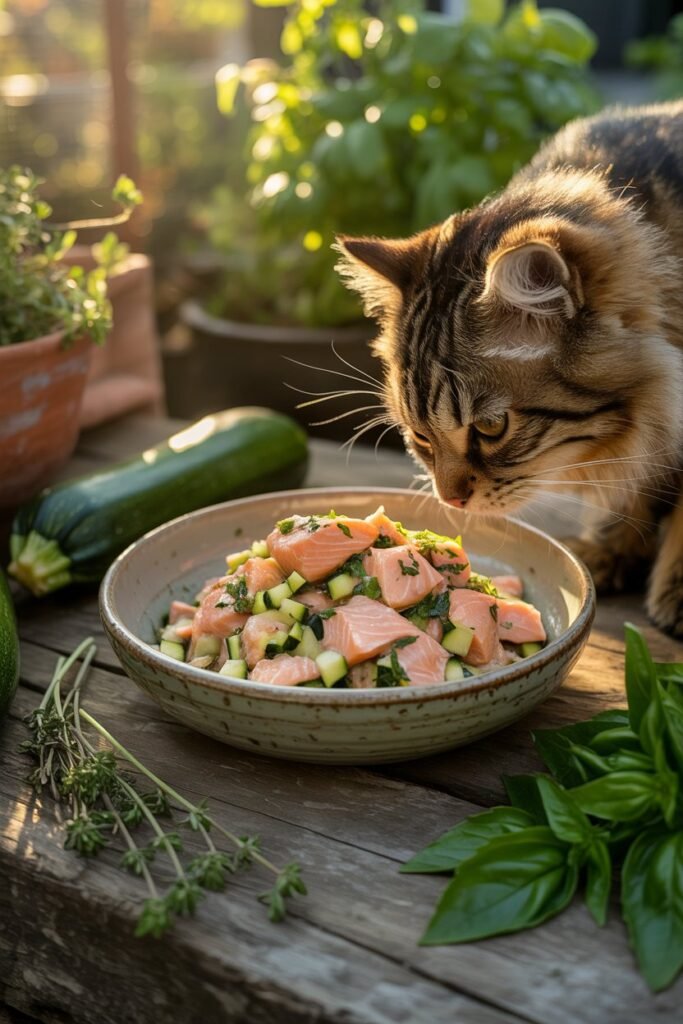
This nourishing fish recipe supports brain health, joints, and skin condition.
Benefits Of Salmon For Older Cats
Salmon contains omega-3 fatty acids, which may help:
- Reduce inflammation
- Support aging joints
- Improve dry skin
- Promote cognitive health
Ingredients
- 1 salmon fillet (boneless)
- 1 tablespoon cooked zucchini
- 1 teaspoon olive oil
- 1 tablespoon cooked egg
- 2 tablespoons water or unsalted fish broth
- Small pinch of chopped parsley
Instructions
- Bake or steam the salmon until fully cooked.
- Remove all bones carefully.
- Cook zucchini until soft.
- Blend all ingredients together into a moist mash.
- Add extra water if needed for softer consistency.
Serving Suggestions
This recipe works especially well for cats who struggle to chew dry food.
Serve in small portions because fish-rich meals can spoil quickly.
Garden Note
Parsley can be grown easily in containers and raised beds. A tiny amount may freshen breath and provide antioxidants, but moderation is important.
Never overfeed herbs to cats.
Recipe 3: Turkey & Sweet Potato Comfort Mash
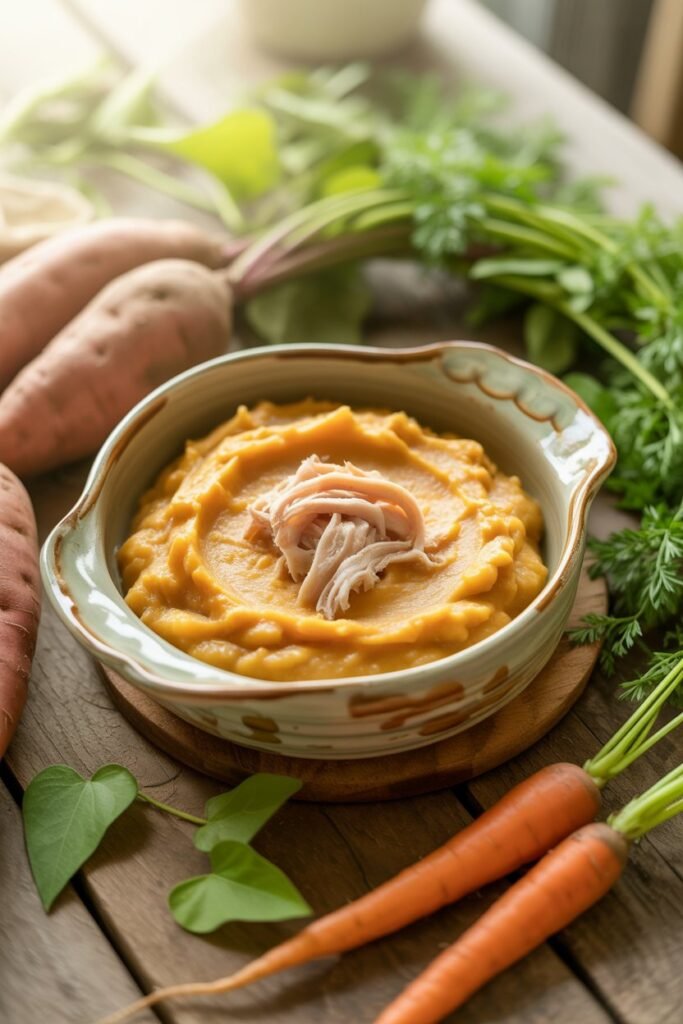
This hearty meal provides warmth and energy for aging cats who need a little extra nourishment.
Why Senior Cats Love Turkey
Turkey is:
- Soft
- Protein-rich
- Gentle on digestion
- Lower in fat than some red meats
Ingredients
- 1 cup cooked turkey thigh meat
- 1 tablespoon mashed sweet potato
- 1 teaspoon fish oil
- 1 tablespoon turkey liver
- 1/4 cup warm water
- 1 teaspoon finely grated carrot
Instructions
- Cook turkey thoroughly with no seasoning.
- Steam sweet potato and carrot until tender.
- Blend all ingredients into a creamy consistency.
- Add warm water gradually to reach desired texture.
Texture Adjustments
For cats with severe dental problems, puree completely smooth.
For cats who still enjoy chewing, leave small shredded turkey pieces.
Garden-Inspired Tip
Sweet potatoes grow well in warm climates and container gardens. Their vines also create beautiful greenery in backyard garden spaces.
Always cook sweet potatoes fully before feeding them to cats.
Recipe 4: Sardine & Egg Senior Cat Pâté
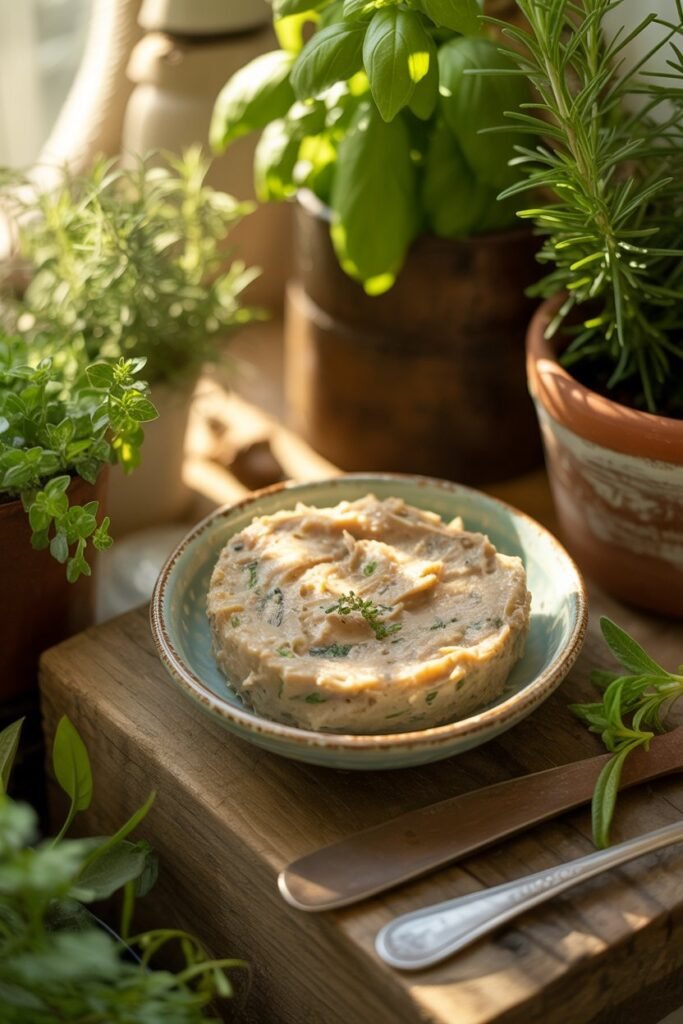
This simple recipe is packed with nutrients and works wonderfully for cats with reduced appetite.
Why Sardines Are Excellent For Senior Cats
Sardines are rich in:
- Omega-3 fatty acids
- Calcium
- Vitamin D
- Taurine
Choose sardines packed in water without salt or seasoning.
Ingredients
- 2 sardines in water
- 1 cooked egg
- 1 tablespoon plain cooked oats
- 1 teaspoon salmon oil
- 2 tablespoons warm water
Instructions
- Mash sardines thoroughly.
- Remove any noticeable bones if needed.
- Combine all ingredients in a food processor.
- Blend into a soft pâté texture.
Feeding Advice
Because sardines are rich, serve this recipe as an occasional meal rather than daily feeding.
Many senior cats love the strong smell, which helps stimulate appetite.
Garden Enrichment Idea
Create a shaded garden sitting area where your senior cat can safely relax outdoors while supervised. Older cats often enjoy gentle sunshine and fresh air.
Use cat-safe plants around resting spaces, such as:
- Wheatgrass
- Basil
- Rosemary
- Catmint
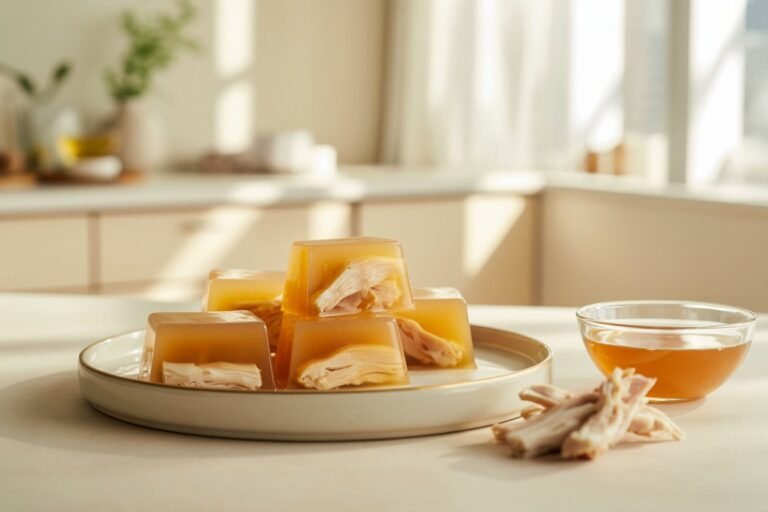
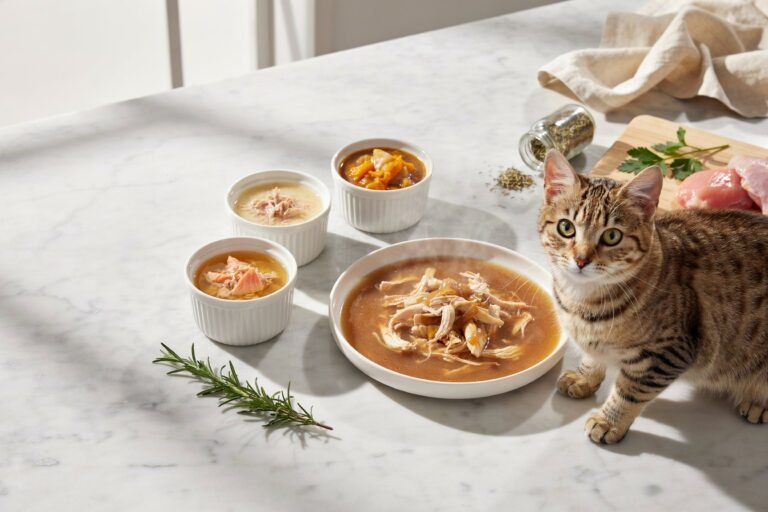
Recipe 5: Chicken Liver & Bone Broth Recovery Soup
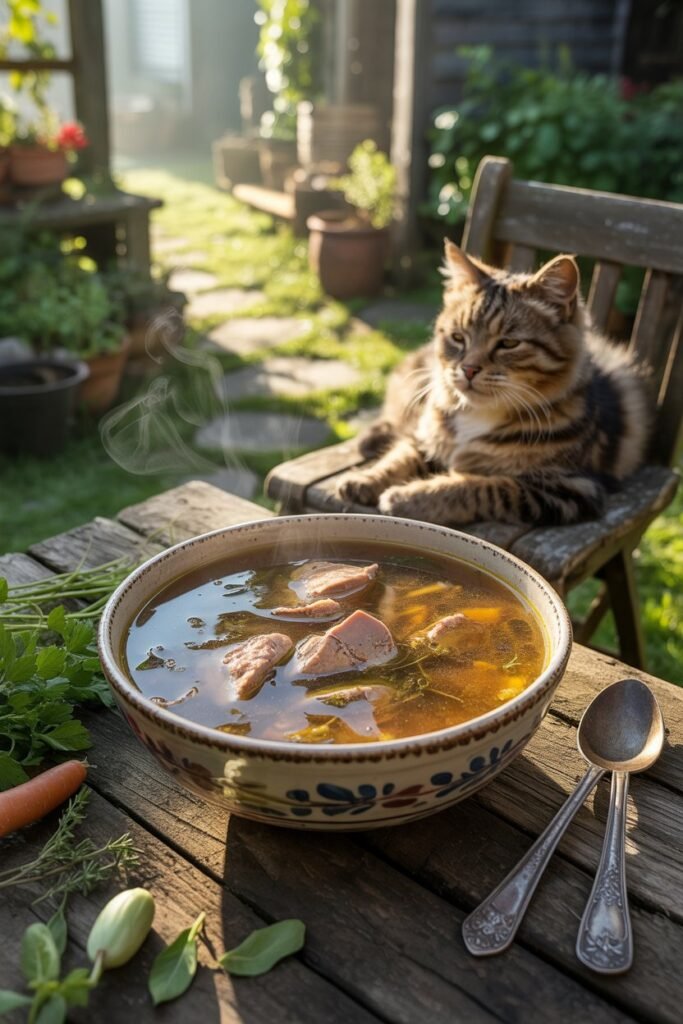
This nourishing soup is ideal for elderly cats recovering from illness, stress, or appetite loss.
Benefits Of Bone Broth
Bone broth may help:
- Encourage hydration
- Support joints
- Increase appetite
- Provide minerals
Use only homemade or pet-safe broth without onion, garlic, or heavy sodium.
Ingredients
- 1/2 cup cooked chicken liver
- 1/2 cup shredded chicken
- 1/2 cup plain bone broth
- 1 teaspoon pumpkin puree
- 1 teaspoon fish oil
- 1 cooked egg yolk
Instructions
- Cook liver and chicken thoroughly.
- Blend ingredients with warm broth.
- Adjust thickness depending on your cat’s needs.
Serving Tip
Serve warm, never hot.
Older cats often respond better to warm food because the smell becomes stronger and more appealing.
Garden Connection
Bone broth can also nourish compost soil when heavily diluted and added sparingly to non-edible ornamental garden beds. Avoid using it near vegetable gardens if wildlife may be attracted.
Foods Senior Cats Should Never Eat
Even healthy garden kitchens contain ingredients that are dangerous for cats.
Toxic Foods To Avoid
Never feed senior cats:
- Onion
- Garlic
- Grapes
- Raisins
- Chocolate
- Alcohol
- Raw dough
- Xylitol
- Excess salt
- Caffeine
Dangerous Garden Plants
Keep these toxic plants away from cats:
- Lilies
- Azaleas
- Sago palms
- Hydrangeas
- Oleander
Even small exposures can be extremely dangerous.
How To Transition A Senior Cat To Homemade Food
Older cats can be stubborn about food changes. A slow transition helps avoid stomach upset.
Step-By-Step Transition
Days 1–3
- 75% old food
- 25% homemade food
Days 4–6
- 50% old food
- 50% homemade food
Days 7–10
- 25% old food
- 75% homemade food
Day 10+
Fully transition if your cat is adjusting well.
Watch for:
- Vomiting
- Diarrhea
- Refusal to eat
- Lethargy
Consult your veterinarian if problems occur.
Helpful Feeding Tips For Senior Cats
1. Warm Food Slightly
Warm food smells stronger and can encourage picky eaters.
2. Use Wide Bowls
Senior cats with sensitive whiskers often prefer shallow dishes.
3. Feed Smaller Meals
Older cats may digest food better with smaller portions throughout the day.
4. Keep Feeding Areas Calm
A quiet feeding corner helps older cats feel safe and relaxed.
5. Monitor Weight Closely
Unexpected weight loss in senior cats should always be discussed with a veterinarian.
Creating A Senior-Friendly Garden Space
A peaceful garden can greatly enrich an aging cat’s life.
Add Soft Resting Areas
Place:
- Cushioned benches
- Outdoor cat beds
- Shaded corners
near safe garden areas.
Avoid Toxic Fertilizers
Choose pet-safe gardening products whenever possible.
Create Easy Paths
Older cats appreciate flat pathways and gentle garden access without jumping or climbing.
Mulch pathways can be softer on aging joints than concrete surfaces.
Frequently Asked Questions
Can Senior Cats Eat Homemade Food Every Day?
Yes, but meals must be nutritionally balanced. Long-term homemade feeding should ideally be discussed with a veterinarian or feline nutritionist.
How Much Should I Feed My Senior Cat?
Portion size depends on:
- Weight
- Activity level
- Medical conditions
- Appetite
Most senior cats benefit from multiple smaller meals daily.
Is Wet Food Better For Senior Cats?
Wet food is often beneficial because it increases hydration and is easier to chew.
Can I Freeze Homemade Cat Food?
Yes. Freeze portions in airtight containers for up to 2 months.
Always thaw fully before serving.
Final Thoughts
Caring for a senior cat is much like tending a mature garden through changing seasons. Older cats thrive with patience, nourishment, warmth, and gentle daily care. Preparing homemade meals allows you to support your cat’s health with fresh ingredients while creating comforting routines they can look forward to each day.
These five delicious recipes offer softness, hydration, and balanced nutrition that aging cats often need most. Combined with a calm home, safe garden spaces, and regular veterinary care, wholesome homemade meals can help your beloved companion stay comfortable and content well into their golden years.
A flourishing garden begins with healthy soil, steady care, and attention to changing needs and the same is beautifully true for senior cats.