Homemade Chicken & Bone Broth Jelly for Cats
I love finding little ways to make my cats feel extra special, especially when I can prepare something simple in my own kitchen.
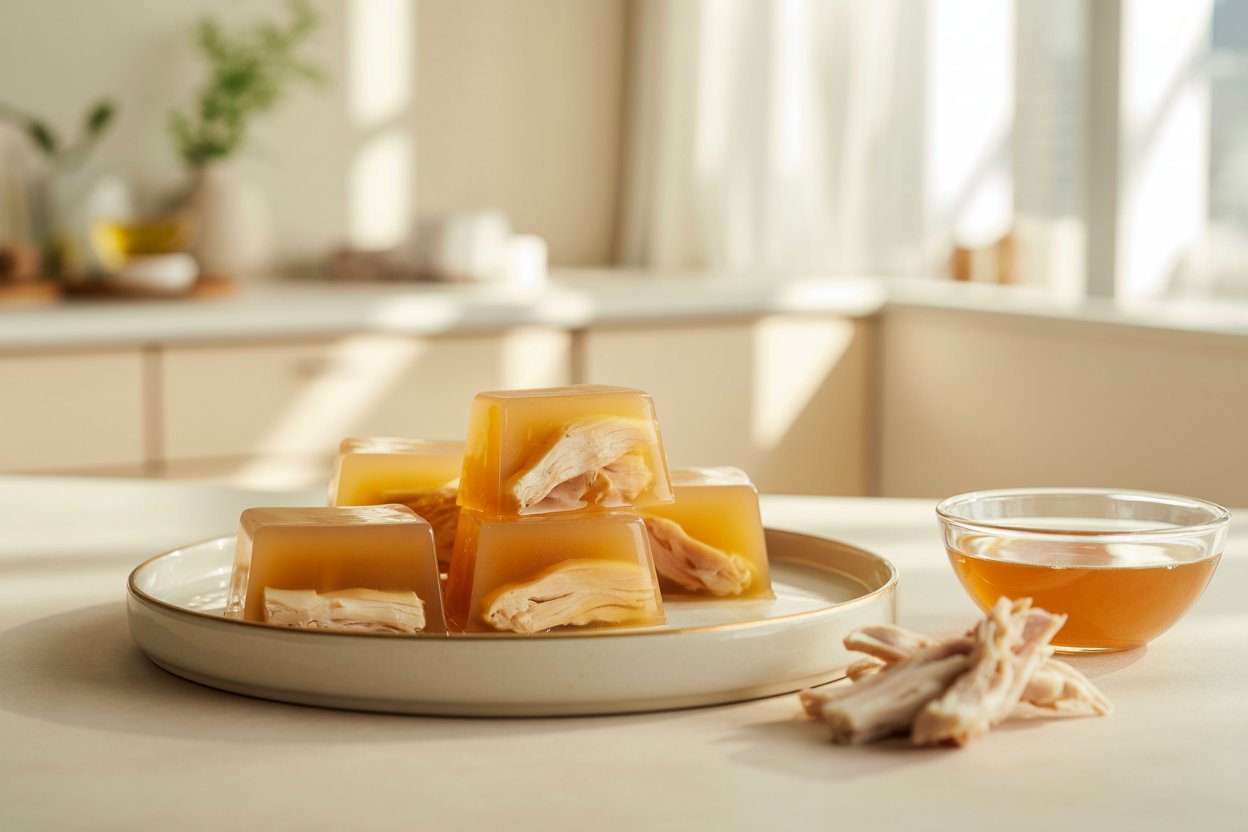
This homemade chicken and bone broth jelly is one of those recipes that feels like a treat but doesn’t require complicated ingredients or hours of preparation.
It has a soft, jiggly texture that can be especially appealing to cats who enjoy moist foods, and the chicken gives it a naturally savory flavor.
I also love that I can make a small batch, portion it out, and keep it ready in the refrigerator for an easy meal topper or occasional treat.
What Is Chicken and Bone Broth Jelly for Cats?
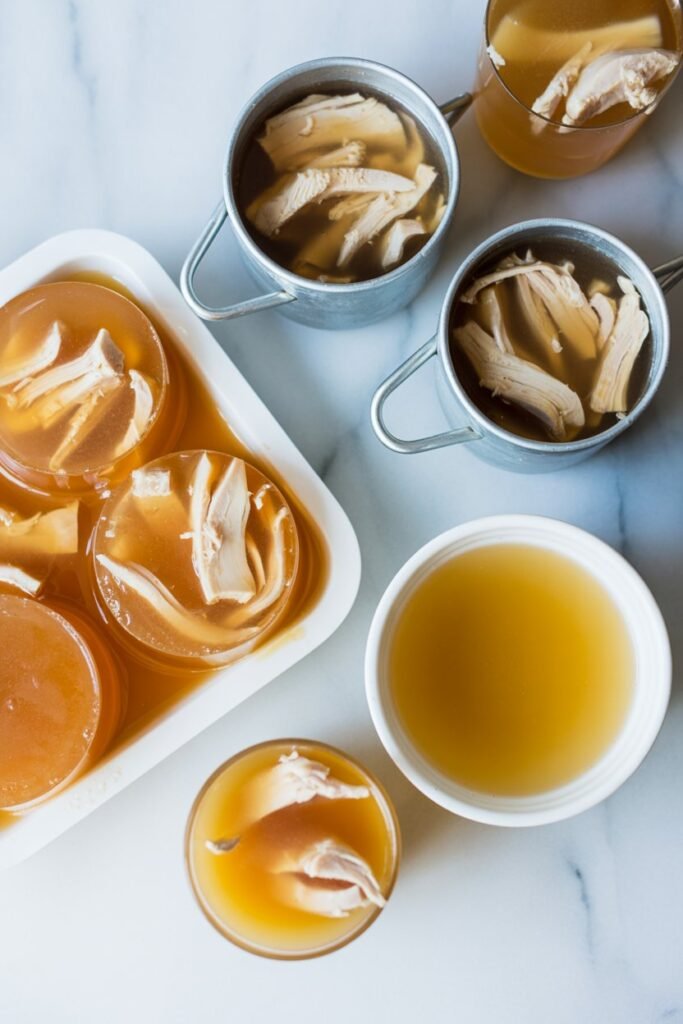
Chicken and bone broth jelly is a soft, chilled cat treat made by combining plain cooked chicken with a cat-safe chicken broth and a small amount of unflavored gelatin.
When gelatin cools, it transforms the liquid into a soft jelly. This gives the recipe a completely different texture from ordinary shredded chicken or broth.
For cats, the appeal is usually the combination of:
- The familiar flavor of chicken
- A moist, soft texture
- A pleasant aroma
- Small pieces of real cooked chicken
- A fun jelly-like consistency
This recipe is best thought of as a supplemental treat or food topper, rather than a replacement for your cat’s complete and balanced cat food.
Cats have specific nutritional requirements, so homemade treats should make up only a small part of their overall diet.
Why Make Homemade Chicken Jelly for Cats?
One of the biggest advantages of making this recipe yourself is that you control the ingredients.
Many human chicken broths and stock products contain ingredients that aren’t appropriate for cats, including excessive sodium, onion, garlic, seasonings, and other flavorings. Making a simple homemade version allows you to leave those ingredients out.
The recipe can also be useful when you want to add a little extra moisture and variety to your cat’s normal meal.
I especially like recipes like this because they can be prepared ahead of time. Once the jelly has set, you can store individual portions in the refrigerator and use them when needed.
Some possible benefits include:
- Adds moisture to your cat’s diet
- Provides a source of animal protein from chicken
- Offers a different texture from regular wet food
- Can be used as an occasional food topper
- Uses simple ingredients
- Can be prepared in small batches
- Makes it easier to control what goes into the treat
Remember, though, that homemade chicken jelly isn’t nutritionally complete on its own. It should complement your cat’s regular complete and balanced food rather than replace it.
Ingredients You Will Need
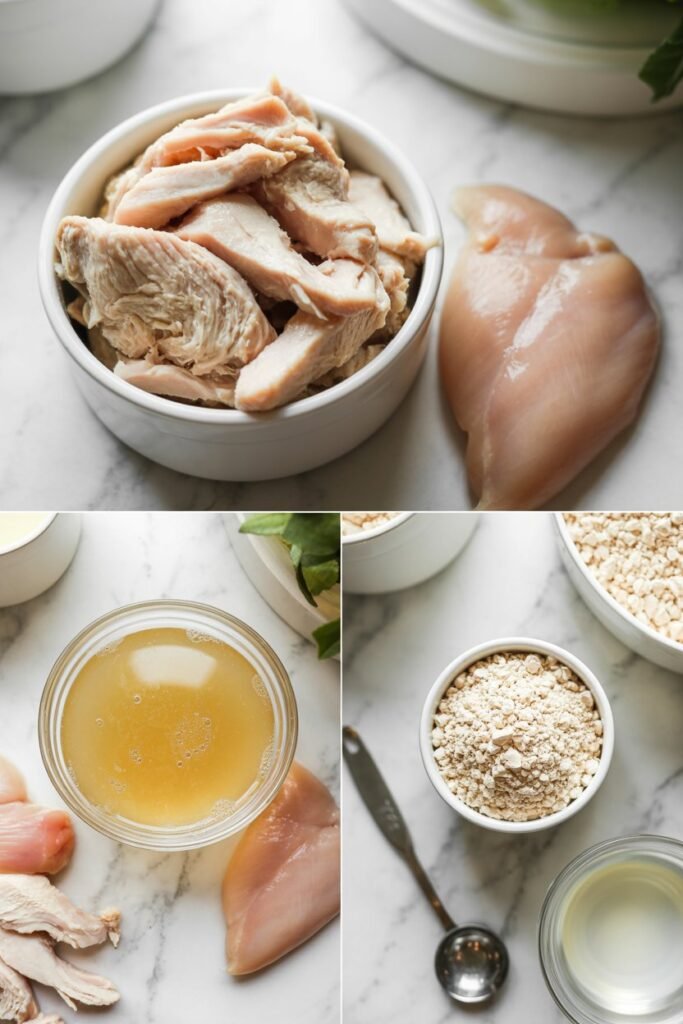
You only need a few ingredients for this homemade cat jelly.
1. Plain Cooked Chicken
Use plain chicken that has been thoroughly cooked.
Chicken breast or boneless chicken thigh can work well. Remove all skin, visible fat, and bones before using the meat.
You don’t need to add seasoning. In fact, it’s better not to.
Avoid chicken that has been cooked with:
- Salt
- Onion
- Garlic
- Garlic powder
- Onion powder
- Spicy seasonings
- Sauces
- Marinades
- Butter-heavy sauces
Plain cooked chicken is all you need.
2. Homemade Chicken Broth or Unsalted Cat-Safe Broth
The liquid forms the base of the jelly.
The safest option is a simple homemade chicken broth made without salt, onion, garlic, or seasonings.
If you use a commercially prepared broth, check the ingredient list carefully. A broth being labeled “chicken broth” does not automatically mean it is appropriate for cats.
3. Unflavored Gelatin
Plain, unflavored gelatin is what gives this recipe its jelly consistency.
Choose gelatin without:
- Added sugar
- Artificial sweeteners
- Flavoring
- Fruit additives
- Seasoning
You don’t need flavored dessert gelatin for this recipe.
4. Cooked Chicken Pieces
You can reserve a small portion of the cooked chicken and finely shred it or chop it into tiny, cat-sized pieces.
This gives the finished jelly some texture and makes the treat more interesting.
Homemade Chicken & Bone Broth Jelly Recipe
Ingredients
- 1 cup plain, unsalted homemade chicken broth
- 1/2 cup plain cooked chicken, finely shredded
- 1 tablespoon unflavored gelatin
- 2 tablespoons cool water
Equipment
- Small saucepan
- Small bowl
- Spoon
- Silicone molds or small food-safe container
- Refrigerator
Read Hypoallergenic Homemade Cat Food Recipes for Sensitive Stomachs
How to Make Chicken and Bone Broth Jelly for Cats
Step 1: Prepare the Chicken
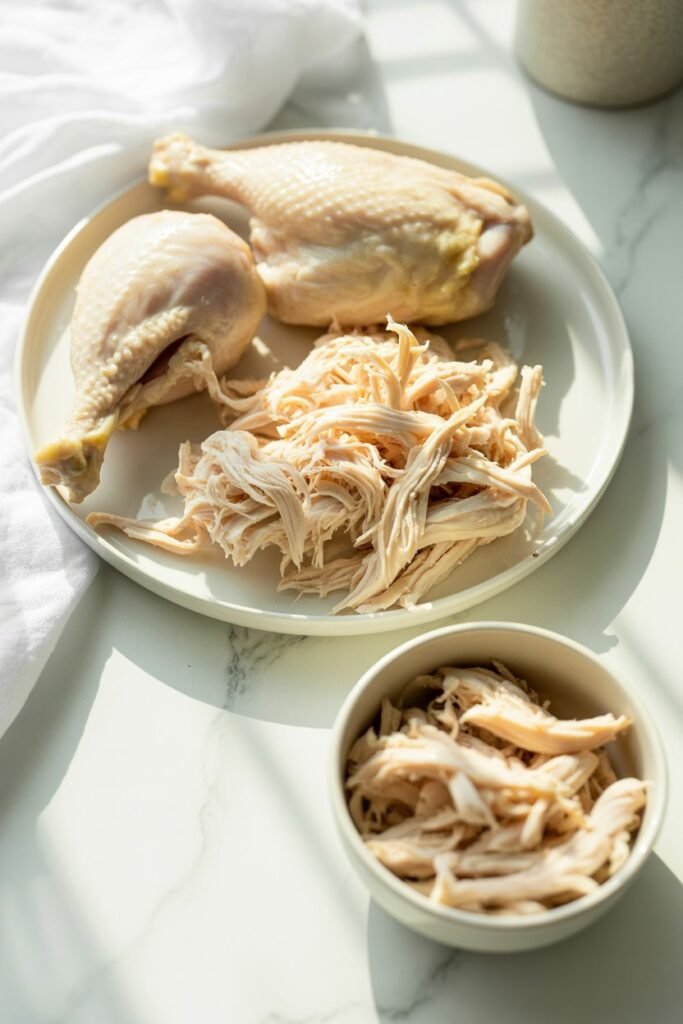
Start with plain, fully cooked chicken.
If you’re cooking chicken specifically for this recipe, gently cook it in plain water until it reaches a safe internal temperature.
Once cooked, allow it to cool enough to handle.
Carefully check the chicken for bones, cartilage, and large pieces of fat. Remove anything that shouldn’t be included.
Then finely shred or chop the chicken.
For cats, small pieces are preferable because they are easier to eat and distribute more evenly throughout the jelly.
Step 2: Prepare the Gelatin
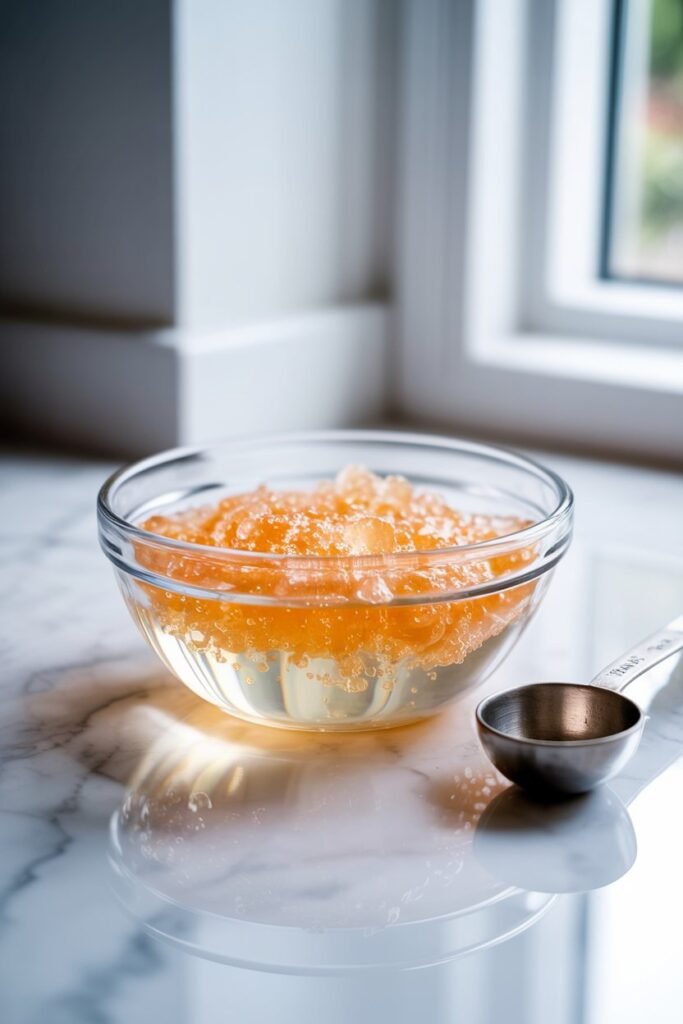
Place 2 tablespoons of cool water into a small bowl.
Sprinkle the unflavored gelatin evenly over the surface.
Let it sit for several minutes.
This process, often called blooming the gelatin, helps it dissolve smoothly when heated.
You don’t want to dump dry gelatin directly into a large amount of hot liquid because it can become clumpy.
Step 3: Warm the Broth
Pour the unsalted chicken broth into a small saucepan.
Warm it gently over low to medium-low heat.
You want the broth to become hot enough to help dissolve the gelatin, but there is no need to bring it to a vigorous boil.
Add the bloomed gelatin and stir until it has completely dissolved.
The liquid should look smooth.
Read Minty Fur Spray
Step 4: Add the Chicken
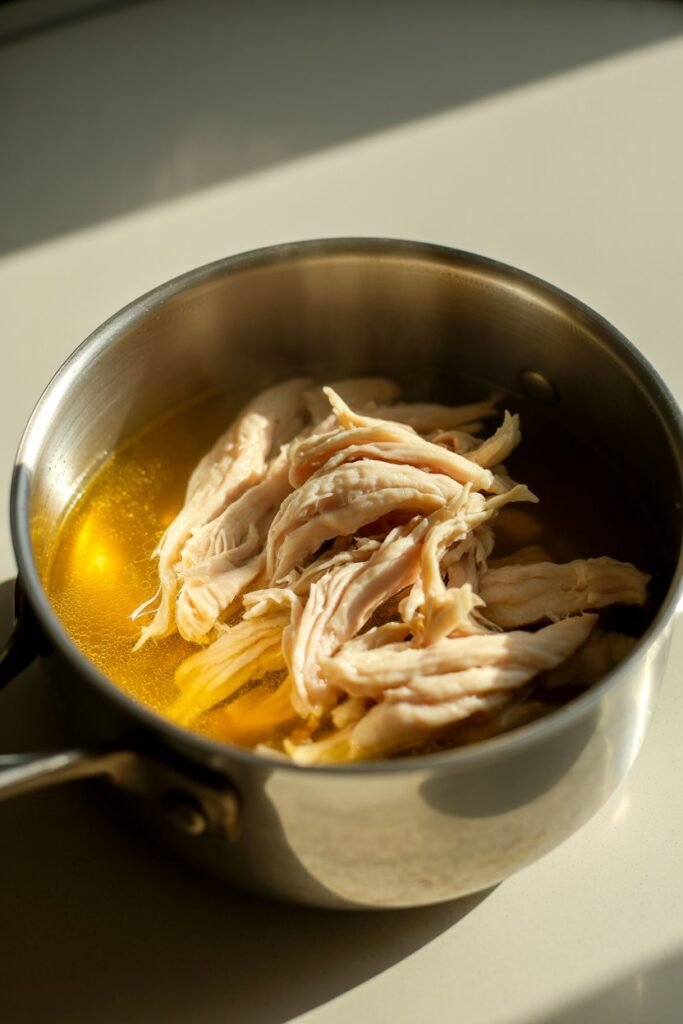
Remove the saucepan from the heat.
Stir in the finely shredded chicken.
Mix gently so that the chicken is evenly distributed throughout the liquid.
At this point, you’ll have a warm chicken mixture that will transform into a soft jelly once chilled.
Step 5: Pour Into Molds
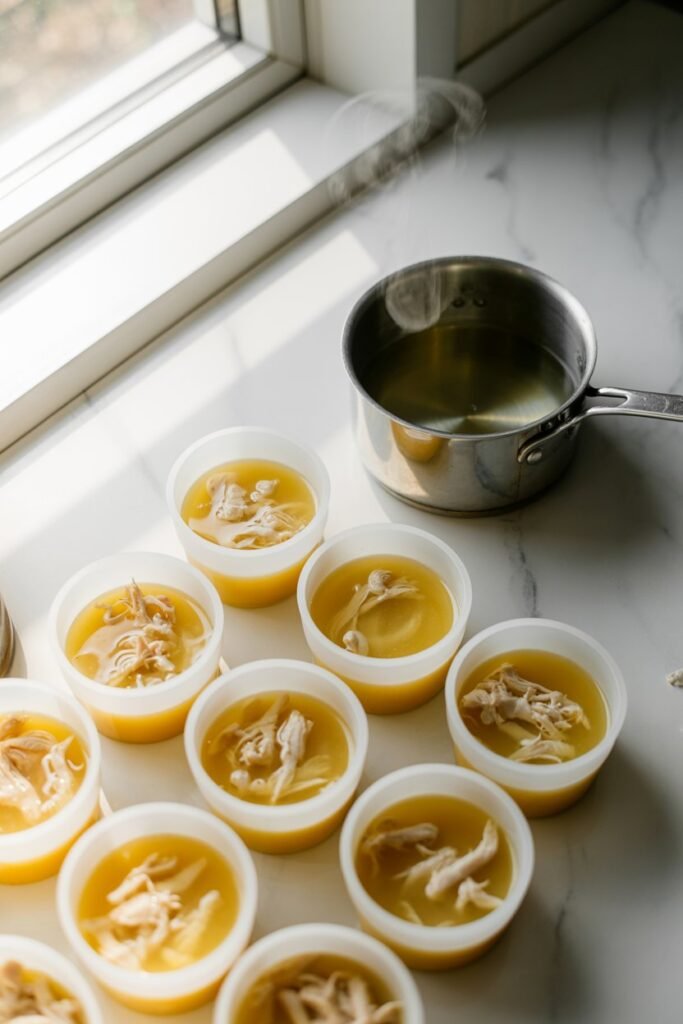
Carefully spoon the mixture into small silicone molds or a clean food-safe container.
Small molds are convenient because you can make individual portions.
You can also simply pour everything into one shallow container and cut or scoop out small portions after it sets.
Don’t make the pieces too large. Smaller portions make it easier to control how much you’re giving your cat.
Step 6: Refrigerate
Place the molds or container in the refrigerator.
Allow the mixture to chill until completely set.
This usually takes a few hours, although the exact time can vary depending on the depth of the mixture and the amount of gelatin used.
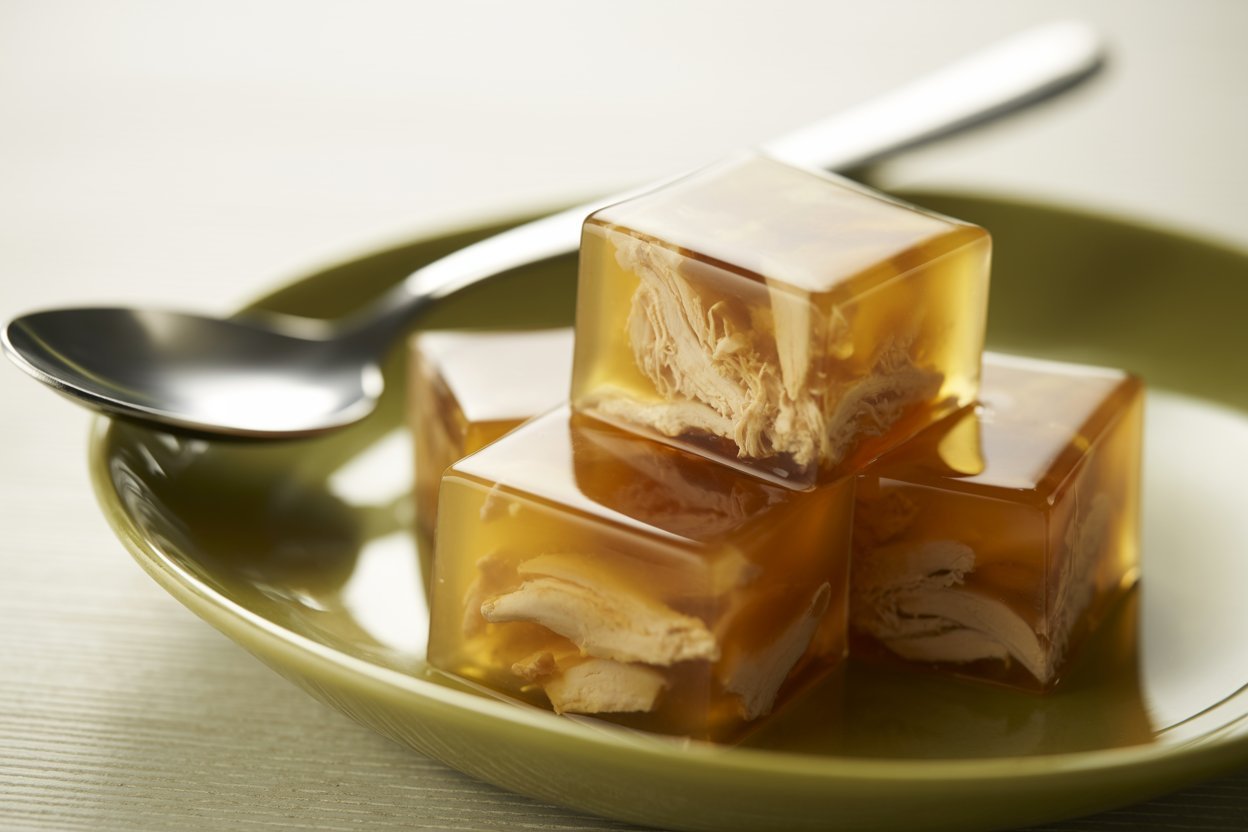
The finished jelly should have a soft, firm texture that holds its shape but is easy to break apart with a fork.
How to Serve Homemade Chicken Jelly to Your Cat
Once the jelly has completely set, remove a small portion from the refrigerator.
You can serve it:
- By itself as an occasional treat
- Alongside your cat’s normal wet food
- Crumbled over regular cat food
- Mixed into a meal as a small topper
Some cats may prefer it slightly softened rather than straight from the refrigerator.
If your cat doesn’t like cold food, allow a small serving to sit briefly until it is closer to room temperature.
Never leave wet homemade food sitting out for long periods. Put leftovers back into the refrigerator promptly.
How Much Chicken Jelly Should You Give Your Cat?
This recipe should be considered a treat or topper, not a complete meal.
The amount your cat can have depends on their size, age, health, normal diet, and total daily calorie intake.
A good approach is to start with a very small portion.
This is especially important the first time you’re introducing the recipe.
Watch how your cat responds to it. If they tolerate it well, you can continue offering small amounts occasionally.
Treats and other foods that are not complete and balanced should remain a relatively small part of a cat’s overall diet.
If your cat has a medical condition, food allergy, kidney disease, urinary problems, digestive problems, or another dietary restriction, speak with your veterinarian before adding homemade treats.
Important Safety Tips
Homemade cat treats can be simple, but ingredient safety is extremely important.
Never Add Onion or Garlic
Do not add onion, garlic, leeks, chives, or products containing them.
This includes powdered versions.
These ingredients can be harmful to cats, so they have no place in homemade cat broth or jelly.
Avoid Salt and Seasonings
Your cat doesn’t need a heavily seasoned broth.
Avoid adding:
- Salt
- Pepper
- Chili
- Stock cubes
- Gravy powder
- Seasoning blends
- Spicy sauces
- Bouillon
- Herb mixes
A plain chicken broth is the better choice.
Never Use Cooked Chicken Bones
Although the recipe is called chicken and bone broth jelly, do not put cooked chicken bones into the finished jelly.
Cooked bones can become brittle and create a choking or gastrointestinal hazard if a cat consumes bone fragments.
If you make your own broth using bones, strain the broth extremely carefully and make sure no bone fragments remain before using it in this recipe.
For an even simpler approach, make the broth from plain boneless chicken and water.
Avoid Dairy
There’s no need to add milk, cream, cheese, or butter.
Many cats don’t digest lactose particularly well, and dairy isn’t necessary for this recipe.
The chicken and broth provide plenty of flavor without it.
Can Kittens Eat Chicken Jelly?
Kittens have different nutritional needs from adult cats because they’re growing rapidly.
A homemade jelly treat shouldn’t replace a kitten’s complete and balanced kitten food.
If you’re considering giving this recipe to a kitten, it’s best to ask your veterinarian whether the ingredients and portion size are appropriate for that particular kitten.
For very young kittens, sticking with their appropriate complete kitten diet is especially important.
Can Senior Cats Have This Treat?
Some senior cats may enjoy soft textures, making a jelly-style treat appealing.
However, senior cats can also have health conditions that affect what they should eat.
If your older cat has kidney disease, diabetes, dental problems, digestive disease, or another diagnosed condition, check with your veterinarian before introducing homemade treats.
For a healthy senior cat, a small amount may be suitable as an occasional topper, provided it fits within their overall diet.
How to Store Homemade Chicken Jelly
Because this recipe contains cooked chicken, proper storage is important.
Keep the finished jelly refrigerated in a clean, covered container.
I prefer making small portions rather than preparing a huge batch. It makes serving easier and helps reduce the amount of food repeatedly exposed to air.
Always check the food before serving.
If you notice an unusual smell, discoloration, mold, or an unexpected change in texture, throw it away.
Don’t rely on taste-testing food intended for your cat to determine whether it is safe.
When in doubt, discard it.
Can You Freeze Chicken Jelly?
You can freeze small portions if you want to prepare the recipe ahead of time.
Freezing may slightly change the texture after thawing, so don’t be surprised if the jelly isn’t exactly as firm or smooth as it was before freezing.
If you freeze it, place individual portions in clean, freezer-safe containers.
Thaw portions in the refrigerator rather than leaving them on the kitchen counter for an extended period.
Only thaw the amount you expect to use.
What If My Cat Doesn’t Like It?
Don’t worry if your cat turns up her nose the first time.
Cats can be surprisingly particular about texture, smell, and temperature.
Some cats love jelly-like textures immediately, while others may prefer their food in a more familiar form.
You can try crumbling a tiny amount over your cat’s normal wet food instead of serving it alone.
Another option is to make the jelly softer by adjusting the amount of gelatin slightly in your next batch.
The key is not to force it.
Your cat’s normal complete and balanced food should remain the foundation of her diet.
Why I Like Making Small Batches
One thing I particularly like about this recipe is that you don’t need to make a huge amount.
When preparing homemade treats for cats, I find smaller batches much more practical.
You can make just enough for several servings, store the portions properly, and prepare another batch when needed.
It also gives you an opportunity to see whether your cat actually enjoys the recipe before filling your refrigerator with containers of jelly.
And honestly, there’s something satisfying about opening the fridge and seeing a few little portions of homemade treats ready for your cat.
Homemade Chicken Jelly Variations
Once you’ve established that your cat tolerates the basic recipe, you can keep things interesting without adding unsafe ingredients.
Chicken and Broth Jelly
Keep it extremely simple with plain chicken, unsalted broth, and gelatin.
Extra Chicken Jelly
Increase the amount of finely shredded chicken for a meatier texture, while keeping the mixture soft enough for your cat to eat comfortably.
Softer Chicken Topper
Use less gelatin to create a softer consistency that can easily be spooned over wet food.
Always keep the ingredients plain and cat-appropriate.
Frequently Asked Questions
Is bone broth safe for cats?
Plain bone broth can be used as an occasional food topper if it contains cat-safe ingredients and is free from onion, garlic, excessive sodium, and other unsuitable seasonings.
If making broth from bones, strain it thoroughly and never give cats cooked bones.
Can I use store-bought chicken broth?
Only if you carefully check the ingredient list and confirm that it contains no onion, garlic, excessive sodium, or other ingredients unsuitable for cats. A simple homemade broth gives you much more control over the ingredients.
Can I use chicken stock instead of broth?
You can use a suitable homemade chicken stock as long as it is plain, unsalted, and free from onion, garlic, and inappropriate seasonings.
Does chicken jelly replace cat food?
No. This recipe is a treat or topper and isn’t formulated to provide all the nutrients cats require from their daily diet.
Can I add vegetables?
There’s really no need to add vegetables to this recipe. Cats have specific nutritional requirements, and keeping this treat simple is preferable.
Can I use flavored gelatin?
No. Use plain, unflavored gelatin without added sugar, sweeteners, flavors, or other additives.
Final Thoughts
Making homemade chicken and bone broth jelly for cats can be a lovely way to add a little variety to your cat’s routine. I especially like that this recipe is simple enough to prepare without complicated cooking techniques, while the soft jelly texture makes it different from an ordinary chicken treat.
The most important part is keeping the recipe simple. Plain cooked chicken, safe broth, and unflavored gelatin are all you need. Avoid onion, garlic, salt, seasonings, dairy, and cooked bones, and remember that homemade jelly should remain an occasional treat rather than a replacement for nutritionally complete cat food.
Once you’ve made your first batch, you may find that portioning it into little servings makes treating your cat incredibly easy. And if your furry friend happens to love the wobbly texture and chicken flavor, you may have just found a new homemade favorite for treat time.
Homemade Chicken & Bone Broth Jelly for Cats
Ingredients
Equipment
Method
- Prepare the chicken — Cook plain chicken in plain water until it reaches a safe internal temperature, then cool enough to handle. Check carefully for bones, cartilage, and fat, then finely shred or chop.
- Prepare the gelatin — Place the cool water in a small bowl. Sprinkle the gelatin evenly over the surface and let sit for several minutes to bloom.
- Warm the broth — Pour the unsalted chicken broth into a small saucepan and warm gently over low to medium-low heat. Add the bloomed gelatin and stir until fully dissolved and the liquid looks smooth.
- Add the chicken — Remove from heat and stir in the finely shredded chicken until evenly distributed.
- Pour into molds — Spoon the mixture into small silicone molds or a shallow food-safe container. Keep portions small for easier serving control.
- Refrigerate — Chill until completely set, usually a few hours depending on depth. The finished jelly should be soft and firm, easy to break apart with a fork.