Hypoallergenic Homemade Cat Food Recipes for Sensitive Stomachs
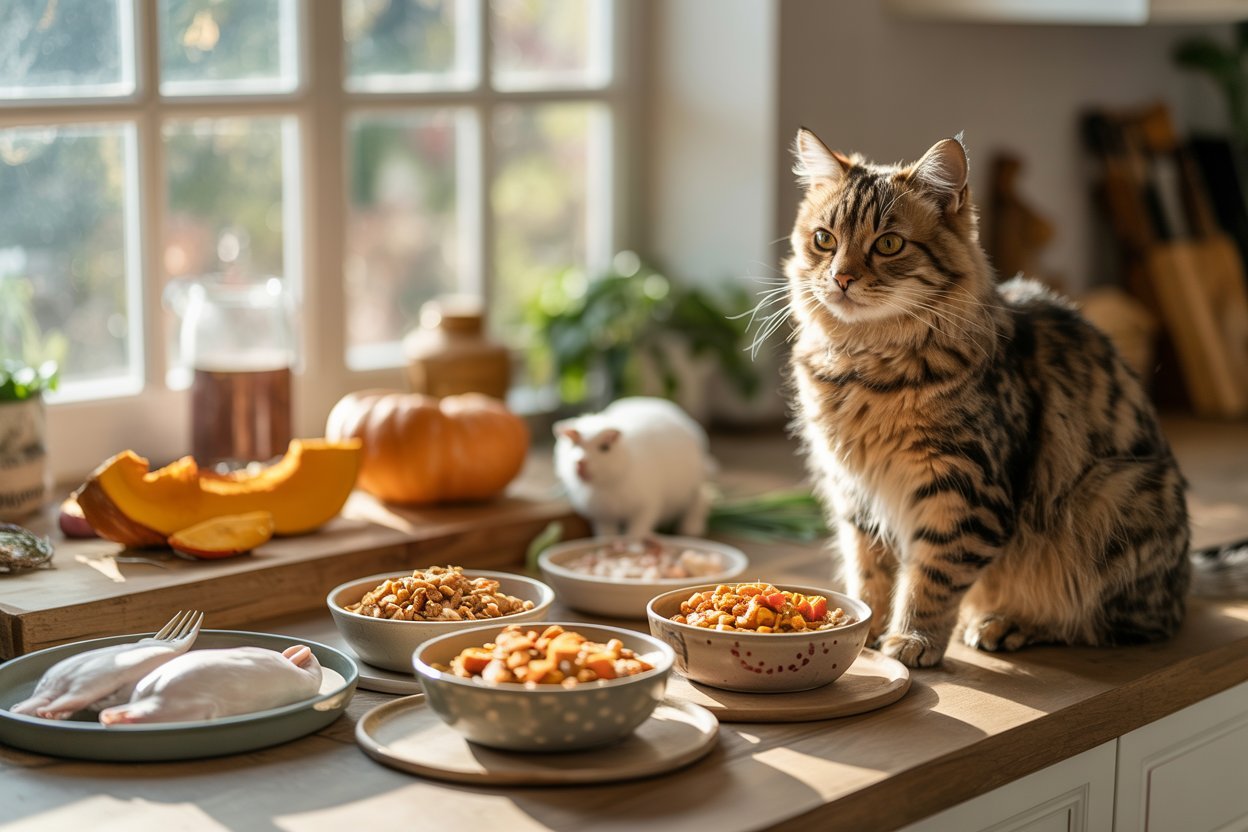
Watching my cat struggle with digestive issues was both frustrating and heartbreaking. One day she seemed perfectly fine, and the next she was dealing with vomiting, loose stools, or refusing her food altogether.
After countless ingredient checks and careful observation, I realized that certain foods simply didn’t agree with her sensitive stomach.
That journey led me to explore homemade, hypoallergenic cat food recipes made with simple, wholesome ingredients. Not only did her digestion improve, but she also seemed happier and more energetic.
If your feline friend has a sensitive tummy, these recipes and tips may help you too.
Understanding Food Sensitivities in Cats
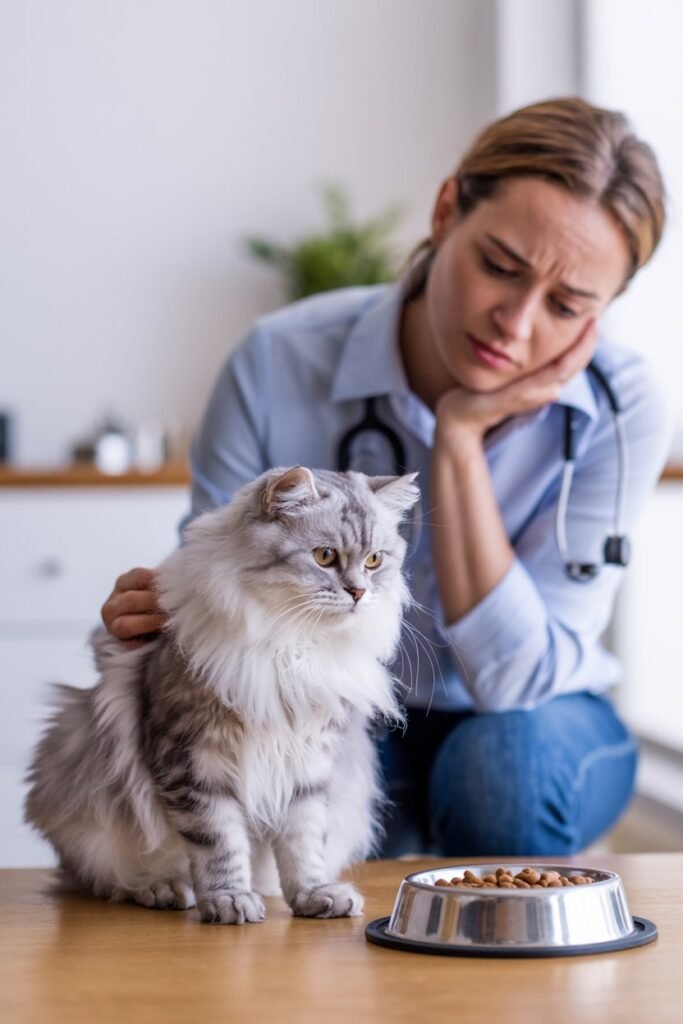
Many cat owners assume that occasional stomach upset is normal, but recurring digestive issues often point to an underlying food sensitivity or intolerance. Unlike food allergies, which involve an immune system response, food sensitivities typically affect digestion and can make your cat uncomfortable after eating certain ingredients.
Common symptoms of food sensitivities include:
- Vomiting after meals
- Chronic diarrhea
- Excessive gas
- Constipation
- Poor appetite
- Weight loss
- Itchy skin or excessive grooming
- Frequent stomach gurgling
Cats can develop sensitivities to ingredients they have eaten for years. Common triggers include:
- Beef
- Dairy products
- Fish
- Chicken
- Artificial preservatives
- Corn
- Wheat
- Soy
Because every cat is different, identifying triggers often requires patience and careful observation. Homemade meals give you complete control over ingredients, making it easier to eliminate potential irritants.
Why Choose Homemade Hypoallergenic Cat Food?
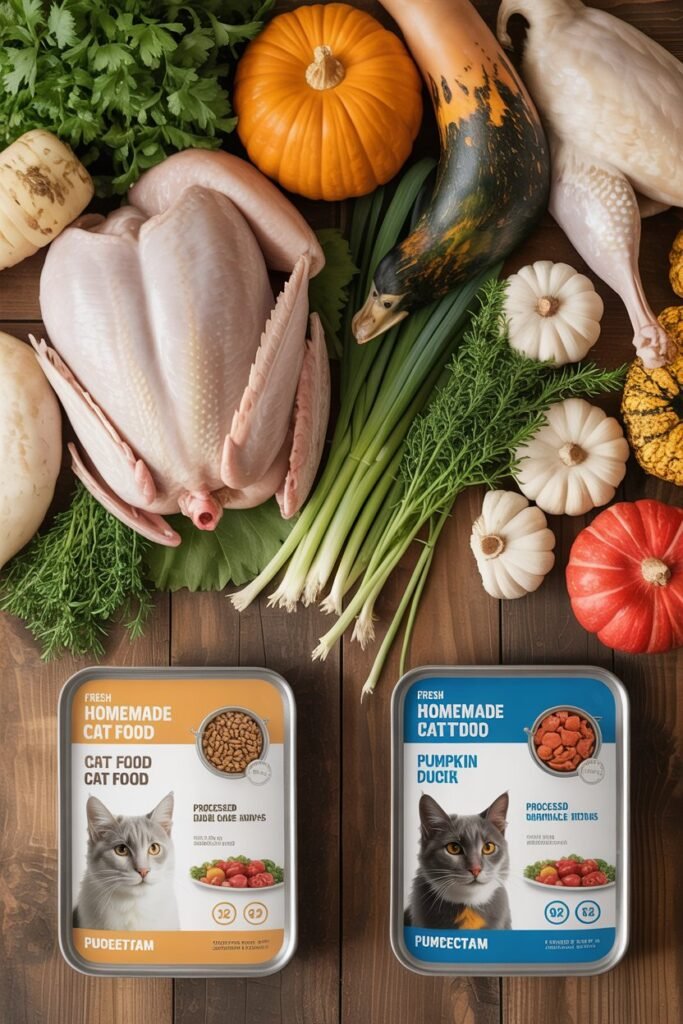
Preparing your cat’s meals at home offers several advantages, especially for sensitive stomachs.
Complete Ingredient Control
Commercial cat foods often contain fillers, artificial additives, flavor enhancers, and multiple protein sources. Homemade recipes allow you to know exactly what goes into every meal.
Easier Elimination Diets
When trying to identify food sensitivities, feeding a limited number of ingredients can make the process much simpler.
Fresh Ingredients
Freshly prepared meals often contain fewer preservatives and highly processed ingredients that may upset digestion.
Customizable Nutrition
You can tailor recipes to your cat’s specific needs, preferences, and sensitivities.
Improved Digestive Comfort
Many cat owners notice reduced vomiting, firmer stools, and improved appetite after switching to carefully balanced homemade meals.
Read Mistakes New Puppy Owners Make: 15 Common Mistakes to Avoid
Important Nutritional Considerations
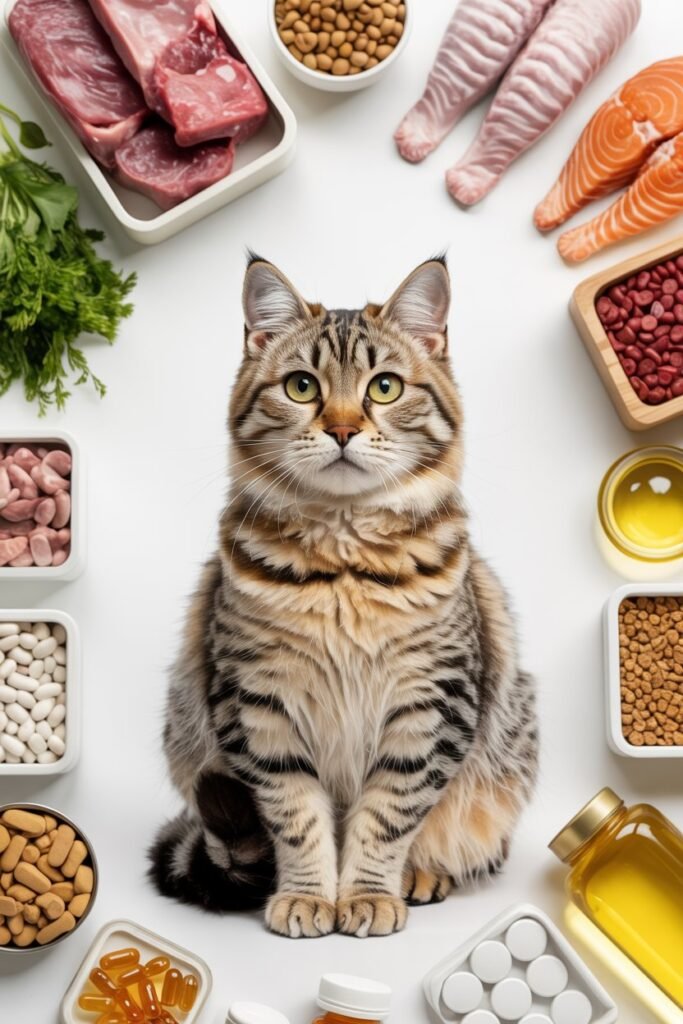
Before preparing homemade meals regularly, it is essential to understand that cats are obligate carnivores. Their bodies require nutrients that cannot be supplied by meat alone.
Key nutrients include:
Taurine
Taurine supports heart health, vision, and overall bodily function. A deficiency can lead to serious health problems.
Calcium
Cats require proper calcium-to-phosphorus balance for healthy bones and teeth.
Vitamin A
Cats cannot efficiently convert plant-based beta-carotene into vitamin A.
B Vitamins
These support metabolism, energy production, and neurological health.
Essential Fatty Acids
Healthy fats support skin, coat quality, immune function, and overall wellbeing.
Consulting your veterinarian or a veterinary nutritionist before making long-term dietary changes is highly recommended.
Read Foods Dogs Can (and Absolutely Can’t) Eat: A Complete Guide for Worried Pet Parents
Best Hypoallergenic Ingredients for Sensitive Cats
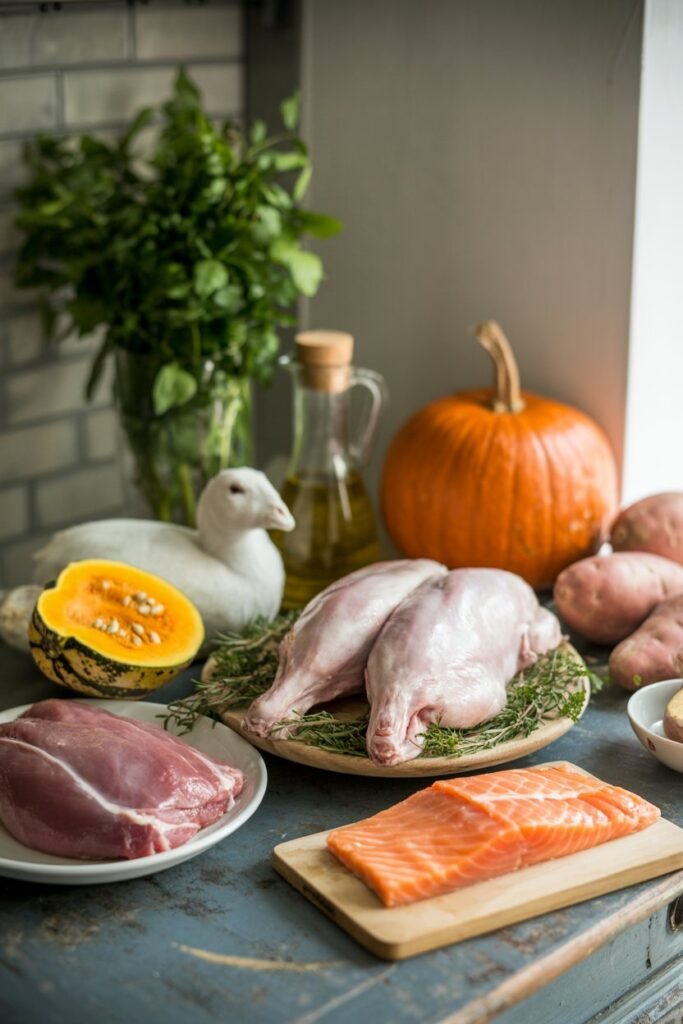
Selecting gentle, easily digestible ingredients is the foundation of a successful hypoallergenic diet.
Novel Proteins
Proteins your cat has rarely eaten may help reduce sensitivity reactions.
Good options include:
- Rabbit
- Duck
- Turkey
- Venison
- Quail
Gentle Carbohydrates
Although cats don’t require large amounts of carbohydrates, small quantities may aid digestion in some recipes.
Options include:
- Pumpkin
- Sweet potato
- Butternut squash
Healthy Fats
- Salmon oil
- Sardine oil
- Chicken fat (if tolerated)
Hydrating Ingredients
Adequate moisture supports digestion and urinary health.
- Bone broth (cat-safe and onion-free)
- Water-rich meats
- Homemade meat stock
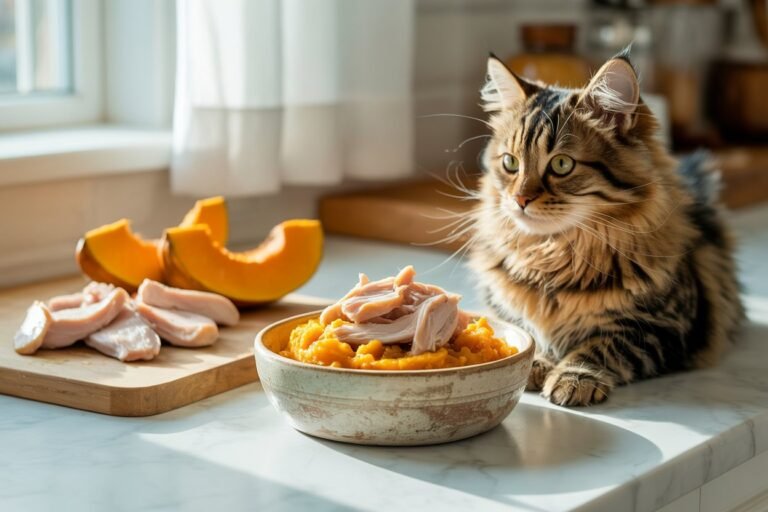
Recipe 1: Simple Turkey and Pumpkin Sensitive Stomach Meal
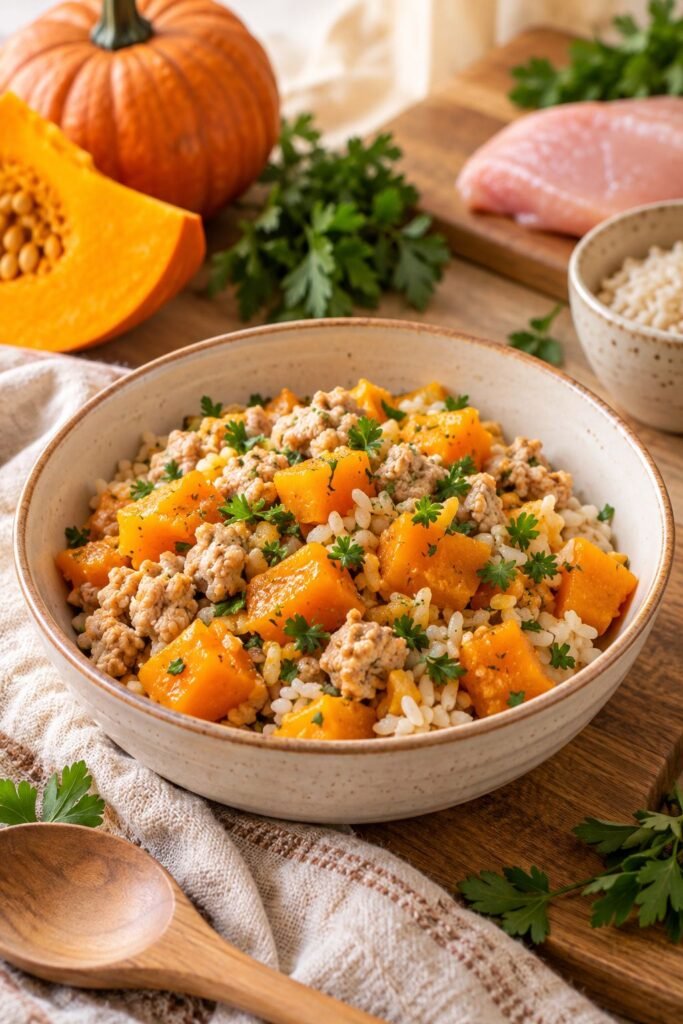
Ingredients
- 1 pound ground turkey
- ½ cup pure pumpkin puree
- 1 tablespoon salmon oil
- ½ cup water
Instructions
- Cook the turkey thoroughly.
- Drain excess fat if necessary.
- Add pumpkin puree and mix well.
- Stir in water.
- Allow the mixture to cool.
- Add salmon oil before serving.
Benefits
Turkey is often gentler than beef for sensitive cats, while pumpkin provides soluble fiber that may help regulate digestion.
Read Bacon & Cheese Dog Treats – A Savory Snack Your Pup Will Beg For
Recipe 2: Rabbit and Squash Hypoallergenic Dinner
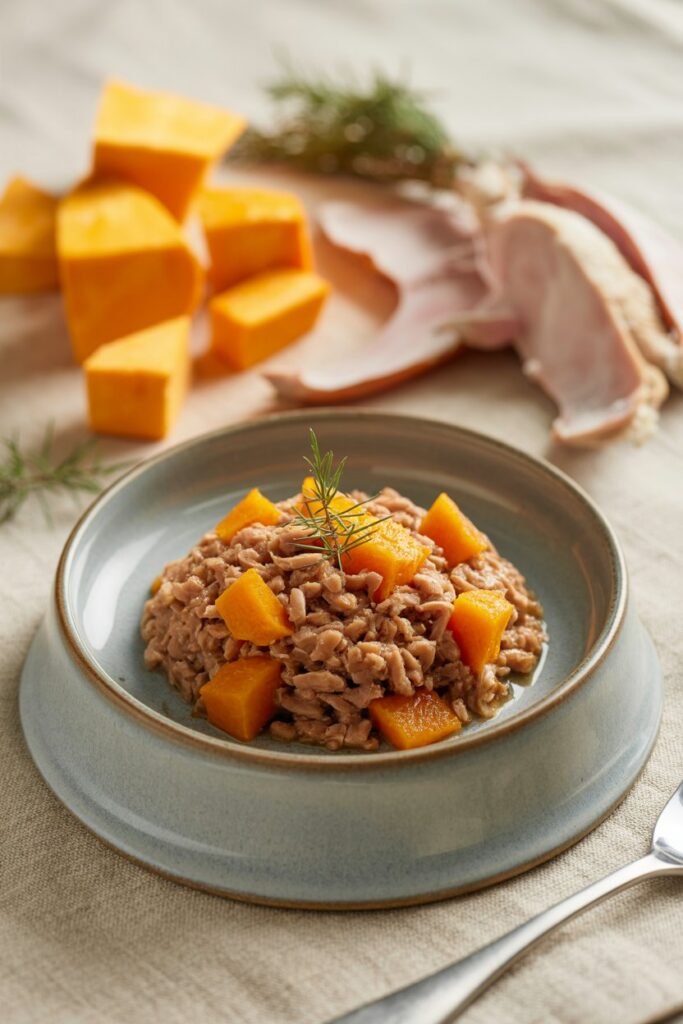
Ingredients
- 1 pound rabbit meat
- ½ cup cooked butternut squash
- 1 teaspoon salmon oil
- ½ cup water
Instructions
- Cook rabbit meat thoroughly.
- Mash the squash until smooth.
- Combine all ingredients.
- Add water for moisture.
- Cool before serving.
Benefits
Rabbit is considered one of the most popular novel proteins used in elimination diets because many cats have limited exposure to it.
Read Sweet Potato and Oatmeal Dog Cake – A Simple, Healthy Celebration Treat
Recipe 3: Duck and Pumpkin Digestive Support Recipe
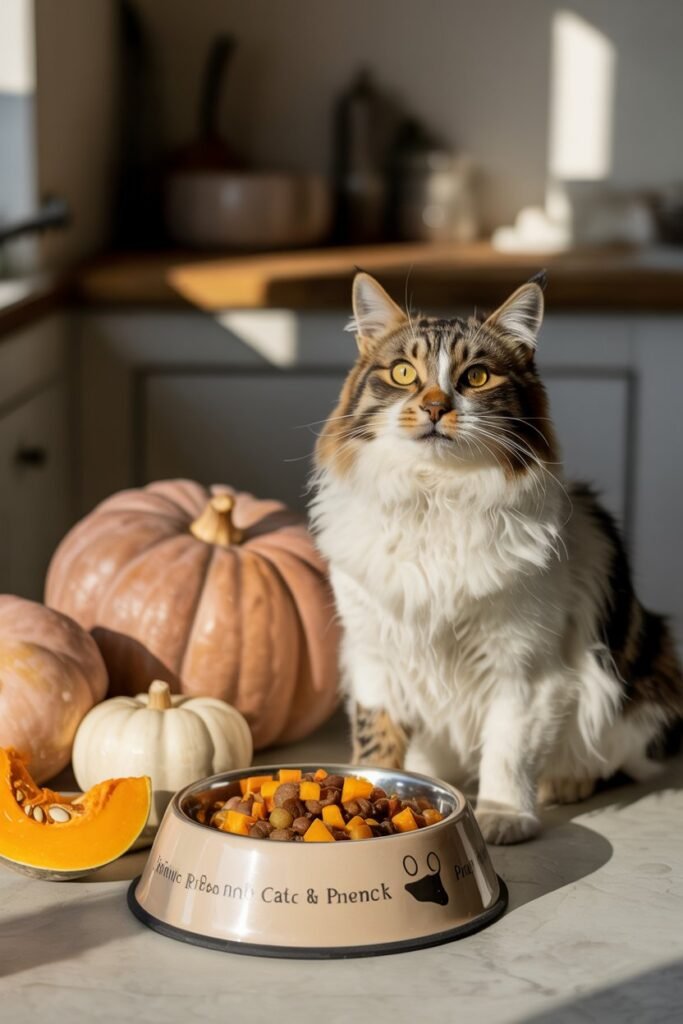
Ingredients
- 1 pound duck meat
- ½ cup pumpkin puree
- 1 tablespoon fish oil
- Water as needed
Instructions
- Cook duck thoroughly.
- Finely chop or shred the meat.
- Mix with pumpkin puree.
- Add fish oil.
- Adjust moisture with water.
Benefits
Duck offers a unique protein source that may help cats who react poorly to common proteins.
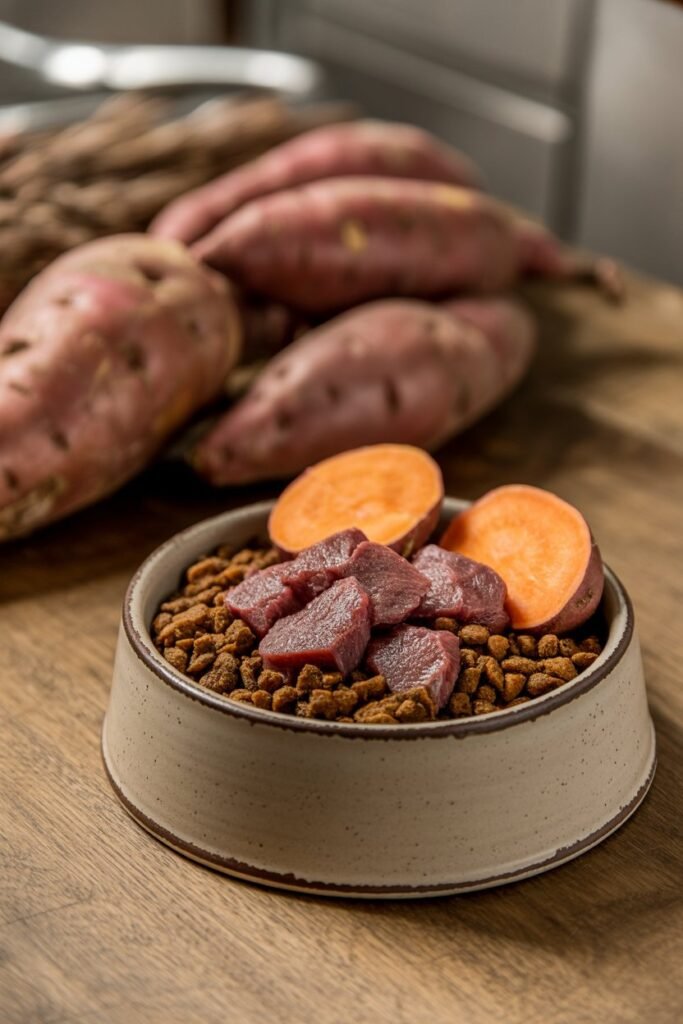
Recipe 4: Venison and Sweet Potato Formula
Ingredients
- 1 pound ground venison
- ¼ cup cooked sweet potato
- 1 teaspoon fish oil
- Water
Instructions
- Cook venison completely.
- Mash sweet potato until smooth.
- Combine ingredients thoroughly.
- Add water to reach desired consistency.
Benefits
Venison is highly digestible and often works well in limited-ingredient diets.
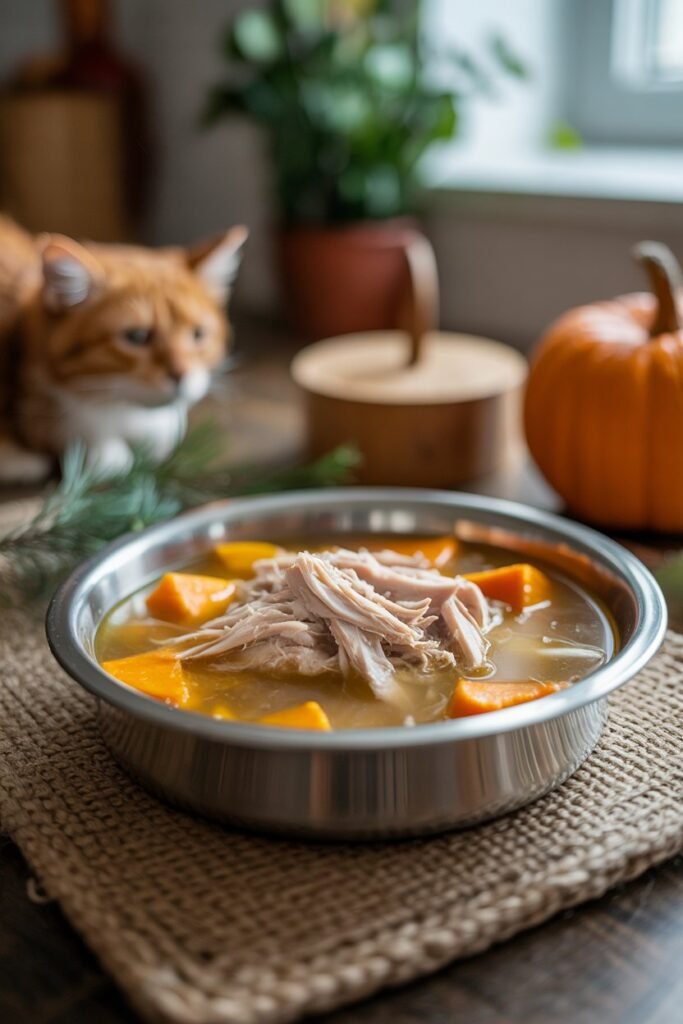
Recipe 5: Gentle Turkey Broth Stew
Ingredients
- 1 pound turkey breast
- 1 cup homemade cat-safe broth
- ¼ cup pumpkin puree
Instructions
- Cook and shred turkey breast.
- Warm broth gently.
- Add pumpkin puree.
- Mix everything together.
- Serve slightly warm.
Benefits
The added moisture supports hydration while remaining easy on the digestive tract.
How to Transition Your Cat to Homemade Food
Switching foods too quickly can cause digestive upset, even when the new food is healthier.
Follow this gradual schedule:
Days 1–3
75% current food, 25% homemade food
Days 4–6
50% current food, 50% homemade food
Days 7–9
25% current food, 75% homemade food
Day 10+
100% homemade food
Monitor stool quality, appetite, and energy levels throughout the transition.
Foods to Avoid for Sensitive Stomachs
Some ingredients are more likely to trigger digestive issues.
Avoid:
- Onions
- Garlic
- Chocolate
- Grapes
- Raisins
- Artificial preservatives
- Excessive dairy
- Highly seasoned foods
- Xylitol
- Excess salt
Signs Your Homemade Diet Is Working
Positive changes may include:
- Reduced vomiting
- Firmer stools
- Improved appetite
- Increased energy
- Healthier coat
- Better hydration
- Less stomach discomfort
Keep a journal to track your cat’s progress and identify any recurring issues.
When to Contact Your Veterinarian
Seek veterinary advice if your cat experiences:
- Persistent vomiting
- Bloody diarrhea
- Significant weight loss
- Refusal to eat
- Severe lethargy
- Signs of dehydration
Digestive symptoms can sometimes indicate underlying medical conditions that require professional treatment.
Storage and Food Safety Tips
Proper food handling helps keep homemade meals safe.
- Refrigerate prepared food immediately.
- Use within three days.
- Freeze extra portions for up to three months.
- Label containers with preparation dates.
- Discard food that develops an unusual odor.
- Wash utensils thoroughly after preparation.
Final Thoughts
Finding the right food for a cat with a sensitive stomach can feel like a long journey, but small dietary changes often make a remarkable difference.
\By focusing on simple, high-quality ingredients and carefully monitoring your cat’s response, you can create meals that are both nourishing and gentle on the digestive system. Every cat is unique, so patience is key.
With a thoughtful approach and guidance from your veterinarian, homemade hypoallergenic recipes can become a valuable tool for supporting your cat’s long-term health, comfort, and happiness.